
Leanstral 1.5: How Mistral is Redefining AI Efficiency
Introduction: The Shift Toward Efficient AI We are currently witnessing an unprecedented explosion in the demand for large language models,…
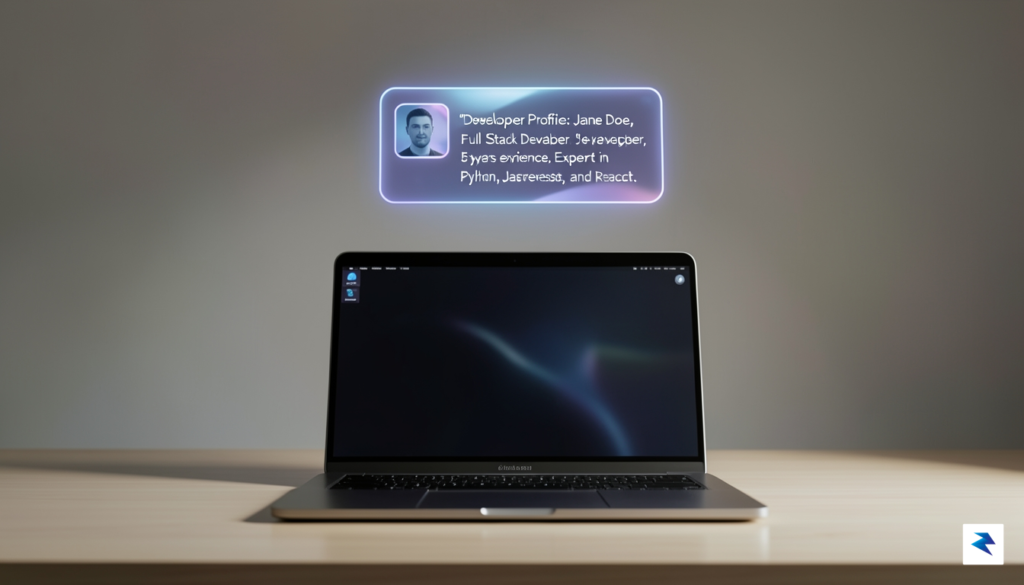
For many years, the quintessential developer portfolio was a largely text-based affair, typically comprising a static résumé or a LinkedIn profile listing languages, frameworks, and project links. These documents, while functional, often served as mere inventories of technical skills and past experiences, lacking the vibrancy and narrative depth to truly capture a developer’s unique contribution or coding personality. The focus was predominantly on a straightforward enumeration of ‘what’ a developer knew, rather than a compelling story of ‘how’ they applied their expertise or the distinctive ‘who’ they were within the vast coding landscape. This traditional approach, while once sufficient, presented a rather unidimensional view of highly dynamic and creative professionals.
The advent of platforms like GitHub significantly broadened the scope for developers to showcase their work, transforming it into the de facto professional social network for coders. Here, the project README emerged as a vital component, offering a more detailed context than a simple résumé line. However, even these READMEs, and indeed personal GitHub profiles themselves, largely remained text-heavy and data-centric, primarily highlighting lists of repositories, commit graphs, and contribution statistics. While these raw data points are undeniably valuable for demonstrating activity and engagement, they often struggle to synthesize a holistic, engaging, or truly personalized picture of a developer’s unique technical DNA, leaving much of the interpretation to the discerning eyes of recruiters or peers.
In today’s fast-paced, visually-driven digital world, the need for developers to differentiate themselves goes far beyond a static list of technical proficiencies. There’s a growing desire for creative expression and a more dynamic representation of one’s professional identity, mirroring a broader societal shift towards visual storytelling and gamified experiences. Developers are increasingly seeking innovative ways not just to show what they’ve built, but to vividly illustrate their journey, their impact, and the distinctive nuances of their coding persona. They want their profiles to be engaging, memorable, and capable of conveying their skills and passions in a way that static text or raw data simply cannot achieve.
This palpable shift towards more engaging and personalized developer branding is precisely where innovative tools like GitFut step in, spearheading a new era for professional profiles. Moving beyond the inherent limitations of traditional text-based portfolios and raw data presentations, GitFut ingeniously transforms a developer’s raw commit history and extensive GitHub activity into a visually striking, gamified experience akin to a World-Cup-style player card. It skillfully distills complex metrics—such as contribution frequency, project diversity, language proficiency, and collaborative impact—into an easily digestible and highly appealing format. This fresh approach not only makes a developer’s profile more engaging and memorable but also offers a novel, exciting way to quantify, celebrate, and spotlight their unique coding prowess and invaluable contributions, effectively turning their often-overlooked ‘behind-the-scenes’ work into a vibrant badge of honor.
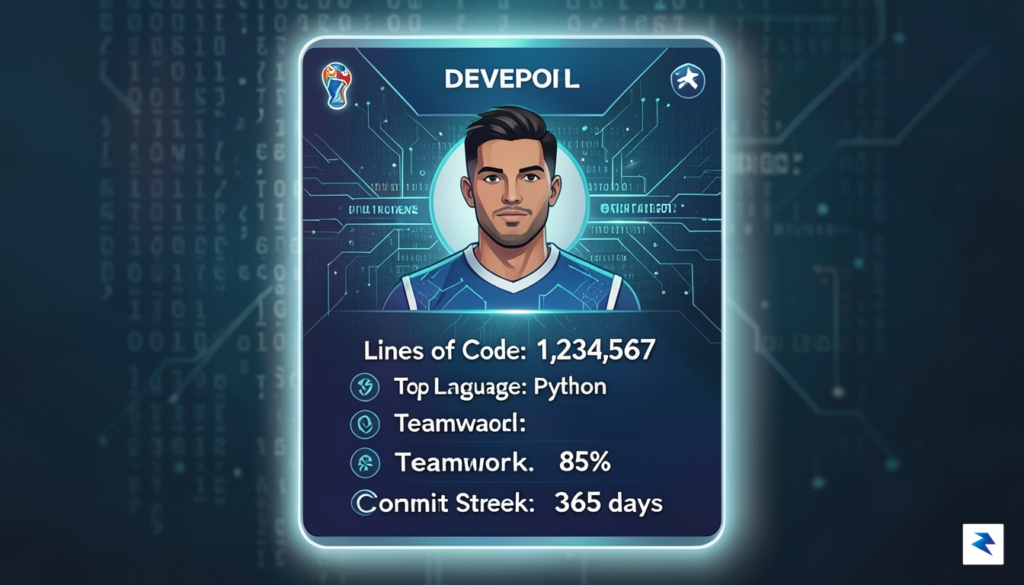
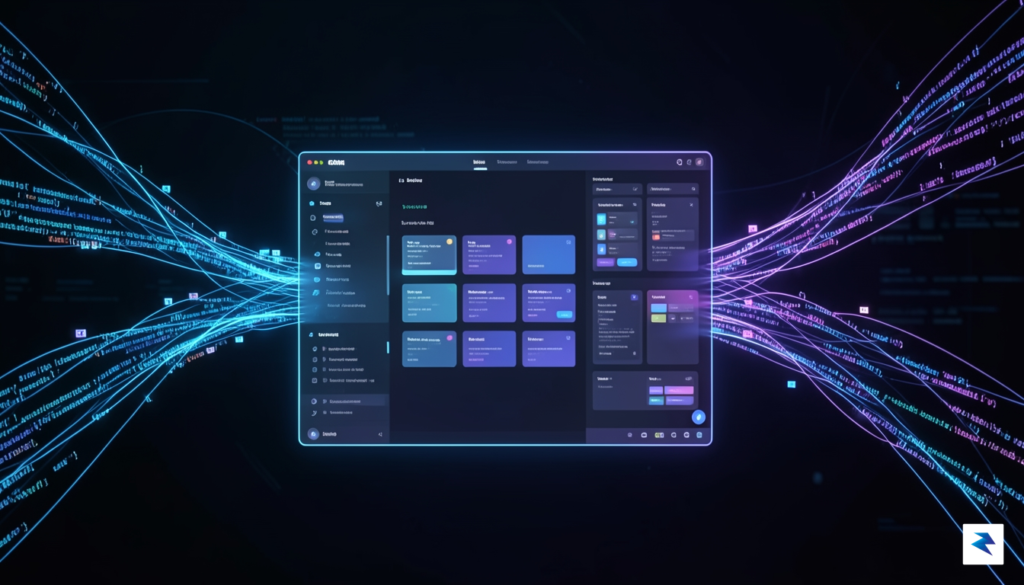
At the heart of GitFut lies a sophisticated engine designed to bridge the chasm between raw, often overwhelming repository data and the clean, immediate impact of visual design. By tapping into the public GitHub API, the platform meticulously parses a user’s long-term activity, transforming disparate data points—such as language preferences, commit frequency, and the complexity of project contributions—into a cohesive digital asset. This process is far more than a simple data dump; it is a thoughtful curation that identifies the signals hidden within the noise of commit history, ensuring that the final output reflects the true caliber of a developer’s technical output.
The “player card” metaphor serves as the creative backbone of this transformation, providing a familiar language for assessing performance that transcends the traditional, text-heavy resume. Just as a professional athlete is defined by specific, quantifiable metrics like speed or precision, a developer is evaluated through their own unique “stats” generated by GitFut. These metrics might include language proficiency scores based on lines of code, consistency streaks that demonstrate reliability, and project impact factors that highlight contributions to high-profile repositories. By condensing thousands of lines of terminal activity into a single, high-fidelity graphic, GitFut allows engineers to showcase their specialized skills in a format that is instantly recognizable and visually compelling.
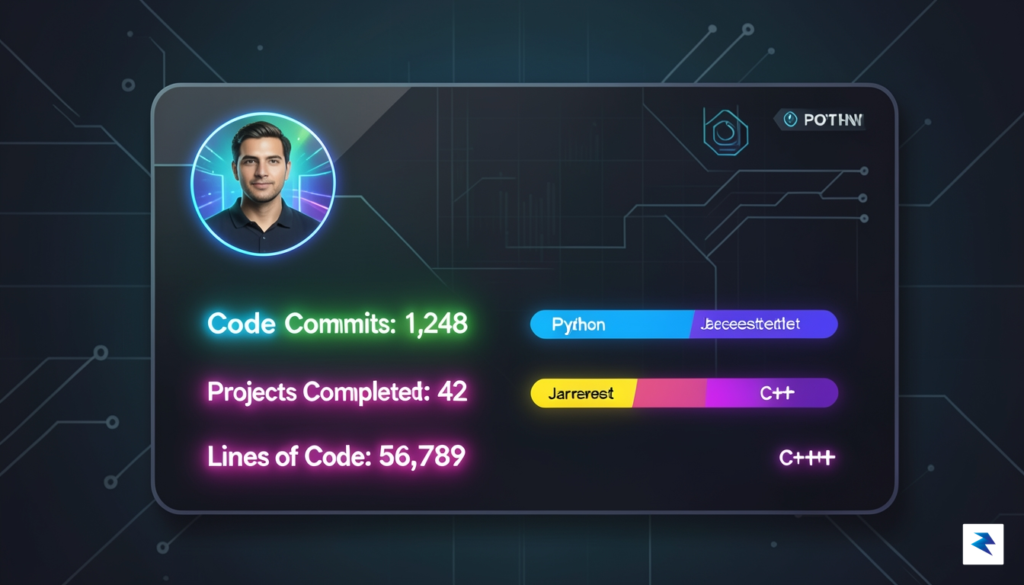
This approach to data visualization is particularly revolutionary for non-technical stakeholders, such as recruiters or hiring managers, who may not have the time or technical background to manually audit a candidate’s GitHub profile. Instead of navigating complex directory structures or attempting to interpret dense commit logs, these decision-makers are presented with a simplified, intuitive dashboard. The card acts as a high-level summary that captures the essence of a developer’s career trajectory at a glance. It provides a common ground where technical expertise meets accessible design, ensuring that a candidate’s contributions are not only seen but also easily understood and appreciated by anyone involved in the recruitment process.
The power of GitFut lies in its ability to turn the invisible labor of coding into a tangible, professional narrative that validates a developer’s journey from a hobbyist to a seasoned expert.
Ultimately, the transition from raw API calls to a polished visual card represents a shift in how we value professional growth in the tech industry. By standardizing these metrics, GitFut encourages developers to view their own contributions through a more strategic lens, focusing on the quality, consistency, and evolution of their work. Whether you are using the card for personal branding, networking, or simply to track your own progress over time, the tool ensures that your history on GitHub is transformed into a clear, credible, and aesthetically pleasing testament to your technical prowess.

In today’s hyper-competitive software engineering landscape, technical proficiency alone is rarely enough to capture the attention of top-tier recruiters or potential project collaborators. While your GitHub repository serves as a functional ledger of your work, it is often a dense, unorganized expanse of code that requires significant cognitive load to parse. Building a personal brand is not an exercise in vanity; rather, it is a strategic necessity for translating complex technical contributions into high-signal information. By curating how your work is presented, you allow others to instantly recognize your specific strengths, coding habits, and specialized areas of expertise without forcing them to spend hours navigating through commit histories or documentation files.
Recruiters often function under severe time constraints, frequently spending only a few seconds scanning a candidate’s profile before moving on to the next applicant. When they encounter a wall of green squares or a list of obscure repository names, they lack the immediate context required to assess your professional maturity or your impact on a codebase. Transforming your GitHub history into a structured, visual format provides a “shortcut” for these gatekeepers. It offers a standardized snapshot that highlights your reliability, consistency, and technical focus, effectively bridging the gap between your raw output and the narrative of your professional value. When your experience is distilled into a digestible, professional format, you remove the friction that often prevents high-quality opportunities from reaching your desk.
Your personal brand acts as the interface between your deep technical skill set and the broader market; without it, your contributions remain hidden behind a wall of complexity.
Beyond simple recruitment, these visual representations serve as powerful “social proof” within the technical community. Developers naturally gravitate toward peers who can clearly articulate their contributions and demonstrate sustained engagement with their craft. When you share a professional card that summarizes your coding journey, you are signaling to the community that you take pride in your work and are capable of managing your own professional narrative. This visibility not only helps you stand out in a saturated job market but also fosters meaningful connections with other developers who recognize the effort behind your stats. By turning abstract data into a tangible representation of your expertise, you elevate your profile from that of a silent contributor to a recognized authority within your domain.
Ultimately, the ability to communicate your impact is as critical as the quality of the code you write. Employers are constantly searching for individuals who can bridge the gap between technical execution and professional visibility. By utilizing tools that synthesize your historical data into an accessible, high-impact format, you gain control over the first impression you make. Investing in your personal brand ensures that when people look for a developer with your specific set of skills, your identity is not just visible, but undeniably compelling. It is this proactive approach to career management that transforms a list of repositories into a professional portfolio that speaks volumes before you even say a single word.
The human mind is intrinsically wired for progress. From the earliest days of childhood, we seek markers of achievement, whether it’s mastering a new skill, completing a puzzle, or reaching a new level in a game. This fundamental psychological drive is expertly harnessed by gamification, turning otherwise abstract or long-term goals into tangible, rewarding milestones. When applied to something as intricate and often solitary as software development, especially on platforms like GitHub, this approach transforms the act of contributing code into a highly engaging and motivating experience, much like building a character in a favorite RPG.
The power of visible progress cannot be overstated. Seeing your coding contributions laid out visually, perhaps as a vibrant graph or, more evocatively, as a detailed “player stat card,” creates an immediate and potent feedback loop. Each commit, pull request, or issue closed isn’t just an item on a to-do list; it becomes a point added to your evolving developer profile. This constant affirmation validates the effort invested, transforming the often-invisible work of coding into a concrete testament to your dedication and skill. It’s this continuous reinforcement that encourages developers to stay engaged, to push through challenges, and to consistently return to their keyboards.
Furthermore, gamified elements like “streaks” and cumulative statistics tap into powerful psychological triggers. A commit streak, for instance, leverages our natural aversion to loss; once you’ve built a consistent run of contributions, the thought of breaking that streak can be a significant motivator to maintain daily engagement. Similarly, visible stats — lines of code contributed, repositories forked, issues resolved, or even a “skill rating” — provide clear, measurable indicators of growth. These metrics not only satisfy our desire for self-improvement but can also foster a healthy sense of competition, whether it’s striving to beat your personal best or observing the achievements of peers, inspiring further dedication and learning within the developer community.
This motivational scaffolding extends beyond mere engagement, actively encouraging deeper learning and broader open-source participation. When developers are presented with a clear, engaging way to track their progress and see their skills evolve, they are naturally inclined to challenge themselves. This might mean tackling more complex issues, exploring new technologies to contribute to different projects, or diving into open-source initiatives to bolster their public profile. The desire to improve one’s “developer card” effectively translates into a drive for genuine skill acquisition and a more active role in the collaborative world of software development, fostering a culture of continuous improvement and sharing.
However, it is crucial to strike a delicate balance between the motivational aspects of gamification and the pursuit of meaningful contribution. While the lure of robust stats and unbroken streaks can be incredibly effective, the ultimate goal should always be the creation of high-quality, impactful code, not merely the accumulation of vanity metrics. A truly effective gamified system encourages thoughtful engagement: solving genuine problems, writing clean and maintainable code, and contributing constructively to discussions. It nudges developers towards becoming better engineers, not just prolific committers. The most successful implementations understand that while numbers provide a compelling narrative, the story’s true value lies in the substance of the contributions and the growth of the individual behind the stats.
[IMAGE: A vibrant, stylized digital player card featuring developer statistics like ‘Commits: 1245’, ‘PRs Merged: 342’, ‘Languages: Python, JavaScript, Go’, and ‘Open Source Contributor’. The card has a futuristic, clean UI, set against a blurred background of abstract code snippets and a subtle world map, hinting at global contributions.

If you’re aiming for a truly high-impact developer card, understanding the nuances of your GitHub profile’s health is paramount. Your activity and contributions are more than just a chronological log; they represent your professional narrative to the world. By cultivating a few essential habits and focusing on the quality of your work, you can significantly elevate the ‘stats’ and overall impression conveyed by your developer profile, turning everyday coding into a powerful statement of your skills and dedication.
The foundation of a robust GitHub profile begins with your commit messages. These brief summaries are not just for your future self; they serve as a professional log for anyone reviewing your contributions. Aim for atomic commits, where each commit encapsulates a single, logical change, and accompany them with a clear, concise message that explains what was changed and why. This practice drastically improves readability and demonstrates a meticulous approach to your development workflow, ultimately reflecting positively on your professional summary. Thoughtful commit hygiene showcases discipline and makes your project history much more approachable and understandable.
Beyond the code itself, comprehensive documentation is a hallmark of a well-maintained project. A detailed README.md is your project’s front door, providing essential information for new users and contributors alike. Consider including installation instructions, usage examples, and contribution guidelines that clarify how others can get involved. Similarly, thoughtful comments within your code and dedicated CONTRIBUTING.md files foster a welcoming environment and signal that your projects are designed for collaboration and longevity. Such efforts are invaluable, showcasing not just your coding prowess but also your ability to manage and present your work effectively.

It’s a common misconception that sheer volume of commits equates to a strong developer profile. In reality, the quality and impact of your contributions far outweigh a high commit count filled with trivial changes. Focus on delivering well-tested, meaningful code that solves specific problems or adds significant features. Employers and collaborators alike are more impressed by a history of thoughtful, impactful contributions rather than a flurry of minor tweaks. This judicious approach demonstrates maturity and a strategic mindset, qualities that truly shine on any professional summary.
Maintaining active open-source projects, or consistently contributing to existing ones, further amplifies your profile’s impact. Engaging with the open-source community demonstrates your ability to collaborate, adapt to different codebases, and contribute to projects larger than your own. Even small, consistent contributions like bug fixes, feature enhancements, or documentation improvements can build a compelling narrative of continuous learning and community involvement. It’s about being a participant in the broader development ecosystem, not just an isolated coder, showing that your skills extend beyond personal projects into real-world applications and teamwork.
You must be logged in to post a comment.