Apple’s Privacy Fail and the Growing Threat of Scattered Spider: A Security Deep Dive
The Flaw in Apple’s Privacy Promise: Understanding Hide My Email At its core, Apple’s Hide My Email feature was engineered to function as a…
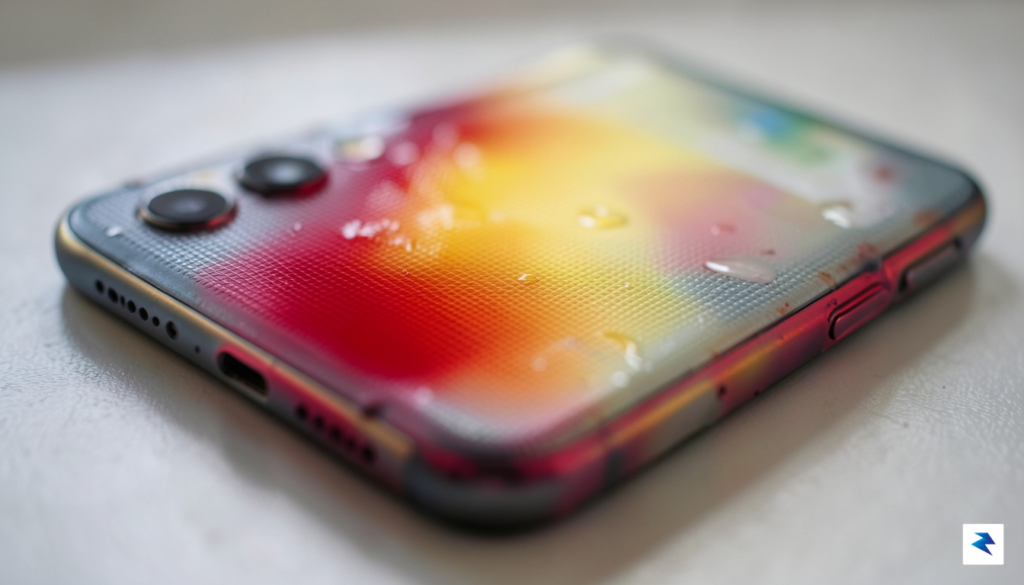
At the heart of every modern smartphone lies a sophisticated lithium-ion battery, a complex electrochemical system that relies on the movement of lithium ions between a cathode and an anode. While this technology provides the high energy density required for today’s power-hungry applications, it is fundamentally sensitive to its environment. Lithium-ion batteries function optimally within a specific temperature range, typically between 20°C and 30°C. When temperatures climb beyond these thresholds—a common occurrence during fast wireless charging—the internal chemistry begins to destabilize. This instability triggers parasitic reactions within the electrolyte, forming a thick, resistive layer known as the Solid Electrolyte Interphase (SEI). Over time, this degradation reduces the battery’s total capacity and its ability to hold a charge, effectively shortening the lifespan of your device.
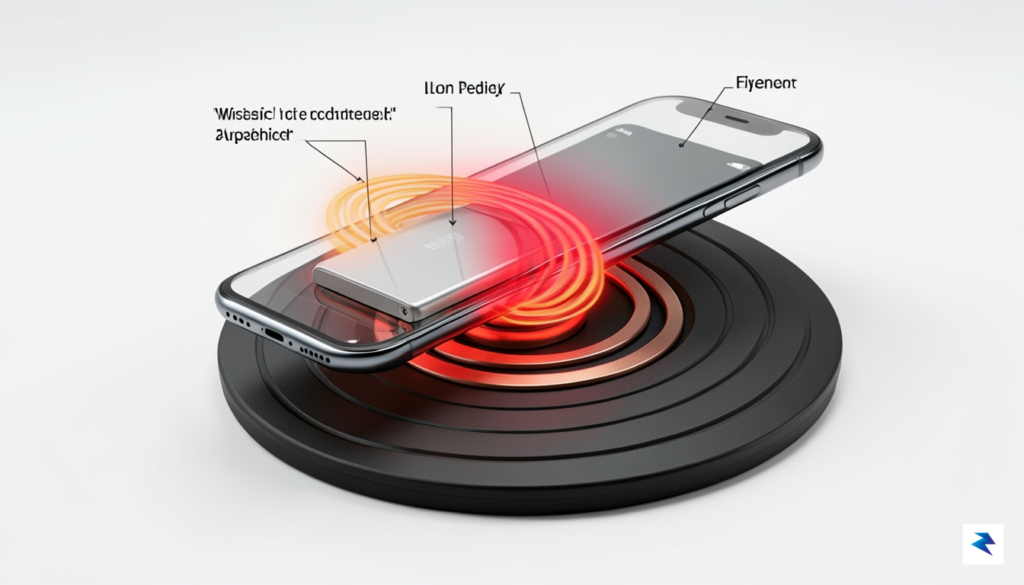
Wireless charging, while undeniably convenient, introduces a unique set of thermal challenges that wired solutions often avoid. Because energy is transferred through electromagnetic induction, a portion of that energy is inevitably lost as heat during the conversion process. Unlike wired charging, where the heat is generated primarily at the power brick or the phone’s internal charging controller, wireless induction requires the smartphone’s rear glass and internal components to act as the primary interface for energy reception. This creates a localized heat pocket exactly where the battery resides. As wattage increases to support “fast” wireless charging standards, the intensity of this thermal energy rises exponentially, forcing the phone’s internal sensors to trigger thermal throttling. This protective mechanism slows down the charging speed to prevent catastrophic overheating, ironically defeating the very purpose of using a high-wattage fast charger.
Thermal degradation is cumulative; once the internal chemical structure of a battery is compromised by sustained heat, the damage is irreversible.
Many consumers rely on passive cooling pads—often made of plastic or silicone—to manage this process, but these materials are notoriously poor conductors of heat. Because they lack active airflow, these pads essentially trap the thermal energy against the back of the phone, creating a feedback loop that exacerbates the problem. Even if the charging pad is marketed as “fast,” the lack of a cooling mechanism means the smartphone will inevitably hit its thermal ceiling long before the battery reaches a full charge. Without a dedicated method to dissipate this energy, the battery sits in a sustained state of thermal stress for the duration of the charging cycle. Ultimately, investing in a solution that integrates active cooling is not just about convenience; it is a critical step in preserving the chemical integrity of your device for years to come.
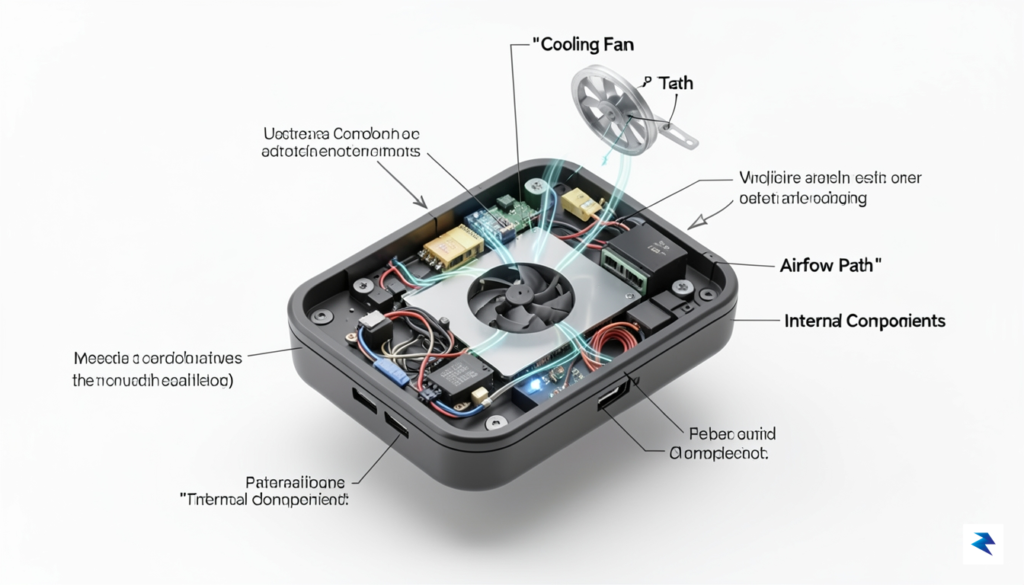
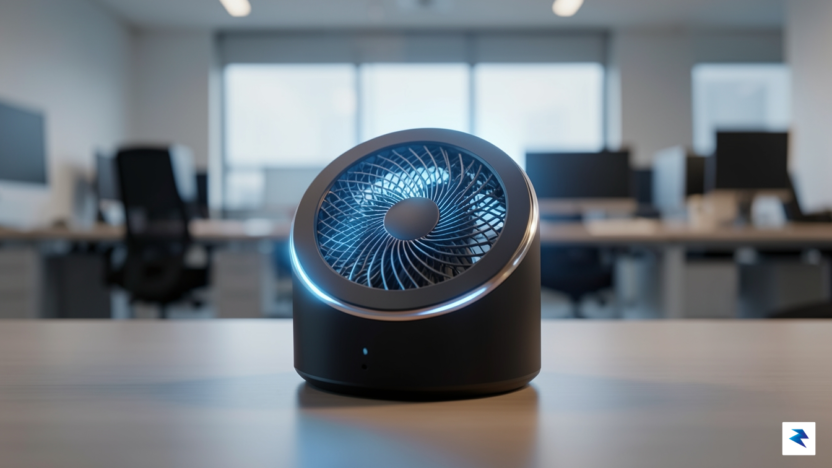
For years, the thermal management of consumer electronics was a concern primarily reserved for high-performance gaming PCs and server-grade hardware. However, as wireless charging technology has pushed toward higher wattage outputs to match the rapid-charging capabilities of wired alternatives, heat has become the primary adversary of efficiency. When a smartphone rests on a traditional passive charging stand, the internal resistance within the charging coil generates significant heat. Once the device hits its thermal threshold, the charging controller is forced to throttle power intake—often cutting speed in half—to protect the battery from heat-related degradation. Active cooling solves this by integrating a dedicated fan directly into the charging dock, creating a continuous stream of forced air that dissipates heat away from the charging coil and the rear panel of your smartphone.
The engineering behind these actively cooled docks is surprisingly elegant. By utilizing a compact, high-efficiency fan, the device draws cool ambient air and directs it across the interface between the charger and the phone. This constant airflow does more than just keep the exterior cool; it ensures that the internal charging controller remains within its optimal temperature range for the entire duration of the charging cycle. Consequently, your phone can maintain its peak wattage intake for significantly longer periods, effectively bridging the performance gap between wireless and wired charging. Instead of a fluctuating, “stair-step” charging curve, active cooling allows for a smooth, high-speed power delivery that gets you back to a full battery without the typical thermal bottlenecks.
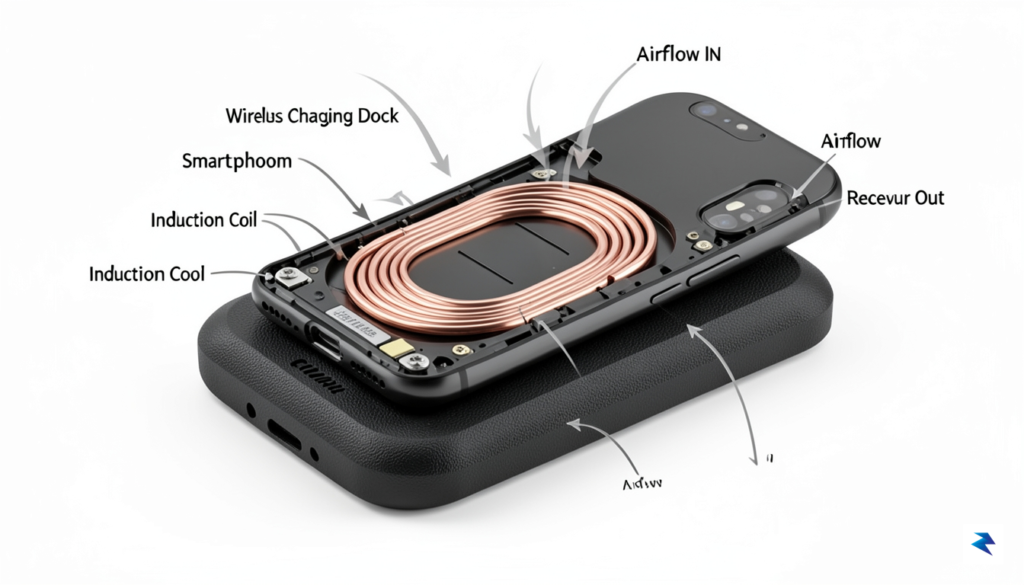
Active cooling doesn’t just prevent overheating; it maximizes the duty cycle of your phone’s charging controller, ensuring that “fast charging” actually stays fast from zero to one hundred percent.
Many users hesitate to adopt active cooling solutions due to lingering myths about noise levels and mechanical reliability. Modern desktop chargers, however, utilize fluid dynamic bearing fans that operate at whisper-quiet levels, often becoming completely imperceptible in a standard office or bedroom environment. Furthermore, these fans are designed for long-term endurance, often rated for tens of thousands of hours of continuous operation, which far exceeds the typical lifecycle of the charging stand itself. When compared to passive stands, which rely solely on heat dissipation through plastic or rubber casings, actively cooled units are demonstrably more efficient. By keeping the internal components cooler, these systems not only ensure faster charging but also help preserve the long-term health of your phone’s battery, making them a superior investment for anyone who relies on wireless power throughout the day.
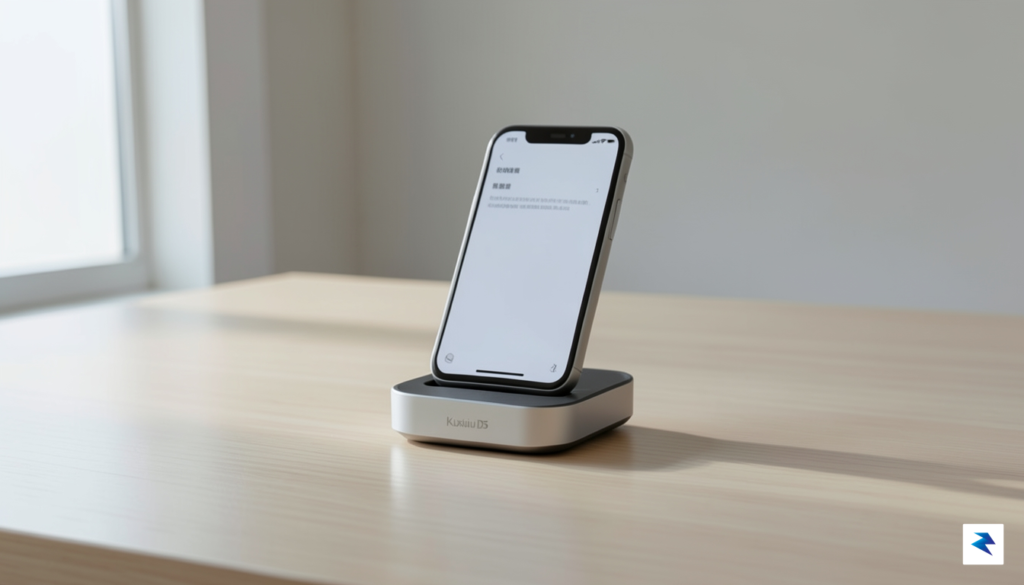
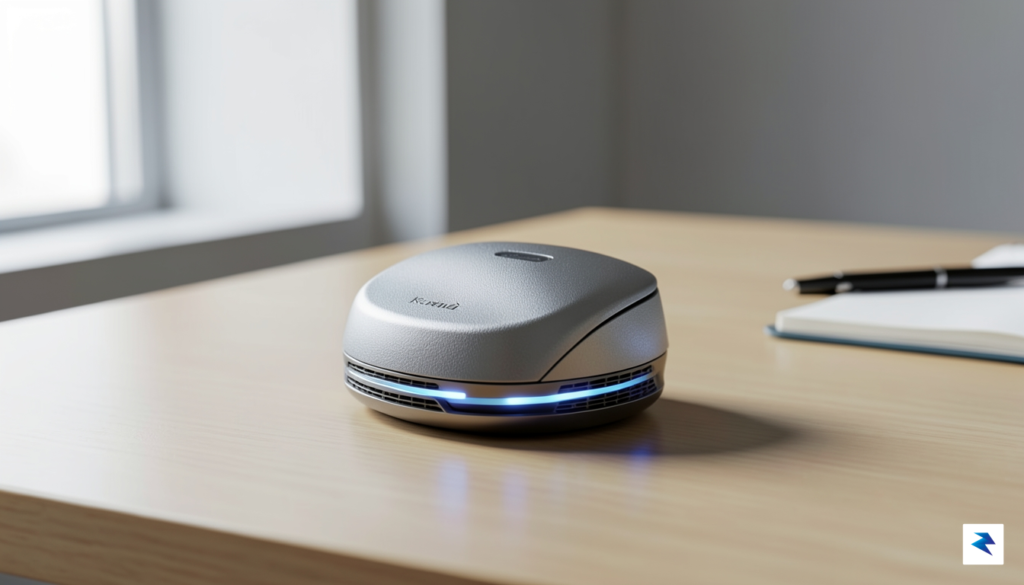
The first thing you notice when unboxing the Kuxiu D5 is the departure from the lightweight, plasticky feel of standard wireless chargers. Its industrial, all-metal construction provides a reassuring heft, ensuring the dock remains firmly planted on your desk regardless of how many times you tap your phone screen. Setup is refreshingly straightforward: the unit arrives fully assembled, requiring only a high-wattage USB-C power brick to begin operations. Once connected, the magnetic alignment of the Qi2 interface feels precise and satisfyingly robust. Unlike older magnetic chargers that can occasionally slip or require fidgeting to find the “sweet spot,” the D5 snaps the iPhone into position with an authoritative click, establishing a secure connection that hasn’t wavered once throughout a full week of heavy daily usage.
Performance metrics tell an equally compelling story. During my controlled 0-100% charging tests, the D5 maintained a steady 15W delivery with remarkable consistency. By integrating active thermal management, the device avoids the common “throttling” trap where chargers slow down once the phone’s internal battery temperature spikes. Instead, the fan kicks in almost imperceptibly, drawing heat away from the charging coil. In a quiet room, the fan noise is barely audible—a soft, low-frequency hum that is easily masked by ambient room sounds. Even when pushing the dock to its limits during intensive background tasks or while the phone is hot from GPS navigation, the fan remained unobtrusive, never becoming a distraction during deep work sessions.
The true value of the Kuxiu D5 isn’t just in its ability to fill a battery; it is in its ability to preserve long-term battery health by eliminating the heat degradation that plagues standard, passive wireless charging pads.
Stability is where the D5 truly earns its keep. The magnetic grip is strong enough to allow for confident interaction with StandBy mode, even if you are swiping through widgets or checking notifications while the phone is docked. Whether you are using a bare phone or a MagSafe-compatible case, the connection remains unshakable. After seven days of rigorous testing, it is clear that the D5 isn’t merely a desk accessory; it is a meticulously engineered tool. By balancing a premium aesthetic with practical cooling architecture, Kuxiu has created a reliable solution for users who demand both speed and longevity from their charging hardware.

The evolution from the original Qi standard to Qi2 represents a fundamental shift in how we approach wireless energy transfer. At the heart of this transition is the Magnetic Power Profile (MPP), which introduces a sophisticated ring of magnets designed to guarantee perfect coil alignment between the charger and your device every single time. In the past, wireless charging was often plagued by “misalignment drift,” where even a slight offset between the transmitter and receiver coils forced the system to work harder, converting excess energy into waste heat rather than battery capacity. By mandating precise magnetic coupling, Qi2 ensures that the maximum amount of magnetic flux is successfully converted into electricity, significantly reducing the parasitic energy losses that historically plagued older, non-magnetic wireless charging pads.
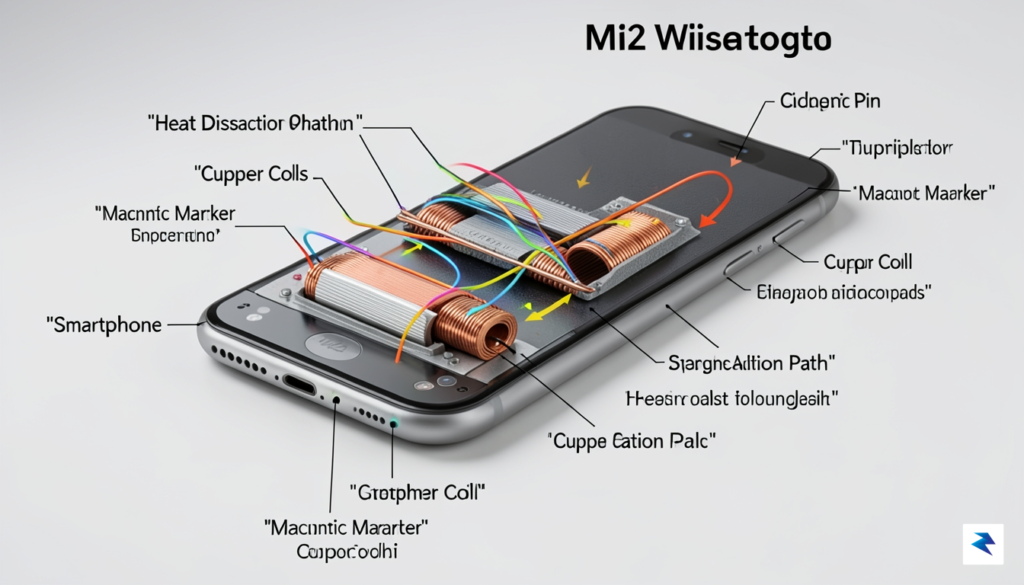
This improvement in alignment efficiency is only half the battle when it comes to thermal management. While Qi2 minimizes the initial heat generated by poor coupling, the laws of thermodynamics dictate that some energy will inevitably dissipate as heat during the high-speed charging process. This is where the synergy between Qi2 alignment and active cooling—integrated fans—becomes a game changer. By maintaining a constant, optimal alignment, the system provides a stable platform for the active cooling fan to work effectively. The fan can then whisk away the residual heat from the charging interface, preventing the thermal throttling that typically forces smartphones to slow down their charging speeds as they get warmer. When the internal components remain cool, the charger can sustain higher power throughput for a longer duration, resulting in a faster, more consistent charge cycle.
The marriage of magnetic precision and active thermal management isn’t just about speed; it is the most effective way to preserve the chemical integrity of lithium-ion batteries over several years of daily use.
Ultimately, the combination of Qi2 and active cooling offers a profound benefit for the long-term health of your device’s battery. High temperatures are the primary catalyst for chemical degradation in lithium-ion cells, and traditional wireless chargers often inadvertently accelerate this aging process by keeping the device in a perpetually warm state. Because Qi2 alignment minimizes energy waste and the fan actively mitigates the heat that does occur, your battery remains well within its preferred operating temperature range. By preventing these thermal spikes, you are effectively extending the total cycle life of your battery, ensuring that your device retains its peak capacity long after you have moved on to your next upgrade. This technical integration represents the pinnacle of modern charging convenience, balancing speed, efficiency, and hardware longevity in one seamless package.

While every smartphone undoubtedly benefits from operating at cooler temperatures, the critical question of whether an active cooling dock is a necessary addition to your daily routine hinges entirely on your personal charging habits and usage patterns. This isn’t a one-size-fits-all solution; instead, it’s an investment, typically around $60, that finds its true value in specific workflows. Understanding how you interact with your device is paramount to deciding if this specialized peripheral will offer tangible benefits worthy of its cost.
For individuals who constantly push their devices to the limit, an active cooling solution can be incredibly beneficial. This category prominently includes what we might call “power users” – those who juggle multiple resource-intensive applications simultaneously, stream high-definition content for extended periods, or engage in demanding video calls for work or social connection. Similarly, mobile gamers, who often subject their phones to sustained high CPU and GPU loads, particularly when playing graphically intensive titles, will find their device heating up significantly. When these intensive activities are combined with wireless charging, the thermal stress on the battery and internal components escalates dramatically, potentially leading to performance throttling and accelerated wear.
Even if you don’t consider yourself a heavy user during the day, your charging habits can still impact long-term battery health. Many users routinely place their phones on a wireless charger overnight, leaving them connected for many hours. While modern phones are designed with sophisticated battery management systems to prevent overcharging, prolonged exposure to even moderate heat, especially in confined spaces like a bedside table drawer or under blankets, can contribute to cumulative thermal stress. An active cooler mitigates this heat buildup during these extended charging cycles, promoting healthier battery chemistry over time and potentially extending the overall lifespan of your device.
Investing in an active cooling dock, however, involves weighing several practical considerations beyond just the potential benefits. The $60 price tag might seem modest compared to the phone itself, but it is an additional expense for a peripheral that isn’t strictly necessary for basic phone function. Furthermore, these docks often have a slightly larger footprint than standard wireless chargers, which could be a concern for minimalist setups or limited desk space. You also have to consider the potential for fan noise, although most modern solutions are designed to be remarkably quiet, it’s still an additional moving part in your environment.
To determine if an active cooling solution truly aligns with your needs, consider a quick self-assessment of your daily interactions with your device. This isn’t
When weighing the transition to an active cooling solution like the Kuxiu D5, it is essential to look beyond the novelty of a built-in fan and consider the long-term implications for your device. While traditional wireless chargers often rely on passive heat dissipation—which frequently leads to “thermal throttling” where the phone slows down its charging speed to prevent internal damage—fan-cooled units maintain a consistent temperature throughout the power delivery cycle. The trade-off is minimal: a barely audible hum that is easily masked by ambient room noise, compared to the significant gain of sustained, high-wattage charging speeds that do not plummet as your phone heats up.
For the average user, the choice comes down to a balance between convenience and hardware preservation. By keeping the battery temperature within an optimal range, you effectively mitigate the chemical degradation that occurs when lithium-ion batteries are subjected to prolonged heat. Over the lifespan of a two- or three-year upgrade cycle, this difference in thermal management can result in a noticeably higher battery health percentage, ensuring your device remains snappy and capable long after other chargers might have contributed to premature capacity loss.
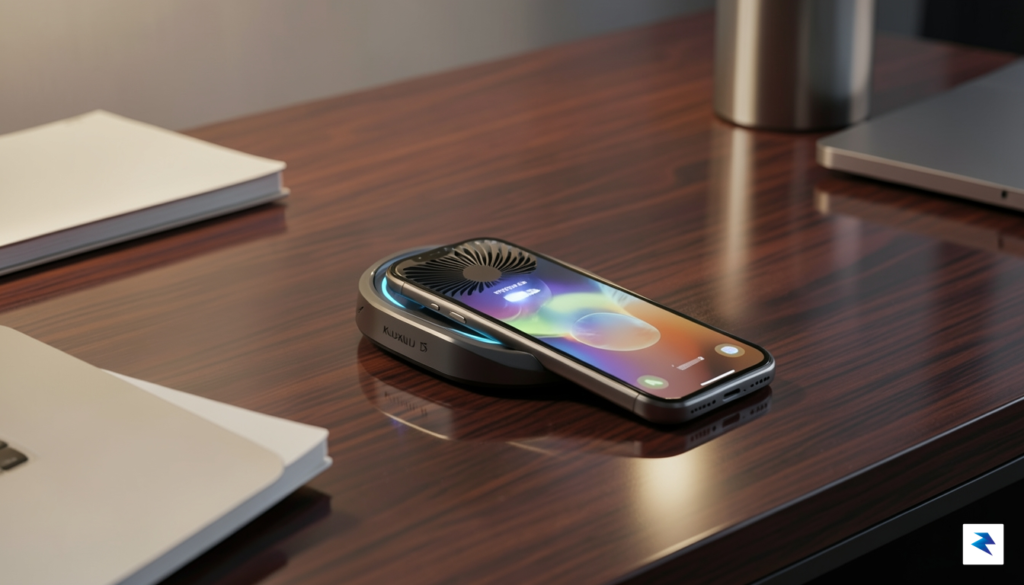
We are currently witnessing a shift in the mobile accessory market where thermal management is becoming the next great frontier. As wireless charging protocols push toward higher wattages to compete with wired speeds, heat will inevitably become the primary enemy of performance. Innovations like the active cooling found in the D5 are not merely luxury features; they are becoming necessary engineering responses to the physics of fast charging. As these components continue to shrink and become more energy-efficient, we expect to see active cooling integrated into a wider variety of desktop and travel-focused charging stations.
Key Takeaway: Active cooling is an investment in your device’s longevity. By choosing a charger that manages heat effectively, you are actively preventing the accelerated aging of your smartphone’s battery, making it a pragmatic choice for anyone who plans to keep their device for more than a year.
Ultimately, if you are a power user who prioritizes speed and values the long-term health of your smartphone, the move to a fan-cooled charger is not just recommended—it is a logical upgrade. The minor inconvenience of a slight auditory presence is vastly outweighed by the technical benefits of sustained charging rates and cooler operating temperatures. As mobile technology continues to evolve, your accessories should do more than just provide power; they should actively protect the longevity of the hardware they support.
You must be logged in to post a comment.