The Best Fourth of July Mattress Deals: Expert Picks for 2026
Why July Fourth is the Prime Time for Mattress Upgrades While many holidays throughout the year offer various retail promotions, the Fourth of…
For decades, the standard Western diet has relied heavily on the convenience of ultra-processed foods, many of which utilize synthetic preservatives to maintain shelf stability, color, and texture. While these additives have long been deemed safe by regulatory bodies in limited quantities, recent scientific investigations are beginning to challenge our understanding of their long-term physiological impact. Notably, researchers like Ritsuko Kawai have spearheaded studies that draw a direct line between the routine consumption of these chemical agents and elevated risks for hypertension and cardiovascular disease. As we peel back the layers of what actually goes into our packaged goods, it becomes clear that the convenience of a long shelf life may be coming at the expense of our arterial health.
The prevalence of these preservatives is staggering, as they are now ubiquitous in everything from morning cereals and deli meats to snack bars and canned soups. Because cardiovascular health serves as the engine of our overall longevity, any dietary factor that threatens blood pressure regulation or vascular integrity warrants serious scrutiny. When we consume these additives consistently, they do not simply pass through our systems without trace; emerging evidence suggests they may trigger systemic inflammatory responses or endothelial dysfunction. This is particularly concerning given that cardiovascular diseases remain the leading cause of mortality globally, making every lifestyle choice—especially dietary ones—a critical metric for long-term well-being.
It is important to emphasize that this conversation is not intended to incite fear or promote dietary alarmism, but rather to empower individuals with the knowledge necessary to make informed decisions. Navigating the modern grocery store can feel like an overwhelming task, yet understanding the potential risks allows consumers to prioritize whole, unprocessed foods whenever possible. By shifting our focus toward ingredient transparency, we can reclaim control over our nutritional intake and mitigate the cumulative burden placed on our hearts.
The goal of modern nutritional science is not to eliminate all convenience, but to highlight how chronic exposure to specific additives can subtly alter our cardiovascular trajectory over time.
Ultimately, the objective is to foster a more conscious relationship with the food we eat. As we learn more about the biological interactions between synthetic preservatives and our vascular system, we are better equipped to balance the realities of a busy lifestyle with the physiological needs of our hearts. By being proactive and selective about the products we bring into our homes, we can make significant strides toward protecting our cardiovascular system against the hidden costs of modern food processing.

Beyond the well-known culprits of excessive salt and sugar, a growing body of research suggests that certain chemical additives, commonly used to extend the shelf life of our foods, may be stealthily undermining our cardiovascular health. These synthetic preservatives, while convenient for food manufacturers and consumers alike, can interfere with the body’s natural and intricate mechanisms for regulating blood pressure. Understanding these physiological impacts is crucial for anyone looking to mitigate their risk of hypertension and related heart conditions, as the effects extend far beyond simple caloric intake or sodium levels.

Many synthetic preservatives have become ubiquitous in our modern food supply, often appearing in processed and packaged goods. Key examples include nitrates and nitrites, frequently found in cured meats like bacon, deli slices, and sausages, which impart color and prevent bacterial growth. Butylated hydroxyanisole (B

The journey from a packaged snack to a clinical hypertension diagnosis is rarely an overnight event; rather, it is a silent, cumulative physiological shift driven by the biochemical additives found in ultra-processed foods. While most consumers are familiar with the risks of table salt (sodium chloride), they often overlook the hidden sodium load provided by common preservatives such as sodium benzoate, sodium nitrite, and sodium phosphates. These compounds are essential for extending shelf life and preventing bacterial growth, but once ingested, they overwhelm the body’s delicate electrolyte balance. When the concentration of sodium in the bloodstream rises, the body compensates by pulling water from the cells into the blood vessels to dilute the excess salt, inevitably increasing the total volume of blood circulating through the arteries and placing significant mechanical strain on vessel walls.

This increased volume is only part of the problem. Over time, the kidneys—which serve as the body’s primary filtration system for sodium—begin to struggle under the constant barrage of these synthetic preservatives. Chronic intake of these additives can trigger a subtle, low-grade inflammation within the vascular endothelium, the protective lining of the blood vessels. As this lining becomes damaged and less flexible, the arteries lose their ability to dilate and contract properly. Consequently, the heart must exert more force to pump blood throughout the body, setting the stage for chronic hypertension. Unlike a single high-salt meal, which the body can usually manage through temporary fluid shifts, the cumulative effect of years of consuming preserved ingredients leads to permanent structural changes in the cardiovascular system.
The danger of processed food additives lies in their persistence; the body is designed to handle occasional dietary excesses, but it is not equipped to process a constant, daily influx of synthetic preservatives that alter vascular chemistry.
Furthermore, the long-term interaction between these preservatives and the gut microbiome is an emerging area of concern that complicates blood pressure regulation. Research suggests that certain additives may disrupt the healthy balance of gut bacteria, which in turn influences the production of short-chain fatty acids that help regulate blood pressure. When this delicate ecosystem is disturbed, the body’s systemic inflammatory response increases, further exacerbating the stiffness of the arterial walls. This multifaceted assault—combining osmotic pressure, endothelial damage, and metabolic disruption—explains why many individuals do not notice their blood pressure climbing until it reaches dangerous levels. By the time a clinical threshold is crossed, the cardiovascular system has often been navigating this internal stress for years, hidden beneath the surface of seemingly harmless daily eating habits.

The modern supermarket is a minefield of processed convenience, where the most dangerous ingredients are often masked by complex chemical names designed to extend shelf life at the expense of your cardiovascular health. Learning to decipher these labels is your most effective defense against the silent accumulation of heart-damaging additives. When scanning an ingredient list, prioritize looking for notorious preservatives like sodium nitrite and potassium nitrate, frequently found in cured meats, as well as benzoates and sulfites used to prevent spoilage in sodas, dried fruits, and wine. These compounds are frequently linked to systemic inflammation and vascular stress, both of which are primary precursors to hypertension.

Beyond the obvious culprits, manufacturers often employ “hidden” aliases to make a product appear more natural than it truly is. For instance, celery powder or celery juice extract is frequently used as a “natural” source of nitrates, yet it carries the same physiological risks as synthetic additives. Similarly, terms like “ascorbic acid” might sound benign, but when paired with other preservatives, they can undergo chemical reactions that aren’t necessarily heart-healthy. If a label contains a paragraph of ingredients you cannot pronounce or identify, treat it as a warning sign. A good rule of thumb is to look for the “clean label” movement’s indicators: if the ingredient list is short, features recognizable whole-food items, and lacks an abundance of artificial preservatives, you are likely making a safer choice for your blood pressure.
The most reliable heuristic for heart health is to shop the perimeter of the supermarket. By focusing your cart on fresh produce, raw meats, and whole grains found along the outer edges, you naturally bypass the dense aisles of ultra-processed goods where preservatives are most concentrated.
To further protect yourself, consider adopting a “five-ingredient rule” when browsing the center aisles: if a packaged product lists more than five ingredients, or contains additives that serve primarily as shelf-life stabilizers rather than nutritional components, it is worth reconsidering. While the convenience of pre-packaged meals is undeniable, the long-term cost to your cardiovascular system is often too high. By shifting your shopping habits toward fresh, unprocessed ingredients, you reclaim control over what enters your body, effectively stripping away the hidden risks that modern food technology has introduced to our diets.
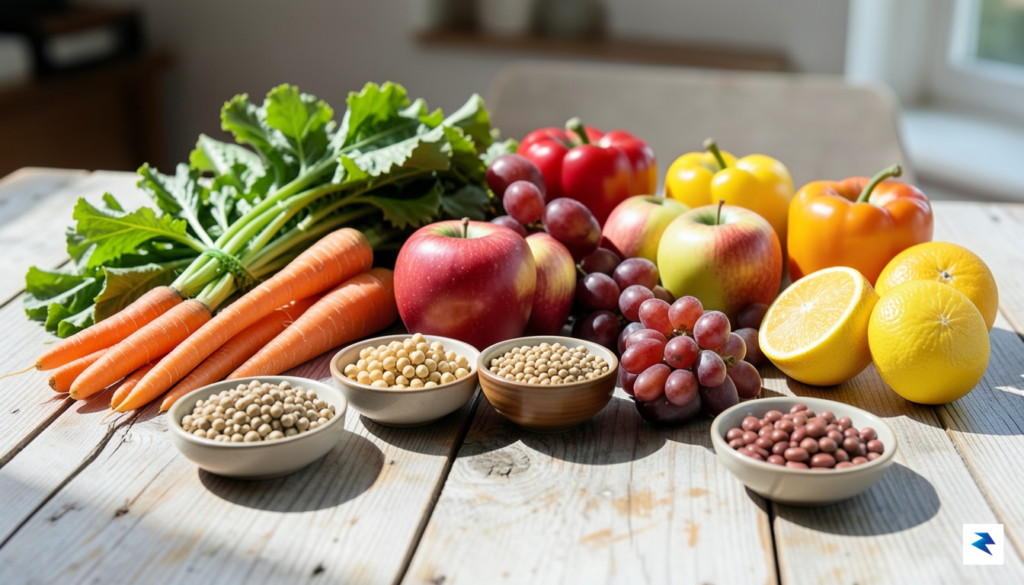
Shifting towards a diet rich in whole, unprocessed foods is arguably the most impactful step you can take to reduce your intake of food preservatives and foster a healthier heart. This isn’t about embarking on a restrictive, unsustainable diet, but rather embracing a lifestyle where the majority of your plate comes from ingredients that naturally don’t require chemical additives to extend their shelf life. By making mindful choices, you gain greater control over what enters your body, inherently minimizing exposure to compounds potentially linked to elevated blood pressure and cardiovascular issues. These practical adjustments are designed to be integrated seamlessly into your daily routine, providing lasting benefits without demanding a total overhaul of your current eating habits.
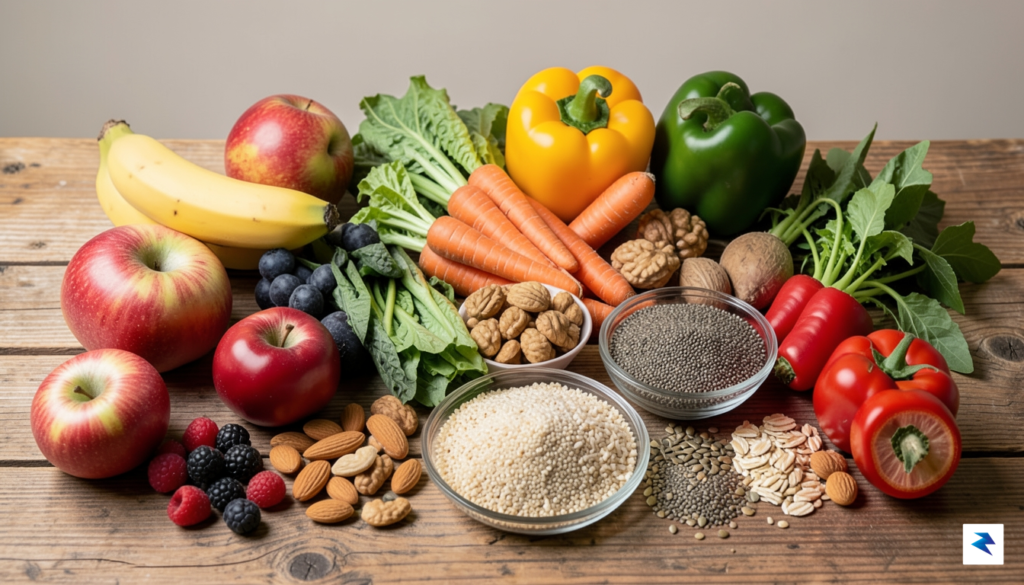
One of the most significant changes involves transitioning from reliance on highly processed, ready-to-eat meals to preparing more food at home. Think about the convenience foods often found in the frozen aisle or pre-made deli sections—these are typically laden with various preservatives to maintain their palatability and safety over extended periods. Instead, consider dedicating time to cooking simple, fresh meals from scratch, which allows you to select wholesome ingredients and avoid unnecessary additives altogether. For instance, whipping up a batch of homemade soup with fresh vegetables and lean protein offers superior nutritional value compared to its canned counterpart, which often contains high levels of sodium and synthetic preservatives, giving you full command over your ingredients.
Similarly, rethinking your snack choices can yield substantial benefits for your heart health. Many pre-packaged snacks, from crackers and chips to certain granola bars, often contain a cocktail of preservatives designed to keep them fresh and appealing for months on end. A simple yet powerful swap is to opt for whole, unprocessed snacks like fresh fruits, raw vegetables with hummus, a handful of unsalted nuts, or plain Greek yogurt. These natural alternatives not only provide essential vitamins, minerals, and fiber but also completely bypass the need for artificial colors, flavors, and shelf-life extenders that might contribute to health concerns, ensuring your body receives nourishment from its purest form.
Adopting a whole-food approach doesn’t necessarily mean breaking the bank; effective meal planning can actually be quite budget-friendly. Prioritize purchasing seasonal produce, which is often more affordable and at its peak in terms
You must be logged in to post a comment.