
Is the Universe Lumpy? New Data Challenges the Core Pillars of Cosmology
The Cosmological Principle: A Universe in Perfect Balance For nearly a century, the architectural blueprint of modern astronomy has rested…
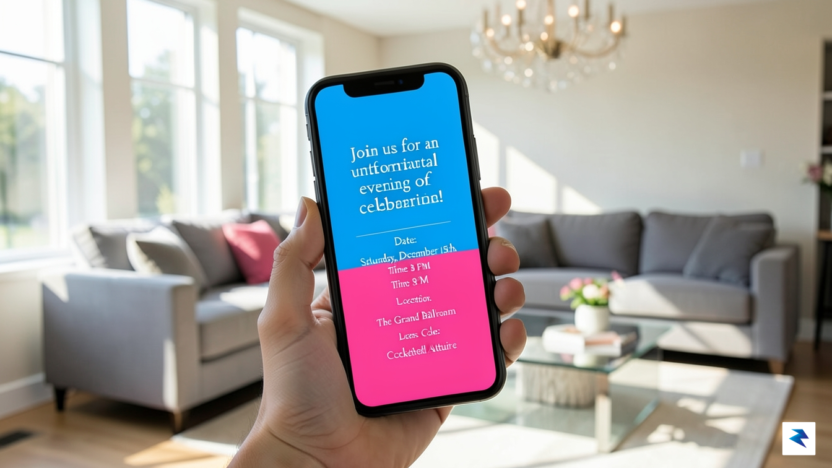

The art of gathering has undergone a seismic shift, moving away from the tactile formality of mailed invitations and the overwhelming entropy of endless group threads. For years, the modern host was trapped in a digital purgatory: either relying on the bloated, ad-heavy infrastructure of legacy platforms like Facebook Events, or resorting to disorganized text chains that inevitably spiraled into confusion. These traditional methods failed because they prioritized broad connectivity over the actual utility of coordination. As our social lives became increasingly mobile and spontaneous, the friction inherent in these legacy systems—where RSVPs were easily buried and details were perpetually scattered—became a significant barrier to hosting rather than a facilitator of it.
This widespread group chat fatigue is not merely a minor annoyance; it represents a fundamental mismatch between our sophisticated digital tools and the simple human need for connection. When a party invitation is buried beneath hundreds of unrelated memes, logistics messages, and fragmented side conversations, the excitement of the event is dampened by the administrative burden required to confirm attendance. The modern host is no longer looking for a cluttered social network that tracks their data; they are looking for a frictionless, high-design interface that treats an event like a curated experience rather than a data point. This psychological shift reflects a desire for intentionality, where the aesthetic presentation of an invitation is just as important as the ease of clicking “yes.”
Consequently, user experience design has emerged as the new frontier of social interaction. We have entered an era where the platform itself acts as a silent concierge, automating the tedious tasks of guest list management, reminders, and address dissemination. By minimizing the cognitive load on both the host and the guest, platforms like Partiful have tapped into a specific modern demand: the need for low-friction, high-impact social planning. This transition toward mobile-first, visual-heavy coordination tools signals a broader move away from the “broadcast” style of social media and toward the “intimate” style of private community building. In this new landscape, the value is defined not by how many people see an event, but by how effortlessly the host can transform a vague idea into a tangible, well-attended reality.
The true measure of a modern event tool is not how much attention it demands, but how much friction it removes from the act of coming together.
Ultimately, the success of these new-age planners rests on their ability to make the administrative side of hosting feel invisible. By replacing the chaotic sprawl of traditional messaging with a sleek, singular destination, these tools honor the host’s vision while respecting the guest’s time. As we continue to prioritize experiences over static social feeds, the tools we use to organize those experiences must remain as fluid and dynamic as the events themselves, ensuring that the technology facilitates the party rather than complicating it.
Partiful emerged not merely as another digital invitation service, but as a thoughtful reimagining of how people connect and celebrate. It recognized that the traditional process of organizing a social gathering, from the initial concept to post-event buzz, was riddled with friction and distractions. Instead of simply porting paper invites online or adding event features to existing social media giants, the platform meticulously stripped away the extraneous noise of conventional social networks, focusing intensely on refining the core experience for both the person throwing the party and their esteemed guests. This lean, purposeful approach fundamentally shifted the paradigm of event coordination, making it less about public performance and more about genuine connection.
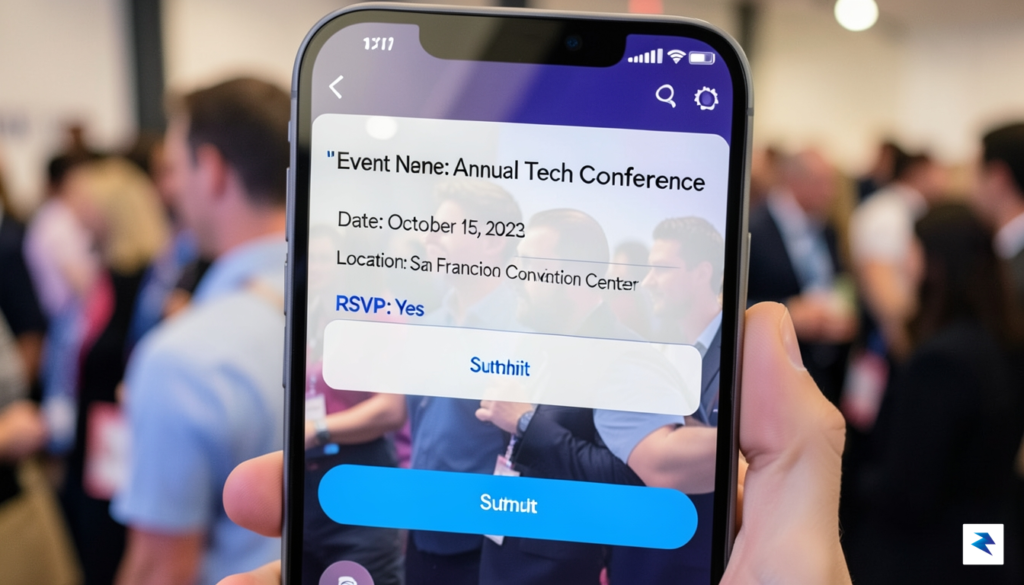
At its heart, Partiful champions a frictionless host experience. Creating an event is remarkably intuitive, allowing hosts to craft visually appealing invitations with minimal effort, bypassing the often-clunky interfaces of older platforms. The RSVP process itself is a testament to simplicity: guests can confirm their attendance with a single click, eliminating the need for account creation or navigating convoluted menus. This streamlined approach significantly reduces the barrier to entry for both hosts and guests, ensuring that the focus remains squarely on the event itself rather than the mechanics of getting people there. It empowers hosts to manage their guest list effortlessly, providing clear oversight without overwhelming them with unnecessary features, thereby simplifying what was once a tedious administrative task.
Beyond the initial invite, Partiful’s integrated messaging system stands out for its elegant balance of utility and discretion. Unlike sprawling group chats that quickly devolve into a cacophony of notifications and irrelevant chatter, Partiful’s communication tools are designed to be event-centric and unobtrusive. Hosts can disseminate important updates, share last-minute details, or send general messages directly to their guest list, ensuring everyone receives crucial information without the usual social media noise. This focused communication fosters a sense of anticipation and engagement among attendees, allowing for practical exchanges about logistics or shared excitement for the upcoming gathering, all within a contained and context-relevant environment that respects guests’ digital well-being.
Perhaps one of Partiful’s most distinctive contributions is its ‘vibe-first’ design language and its deliberate rejection of public social validation metrics. The platform eschews “like” counts, comment sections, and public attendee lists, which often inject an element of performance and anxiety into social interactions. Instead, Partiful prioritizes creating an authentic, intimate atmosphere even before the event begins, through customizable aesthetics and a focus on the core details of the gathering. This intentional removal of external pressures allows guests to engage more genuinely, free from the subconscious burden of curating an image or competing for digital approval, ultimately fostering a more relaxed and enjoyable environment for everyone involved.
By meticulously addressing these fundamental pain points, Partiful has carved out a unique niche in the crowded digital landscape. It’s not just about sending an invitation; it’s about curating an experience from start to finish. The combination of effortless hosting tools, integrated yet uncluttered communication, and a design philosophy that champions authenticity over digital metrics, collectively delivers a powerful value proposition. It empowers individuals to organize meaningful gatherings with ease and confidence, while simultaneously enabling guests to participate freely and genuinely, making the entire social coordination journey more enjoyable and less daunting for everyone involved.

The seamless experience of coordinating a weekend gathering through a sleek, frictionless interface often masks the underlying engine that powers such convenience. While users gravitate toward platforms that eliminate the friction of email chains and messy group texts, the transition of these niche tools into enterprise-scale platforms necessitates a closer look at the business models fueling them. As these apps mature, the industry trend leans heavily toward data monetization, transforming simple RSVP lists into treasure troves of behavioral insights. When a service is free, the currency is almost invariably the granular data points describing who we know, where we gather, and how we choose to spend our leisure time.
This reality forces a difficult conversation about the ethical implications of data collection within the social planning ecosystem. Unlike traditional social media, where data is often harvested for broad advertising profiles, party-planning apps capture intimate details about real-world social circles and geographic proximity. There is a palpable tension between the app’s utility—making our personal lives easier—and the potential for this data to be utilized in ways that extend far beyond simple event logistics. When platforms begin exploring partnerships with third-party data providers or analytical firms, the gap between what a user expects from a party planner and how their information is actually leveraged can widen significantly.
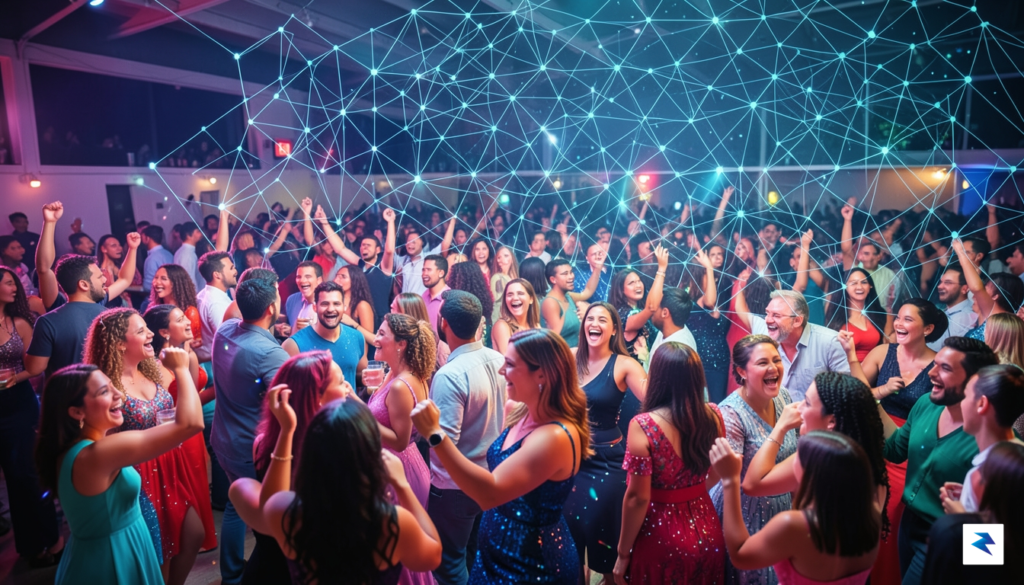
To maintain user trust, startups must navigate a transparency gap that often plagues the tech industry. Users are rarely afforded a clear view into how their social graph—the map of their friendships and recurring social habits—is treated as a corporate asset. While direct advertising is the most visible form of monetization, the more subtle threat lies in the aggregation of insights that can predict consumer behavior or influence social trends. If a platform opts for monetization through these deep insights rather than intrusive, banner-style ads, it creates a “black box” scenario where the user loses visibility into the value being extracted from their personal interactions.
True privacy in the digital age is not merely about hiding personal information; it is about maintaining autonomy over how our social connections are mapped, analyzed, and eventually monetized by the platforms we invite into our most private moments.
Ultimately, the long-term viability of a tool like Partiful depends on whether it views its users as customers or as commodities. As the pressure to scale and generate revenue mounts, the temptation to capitalize on the rich, high-fidelity data of private events will become increasingly difficult to ignore. Users are left to weigh the immediate benefit of a perfectly organized birthday or dinner party against the long-term trade-offs of digital privacy. If the platform continues to prioritize user-centric design while remaining radically transparent about its data practices, it may manage to sustain its appeal. However, should it drift toward the aggressive data-harvesting models common in today’s tech landscape, the very community that propelled its growth may soon begin to look for more private alternatives.
Every successful social application eventually reaches a critical inflection point where the initial joy of rapid growth must reconcile with the cold reality of long-term financial sustainability. For Partiful, the transition from a viral, user-centric tool to a viable business model is the ultimate test of its founding ethos. The platform currently thrives on a frictionless, aesthetic-first experience that feels refreshingly devoid of the clutter typical of legacy event planners. However, as the user base expands, the pressure to monetize inevitably increases, forcing the developers to choose between subtle premium features, corporate event partnerships, or more invasive data-driven strategies. This crossroads is where many platforms risk losing the very “magic” that made them popular in the first place.
The danger lies in what industry experts often call the expiration of the “enchantment phase.” During this honeymoon period, a platform prioritizes utility and user experience above all else, often subsidizing operations through venture capital to build a loyal community. Once that phase ends, the shift toward advertiser-centric metrics—such as time-on-site, click-through rates, and data harvesting—can quickly alienate the core demographic. We have witnessed this cycle repeatedly in the tech sector, where platforms that once felt like digital town squares gradually transform into billboard-heavy environments. If Partiful pivots toward aggressive ad-targeting or paywalls that restrict essential event management, it risks shattering the casual, communal atmosphere that defines its current brand identity.
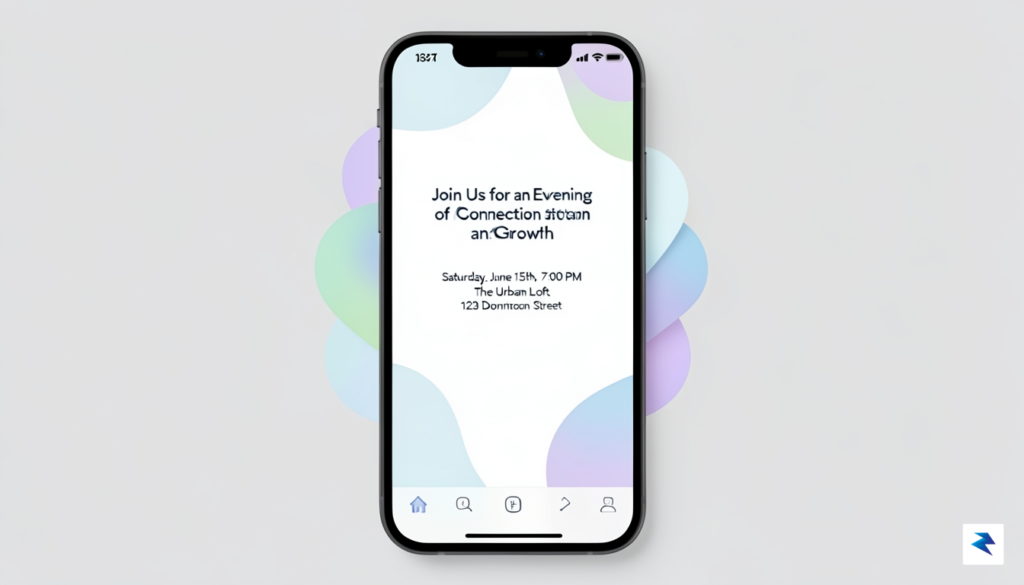
The true challenge for a platform like Partiful is to monetize the experience without commodifying the relationships that the platform was built to facilitate.
To avoid the pitfalls of its predecessors, Partiful might explore alternative business models that align incentives with its users rather than against them. For instance, a tiered subscription model for power users or businesses—offering advanced analytics, custom branding, or integrated ticketing services—could provide a steady revenue stream while keeping the base product accessible for casual gatherings. This strategy would allow the company to maintain its commitment to privacy and user experience, effectively avoiding the “enshittification” that occurs when a platform prioritizes shareholders over its community. By focusing on value-added services rather than selling attention, Partiful could set a new standard for how social tech companies sustain themselves in the modern digital economy.
Ultimately, the company’s trajectory will depend on whether it views its users as a product to be sold or as a community to be supported. If the leadership team can resist the siren song of quick, high-margin advertising revenue and instead focus on building a robust ecosystem of tools, they may be able to retain their competitive edge. The history of social tech is littered with the corpses of once-beloved apps that traded their integrity for short-term profit growth. If Partiful can successfully navigate this delicate balance, it might just prove that a social platform can be both a profitable venture and a genuinely helpful member of our digital social lives.

The core challenge facing Partiful as it transitions from a niche social tool to a mainstream utility is the delicate balancing act between rapid expansion and the preservation of its original, low-stakes intimacy. The platform’s meteoric rise was fueled by an aesthetic and functional simplicity that felt like an antidote to the cluttered, high-pressure environments of Facebook Events or Evite. However, as the user base swells, the risk of “corporate creep”—where monetization strategies or feature bloat begin to overshadow the user experience—becomes increasingly palpable. If the platform prioritizes aggressive growth metrics over the organic, trust-based interactions that define its current vibe, it may inadvertently alienate the very community that championed its early, grassroots success.
To remain relevant in a crowded social tech ecosystem, Partiful must innovate beyond the basic RSVP function without sacrificing the platform’s signature ease of use. The danger lies in attempting to become a “super-app” for event management, which often results in friction and the loss of the casual, spontaneous spirit that makes a party feel authentic. Instead, the developers must focus on deepening the social fabric of the platform—perhaps by refining how users discover events or fostering more meaningful post-event connection—while strictly maintaining the privacy and low-pressure atmosphere that users currently enjoy. Trust is a fragile currency in the digital age, and any misstep regarding user data or intrusive notifications could jeopardize the platform’s standing as the “cool, reliable friend” of the digital party scene.

The longevity of a platform like Partiful depends not on how many events it can host, but on its ability to remain the preferred gathering place for authentic, real-world human connection.
Ultimately, Partiful’s success will hinge on its ability to scale its infrastructure while keeping its “soul” intact. If it can successfully navigate the transition from a viral sensation to an essential social utility by keeping the focus on the event, rather than the platform itself, it may well define the next generation of digital socializing. However, should it drift toward the cluttered, ad-heavy models of its predecessors, it risks becoming just another digital space that users visit out of necessity rather than delight. The verdict is clear: if Partiful stays true to its mission of simplifying real-world connection, it has the potential to cement itself as a permanent fixture in our social lives. If it loses sight of that intimacy in pursuit of scale, it will inevitably leave the door open for the next simple, beautiful tool to take its place.
You must be logged in to post a comment.