How Autonomous Ground Vehicles Are Changing the Front Lines in Ukraine
The Evolution of Autonomous Combat Logistics For decades, the logistical backbone of any military operation has been its supply convoys, a…


The Homeland Security Information Network (HSIN) serves as a vital digital backbone for collaboration across various government agencies at federal, state, local, tribal, and territorial levels, as well as with private sector partners. Essentially, it’s a secure platform designed to facilitate the sharing of sensitive but unclassified information related to homeland security, including threat intelligence, situational awareness, and operational planning. This network is instrumental in coordinating responses to everything from natural disasters to potential terrorist threats, ensuring that diverse entities can communicate and act cohesively in critical situations. Its primary purpose is to enhance information sharing, thereby strengthening national security and emergency preparedness efforts across the nation.
The Department of Homeland Security (DHS) recently confirmed a security incident impacting the HSIN platform. While the exact timeline of the initial intrusion remains part of an ongoing investigation, federal officials identified suspicious activity within the network, prompting an immediate and thorough review. It is crucial to emphasize that HSIN is designated for sensitive but unclassified information, meaning no classified national security data was housed on the affected systems. This distinction is significant as it helps to frame the potential implications and the scope of the exposure, reassuring the public about the nature of the compromised data.
Upon discovering the breach, DHS initiated its established protocols for cybersecurity incidents. This involved isolating the affected segments of the network, deploying incident response teams to assess the damage, and beginning forensic analysis to understand the nature and extent of the unauthorized access. Furthermore, the department moved swiftly to notify relevant stakeholders and agencies that utilize HSIN, ensuring they were aware of the situation and could take their own precautionary measures. The acknowledgment process underscores the federal government’s commitment to transparency when facing cybersecurity challenges, even when dealing with sensitive internal systems that are critical for national security coordination.
Currently, federal officials have confirmed that the breach involved data typically exchanged on the HSIN platform. This can include operational reports, threat assessments, contact information for personnel across agencies, and details pertaining to joint operations or exercises. The full list of compromised data elements is still under active investigation, as forensic experts work to meticulously identify precisely what information was accessed or exfiltrated by the unauthorized actors. While no classified information was involved, the breach of sensitive operational data still presents a significant concern regarding inter-agency coordination and the privacy of individuals whose details might have been stored on the network. The DHS continues to provide updates as more definitive information becomes available, ensuring a measured and factual approach to understanding the incident’s true impact.

The Homeland Security Information Network (HSIN) stands as a cornerstone of national security, representing a critical effort to bridge communication gaps that became glaringly apparent in the wake of the 9/11 attacks. Conceived to foster seamless collaboration, HSIN serves as the primary unclassified, yet secure, platform for sharing sensitive but unclassified information (SBU) among federal, state, local, tribal, and territorial government agencies, as well as private sector partners. Its fundamental purpose is to enable a unified response to a spectrum of threats and hazards, ranging from natural disasters to acts of terrorism, by providing a common operational picture and facilitating timely intelligence exchange. This centralized hub ensures that vital data, ranging from threat advisories to resource availability, reaches the right hands at the right moment, thereby enhancing situational awareness across the entire homeland security enterprise.
During an unfolding crisis, HSIN transitions from a daily operational tool to an indispensable lifeline. Imagine a major hurricane bearing down on the coast, or a complex cyberattack targeting critical infrastructure; HSIN becomes the digital command center where disparate agencies converge. It facilitates real-time communication channels, allowing emergency managers to coordinate evacuation efforts, law enforcement to track evolving threats, and public health officials to disseminate vital safety information. Furthermore, incident commanders can leverage HSIN to request specific resources, track their deployment, and share critical intelligence updates, ensuring that every entity involved in the response operates with the most current and comprehensive understanding of the situation. This dynamic capability streamlines decision-making and significantly enhances the efficacy of multi-jurisdictional incident response.
The sheer breadth of HSIN’s user base underscores its pervasive influence across the security landscape. Its network extends far beyond federal agencies like the Department of Homeland Security (DHS) or the Federal Bureau of Investigation (FBI), encompassing thousands of state and local law enforcement departments, fire and rescue services, emergency medical personnel, and public health organizations. Beyond government, critical infrastructure owners and operators—from energy grids and water utilities to financial institutions and transportation networks—also rely on HSIN to receive threat intelligence and coordinate protective measures. This extensive and interconnected community means that a vast array of individuals, from a local police chief to a corporate security director, depend on HSIN for actionable intelligence and collaborative tools, making it a truly comprehensive nexus for national security information sharing.
Given its expansive reach and pivotal role, it becomes clear why a network like HSIN represents an exceptionally high-value target for adversaries. While the information shared on HSIN is technically “unclassified,” its aggregated nature and timeliness can provide foreign intelligence services, cybercriminals, or even state-sponsored actors with invaluable insights. Access to HSIN could reveal vulnerabilities in emergency response protocols, expose the operational capabilities and coordination mechanisms of various agencies, or even allow for the pre-positioning of disinformation during a crisis. Such a compromise could disrupt essential services, erode public
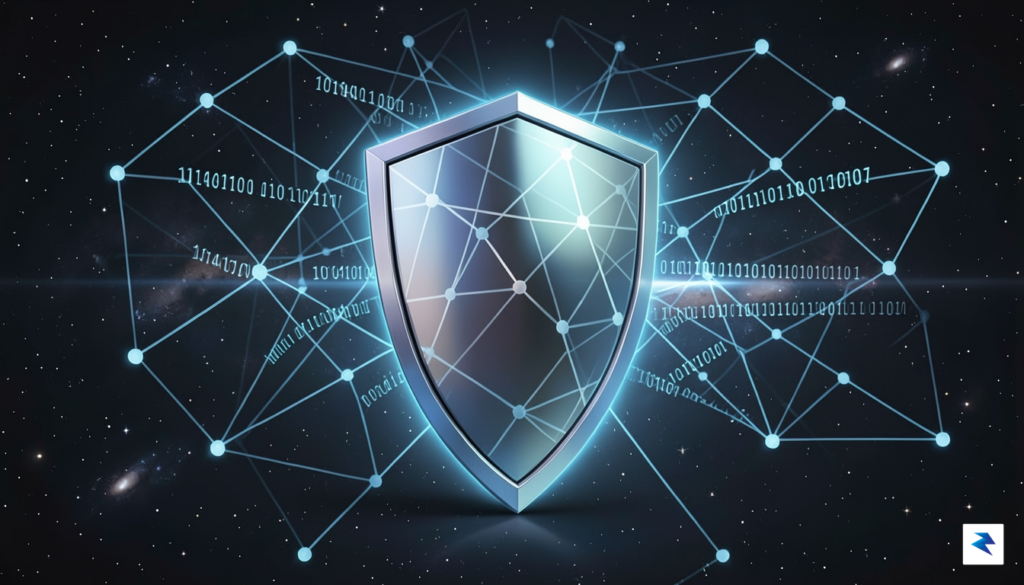
The recent confirmation of a breach affecting a key homeland security information network serves as a potent reminder of the inherent complexities and persistent vulnerabilities within collaborative digital ecosystems. These platforms, often designed to facilitate rapid information sharing across diverse government agencies, private sector partners, and even international entities, are built on an intricate web of trust. However, this very reliance on trust, while essential for operational efficiency and responsiveness, paradoxically introduces systemic vulnerabilities. When multiple jurisdictions and organizations connect, each with varying security postures, protocols, and IT maturity levels, the collective attack surface expands dramatically, making the entire network susceptible to the weakest link. This incident vividly illustrates how a compromise within any segment of this distributed trust model can cascade, eroding confidence and potentially exposing sensitive information across the broader collaborative framework.
Securing platforms that involve a multitude of external users presents an exceptionally difficult challenge. Unlike traditional, tightly controlled internal networks, collaborative environments thrive on broad access and seamless interaction, especially critical during crises or large-scale operations. Yet, every single external user, whether from a state agency, a critical infrastructure provider, or a non-governmental organization, represents a potential entry point for adversaries. Managing consistent security policy enforcement, conducting rigorous user access reviews, and implementing real-time threat monitoring across such a diverse and often transient user base becomes an enormous undertaking. The sheer volume and variety of users make it incredibly difficult to maintain a uniform security baseline, creating a dynamic and often porous perimeter that demands continuous vigilance and adaptive defense strategies.
This incident will undoubtedly act as a catalyst, significantly influencing future federal cybersecurity standards and practices. We can anticipate a heightened emphasis on strengthening contractual requirements and security mandates for all third-party vendors and partner organizations granted access to sensitive government networks. This push will likely lead to more stringent security certifications, mandatory regular audits, and a greater demand for transparent security reporting from all entities participating in information-sharing initiatives. Furthermore, there will be an accelerated shift towards zero-trust architectures, where no user or device, internal or external, is automatically trusted. Expect expanded implementation of robust multi-factor authentication (MFA) for virtually all access points and enhanced data segmentation strategies designed to contain and limit the “blast radius” of any future compromise, moving beyond mere perimeter defense to build resilience from within.
A crucial and often contentious aspect of securing these networks is striking the right balance between ease of access for emergency responders and the necessity of rigorous authentication. In high-stakes situations, such as disaster relief or counter-terrorism efforts, rapid and unimpeded access to critical information can be a matter of life and death. The need for speed often clashes directly with the meticulous, multi-layered authentication protocols required for ironclad security. The challenge

Following the discovery of unauthorized access within the Homeland Security Information Network, federal authorities swiftly initiated a robust and multi-faceted incident response protocol. This comprehensive approach is designed not only to manage the immediate aftermath but also to meticulously secure the environment against future incursions. The initial phase focused on containment, isolating affected systems and segments of the network to prevent further data exfiltration or lateral movement by the threat actors. This critical step involved deploying advanced forensic tools to map the extent of the compromise and identify the entry vectors, ensuring that the breach was not allowed to expand beyond its initial footprint.
A pivotal player in these efforts is the Cybersecurity and Infrastructure Security Agency (CISA), an operational component of the Department of Homeland Security itself, tasked with safeguarding the nation’s critical infrastructure from cyber threats. CISA’s experts immediately integrated into the response team, lending their unparalleled expertise in federal network security and threat intelligence. Their role encompasses providing technical assistance, analyzing sophisticated attack methodologies, and offering strategic guidance to fortify the affected systems. Furthermore, CISA facilitates vital information sharing across government agencies and private sector partners, ensuring that lessons learned from this incident contribute to a stronger collective defense against evolving cyber adversaries.
Central to the recovery efforts is an intensive process of threat hunting and credential remediation. Threat hunting involves a proactive, iterative search across the network for any lingering malicious activity, hidden backdoors, or indicators of compromise that might have been missed during initial detection. This deep dive aims to eradicate every trace of the intruder. Simultaneously, all potentially compromised user accounts and administrative credentials are being rigorously reviewed and remediated. This typically includes invalidating old passwords, enforcing mandatory strong password resets, and rolling out enhanced multi-factor authentication (MFA) across all critical systems, thereby significantly reducing the risk of re-entry via stolen login information. Analysts are meticulously sifting through extensive log data and network traffic to identify any unusual patterns or unauthorized access attempts that could indicate persistent threats.
Beyond immediate remediation, significant efforts are underway to implement updated security patches and enhance the overall network architecture. Any identified vulnerabilities that facilitated the breach are being swiftly addressed through the deployment of the latest security updates and configuration changes. This includes hardening firewalls, intrusion detection and prevention systems, and endpoint security solutions. The incident has also prompted a thorough review of existing security policies and procedures, leading to the implementation of more stringent access controls and enhanced monitoring capabilities. The goal is to not only restore network integrity but to elevate the security posture, making the Homeland Security Information Network more resilient against future sophisticated cyberattacks.


The recent compromise of a critical government information network serves as a stark reminder that even the most fortified systems are not impervious to sophisticated cyber threats. This incident underscores the urgent need for organizations, especially those handling sensitive data, to critically reassess and significantly enhance their security postures. Moving beyond traditional perimeter defenses, the focus must now shift towards building inherently resilient infrastructures capable of withstanding persistent and evolving adversarial tactics. The path forward involves adopting cutting-edge security paradigms and integrating them into every layer of an organization’s digital ecosystem.
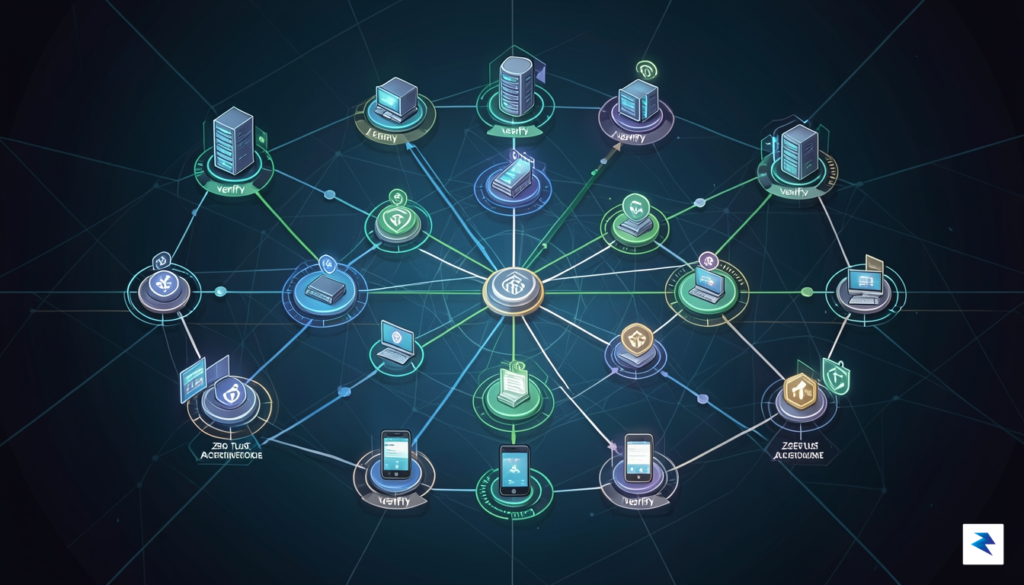
One of the most profound shifts in cybersecurity strategy is the widespread adoption of a Zero Trust architecture, a framework that fundamentally alters how access is granted and managed. Departing from the outdated “trust but verify” model, Zero Trust operates on the principle of “never trust, always verify,” meaning no user, device, or application is inherently trusted, regardless of its location relative to the network perimeter. Every access request is rigorously authenticated, authorized, and continuously validated before access to resources is granted. This approach is particularly vital for sensitive information-sharing platforms, as it drastically reduces the attack surface and significantly limits lateral movement for attackers who manage to breach an initial defense.
Implementing Zero Trust involves segmenting networks, enforcing least-privilege access, and micro-segmentation, which isolates critical resources and ensures that even compromised credentials offer minimal access. Organizations must invest in robust identity and access management (IAM) solutions, alongside advanced analytics, to monitor all activity continuously. This comprehensive strategy ensures that every interaction within the network is treated as potentially hostile, thereby providing a much stronger defense against insider threats and sophisticated external attacks.
While Zero Trust sets the architectural foundation, Multi-Factor Authentication (MFA) stands as a crucial pillar for identity verification, especially within government networks. Relying solely on passwords, which are frequently compromised through phishing or brute-force attacks, is no longer a viable security strategy in today’s threat landscape. MFA requires users to provide two or more verification factors from independent categories, such as something they know (password), something they have (security token, smartphone app), or something they are (biometrics like fingerprint or facial scan). This layered verification significantly complicates unauthorized access attempts, even if an attacker manages to steal a password.
For government entities managing national security or citizen data, the implementation of strong, pervasive MFA is non-negotiable across all systems and user accounts. This includes not just external-facing services but also internal applications and administrative access points. Advanced forms of MFA, such as adaptive MFA that analyzes contextual data like location, device, and time of access, can further enhance security by dynamically adjusting authentication requirements based on perceived risk. By making it exponentially harder for attackers to impersonate legitimate users, MFA acts as a critical deterrent against credential theft, a common vector for network breaches.
Beyond proactive architectural and authentication enhancements, the ability to detect and respond to threats in real-time is paramount for organizational resilience. Continuous monitoring involves the constant surveillance of an organization’s entire IT infrastructure, including networks, endpoints, applications, and user behavior, for signs of malicious activity. This goes far beyond periodic security audits, embedding vigilance into daily operations through advanced Security Information and Event Management (SIEM) systems and Endpoint Detection and Response (EDR) tools. These systems collect and analyze vast amounts of log data and network traffic, using behavioral analytics and artificial intelligence to identify anomalies that might indicate a breach in progress.
Effective continuous monitoring enables rapid detection of threats, significantly reducing the dwell time of attackers within a network. Once an anomaly is flagged, a well-defined incident response plan must be immediately activated, allowing security teams to contain, investigate, and remediate the threat swiftly. Investing in a robust security operations center (SOC), whether in-house or outsourced, equipped with skilled analysts and advanced tools, is essential for maintaining this continuous state of readiness. This proactive, always-on vigilance is critical for protecting sensitive information-sharing networks from the stealthy and persistent attacks characteristic of modern cyber warfare.
The breach of a major government network serves as a potent catalyst for change, highlighting that security is not a static destination but a continuous journey of adaptation and improvement. Organizations must move beyond basic compliance and embrace a proactive, layered security strategy.
Learning from such incidents means recognizing that perimeter defenses alone are insufficient. The future of cybersecurity for organizations, particularly those entrusted with critical national data, lies in a holistic approach that integrates Zero Trust principles, pervasive Multi-Factor Authentication, and relentless continuous monitoring. Furthermore, regular security awareness training for all personnel, coupled with robust incident response planning and frequent drills, fortifies the human element of defense. By adopting these strategies, organizations can not only mitigate current risks but also build more adaptable, resilient infrastructures capable of withstanding the evolving landscape of future cyber intrusions.
You must be logged in to post a comment.