Microsoft’s Hidden Tracking: What the Recent Hacker Arrest Reveals About Windows Privacy
The Incident: How a Digital Trail Led to an Arrest The intersection of law enforcement and digital forensics recently reached a new milestone…
For over a decade, the “all-at-once” release model was the cornerstone of the streaming revolution, transforming Netflix from a DVD-by-mail service into a global cultural juggernaut. By dropping entire seasons of shows like House of Cards or Stranger Things at once, the company fundamentally altered the rhythm of entertainment consumption. This strategy was not merely a logistical choice; it was a powerful competitive advantage that liberated viewers from the rigid, appointment-based scheduling of traditional television. It fostered a unique communal experience where subscribers could consume narratives at their own pace, effectively turning weekend marathons into a new social currency.
However, the very mechanism that once fueled Netflix’s explosive growth has begun to show signs of structural strain. As the market reaches saturation and the sheer volume of content expands, the “binge” model has inadvertently accelerated viewer burnout. Instead of fostering deep, long-term engagement with a series, the rapid consumption cycle often leads to a “churn and burn” effect where subscribers finish a high-profile show in a single weekend and then struggle to find reasons to remain engaged with the platform for the rest of the month. The excitement of the initial drop quickly gives way to a hollow feeling, as the cultural conversation around a show evaporates just as fast as it was consumed.
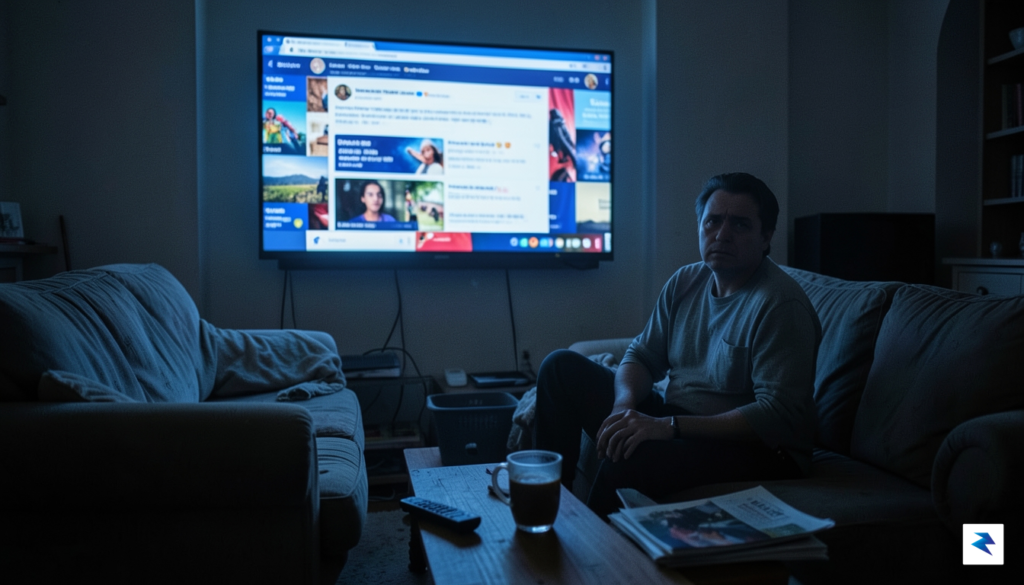
This psychological shift is increasingly visible in how users interact with the interface. Rather than being drawn into a singular, deep narrative, viewers are frequently trapped in a cycle of aimless scrolling, overwhelmed by the paradox of choice that comes with an endless library of options. The novelty of having everything available at one’s fingertips has been replaced by a quiet exhaustion; when everything is available, nothing feels urgent. Netflix now finds itself in a precarious position where the “all-at-once” model—once its greatest strength—is failing to act as a sustainable retention engine in a landscape where subscribers are increasingly fickle and content is transient.
The challenge for the modern streaming giant is no longer just providing content; it is cultivating a sustained relationship with the viewer that survives past the initial weekend of release.
Ultimately, the company is realizing that the binge-watching era may have reached its natural zenith. By re-evaluating its release strategies—experimenting with split seasons and staggered rollouts—Netflix is signaling a quiet admission that the “all-you-can-eat” buffet approach is no longer the most effective way to keep users glued to the screen. To remain relevant in an era of extreme competition, the platform must transition from being a repository of instant gratification to a destination that manages the scarcity and anticipation that once defined the golden age of television.
For years, the gold standard of streaming success was the viral sensation—a show that debuted with enough momentum to dominate social media conversations for a single weekend. However, internal metrics and industry analysis now reveal a jarring reality: a massive portion of the audience treats these high-profile originals as one-and-done experiences. This “Season Two Cliff” has become a graveyard for creative ambition, where shows that initially captured millions of viewers fail to retain even a fraction of that audience when they return for a sophomore outing. The initial curiosity that drives a massive premiere window rarely translates into the long-term, habitual loyalty that once defined television classics.
The core of this problem lies in the inherent friction between discovery and loyalty within the streaming ecosystem. Netflix’s recommendation engine is built to maximize the novelty of the platform, constantly nudging users toward fresh content rather than deepening their relationship with existing series. Because the algorithm prioritizes high-impact premieres to acquire new subscribers, viewers are perpetually funneled into the “first season” experience of a new show. Consequently, audiences are conditioned to view entertainment as a transient stream of content rather than a long-term investment, leading them to abandon a series the moment the initial buzz fades or the plot points are resolved.
This trend has forced a radical, and perhaps painful, reassessment of the platform’s greenlighting process. Historically, prestige television operated on the premise that a series would grow its audience over time, often finding its footing and critical acclaim in later seasons. Today, however, the astronomical budgets required to produce high-end originals make the “slow burn” approach financially untenable. If a show does not demonstrate an immediate, explosive retention rate by the end of its first chapter, the data suggests it is unlikely to ever generate a return on investment. This creates a vicious cycle: because studios fear the drop-off, they prioritize shows that are designed for immediate, bingeable consumption rather than those that build a rich, recurring narrative world.
The shift from a culture of “must-watch” weekly television to a landscape of “consume-and-discard” content has turned the second season into a high-stakes gamble that many expensive productions are no longer winning.
Ultimately, the challenge for Netflix is to decide whether it wants to be a library of one-hit wonders or a home for enduring intellectual property. By leaning so heavily into algorithmic discovery, the platform has inadvertently eroded the very thing that builds a dedicated fanbase: the patience for a story to unfold over years. If the current trajectory continues, we may see even fewer multi-season epics, replaced instead by a revolving door of miniseries that arrive with a bang, exhaust their audience, and disappear into the digital abyss before the next weekend arrives.
For years, Netflix operated on a philosophy of “more is more,” flooding its library with a relentless stream of content designed to ensure that every subscriber, regardless of their niche interest, had something new to watch. By prioritizing volume, the platform successfully transformed the act of consumption into a marathon event, effectively inventing the binge-watching phenomenon. However, this strategy has triggered the “paradox of choice,” where the sheer abundance of options leads to decision paralysis rather than satisfaction. As the library expands, the perceived value of any single “Netflix Original” has begun to dilute, shifting the audience’s relationship with the platform from one of anticipation to one of passive, disposable scrolling.
The financial logic behind this high-volume production model is rooted in the pursuit of churn reduction, yet it comes at a significant cost to the brand’s prestige. When a platform releases dozens of titles every month, the marketing effort for each show is inevitably fractured, leaving many high-potential projects to disappear into the algorithm within days of their premiere. This creates a cycle of “disposable content,” where the goal is to keep the user engaged for a single weekend rather than fostering a multi-year attachment to a series. Consequently, the company is realizing that a bloated catalog does not necessarily equate to a loyal subscriber base, especially when the lack of weekly discourse prevents shows from building the cultural momentum necessary for long-term relevance.

In contrast to the traditional “slow-burn” approach—where weekly releases allow for community theorizing, meme creation, and sustained media coverage—the binge-watch model effectively kills the pop-culture footprint of a show the moment it is released. Once a series is consumed in a single sitting, the conversation around it rarely survives the next work week. By abandoning the weekly release cadence, Netflix has inadvertently stunted the longevity of its biggest hits, making it harder for these shows to enter the cultural lexicon in the same way that appointment television once did. The economic reality is shifting: the cost of producing massive amounts of content is high, but the return on investment diminishes rapidly when that content fails to leave a lasting impact on the collective consciousness.
The true cost of a content strategy built on volume isn’t just the production budget; it is the erosion of audience anticipation and the gradual transformation of “prestige” television into mere background noise.
Moving forward, the platform appears to be recalibrating its approach, perhaps acknowledging that quality—not just quantity—is the only way to retain subscribers in an increasingly crowded streaming marketplace. By slowing the production treadmill and investing more deeply in fewer, higher-impact projects, Netflix may be attempting to reclaim the cultural gravity it once held. The transition from a “content factory” back toward a curated “prestige network” is not merely a creative choice, but a strategic necessity to ensure that each dollar spent results in a show that people are still talking about a month after they finish it.
For over a decade, the “all-at-once” drop was the crown jewel of the streaming revolution, fundamentally changing how audiences consume entertainment. However, competitors like HBO and Apple TV+ have recently demonstrated that the traditional weekly release model offers a distinct advantage: the preservation of the “water-cooler” moment. By spacing out episodes, these platforms allow narratives to breathe, giving viewers time to theorize, debate, and speculate between installments. This communal viewing experience transforms a show from a fleeting weekend obsession into a sustained cultural event, effectively maximizing social media engagement and keeping a series in the public consciousness for months rather than mere days.
Netflix, once the staunch defender of the binge, has begun to recognize that its original strategy may have a shelf-life. To reclaim the cultural relevance that the weekly model naturally fosters, the streaming giant has started experimenting with hybrid release patterns. By splitting high-profile seasons into two distinct parts—often separated by several weeks or even months—Netflix is attempting to manufacture the same anticipation and sustained buzz that its rivals enjoy. This shift is not merely an operational adjustment; it is a strategic acknowledgment that a show’s longevity is often more valuable than the initial traffic spike generated by a full-season premiere.

The data suggests that while binge-watching satisfies the immediate desire for content, the weekly cadence builds a more loyal and vocal fan base that acts as an organic marketing engine for the platform.
The success of these split-season experiments has been a mixed but promising bag. When Netflix applied this strategy to global phenomena like Stranger Things or The Witcher, the results were undeniable: the prolonged release window allowed the internet to dissect every cliffhanger, fueling a constant stream of memes, theories, and articles that dominated the news cycle for weeks. This approach effectively bridges the gap between the instant gratification of a binge and the measured pace of traditional television. As Netflix continues to refine this hybrid model, it is clear that the platform is moving toward a more nuanced strategy—one that prioritizes long-term engagement and community building over the rapid, one-off consumption that defined its early years.
Ultimately, the industry is entering an era where flexibility is paramount. While some viewers will always prefer the ability to consume an entire series in a single sitting, the move toward measured releases suggests that the most successful shows of the future will be those that can sustain interest over time. Netflix’s tentative steps toward this model signify a maturation of the streaming ecosystem, proving that even the pioneers of binge-watching must adapt when the cultural landscape demands a slower, more intentional approach to storytelling.

The streaming landscape is no longer the wild, uncharted territory it was a decade ago; it has matured into a complex, high-stakes ecosystem where retention is the ultimate currency. As Netflix shifts its strategic focus away from the “all-at-once” release model, we are witnessing a fundamental recalibration of the viewer experience. This pivot suggests that the platform is moving toward a more sustainable, curated model that prioritizes sustained cultural relevance over the fleeting adrenaline rush of a weekend-long binge. By staggering episode releases or intentionally spacing out marquee content, Netflix is effectively trying to replicate the water-cooler effect, ensuring that their biggest shows remain part of the public conversation for weeks rather than just a few frantic days.
This evolution signals a deliberate return to the principles of “appointment viewing,” a concept many thought had been buried by the convenience of on-demand media. In this new era, subscribers should expect a hybrid experience: platforms will continue to host massive back-catalogs for those who enjoy discovery, but the premium, prestige content will increasingly be served in a way that demands patience and anticipation. This shift serves as a protective measure for streaming services, preventing the rapid churn of subscribers who finish a series in 48 hours and then immediately cancel their membership. Consequently, viewers may find themselves returning to a more traditional rhythm of consumption, one where we return to our screens at specific times to participate in a shared, synchronized cultural moment.
The future of streaming is not defined by the sheer volume of content, but by the intentionality of the viewing experience. As platforms fragment, the value proposition shifts from accessibility to curation.
For the average consumer, this means navigating an increasingly fragmented marketplace where content discovery has become an active, rather than passive, chore. As the platforms move away from the “infinite scroll” of endless binge-worthy content, users will need to become more intentional about how they allocate their time and attention. We will likely see a rise in third-party discovery tools and community-driven recommendations that help filter through the noise of competing services. Ultimately, while the “binge” remains a valid way to consume media, it is no longer the default setting of the industry. The future viewer will be a more discerning curator, balancing the convenience of on-demand libraries with the excitement of participating in the slow-burn release schedules that are quickly becoming the new industry standard.

You must be logged in to post a comment.