
Is the Binge-Watching Era Over? Why Netflix is Rethinking Its Strategy
The Binge-Watching Paradox: Why Netflix is Changing Strategy For over a decade, the "all-at-once" release model was the cornerstone of the…
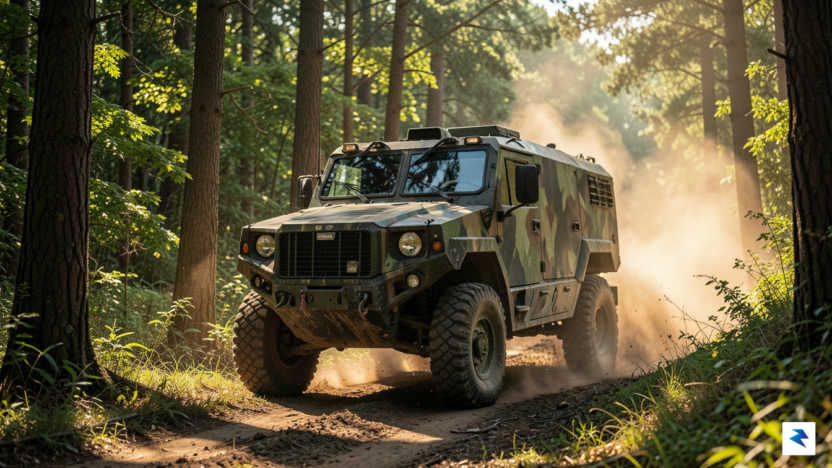
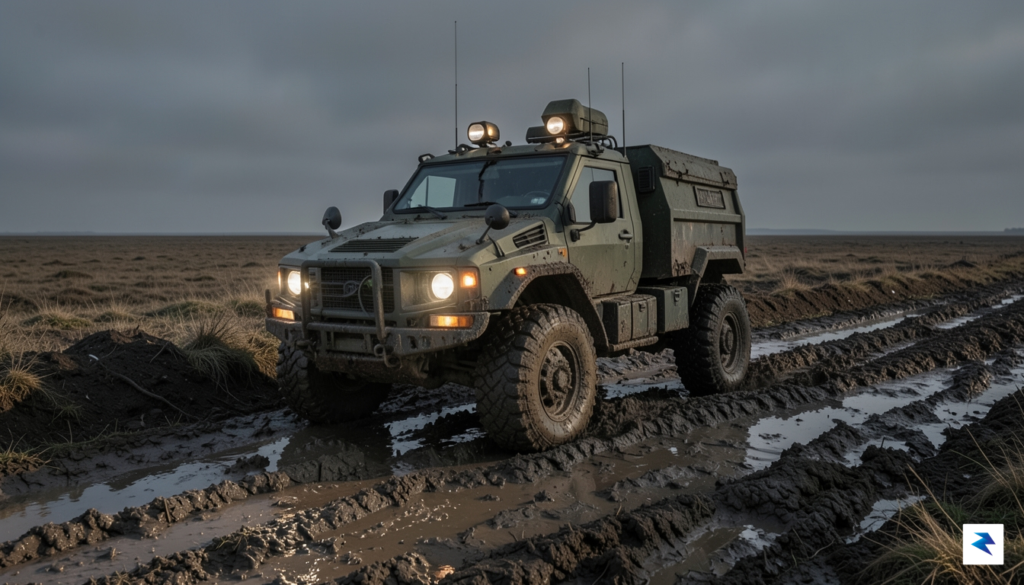
For decades, the logistical backbone of any military operation has been its supply convoys, a chain of human-piloted vehicles braving treacherous routes to deliver vital resources to the front lines. This essential, yet profoundly dangerous, task has historically accounted for a significant portion of casualties in warfare. From ambush attacks on dusty roads to the relentless threat of improvised explosive devices, the act of resupply has always demanded immense courage and exacted a heavy toll on personnel. The traditional model, while proven over centuries, inherently places human lives at constant risk in high-intensity environments.
However, the nature of modern conflict, particularly on the Ukrainian front lines, has dramatically amplified these dangers, pushing the traditional logistics model to its breaking point. The omnipresent threat of sophisticated drone surveillance, capable of pinpointing targets with unprecedented accuracy, transforms every journey into a perilous gamble. These drones can guide precision artillery strikes, coordinate anti-tank missile ambushes, or even act as loitering munitions themselves, leaving human-driven convoys extraordinarily vulnerable to detection and destruction. The sheer lethality and pervasive nature of these threats have created an urgent imperative to seek alternative, safer methods for transporting critical supplies like ammunition, fuel, and medical provisions.
This escalating risk to human life, coupled with the relentless demand for uninterrupted supply chains, necessitated a radical reimagining of combat logistics. The vision was clear: to remove personnel from the most hazardous segments of the supply route, leveraging advanced technology to perform these high-risk missions. This pressing need drove the acceleration and adoption of autonomous ground vehicle (AGV) technology, shifting the focus from theoretical development to practical, battlefield-ready solutions. The goal was not just to augment human efforts but to replace them entirely in zones deemed too dangerous for manned operations, thereby safeguarding invaluable personnel.
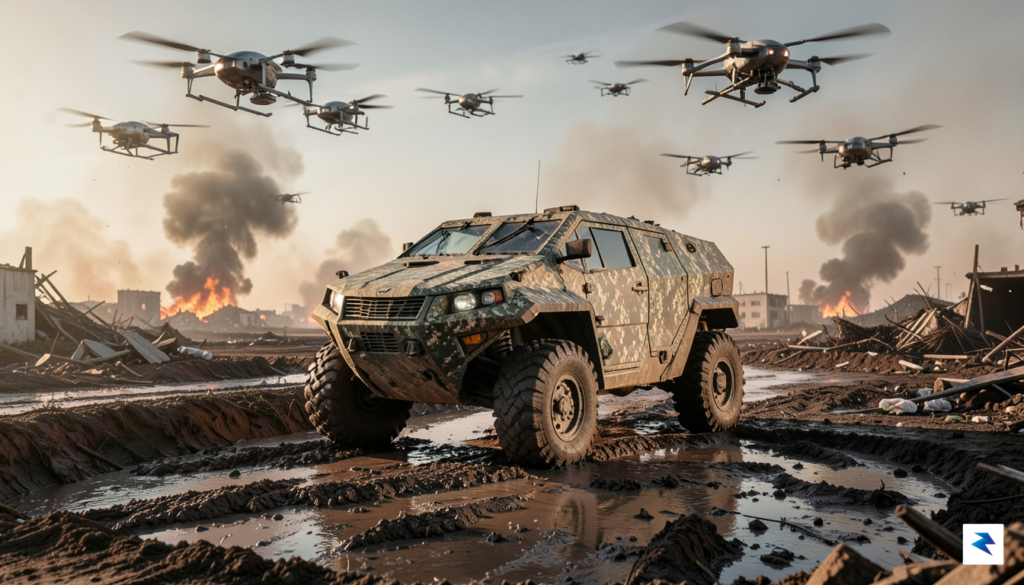
The recent deployment of Forterra’s autonomous ground vehicles in Ukraine marks a pivotal moment in this evolution, moving these sophisticated systems from controlled test environments into the harsh realities of active combat. This isn’t merely a technological demonstration; it is a profound validation of their operational capability, proving that AGVs can not only survive but also effectively execute missions under the most extreme conditions. The successful integration of these AI-driven systems on the front lines signifies a critical transition from theoretical promise to tangible, life-saving application, fundamentally altering the calculus of risk in military logistics. It demonstrates a decisive shift away from relying solely on vulnerable human drivers towards a future where intelligent machines can bear the brunt of danger, keeping soldiers out of harm’s way while ensuring vital supplies continue to flow.
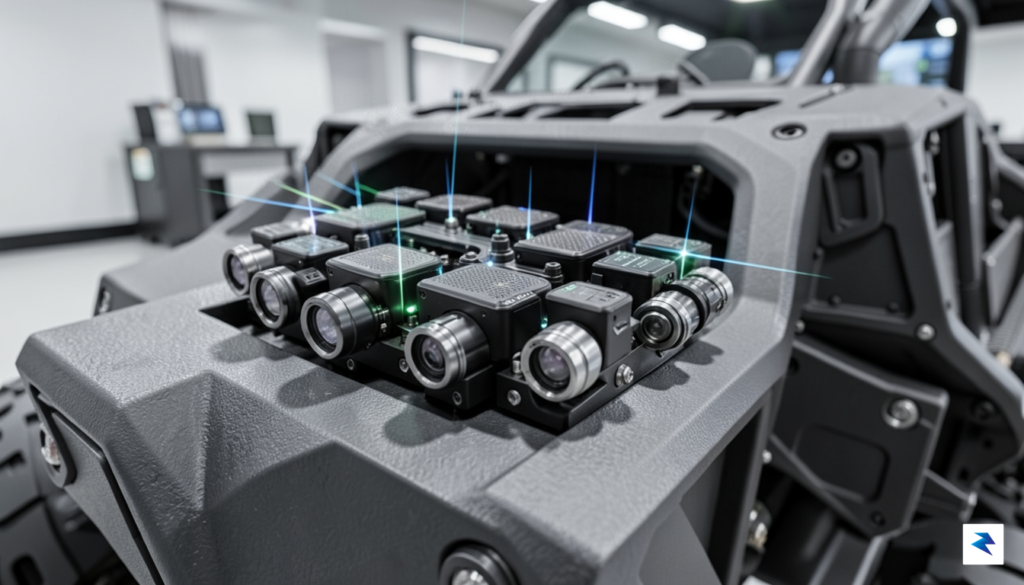
At the technological forefront of modern conflict zones, particularly in Ukraine, lies Forterra’s AutoDrive system—a sophisticated software-hardware stack specifically engineered for the rigorous demands of autonomous ground vehicle operation. Unlike the self-driving cars navigating city streets, this technology is purpose-built for military applications, prioritizing unwavering reliability, operational stealth, and seamless navigation through the most challenging off-road and high-stress environments imaginable. Its design ethos diverges significantly from consumer-grade systems, focusing instead on mission accomplishment under duress, where GPS signals are often intentionally degraded or entirely denied.
The core intelligence of AutoDrive resides in its advanced sensor fusion approach, which integrates data from multiple modalities to build an exceptionally robust and accurate understanding of the surrounding terrain. High-resolution LiDAR (Light Detection and Ranging) sensors continually scan the environment, generating precise 3D point clouds that map obstacles, terrain features, and potential pathways with remarkable detail. Complementing this, radar units provide crucial information about other vehicles and dynamic obstacles, particularly effective in adverse weather conditions like fog, smoke, or heavy rain where optical sensors might struggle. Finally, an array of high-definition cameras offers vital visual context, enabling object classification, detailed terrain analysis, and the identification of subtle environmental cues that enhance navigation and decision-making. By combining these diverse data streams, AutoDrive creates a comprehensive, real-time perception model that is far more resilient than any single sensor could provide.
A truly critical capability for military deployment is AutoDrive’s proficiency in GPS-denied navigation. In scenarios where satellite signals are jammed, spoofed, or simply unavailable—a common tactic on modern battlefields—the system doesn’t falter. Instead, it relies on a sophisticated combination of internal and external referencing systems. Inertial Measurement Units (IMUs) continuously track the vehicle’s precise orientation, acceleration, and angular velocity, providing dead reckoning capabilities. Concurrently, wheel odometry measures distance traveled based on wheel rotations, further refining positional estimates. Visual odometry plays a pivotal role here, analyzing successive camera frames to detect and track features in the environment, thereby estimating the vehicle’s movement relative to its surroundings. This multi-layered approach ensures that even without external GPS, the autonomous vehicles can maintain accurate localization and navigate complex routes, a vital feature for logistical support and tactical operations where maintaining stealth and avoiding detection are paramount.
Furthermore, the AutoDrive system frequently employs a “leader-follower” architecture, a strategic deployment method that optimizes efficiency and safety in convoy operations. In this setup, a human-driven lead vehicle sets the pace and path, while one or more unmanned autonomous vehicles autonomously follow behind. These follower vehicles utilize their advanced sensor fusion and navigation capabilities to mimic the lead vehicle’s movements, maintaining a safe distance and tracking its trajectory with precision. This architecture significantly reduces the cognitive load on human operators, allowing them to focus on broader situational awareness rather than the minute details of driving multiple vehicles. It ensures that supplies, equipment, or even personnel can be transported through dangerous zones with fewer human personnel exposed to risk, streamlining logistics and enhancing operational security on the front lines.
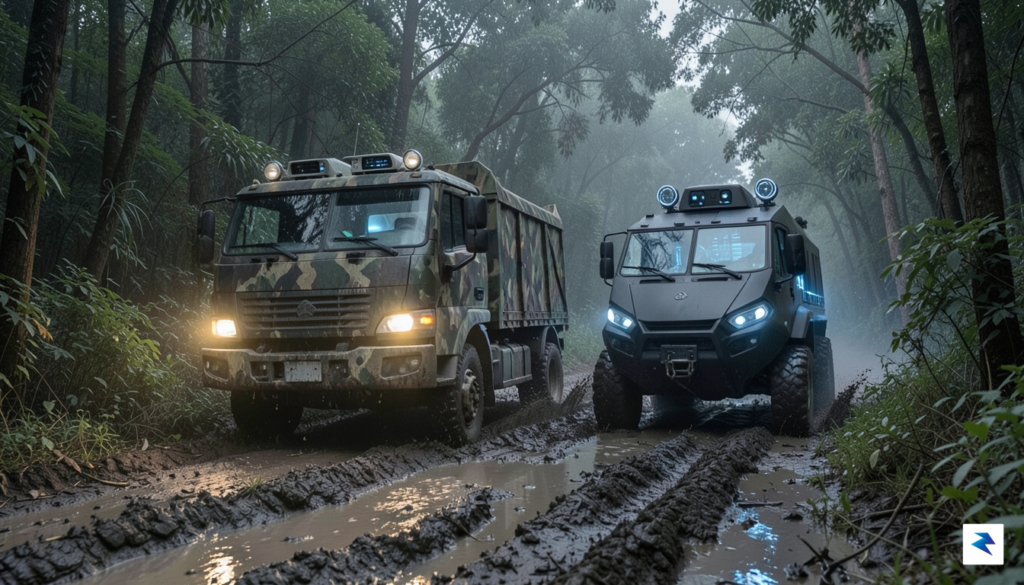
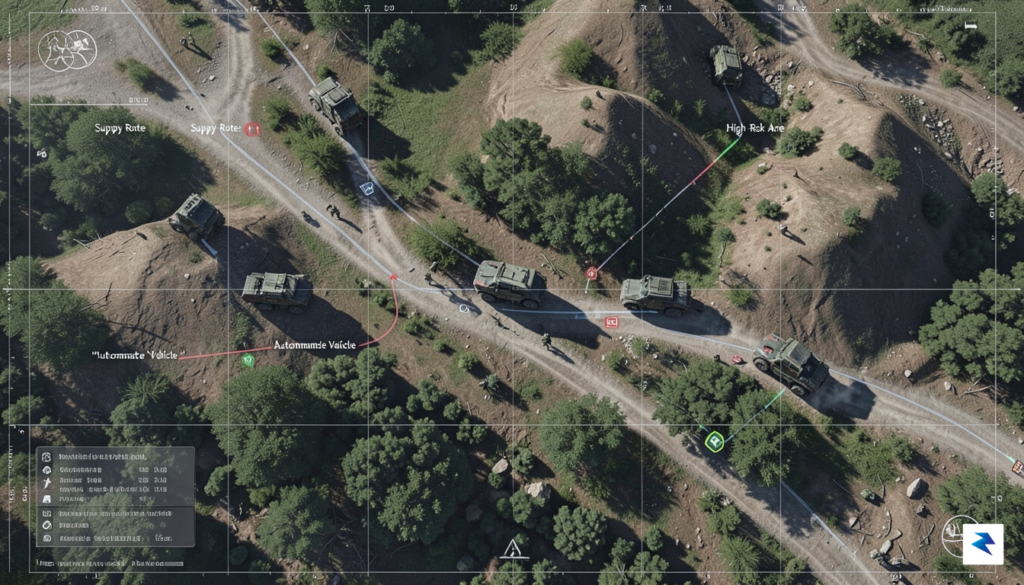
The pivot toward unmanned ground vehicles (UGVs) in the Ukrainian theater represents more than a mere technological trend; it is a fundamental shift in how modern armies preserve their most valuable asset: human life. By deploying autonomous systems to traverse the treacherous “last mile” of the battlefield, military commanders can effectively remove soldiers from the immediate vicinity of high-intensity kill zones. These areas, saturated with persistent drone surveillance and precision artillery fire, have historically turned routine supply runs into deadly missions. When a UGV carries critical ammunition, food, or medical supplies into these contested spaces, it ensures that logistics personnel remain safely behind the front lines, drastically reducing the casualty rates associated with traditional, human-led resupply operations.
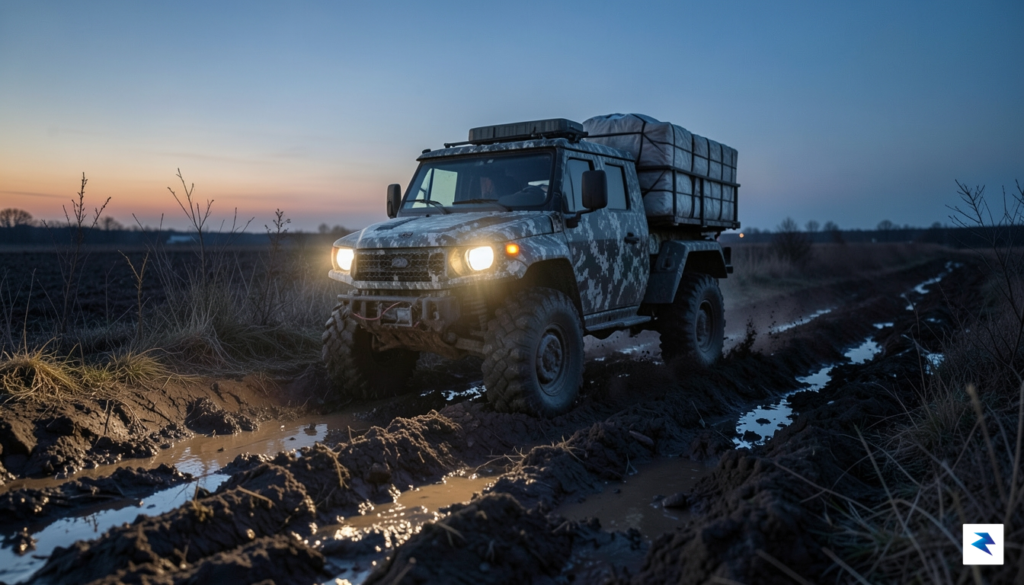
This transition serves as a powerful force multiplier, allowing commanders to rethink their entire battlefield architecture. Because these vehicles handle the grueling and dangerous work of logistics, human soldiers are liberated from repetitive transport duties and can be reallocated to specialized, high-value combat roles that require human ingenuity and decision-making. Essentially, the army gains a more efficient distribution of personnel, ensuring that those with specific training—such as drone operators, communications experts, or infantry specialists—are not squandering their skills on manual labor or vulnerable supply convoys. The strategic result is a leaner, more agile force that maintains a higher operational tempo without needing to increase the total number of boots on the ground.
The integration of autonomous logistics is not about replacing the soldier, but about elevating their role from a vulnerable supply chain participant to a tactical specialist, ultimately hardening the force against attrition.
Furthermore, the logistical efficiency gained by removing human drivers from the equation is profound. Human operators are naturally constrained by the need for sleep, psychological stress, and the physical limitations imposed by extreme weather or total darkness. Autonomous systems, however, do not suffer from fatigue; they can operate in adverse conditions, such as blinding fog, heavy rain, or the cover of a pitch-black night, with consistent precision. By enabling 24/7 supply chains that do not rely on human endurance, these vehicles ensure that the front lines remain constantly stocked, regardless of the environment. This persistent logistical flow creates a significant strategic advantage, preventing the exhaustion of resources that often occurs when human-led convoys are forced to wait for safer conditions or periods of visibility.
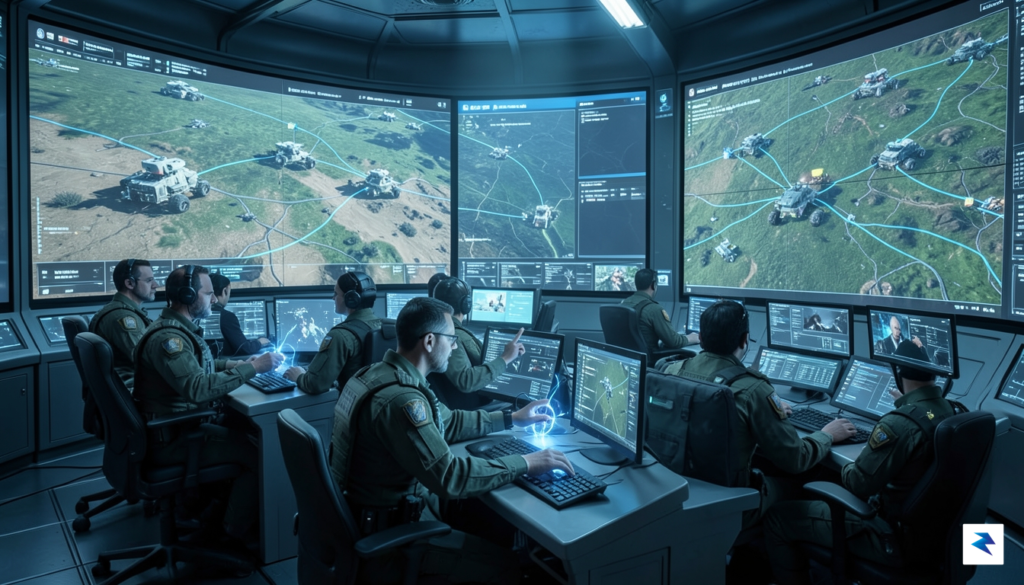
The deployment of over 100 Forterra autonomous ground vehicles in Ukraine represents far more than just a tactical advantage in the current conflict; it heralds a fundamental shift in global military doctrine. This initial foray into large-scale robotic integration suggests that as artificial intelligence and autonomous systems become increasingly robust and reliable, the very fabric of human-machine teaming will undergo a profound transformation. What we are witnessing is the nascent stage of a new era, where the synergy between human operators and intelligent machines will redefine how armies prepare for, execute, and sustain long-term military campaigns, moving beyond simple augmentation to a deeply intertwined operational model.
The next steps for autonomous combat vehicles will undoubtedly push the boundaries of their current logistical and reconnaissance roles. It is an almost inevitable progression that these systems, once proven reliable in support functions, will be weaponized. Imagine autonomous platforms equipped with remote weapon stations, capable of engaging targets with precision under human supervision, or even coordinating in swarm tactics for area denial and reconnaissance by fire. This evolution will not only necessitate the development of sophisticated offensive capabilities but also drive a parallel arms race in defensive countermeasures, including advanced electronic warfare systems, specialized anti-drone tactics, and robust hardening against cyberattacks aimed at disrupting autonomous networks.
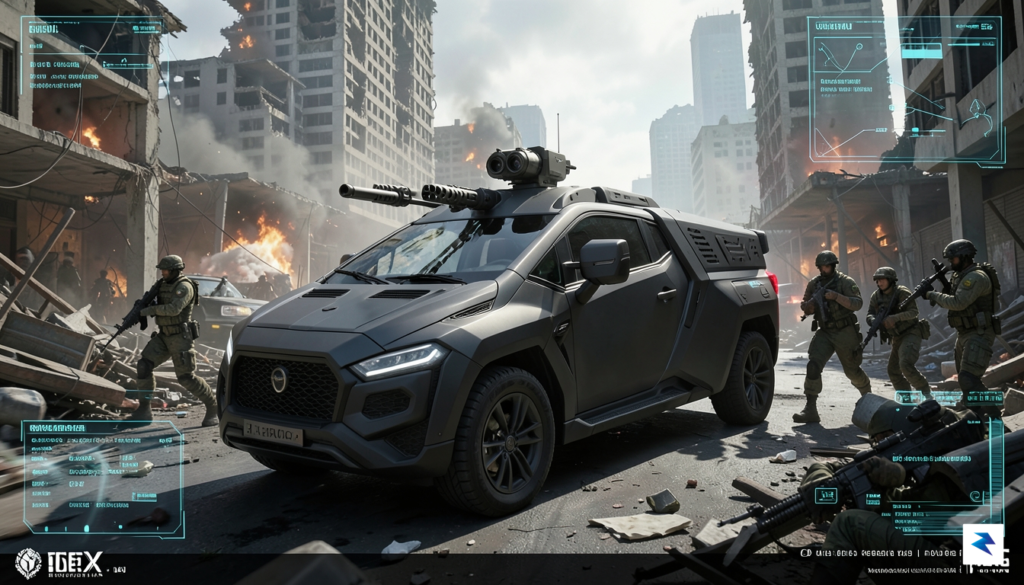
Beyond the technological arms race, the psychological impact on the battlefield will be immense and complex. Soldiers on both sides will have to grapple with the reality of fighting against—and alongside—machines that do not tire, do not fear, and do not experience moral qualms. This could lead to a demoralizing effect on adversaries, while simultaneously fostering a sense of invincibility or detachment among forces equipped with advanced autonomous support. Crucially, the ethical considerations of autonomous systems, particularly regarding target discrimination and accountability in lethal decision-making, will become more pressing than ever, demanding robust international dialogue and the establishment of clear ethical frameworks and rules of engagement to govern their use.
This transformative shift will fundamentally reshape military doctrine, moving decisively towards a ‘robotic-first’ logistics model. Instead of merely supplementing human efforts, autonomous ground vehicles will be designed to lead the way in high-risk scenarios: conducting initial patrols in contested areas, delivering critical supplies to forward operating bases under direct fire, and undertaking dangerous reconnaissance missions that would be too hazardous for human personnel. This isn’t simply about efficiency; it’s about preserving human life and enhancing operational resilience. Such a doctrine will necessitate radical changes in military training, procurement strategies, and force structure, ensuring that human commanders and soldiers are adept at commanding and integrating these autonomous partners seamlessly into every facet of operations.
Ultimately, the implications extend far beyond the current conflict, signaling an irreversible global trend. Nations that embrace and invest in this new paradigm of human-machine teaming will gain a significant strategic advantage, while those that lag behind risk being outmatched on future battlefields. This future requires not just technological innovation, but also profound introspection into the ethical, psychological, and strategic consequences of empowering machines with greater autonomy in the crucible of war, forever altering the landscape of military engagement.
You must be logged in to post a comment.