Introduction: The Titan Tragedy and Regulatory Oversight
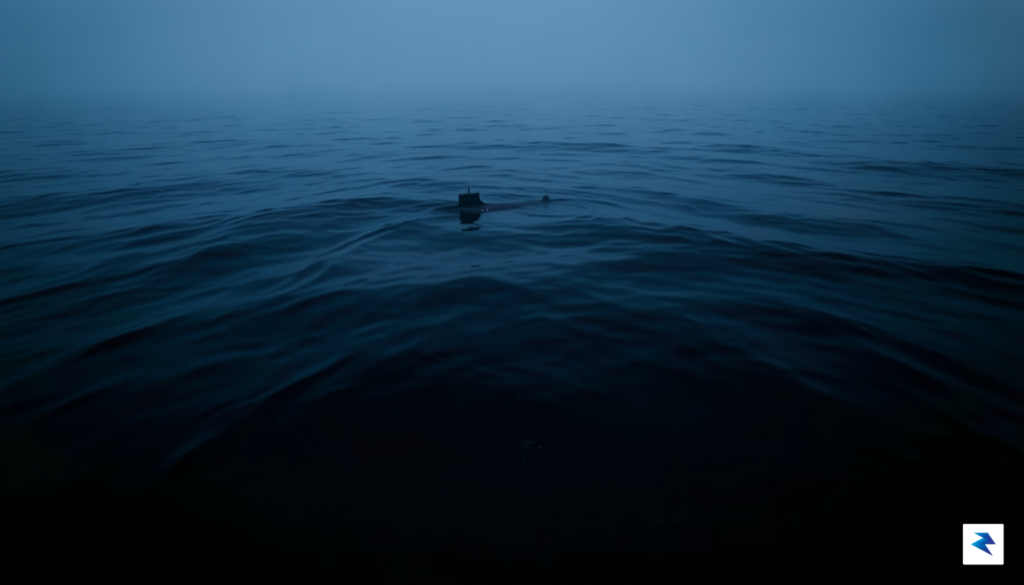
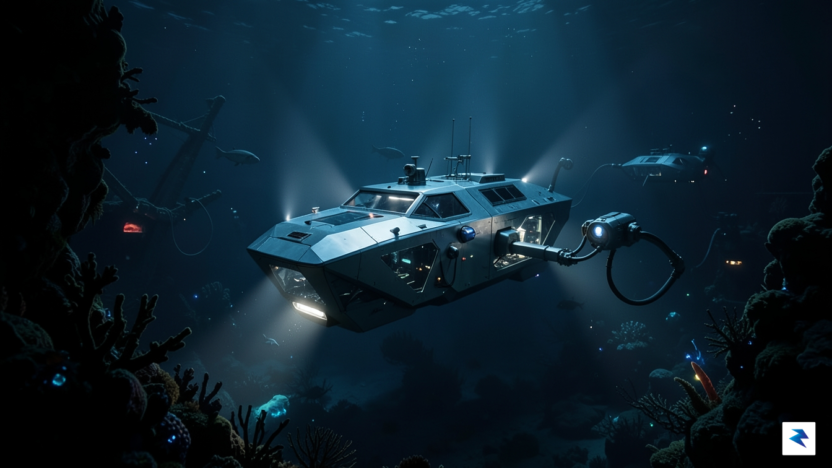
The catastrophic loss of the Titan submersible in June 2023 sent shockwaves across the globe, captivating the world with its unfolding drama and ultimately delivering a tragic end. Carrying five passengers on an ambitious expedition to explore the wreck of the Titanic, the experimental vessel lost contact with its support ship during its descent, sparking a desperate, multi-national search operation. Days later, the grim discovery of debris confirmed the worst fears: a catastrophic implosion had claimed the lives of all onboard, transforming a daring adventure into a profound tragedy that resonated deeply with audiences worldwide. This devastating event, however, quickly became more than just a poignant accident; it swiftly evolved into a critical focal point for examining the intricate balance between pioneering exploration and the fundamental imperative of safety.
As the immediate shock subsided, the focus of global attention inexorably shifted from the immediate tragedy to the underlying circumstances that permitted such a high-stakes, unregulated venture. Investigations launched by international authorities, including the United States Coast Guard and the Transportation Safety Board of Canada, began to unearth a troubling narrative of overlooked warnings and unheeded concerns. This incident, therefore, rapidly emerged as a watershed moment, starkly exposing critical vulnerabilities and significant gaps in the regulatory oversight of private maritime exploration, particularly concerning novel and experimental deep-sea technologies operating beyond conventional classifications.
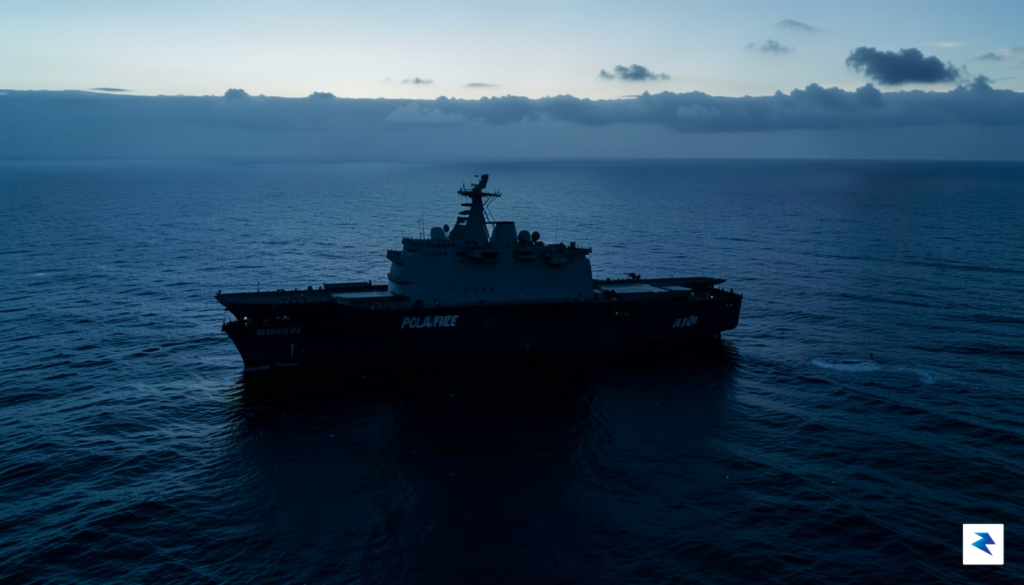
From these ongoing inquiries, a particularly concerning picture has begun to coalesce regarding the role of government agencies, specifically those in Canada, in the lead-up to the disaster. Despite the Titan’s support vessel, the Polar Prince, operating out of St. John’s, Newfoundland, and the submersible itself having some operational ties to Canadian waters for testing, it appears that several critical opportunities for intervention and inspection were regrettably missed. These revelations suggest that various Canadian regulatory bodies, tasked with ensuring maritime safety, either lacked the specific mandate, the resources, or the proactive approach necessary to scrutinize an unconventional craft like the Titan, raising urgent and profound questions about the adequacy of existing frameworks for high-risk, experimental technologies.
The core thesis emerging from this tragedy is both clear and imperative: the relentless march of innovation in extreme environments must always be accompanied, if not preceded, by an equally robust commitment to safety and regulatory diligence. While the spirit of exploration pushes the boundaries of human endeavor and technological capability, the unbridled pursuit of new frontiers without stringent oversight can carry catastrophic consequences. The Titan disaster serves as a stark reminder that when venturing into the most unforgiving places on Earth, the allure of discovery must never overshadow the non-negotiable requirement for comprehensive safety protocols and transparent accountability from all parties involved, including those responsible for governmental oversight.
This section, therefore, aims to delve deeper into these missed opportunities, critically examining the regulatory landscape that allowed the Titan to operate largely outside established safety nets. We will explore the specific instances where Canadian agencies could have, or perhaps should have, intervened, and what systemic issues prevented such actions. By dissecting these failures, we hope to shed light on the urgent need for a re-evaluation of how we regulate cutting-edge, high-risk technologies, ultimately setting the stage for a thorough discussion on governmental accountability and the necessary reforms to prevent similar tragedies from ever recurring. The goal is not merely to recount a disaster but to understand the regulatory void that contributed to it, ensuring that safety truly outpaces innovation in the unforgiving depths.
Communication Breakdowns: The Hidden Gaps in Maritime Safety

The tragedy of the Titan submersible was not merely a mechanical failure; it was a profound symptom of a fragmented regulatory environment where inter-agency communication stalled at the exact moments it was most needed. Investigations have revealed that Canadian regulatory bodies, despite having peripheral knowledge of the vessel’s unconventional design and operations, failed to establish a unified front. This lack of synergy created a dangerous regulatory void, allowing the operator to navigate through murky legal waters without the oversight that typical commercial maritime ventures are subjected to. When information remains siloed within specific departments, the cumulative risk of a project is rarely assessed in its entirety, leaving critical warning signs isolated rather than synthesized into a clear picture of impending danger.
This fragmentation proved particularly hazardous because it allowed private entities to exploit the gray areas between jurisdictional mandates. By operating in the gaps where one agency assumed another was conducting inspections, the Titan’s operators were able to effectively bypass the rigorous safety protocols that govern traditional deep-sea exploration. This “regulatory arbitrage” occurs when companies lean into the lack of coordination between government bodies, essentially shopping for the path of least resistance. Without a centralized authority tasked with cross-referencing industry innovations against established safety standards, these private actors can push the boundaries of experimental engineering without the necessary external validation or rigorous government scrutiny.

Experts in marine safety emphasize that the tragedy serves as a grim reminder that data sharing is not merely a bureaucratic formality, but a fundamental pillar of human life preservation. When departments fail to exchange findings regarding hull integrity, material fatigue, or past operational incidents, they inadvertently strip the system of its collective intelligence. As one maritime policy analyst noted,
“Safety is built on the foundation of shared oversight; when agencies function as isolated islands, they lose the ability to see the horizon of potential disaster, leaving the public to bear the ultimate cost of their silence.”
To prevent future catastrophes of this nature, there must be a radical shift toward transparency and inter-agency integration. A cohesive maritime safety framework requires that data regarding experimental vessels be accessible to all relevant stakeholders, ensuring that no single agency is left holding a piece of a puzzle without the context of the whole. Moving forward, the mandate must be clear: regulatory bodies must move beyond their traditional silos to create a robust, communicative, and unified oversight system that prioritizes human safety over the convenience of administrative autonomy.
The Regulatory Vacuum: Why Deep-Sea Exploration Operates in the Shadows
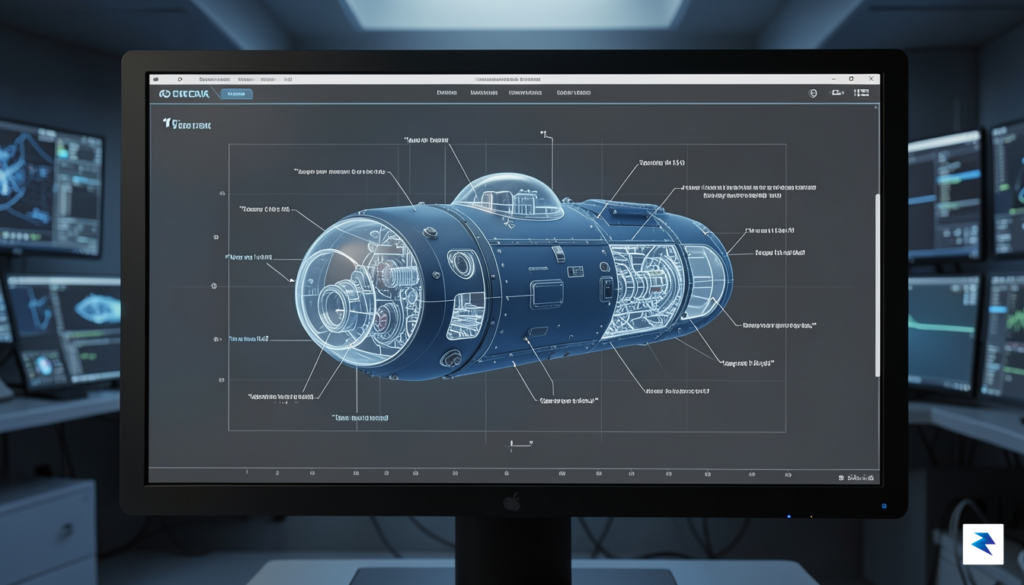
The tragedy of the Titan submersible has illuminated a stark, often overlooked reality: the vast majority of the world’s oceans exist in a legal no-man’s-land where traditional maritime oversight rarely reaches. Because the vessel operated in international waters and was classified as an experimental research craft, it effectively sidestepped the rigorous safety certifications required of commercial shipping vessels. In the eyes of the law, private deep-sea exploration currently occupies a regulatory vacuum, where the absence of standardized, binding protocols allows private entities to dictate their own safety parameters. This autonomy, while historically intended to foster innovation in scientific research, has increasingly been exploited by a new wave of commercial tourism that treats the crushing depths of the abyss as a playground for the wealthy rather than a hostile environment demanding extreme caution.
At the heart of the issue is the inherent friction between the Silicon Valley ethos of “move fast and break things” and the unforgiving physics of the deep ocean. When this disruptive philosophy is applied to submersibles, it prioritizes rapid iteration and cost-cutting over the conservative, multi-decade safety margins typically found in aerospace or deep-sea engineering. By opting out of classification from maritime bureaus—which would have necessitated strict adherence to hull integrity standards and regular, independent inspections—the Titan’s operators were able to innovate at their own pace. However, this lack of third-party verification meant that there was no institutional check on the vessel’s unconventional carbon-fiber construction, a material choice that many experts had flagged as inherently risky for the extreme, repetitive pressure cycles of the Titanic’s depth.
The reliance on self-regulation in the high-stakes environment of deep-ocean tourism creates an environment where profit motives can quietly override the fundamental principles of engineering safety.
Furthermore, maritime law is currently ill-equipped to address the complexities of modern, privately funded expeditions. While international bodies like the International Maritime Organization (IMO) provide robust frameworks for merchant vessels, these regulations generally stop short of governing experimental research craft. Consequently, there is no global authority empowered to ground a vessel simply because its design deviates from established safety norms. As long as participants are willing to sign waivers and companies can navigate the jurisdictional complexities of flag states and international waters, the regulatory apparatus remains largely toothless. The Titan disaster serves as a sobering signal that the law must evolve rapidly; without a shift toward mandatory, international safety standards, the push for commercial access to the deep ocean will continue to outpace our ability to keep those within it safe from the catastrophic forces of the deep.
Recommendations for Reform: Enhancing Safety in Extreme Environments
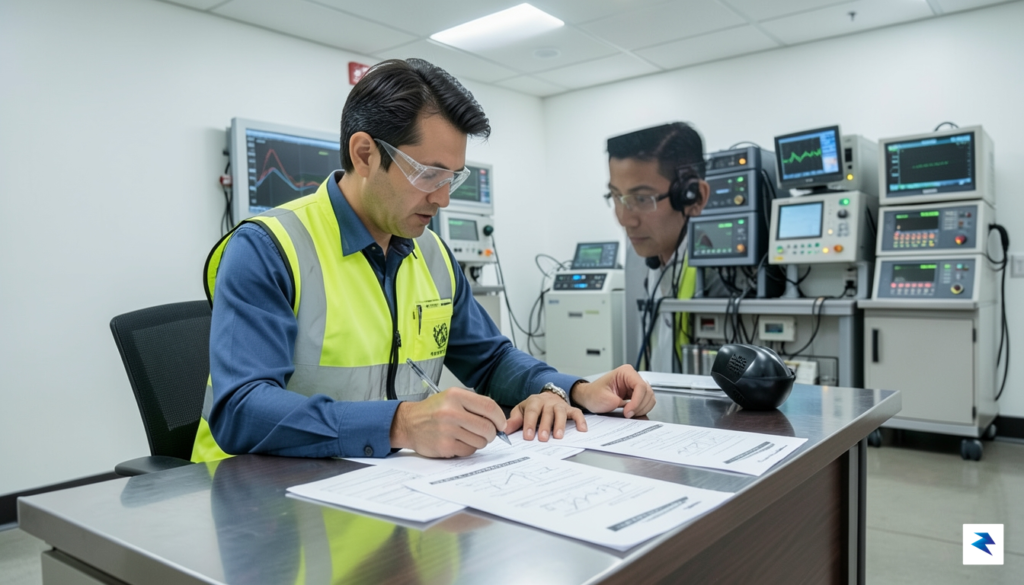
Moving forward, the path to preventing another tragedy like the Titan implosion requires a departure from the “move fast and break things” ethos that has permeated certain sectors of experimental maritime exploration. The recent investigative findings underscore that voluntary compliance is an insufficient safeguard when human lives are at stake. Legislatively, the most critical recommendation is the transition toward a mandatory, rigorous inspection regime for all submersibles, regardless of whether they operate in international waters or under unique commercial banners. By removing the option for operators to bypass safety certifications, regulators can ensure that foundational engineering standards—such as hull pressure testing, material fatigue analysis, and redundant communication systems—are not merely suggested best practices, but non-negotiable requirements for deployment.
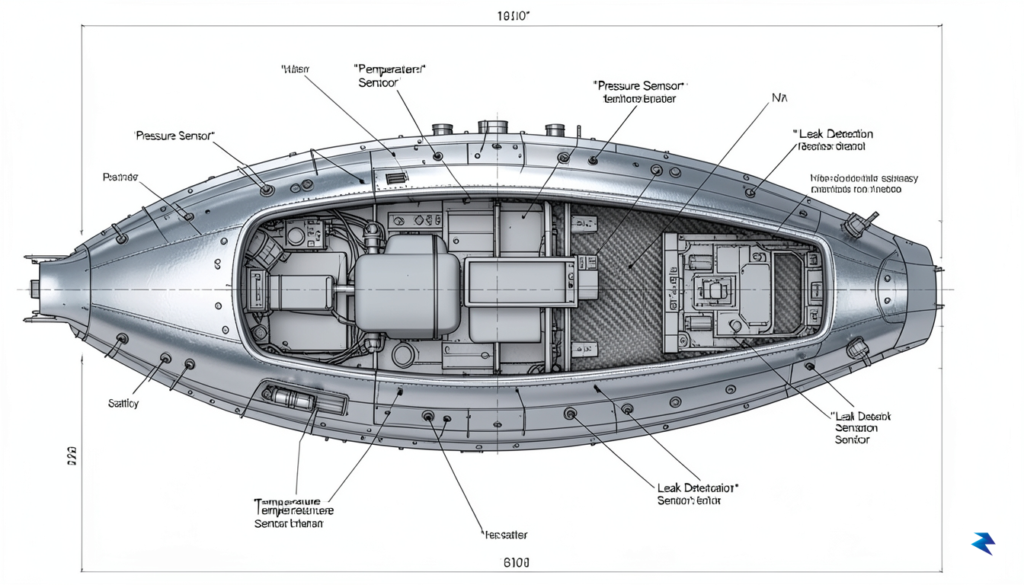
Central to this reform is the implementation of independent, third-party safety audits. Relying on an organization to police its own innovative designs creates an inherent conflict of interest that historically leads to the suppression of critical safety warnings. Independent certification bodies, akin to those used in the aerospace or commercial shipping industries, would provide a neutral verification process. These auditors would be empowered to withhold operational permits until all structural integrity concerns are fully addressed. This shift would provide a necessary buffer between the intense pressure to innovate and the absolute requirement to prioritize the safety of passengers and crew.
Safety in extreme environments cannot be treated as a competitive advantage; it must be the baseline upon which all exploration is built.
Furthermore, the global nature of deep-sea travel necessitates a unified international framework. Currently, the fragmented landscape of maritime law allows for jurisdictional arbitrage, where operators may seek out regions with minimal oversight to avoid scrutiny. Establishing a global regulatory body or a standardized treaty for deep-sea craft would help close these loopholes, ensuring that high safety standards are maintained regardless of where a vessel is registered or launched. This framework would encourage global cooperation, sharing data on material failures and structural testing to build a collective knowledge base that elevates safety for the entire industry.
Finally, while fostering innovation is vital for the advancement of science and exploration, it should never come at the expense of human life. The balance between bold engineering and public safety is not a zero-sum game; rather, it is a symbiotic relationship. When vessels are built to the highest possible standards, the industry gains the public trust and stability necessary to flourish over the long term. By codifying these recommendations into law, we transform the lessons of the Titan tragedy from a somber historical footnote into a robust foundation for a safer, more sustainable future in deep-sea exploration.
Conclusion: Learning from the Titan to Secure the Future of Exploration

The tragedy of the Titan submersible is not merely a story of mechanical failure; it is a profound lesson in the perils of prioritizing innovation over foundational safety protocols. As we look toward the final frontiers of the deep sea and the vast expanse of space, this disaster serves as a sobering reminder that the impulse to push boundaries must be tempered by rigorous, independent oversight. Technological progress is only truly sustainable when it is anchored in a culture of accountability, where the desire to explore does not override the fundamental right of passengers and crews to return home safely. When regulatory bodies fail to intervene in the face of red flags, they inadvertently validate a culture of risk-taking that can have catastrophic, irreversible consequences.
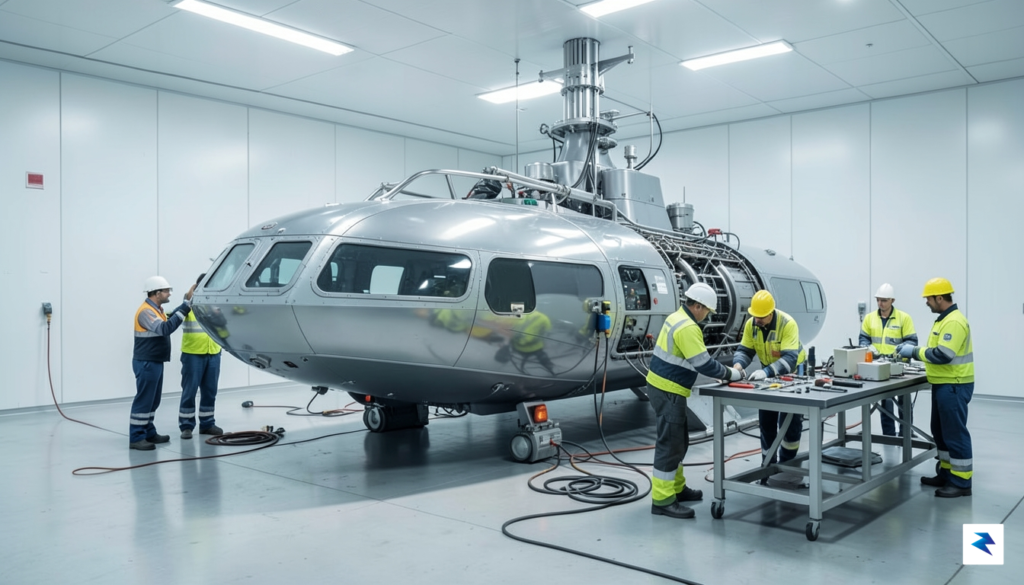
Safety is not a barrier to innovation; it is the essential framework that makes long-term exploration possible. Without a commitment to universally accepted standards, the pursuit of discovery becomes a gamble rather than a science.
To ensure that the next generation of explorers can venture into the unknown without paying the ultimate price, international regulatory bodies must take immediate and decisive action. The lessons drawn from the Titan incident necessitate a shift toward more robust, mandatory certification processes for all experimental submersibles and private aerospace vehicles. It is no longer sufficient to rely on self-regulation or the assumption that industry participants will always prioritize human life over cost-cutting or operational speed. Governments must harmonize their maritime and aerospace safety standards to close the loopholes that allowed such a catastrophe to occur in the first place, ensuring that no vessel, regardless of its novelty, operates outside the watchful eye of safety authorities.
Ultimately, the legacy of the Titan must be one of systemic reform rather than just a moment of collective mourning. By adopting the recommendations outlined in recent investigative reports, global agencies can transform this tragedy into a catalyst for safer, more transparent exploration practices. We must demand a future where the excitement of discovery is matched by an unwavering commitment to engineering excellence and life-saving oversight. Only through this renewed dedication to accountability can we honor the memory of those lost and confidently open the next chapter of human exploration in the deep ocean and beyond.