
Twitter at 20: How 140 Characters Changed the World
The Genesis of 140 Characters In the mid-2000s, the internet was a landscape defined by static pages and the laborious, long-form prose of…
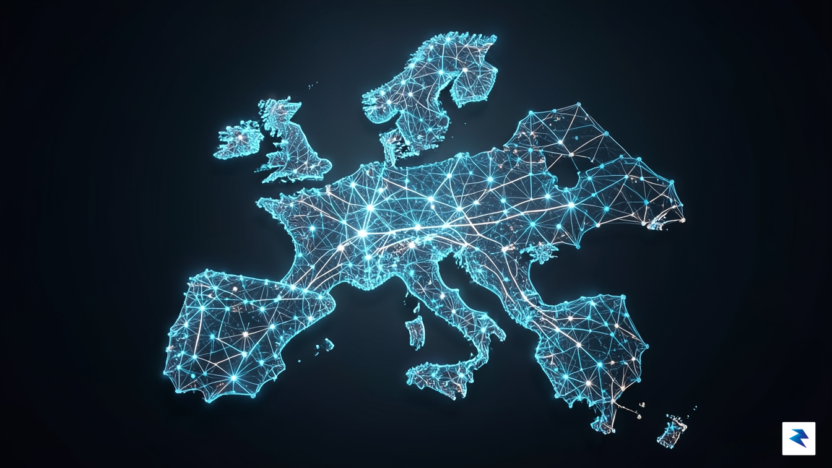
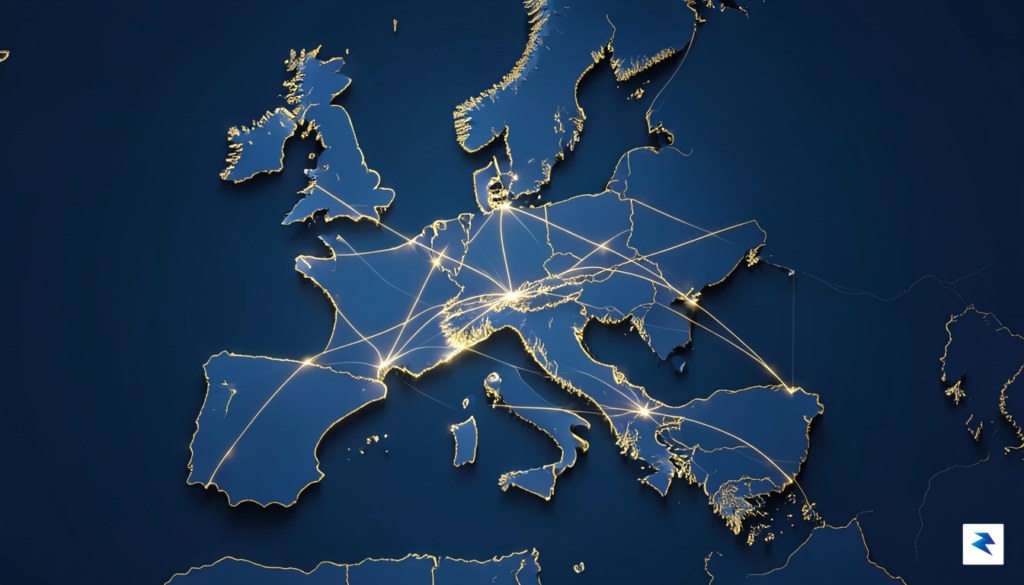
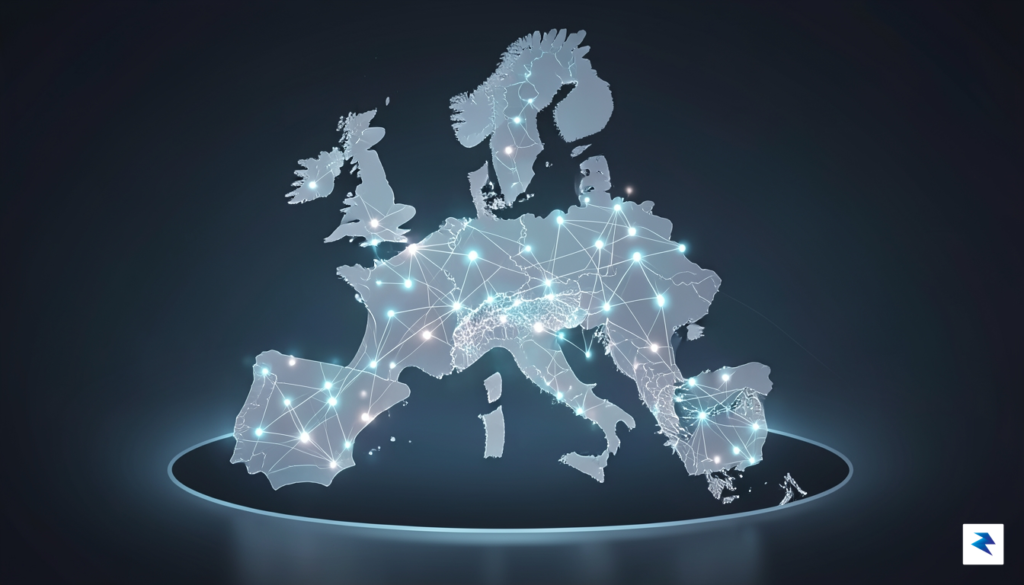
For decades, Europe has functioned as a primary consumer of global technology, effectively outsourcing its digital foundation to the competing giants of Silicon Valley and the state-backed conglomerates of China. While American tech titans provided the software, cloud infrastructure, and social platforms that defined the modern web, Chinese firms rapidly expanded their footprint in hardware, telecommunications, and high-speed infrastructure. This reliance, initially viewed as a simple trade-off for convenience and innovation, has gradually curdled into a structural vulnerability. As the geopolitical climate shifts toward a more fragmented world, European leaders have realized that their continent’s values—centered on strict data privacy, human rights, and democratic accountability—are increasingly at odds with the operating models of foreign technology gatekeepers.
The concept of “digital sovereignty” has therefore emerged as the rallying cry for a new era of European policy. It is not merely an exercise in protectionism, but a strategic imperative to ensure that European citizens, governments, and corporations retain control over their own data and digital infrastructure. True sovereignty, in this context, means the ability to choose how technology is developed and deployed without being subject to the extraterritorial laws of foreign powers or the whims of non-European monopolies. By reclaiming this agency, the European Union aims to foster a domestic ecosystem where innovation flourishes under local standards, ensuring that the next generation of artificial intelligence, cybersecurity, and cloud services respects the continent’s unique regulatory framework.
Digital sovereignty is the ability of Europe to act independently in the digital world, ensuring that our technical foundation reflects our fundamental values of privacy and transparency rather than the interests of foreign powers.
The motivation behind this shift is threefold: national security, the preservation of personal privacy, and the long-term sustainability of the European economy. When critical infrastructure—such as 5G networks or cloud-based government databases—is managed by companies subject to foreign jurisdiction, the risk of surveillance or political coercion becomes an existential threat. Furthermore, the relentless extraction of user data by non-European entities has undermined the continent’s stringent privacy laws, such as the GDPR. By investing in indigenous tech stacks and encouraging regional collaboration, Europe hopes to break its dependency on the American “move fast and break things” philosophy and the Chinese model of state-directed technocracy. This path toward independence is fraught with hurdles, yet it represents a necessary evolution for a region determined to remain a global power rather than a digital vassal.

As Artificial Intelligence evolves from a novel convenience into the foundational architecture of modern governance, Europe finds itself at a precarious crossroads. Currently, the continent’s digital ecosystem is built almost entirely upon foreign infrastructure, with the vast majority of cloud computing power and sophisticated AI models owned by a handful of American giants. This reliance creates a profound strategic vulnerability: when the data that fuels public administration, healthcare, and defense systems is processed through servers governed by non-European legal frameworks, the continent effectively outsources its sovereignty. If these corporations decide to alter their terms of service, throttle access, or comply with extraterritorial data requests from their home governments, European institutions could find their critical operations paralyzed overnight.
The danger is compounded by the opaque nature of the systems themselves. Many of the most advanced AI models utilized today operate as “black boxes,” where the underlying logic and decision-making processes remain proprietary and inaccessible to the end-user. In sensitive sectors like national defense or public healthcare, this lack of transparency is not merely a technical hurdle but a democratic deficit. When a government agency relies on a foreign algorithm to determine eligibility for social benefits or to optimize civilian infrastructure, it loses the ability to audit the decision-making process for bias or error. Without the capacity to inspect the “code under the hood,” European regulators are left in the uncomfortable position of trusting foreign corporate interests to prioritize European ethical standards over their own bottom lines.

Furthermore, the persistent absence of indigenous, high-compute AI alternatives within the European Union exacerbates this dependency. While the EU has made strides in regulatory frameworks like the AI Act, it has struggled to foster the massive capital investment and specialized semiconductor manufacturing required to build its own foundation models. The current market is heavily skewed toward US-based hyperscalers who benefit from immense economies of scale and direct access to state-of-the-art hardware. Consequently, European startups and public entities are incentivized to build their applications on top of foreign platforms, deepening the cycle of dependency rather than breaking it. This creates a feedback loop where European data is exported to train global models, which are then sold back to Europe at a premium, leaving the continent as a consumer of technology rather than a creator.
True strategic autonomy in the age of artificial intelligence requires more than just regulation; it demands the hardware, the compute power, and the open-source frameworks necessary to ensure that European values are built into the very foundation of our digital society.
Ultimately, the cost of this dependency is measured in the erosion of long-term policy flexibility. If Europe cannot develop, maintain, and secure its own AI infrastructure, it remains a secondary player in the global digital economy, perpetually subject to the strategic shifts of foreign powers. To regain control, the bloc must bridge the gap between its ambitious legislative goals and the harsh reality of its industrial limitations, investing heavily in a sovereign digital stack that treats data integrity as a matter of national security rather than a commodity to be outsourced.

At the heart of Europe’s quest for digital sovereignty lies an ambitious, albeit tense, partnership between its two most influential economies: France and Germany. These nations have emerged as the primary architects of a new European industrial doctrine, yet they approach the challenge from distinct ideological starting points. France, historically inclined toward dirigisme, advocates for a state-led industrial policy that treats technology as a matter of national and continental security. Paris seeks to cultivate “European champions” through direct investment, public-private partnerships, and a protective regulatory shield that keeps foreign dominance at bay. In contrast, Germany remains deeply rooted in the philosophy of industrial digital integration, focusing on the “Industry 4.0” paradigm. Berlin prioritizes the digitalization of its massive manufacturing sector—automotive, chemicals, and machine tools—viewing tech independence as a necessity to protect the backbone of its Mittelstand from being hollowed out by external platforms.
The tension inherent in this alliance is most visible in how the duo balances the desire for stringent regulation with the urgent need to foster a vibrant startup ecosystem. While the European Union’s landmark AI Act is often lauded as a global gold standard for ethical governance, it has sparked significant anxiety among European entrepreneurs and venture capitalists. There is a palpable fear that by being the first to impose heavy compliance costs and legal hurdles, Europe may inadvertently stifle the very innovation it seeks to nurture. France and Germany are currently walking a tightrope: they want to dictate the rules of the road for the global digital economy, but they also recognize that if these regulations make it impossible for a startup to scale in Paris or Berlin, those companies will inevitably migrate to Silicon Valley or Shenzhen.
The core of the Franco-German dilemma is whether Europe can regulate its way to leadership, or if it must first build the infrastructure that grants it true technological autonomy.
To bridge this gap, both nations are funneling significant political capital into projects like Gaia-X, a sprawling attempt to create a secure, interoperable European cloud infrastructure. The goal is to move data storage and processing away from the monopolistic grip of American hyperscalers, ensuring that European businesses can innovate without fearing intellectual property theft or extraterritorial data demands. This effort represents a shift from mere passive consumption of technology to an active role in building the digital foundations of the continent. However, the success of these initiatives depends entirely on whether France’s centralized ambition can successfully harmonize with Germany’s methodical, engineering-first approach, or if the two will remain locked in a cycle of regulatory debate that leaves little room for the rapid iteration required in the modern tech sector.

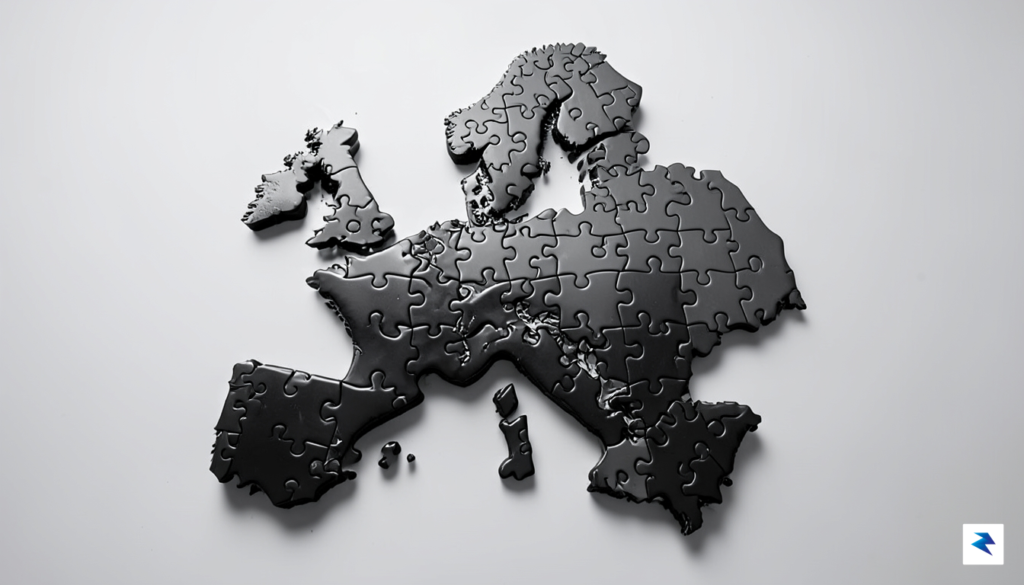
The pursuit of digital sovereignty in Europe is frequently undermined by a persistent paradox: while Brussels envisions a singular, monolithic digital market, the reality on the ground remains deeply fragmented by divergent national agendas. Economic disparities across the continent mean that member states often view tech investment through the narrow lens of their own domestic stability rather than collective European strength. Wealthier nations with established industrial bases are often hesitant to subsidize the digital transition of smaller or emerging economies, leading to a patchwork of investments that fail to scale effectively. Consequently, Europe’s venture capital landscape remains stubbornly localized, preventing the formation of the continent-wide “unicorns” necessary to compete with the sheer financial muscle of American and Chinese tech conglomerates.
This fragmentation is further exacerbated by a chronic talent crisis, often described as a systemic “brain drain.” European researchers and engineers frequently find that local startups lack the resources to scale, pushing them to seek opportunities in Silicon Valley, where capital is abundant and the regulatory environment is more agile. Even when European talent attempts to remain in the region, they are often met with a labyrinth of twenty-seven different regulatory frameworks. Although the European Union strives for harmonization, the reality of implementation varies wildly from one border to the next. For a startup trying to deploy pan-European digital infrastructure, the burden of navigating these inconsistent interpretations of data privacy, labor laws, and intellectual property is often a death knell for innovation.
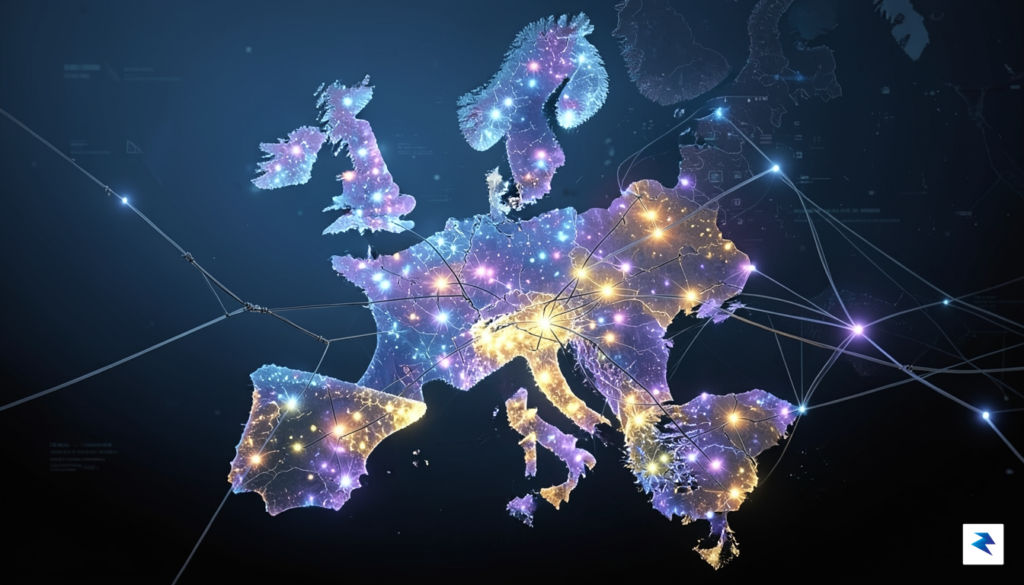
The true challenge for Europe is not merely a lack of capital or technological capability, but the structural inertia born from prioritizing national legacy over a cohesive, borderless digital ecosystem.
Furthermore, the friction between national security interests and shared digital goals creates significant bottlenecks. Member states are often reluctant to cede control over key digital infrastructure, fearing that a centralized European authority might compromise their specific national security requirements or domestic industrial policies. This hesitation manifests in slow deployment cycles for critical technologies like 5G and cloud services, where member states often choose domestic suppliers or localized solutions rather than committing to a robust, unified European stack. Until these internal fractures are addressed—and until national leaders begin to view digital autonomy as a collective necessity rather than a zero-sum game—Europe will continue to struggle to move beyond its current role as a consumer of foreign technology rather than a creator of its own.

Achieving true technological sovereignty in Europe requires far more than the drafting of stringent regulatory frameworks or the imposition of heavy fines on foreign conglomerates. While legislative efforts like the AI Act provide a necessary guardrail, they cannot substitute for the foundational work of building a self-sustaining innovation engine. To break free from the gravitational pull of Silicon Valley and the state-backed infrastructure of China, Europe must commit to a radical shift in its approach to venture capital, R&D funding, and, perhaps most importantly, its cultural appetite for risk. Without a robust pipeline of high-growth startups and a deeply integrated capital market, the continent will remain a mere regulatory arbiter rather than a creator of the next generation of digital giants.

The path forward rests on three critical pillars: massive, coordinated investment in deep tech, the unification of fragmented venture capital markets, and a commitment to cross-border collaboration that treats the European Union as a single, frictionless laboratory. Currently, European entrepreneurs often find themselves forced to look across the Atlantic for the late-stage funding necessary to scale operations, a process that inevitably leads to the migration of intellectual property and talent. By fostering a more cohesive financial ecosystem, Europe can retain its most promising innovations and ensure that the economic benefits of digital transformation remain within its borders. This is not merely about protectionism; it is about creating a fertile environment where bold ideas can flourish from the laboratory bench to the global marketplace.
True digital sovereignty is not defined by the walls we build around our data, but by the strength and competitiveness of the tools we build to analyze it.
Europe’s unique competitive advantage lies in its ability to pioneer “sovereign AI”—a model of technological development that is explicitly designed to align with its human-centric democratic values. By embedding transparency, privacy, and ethical considerations into the very code of its algorithms, Europe has the potential to lead a global movement toward trustworthy technology. As we look toward the next decade, the focus must shift from playing catch-up in the commodity hardware or consumer platform space to specializing in high-value, industrial-grade applications where reliability and security are paramount. If European leaders can successfully marry their rigorous regulatory philosophy with a newfound, aggressive commitment to industrial policy, the continent will move from a position of digital dependency to one of strategic partnership, ensuring that its voice remains central to the future of the global digital economy.
You must be logged in to post a comment.