
Europe’s Digital Awakening: The Struggle for Tech Independence
The Quest for European Digital Sovereignty For decades, Europe has functioned as a primary consumer of global technology, effectively…
In the rapidly evolving landscape of portable gaming, the relationship between hardware and longevity has reached a critical turning point. For years, the consumer electronics industry has trended toward a disposable culture, where sleek, glued-shut devices are designed to be discarded the moment their internal components falter. However, as handheld gaming PCs grow more sophisticated and expensive, users are no longer willing to accept these limitations. There is a palpable shift in consumer expectations; gamers now demand hardware that respects their investment, valuing modularity and accessibility over the ephemeral allure of thin, non-serviceable chassis designs.
The Steam Deck represents a significant departure from this restrictive status quo. By prioritizing a repair-friendly philosophy, Valve has challenged the industry norm, proving that powerful, high-performance handheld hardware does not have to be a closed ecosystem. When a device is designed with modularity in mind, it empowers the end-user to perform routine maintenance, troubleshoot hardware failures, and ultimately extend the life of their machine long after the initial warranty has expired. This approach not only fosters deeper consumer trust but also serves as a vital step toward environmental sustainability by reducing electronic waste.
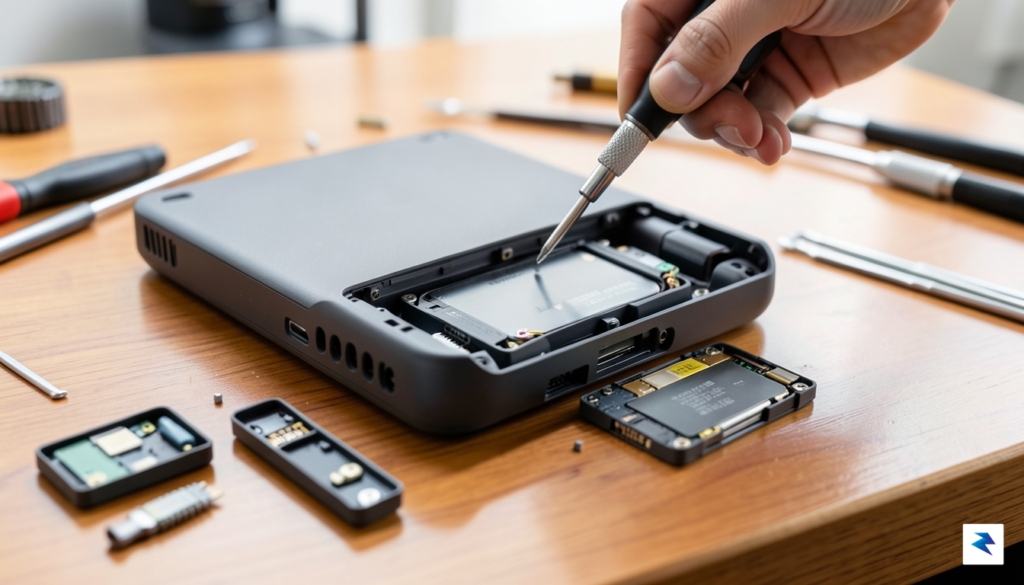
The true measure of a device’s quality is not just in its initial performance, but in its ability to remain functional and relevant years down the line through simple, user-led maintenance.
Among the various hardware components that define a handheld’s lifespan, battery degradation remains the single greatest threat to usability. Because handheld consoles are tethered to chemical energy storage, the constant charge-discharge cycles inevitable in mobile gaming eventually take their toll, leading to diminished capacity and shortened play sessions. In a locked-down device, this reality signals the death knell of the hardware; once the battery fails, the device effectively becomes a paperweight. By facilitating easy access to replacement power cells, manufacturers like Valve ensure that the device’s utility is tied to its computing power rather than the finite lifespan of a lithium-ion pack.
Ultimately, the movement toward right-to-repair is about more than just convenience—it is about ownership. When users are granted the autonomy to swap out parts, they transition from passive consumers to active stewards of their own technology. As handheld gaming continues to gain momentum, this commitment to repairability will likely become a deciding factor for buyers, forcing the rest of the market to reckon with the reality that users want hardware that is built to last, not merely built to be replaced.
When Valve first announced its collaboration with iFixit alongside the launch of the Steam Deck, it sent a shockwave through the consumer electronics industry. For years, the prevailing trend among major hardware manufacturers has been the implementation of “repair-hostile” design philosophies, characterized by glued-in batteries, proprietary screws, and software locks that effectively prohibit users from maintaining their own devices. By choosing to provide official, genuine replacement parts and comprehensive, step-by-step repair guides directly to the public, Valve effectively bucked this trend. This partnership signaled a fundamental shift in how a major tech company views ownership, moving away from the “disposable gadget” model toward a sustainable ecosystem where the user is considered a partner in the device’s lifespan rather than a passive consumer.
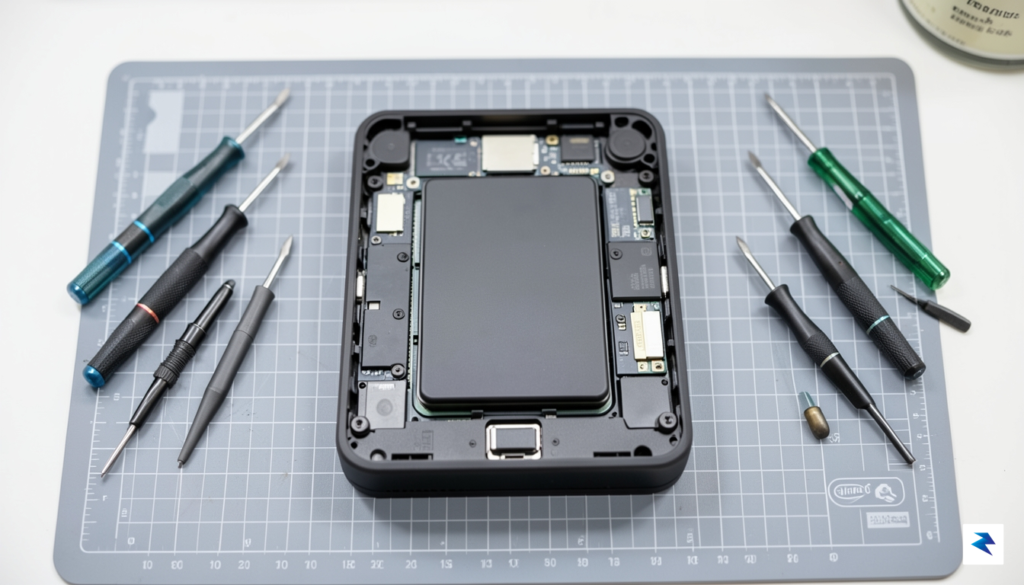
The impact of this relationship on the Steam Deck’s value proposition cannot be overstated. For the average gamer, the prospect of an aging battery typically marks the beginning of the end for a portable console, often forcing a costly upgrade or an uncomfortable trade-in process. With the availability of official battery kits, Valve has essentially extended the functional life of the Steam Deck by several years, allowing owners to swap out depleted cells with ease and confidence. This move empowers consumers to treat their hardware as an investment that can be maintained and upgraded, rather than a fragile piece of technology destined for a landfill the moment its internal chemistry begins to degrade. It transforms the ownership experience from one of planned obsolescence to one of long-term reliability.
By officially partnering with iFixit, Valve has established a new gold standard for consumer electronics, proving that hardware can be both powerful and user-serviceable.
Beyond the immediate benefits to Steam Deck owners, this collaboration has exerted significant pressure on the broader gaming industry to reconsider its stance on third-party repairs. Historically, tech giants have cited safety, security, and intellectual property as excuses to limit repair access, effectively criminalizing the very act of fixing what one owns. Valve’s willingness to embrace iFixit’s expertise demonstrates that providing repairability does not compromise brand integrity or product quality; instead, it fosters a deeper sense of brand loyalty and trust. As the Right to Repair movement continues to gain momentum globally, Valve’s proactive stance stands as a beacon for other manufacturers, suggesting that the future of consumer tech lies in openness, transparency, and a genuine commitment to hardware longevity.

The recent uncertainty surrounding the availability of replacement batteries for the original Steam Deck LCD model stemmed from a flurry of online speculation that quickly spiraled into widespread concern. For several days, enthusiasts browsing the iFixit storefront noticed that the dedicated battery kits for the original handheld units were listed as discontinued, leading many to believe that Valve was prematurely sunsetting support for their first-generation hardware. Given the Steam Deck’s reputation as a repair-friendly device, the sudden disappearance of a critical component like a lithium-ion battery felt like a betrayal of the community’s trust in the company’s long-term commitment to device longevity.
Valve quickly stepped in to address the growing anxiety, clarifying that the initial “discontinued” status on third-party retail sites was largely a byproduct of inventory management and supply chain logistics rather than a strategic decision to abandon the LCD model. Because these portable devices rely on specific, high-density cells that must meet rigorous safety and performance standards, the supply chain is often subject to fluctuations that can cause temporary stock gaps. Valve’s official response emphasized that they remain fully dedicated to supporting the original user base, confirming that they are working closely with partners like iFixit to ensure that replacement parts continue to flow into the market as needed.
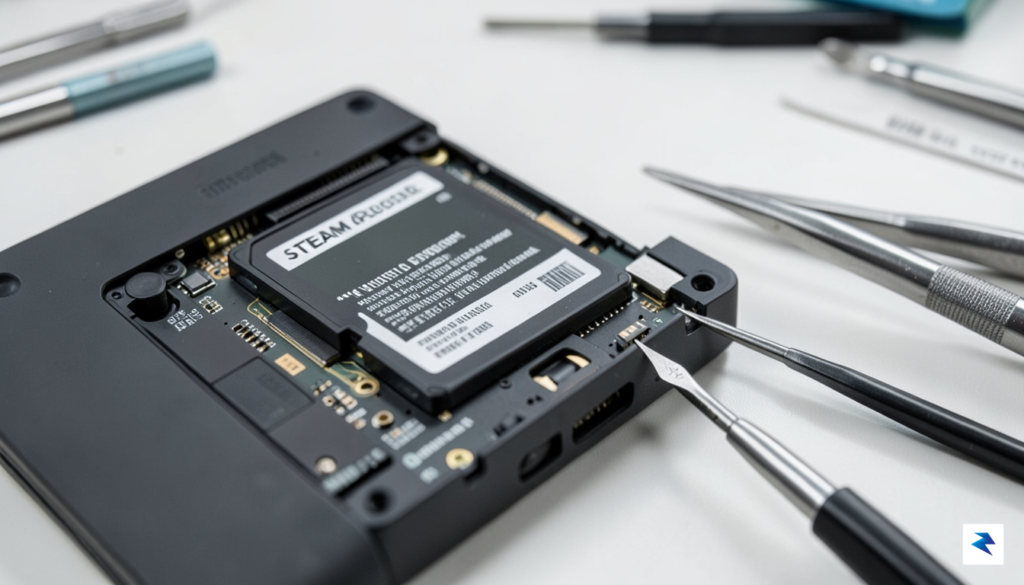
The availability of repair parts is a cornerstone of the Steam Deck ecosystem, and Valve’s rapid clarification serves as a reminder that the company views hardware longevity as a core pillar of its gaming philosophy.
Beyond the immediate relief felt by owners of the LCD model, this episode sheds light on the inherent complexities of maintaining a multi-year hardware ecosystem. When a company manages multiple iterations of a product—such as moving from the original LCD version to the refreshed OLED model—they must navigate the difficult task of managing distinct supply chains simultaneously. Often, what appears to be a phase-out is simply a transition period where manufacturing contracts are renegotiated or updated to meet current demand. By proactively addressing these rumors, Valve has reinforced its reputation as a champion of the “Right to Repair” movement, demonstrating that they are willing to course-correct when logistics issues threaten the user experience.
Ultimately, the situation underscores the importance of clear communication between manufacturers and their repair partners. While the confusion caused a brief period of panic, it also sparked a meaningful conversation about the necessity of long-term parts availability for consumer electronics. Users can now move forward with the assurance that their original Steam Deck units are not being relegated to obsolescence. Valve’s commitment ensures that even as technology advances, those who invested in the platform early on retain the ability to maintain and enjoy their hardware for years to come.
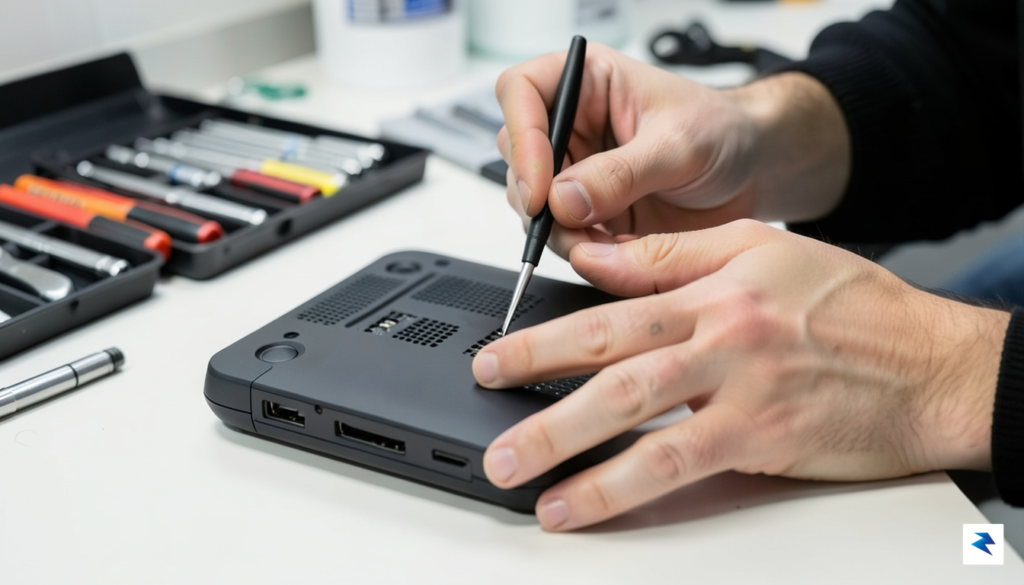
The push for DIY repairability represents a fundamental shift in our relationship with technology, moving away from a culture of disposable consumption toward a philosophy of genuine ownership. When a device is designed to be easily opened and serviced, the user ceases to be a mere tenant of hardware and instead becomes its steward. This empowerment is particularly vital in the gaming industry, where the rapid pace of hardware cycles often encourages players to discard perfectly functional machines in favor of the latest incremental update. By choosing to replace a battery rather than abandoning an entire console, players are actively reclaiming their autonomy and rejecting the planned obsolescence that has defined the consumer electronics landscape for far too long.
Beyond the personal satisfaction of maintenance, the environmental implications of this approach are profound. Electronic waste, or e-waste, has become one of the fastest-growing environmental crises of the modern era, with millions of tons of discarded gadgets leaking hazardous materials into landfills each year. When companies like Valve provide the parts and documentation necessary for self-repair, they are effectively mitigating this catastrophe by keeping hardware operational for years beyond its anticipated lifespan. Extending the life of a single device reduces the demand for raw material extraction and lowers the carbon footprint associated with the manufacturing and shipping of new units, proving that sustainability and high-end gaming are not mutually exclusive goals.
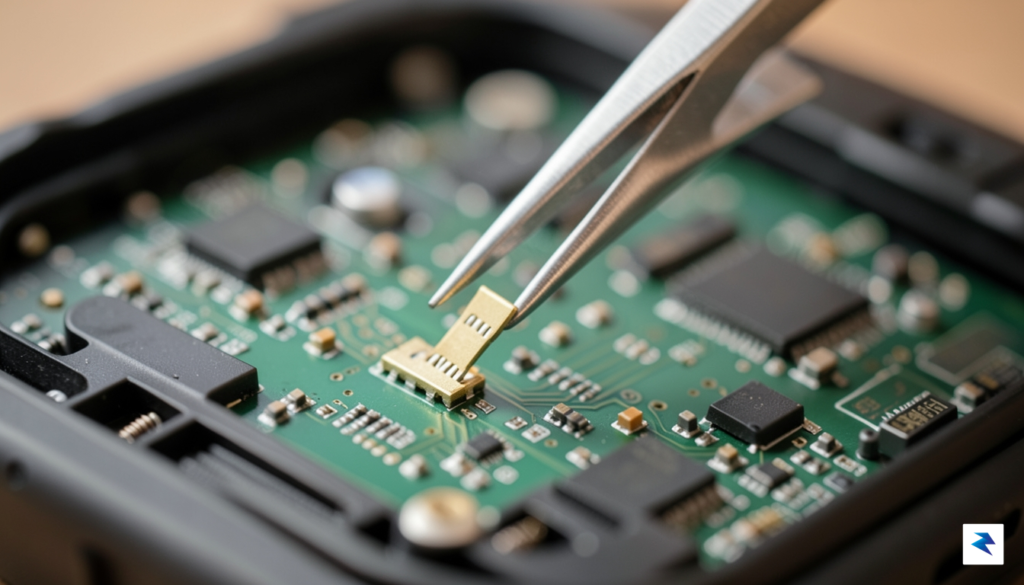
The true measure of a device’s quality should not just be how it performs on day one, but how easily it can be restored to that same performance three or five years down the road.
There is also a unique psychological bond that forms when a user invests the time to repair their own hardware. Opening a chassis to swap a battery or replace a thumbstick transforms a cold, black box into a familiar tool that you understand intimately. This “repaired” status grants the machine a sense of longevity and history, fostering a deeper appreciation for the technology that facilitates our digital hobbies. Furthermore, from a financial perspective, modularity significantly bolsters the resale value of gaming handhelds. A device with a well-documented path for battery replacement and component upgrades is far more attractive on the secondary market than a sealed, “non-serviceable” alternative, ensuring that the hardware retains its utility and value for a second, or even third, owner once the original user is ready to move on.
Maintaining a modular ecosystem benefits the entire gaming community by fostering a more stable and accessible marketplace. When components are standardized and readily available, the cost of ownership decreases significantly over the long term. Instead of paying for a costly, proprietary repair service or being forced to buy a new console when a battery degrades, users can execute simple, affordable fixes in the comfort of their own homes. This democratization of maintenance ensures that gaming remains an inclusive hobby, preventing the “digital divide” where only those with the financial means to buy the latest hardware every two years can remain relevant in the gaming space.
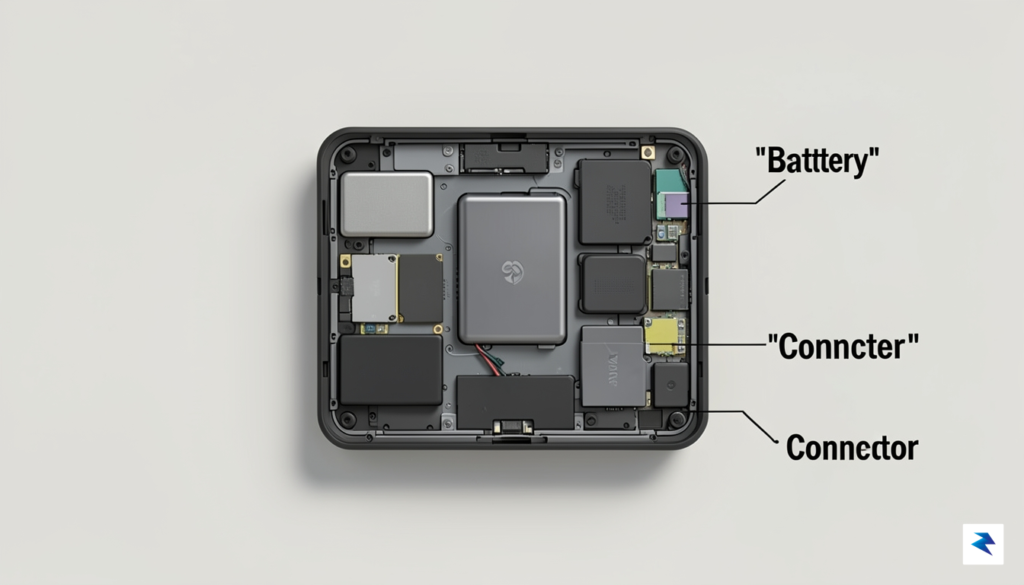
Opening up a handheld gaming PC might initially feel like an intimidating endeavor, especially when you consider the intricate engineering packed into the Steam Deck’s chassis. However, the process is far more approachable than it appears, largely thanks to a design philosophy that prioritizes modularity and repairability. By gathering the right tools and maintaining a methodical, patient approach, most users can successfully swap out their battery without needing professional technical experience. Before you begin, you will need a basic precision screwdriver kit—specifically featuring a Phillips #1 head—a plastic spudger or prying tool, and a pair of tweezers to handle delicate internal components safely.
Safety must always remain your highest priority when performing any internal hardware repair. The most critical step in this process is ensuring your Steam Deck’s battery is discharged below 25% before you even remove the back plate; this significantly minimizes the risk of fire or injury should the battery be accidentally punctured during removal. Furthermore, you should take precautions against static electricity by working on a non-conductive surface and periodically touching a grounded metal object to discharge any buildup. It is also wise to remove any jewelry or watches that could inadvertently bridge a connection or scratch the delicate internal circuit board.
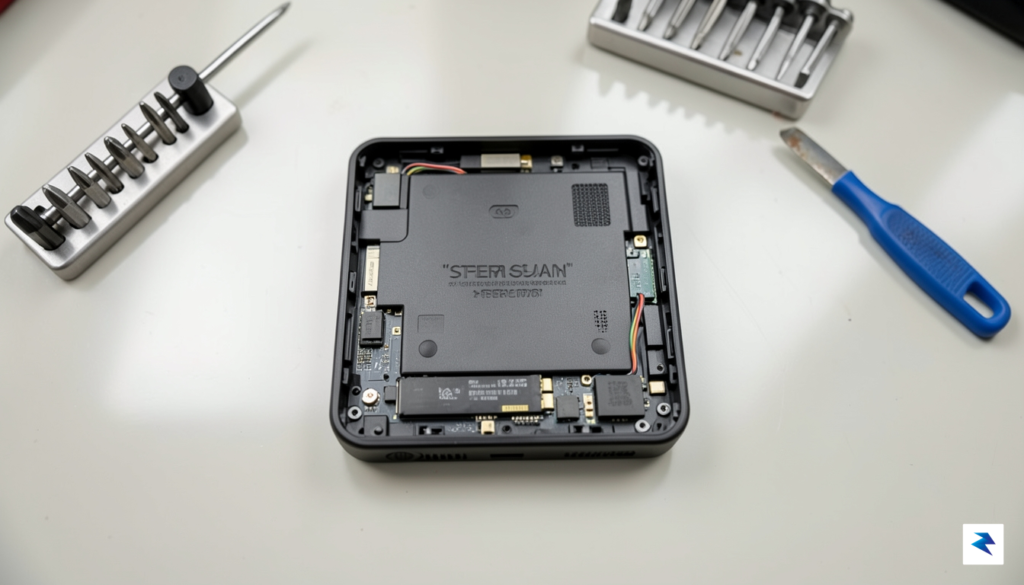
The gold standard for these repairs is the official documentation provided by iFixit, which Valve has worked closely with to ensure accuracy. These guides are meticulously detailed, offering high-resolution photographs and step-by-step instructions for every single screw and ribbon cable you will encounter. We strongly recommend keeping your smartphone or tablet nearby to follow these guides in real-time as you progress through the repair. Never force any component or connector; if something feels stuck, step back and re-read the guide, as there is almost certainly a hidden screw or a specific release latch that you may have overlooked.
Success in hardware repair is rarely about technical genius; it is almost always about patience, organization, and following validated instructions to the letter.
Ultimately, the ability to replace your own battery is a testament to the longevity of the Steam Deck platform. By choosing to perform this maintenance yourself, you not only save on repair costs and shipping times but also gain a deeper understanding of the device you use every day. With Valve and iFixit continuing their commitment to supplying official replacement parts, you can move forward with confidence, knowing that your handheld is designed to be maintained, upgraded, and enjoyed for years to come.
You must be logged in to post a comment.