Valve Confirms Continued Support for Steam Deck LCD Repairs
The Importance of Right-to-Repair for Handheld Gaming In the rapidly evolving landscape of portable gaming, the relationship between hardware…

Apple has quietly adjusted the financial landscape for its premium protection service, implementing a subtle but notable increase in the cost of AppleCare Plus for its Mac and iPad lineups. According to recent reports, the company is raising the subscription rates by a modest margin of $0.50 per month or $5 per year. While these figures may appear negligible when viewed in isolation, they represent a shift in the company’s pricing strategy for hardware support, signaling a move to account for the rising costs of repair components and increasingly complex device architectures. For consumers, this adjustment serves as a reminder that even the most comprehensive service plans are not immune to the inflationary pressures currently influencing the broader technology sector.
It is important for prospective buyers to note that these changes are strictly limited to new sign-ups. If you are already enrolled in an existing AppleCare Plus plan, your current billing rate remains unchanged, effectively grandfathering you into the previous pricing structure. This policy provides a necessary sense of stability for loyal customers who rely on Apple’s protection to mitigate the risks of accidental damage or hardware failure. However, for those preparing to purchase a new MacBook or iPad in the coming weeks, the price hike is an immediate consideration that should be factored into the total cost of ownership. By isolating the increase to new contracts, Apple manages to keep its existing user base satisfied while gradually recalibrating its revenue model for future hardware cycles.
This incremental price shift is far from an isolated incident; it reflects a broader industry trend where major tech manufacturers are increasingly leaning into subscription-based hardware protection services to bolster long-term profitability. As devices become thinner, more integrated, and significantly more expensive to repair, companies are pivoting toward “peace of mind” models to offset the risks associated with hardware maintenance. Rather than just selling a product, manufacturers are now selling an ongoing relationship that includes support, coverage, and repair services. This evolution marks a transition where the hardware itself is only one part of the ecosystem, with extended warranty programs becoming a vital pillar of the modern consumer electronics business strategy.
The shift toward subscription-based protection reflects the reality that modern, high-performance hardware requires a more sophisticated, and subsequently more expensive, support infrastructure.
Ultimately, while a five-dollar annual increase is unlikely to deter most buyers, it does raise valid questions about the long-term value proposition of these plans. Consumers must now weigh the modest price hike against the peace of mind that comes with accidental damage coverage and 24/7 technical support. As we look ahead, it is highly probable that we will see further refinements to these service tiers, as Apple and its competitors continue to balance the rising costs of advanced manufacturing with the need to provide accessible support options for a global audience.
When assessing the financial implications of Apple’s recent price adjustments for AppleCare Plus, it is tempting to view the additional cost as a negligible monthly or upfront surcharge. However, when you calculate the cumulative impact over the standard three-to-five-year lifespan of a Mac or iPad, the numbers reveal a shift in the total cost of ownership (TCO) that warrants careful consideration. For instance, a $30 to $50 increase per device may seem minor in isolation, but when scaled across multiple peripherals or an entire household’s ecosystem, the financial burden becomes significantly more pronounced. Over a five-year period, these incremental hikes can equate to the cost of an entry-level accessory or a substantial portion of a future hardware upgrade, essentially altering the long-term value proposition of the protection plan itself.
To understand the real-world impact, we must weigh these costs against the potential for catastrophic repair expenses. For professional users—such as graphic designers or software developers who rely on high-end MacBook Pro models—a single out-of-warranty screen replacement or motherboard repair can easily exceed $700. In this context, even with the updated pricing, AppleCare Plus remains a form of insurance that acts as a hedge against unpredictable, high-stakes expenditures. For the professional, the cost is effectively an amortized business expense that ensures operational continuity, making the price hike easier to justify as a line item in their annual budget. Conversely, for the casual user who primarily utilizes their iPad for media consumption, the cost-benefit analysis is much tighter; the likelihood of accidental damage may not justify the increased premium when balanced against the device’s depreciating market value.
The true cost of ownership isn’t just the purchase price of your hardware; it is the sum of every maintenance, insurance, and accessory expense incurred from the day of purchase until the device is decommissioned.
Ultimately, the decision to opt for AppleCare Plus under the new pricing structure depends on your specific usage patterns and risk tolerance. If you are a mobile user who frequently commutes with your hardware, the “peace of mind” premium is now more expensive, yet the statistical risk of accidental damage remains constant. To make an informed choice, consider the following factors in your financial planning:
Ultimately, while the price increase is undeniable, it forces a more rigorous approach to personal tech finance. By viewing these costs as a multi-year commitment rather than a one-time purchase, you can better determine whether the protection aligns with your personal budget and the actual utility you derive from your hardware on a daily basis.
Deciding whether to purchase extended protection for your hardware has always been a calculation of risk versus reward, but the recent adjustments to pricing models make this decision more nuanced than ever. At its core, AppleCare Plus is an insurance policy against the inevitable mishaps of daily life, such as a shattered iPad screen or a catastrophic liquid spill on your MacBook keyboard. While the upfront cost is undeniably higher, the alternative—paying out-of-pocket for out-of-warranty repairs on modern Apple silicon devices—is often prohibitively expensive. Because these machines are engineered with highly integrated components, a single hardware failure can frequently result in a flat-rate repair bill that rivals the cost of a brand-new entry-level device.
Beyond the simple math of repair costs, the true value of the service lies in the logistical convenience and the quality of the support provided. Subscribers gain 24/7 priority access to Apple experts, which can be an absolute lifesaver when you encounter a critical system error during a high-stakes project or a late-night deadline. Furthermore, having the assurance that your device will be serviced by Apple-certified technicians using genuine parts provides a level of quality control that third-party shops often struggle to match. For professionals who rely on their Mac or iPad as a primary workstation, this reliability functions as a form of business continuity insurance that is difficult to quantify in dollars alone.

The value of AppleCare Plus is not merely in the repair cost, but in the elimination of the “repair anxiety” that comes with owning high-performance, non-user-serviceable hardware.
However, users should approach the investment with a clear understanding of their own habits and risk tolerance. If you are a desktop user whose device rarely moves from a secure, stable environment, the statistical likelihood of accidental damage is significantly lower than that of a frequent traveler or a student who tosses their gear into a backpack daily. Before committing to the added expense, consider these factors to determine if the protection aligns with your usage patterns:
Ultimately, the decision rests on whether you view the service as a necessary tax on technology or an unnecessary expense. While the price hike is frustrating, the peace of mind offered by accidental damage coverage remains a compelling feature for those who cannot afford to have their digital lives interrupted by a sudden hardware failure. If you are prone to accidents or simply prefer the security of knowing that any major defect will be resolved without a massive invoice, the premium remains a logical, albeit more expensive, safeguard for your investment.
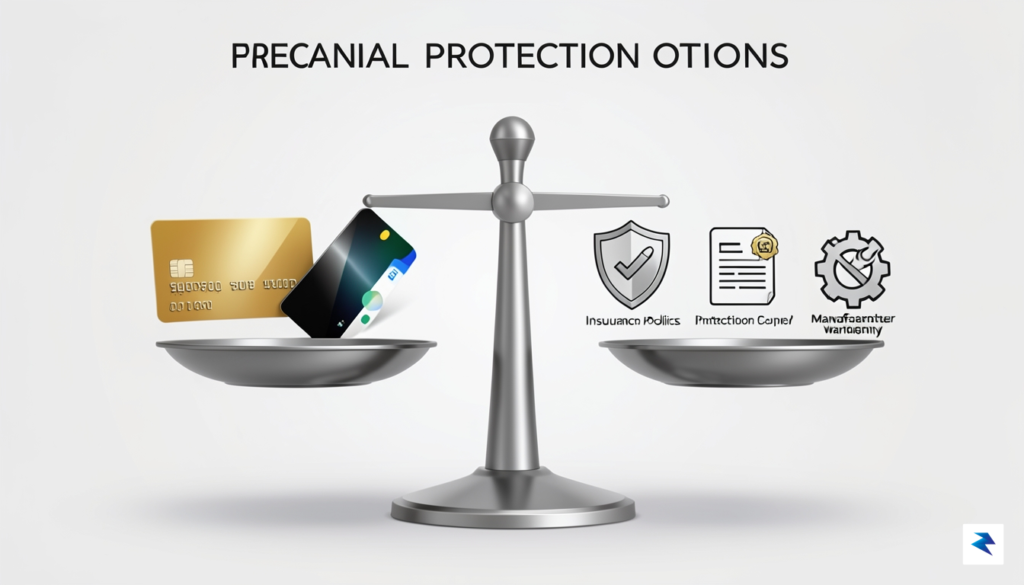
Before committing to Apple’s increasingly expensive protection plans, it is vital to survey the broader landscape of device insurance. Many consumers overlook the fact that they may already be covered by the very credit card used to purchase their Mac or iPad. Numerous premium credit cards offer built-in purchase protection and extended warranty benefits that automatically kick in once the manufacturer’s limited warranty expires. By simply using a card with these perks, you can often gain an extra year of coverage or reimbursement for accidental damage without paying a single cent in recurring subscription fees, effectively rendering Apple’s premium offering redundant for many users.
Beyond credit card benefits, third-party insurance providers such as SquareTrade (Allstate) or Upsie offer compelling alternatives that frequently undercut Apple’s pricing models. These companies operate by providing comprehensive plans that cover drops, spills, and hardware failures, often with more flexible deductible structures than the standard AppleCare model. When evaluating these services, however, it is essential to consider the trade-offs regarding the repair experience. While AppleCare Plus guarantees repairs at an official Apple Store using genuine parts and certified technicians, third-party providers may require you to ship your device to a remote facility or visit an authorized service provider that might not offer the same level of convenience or speed as a local Genius Bar.
The decision to bypass first-party coverage hinges on your appetite for administrative friction versus the desire for seamless support. Opting for a third-party policy often involves a more rigorous claims approval process; you may be asked to provide extensive documentation or diagnostic proof before a repair is authorized. Furthermore, while the upfront cost of these independent policies is often lower, the turnaround time for receiving a functional device can be significantly longer than the “walk-in” culture associated with Apple’s retail locations. For a power user whose professional workflow depends on a quick turnaround, the premium paid for AppleCare is often a payment for convenience rather than just hardware protection.
Key takeaway: If you prioritize a “hassle-free” experience at a local store, stick with Apple; if you are comfortable with shipping your device and want to save on monthly costs, third-party providers are a viable alternative.
Ultimately, the practice of “self-insuring”—essentially setting aside the money you would have spent on protection into a high-yield savings account—remains an underrated strategy for those who are careful with their technology. If you have a history of keeping your devices in pristine condition, the cumulative cost of multi-year insurance plans often exceeds the price of a single out-of-warranty repair. By weighing the specific reliability of your hardware against your personal usage habits, you can decide whether the peace of mind offered by Apple is truly worth the recent price hike or if your financial resources are better managed elsewhere.

Deciding whether to invest in extended coverage has become more complex as the costs associated with Apple’s protection plans climb. To determine if the latest price adjustment justifies a purchase, you must move beyond a simple “yes” or “no” and instead evaluate your personal habits and the financial impact of a potential hardware failure. Start by asking yourself how frequently your device leaves the safety of your desk. If you are a mobile professional or a student who tosses a MacBook into a backpack daily, the statistical likelihood of accidental damage—such as a cracked screen or a liquid spill—increases significantly. In these instances, the high cost of out-of-warranty repairs often dwarfs the price of the plan, making it a form of essential financial insurance.
Beyond physical mobility, consider the role your hardware plays in your daily life. Is your machine a mission-critical tool that sustains your income? For freelancers, developers, and creatives, a broken laptop is not just an inconvenience; it is a direct threat to productivity and revenue. If your workflow relies on immediate access to a functional device, having AppleCare Plus allows you to tap into expedited repair services and technical support that can save you days of downtime. Conversely, if you own a secondary iPad that stays on a nightstand for casual reading or media consumption, the cost-benefit analysis shifts dramatically in favor of skipping the plan.
Before committing to an additional subscription, it is prudent to investigate your existing coverage landscape. Many modern credit cards offer built-in purchase protection or extended warranty benefits that automatically kick in when you buy electronics with that specific card. Furthermore, if you carry comprehensive home or renters insurance, check your policy details to see if accidental damage to personal electronics is covered under your plan. Relying on these pre-existing safety nets can often provide similar peace of mind without the recurring expense of a dedicated device-specific policy.
To simplify your decision-making process, categorize your needs based on these three core pillars: portability, necessity, and alternative coverage.
Ultimately, you should opt into the protection plan if the peace of mind outweighs the upfront expense, particularly if you are prone to accidents or rely on your device for your livelihood. However, you are likely better off skipping it if you are a careful user with a stable home environment, or if you already possess a robust insurance policy that covers accidental damage. By auditing your specific usage patterns against these risks, you can make a data-driven choice that protects your wallet just as much as it protects your hardware.
You must be logged in to post a comment.