
Fora Hits $1B Valuation: How AI is Transforming the Modern Travel Agency
The Evolution of Travel Planning in the AI Era For decades, the journey from travel inspiration to itinerary confirmation was a…
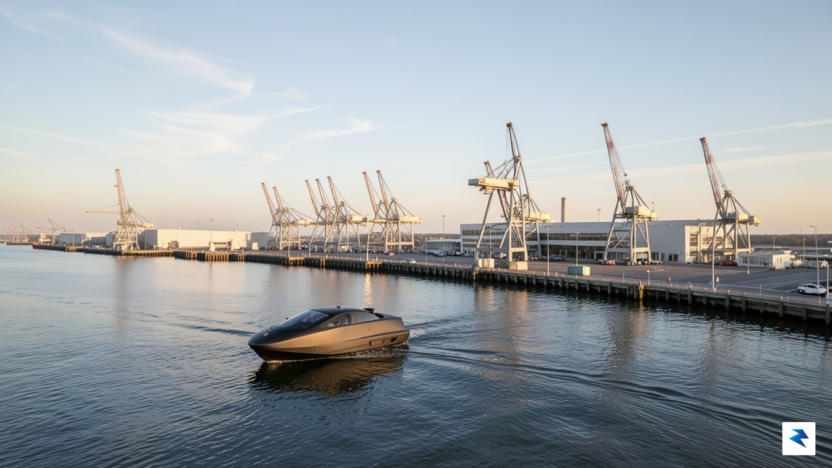
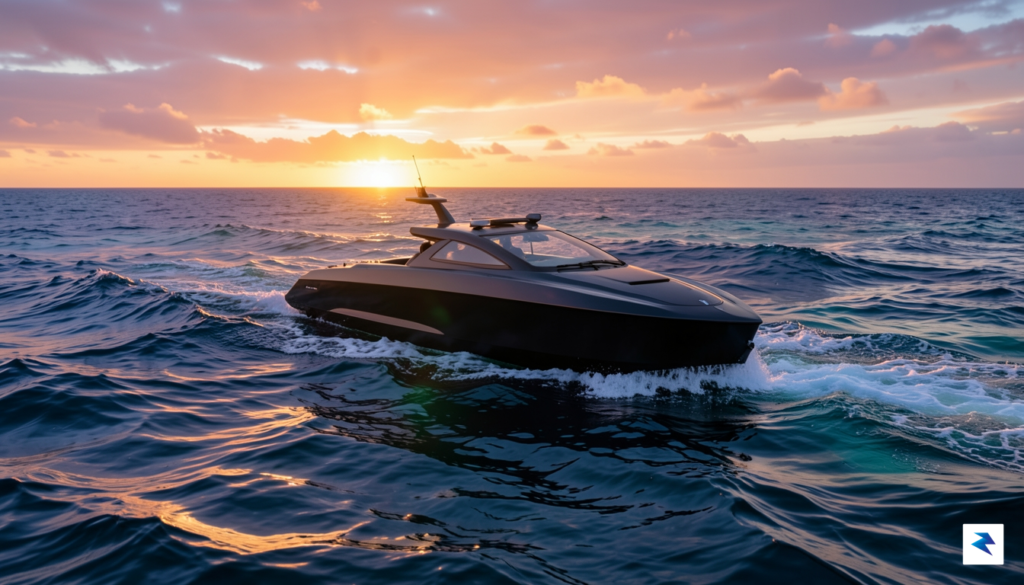
The maritime domain is currently undergoing a structural transformation that mirrors the rapid evolution seen in aerial and ground-based robotics. For decades, naval operations were defined by the presence of large, heavily manned surface combatants that required significant logistics and personnel to operate safely in contested environments. Today, however, the industry is pivoting toward Unmanned Surface Vessels (USVs) as the new cornerstone of naval strategy. These platforms have evolved from experimental prototypes—often relegated to simple surveillance tasks—into highly sophisticated, mission-critical assets capable of executing complex maneuvers, intelligence gathering, and precision strikes in the most challenging maritime theaters across the globe.
At the forefront of this shift is Saronic, a company that has successfully bridged the gap between cutting-edge software development and rugged, scalable hardware production. The tactical advantages of their drone boats are becoming impossible to ignore: they offer unparalleled speed, inherent modularity, and the operational agility to navigate high-risk zones without placing human crews in harm’s way. By removing the biological limitations of a traditional vessel—such as the need for bunks, galleys, and life support systems—these autonomous boats can be designed with a smaller radar cross-section and significantly higher endurance. This is not merely an incremental improvement in naval hardware; it is a fundamental rethinking of how maritime power is projected in an era of persistent geopolitical tension.
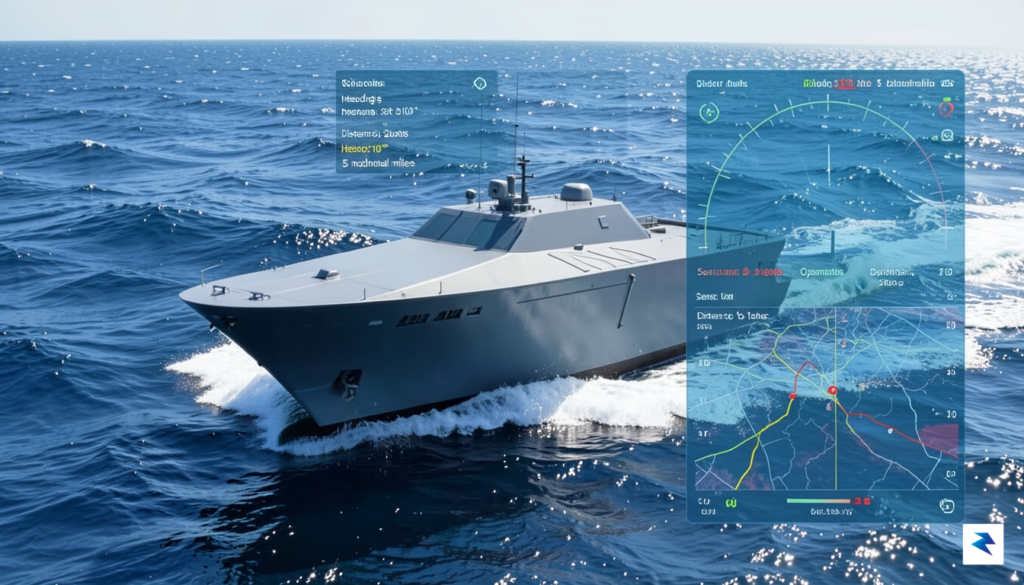
The strategic value of this technology lies in its ability to operate in “denied” areas where traditional warships would be deemed too vulnerable to deploy. Because these vessels are relatively inexpensive and easily replaceable compared to multi-billion-dollar destroyers, they allow naval forces to engage in “distributed maritime operations.” This doctrine relies on deploying a swarm of smaller, interconnected assets that can overwhelm an adversary’s sensors and defenses through sheer presence and coordination. As defense modernization accelerates, the ability to manufacture these platforms at scale—the core mission behind the new Texas shipyard—becomes the ultimate competitive advantage.
The integration of autonomous systems into the modern fleet represents a shift toward a more resilient, scalable, and cost-effective model of naval deterrence that prioritizes data-driven decision-making over human-centric platforms.
Ultimately, the rise of Saronic and the broader USV sector signals a move toward a future where the seas are no longer exclusively dominated by massive, centralized capital ships. As these autonomous systems become more intelligent, capable of collaborating in swarms and reacting to dynamic threats in real-time, the traditional constraints of naval warfare will continue to erode. By establishing a dedicated facility for the mass production of these maritime drones, the industry is preparing for a reality where the control of the oceans is decided as much by algorithmic efficiency and industrial output as it is by the bravery of those who command them from a distance.
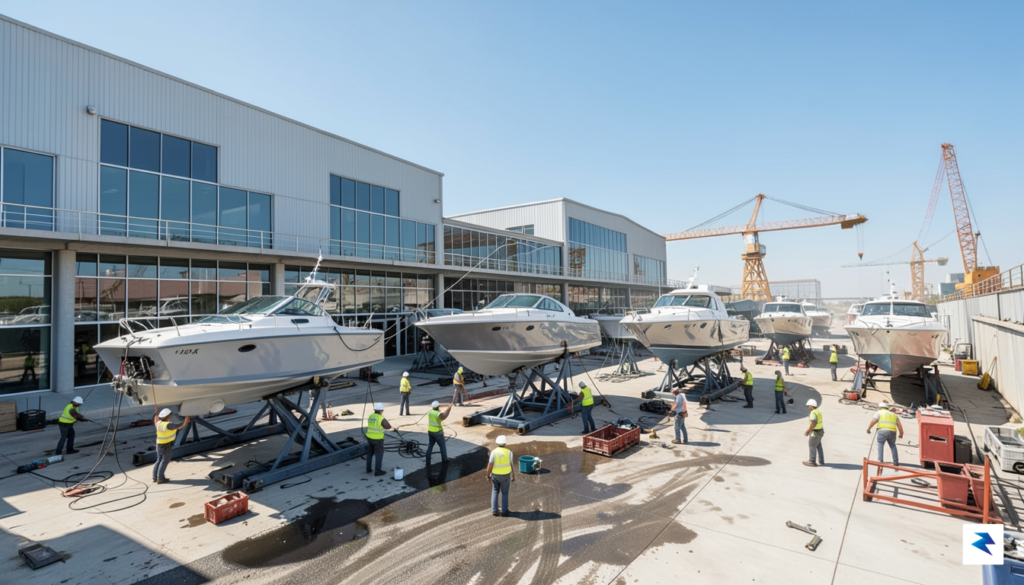
The decision by Saronic Technologies to plant its roots in the Texas industrial landscape is far more than a simple real estate acquisition; it is a calculated move to harmonize high-tech innovation with the raw power of American manufacturing. By selecting a location in Texas, the company is tapping into a unique trifecta of strategic advantages: a deep, specialized talent pool, a business-friendly environment that encourages rapid scaling, and critical proximity to the Gulf Coast’s logistical infrastructure. This region offers unparalleled access to maritime supply chains and a workforce that is well-versed in both traditional shipbuilding and modern aerospace engineering, providing the ideal soil for the next generation of autonomous surface vessels to flourish.
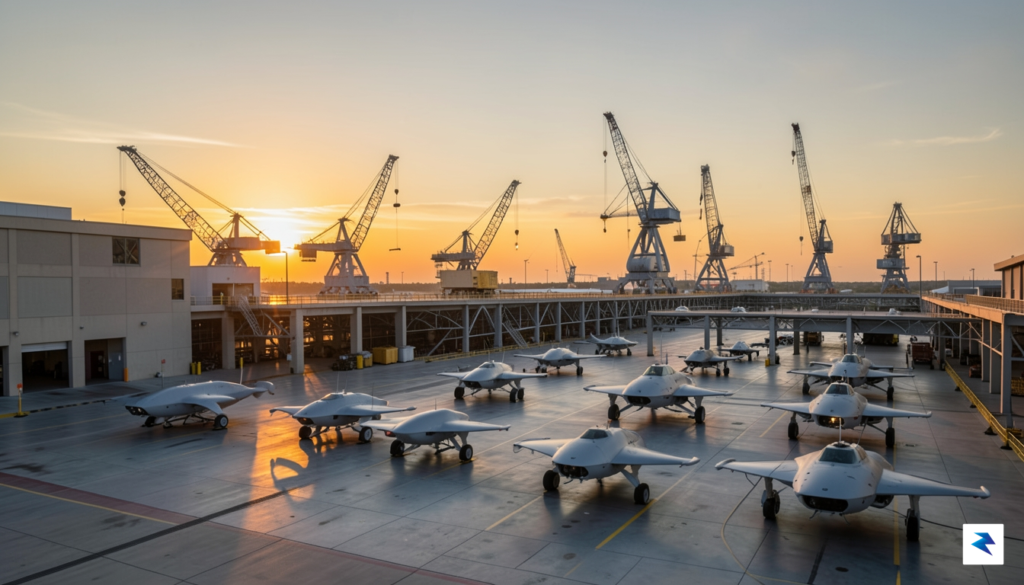
For years, the development of maritime drones has been largely confined to small-batch prototyping, where each vessel was crafted with the precision of a research project rather than the efficiency of a weapon system. Saronic’s new facility is designed to break this bottleneck by transitioning the company into a true industrial-scale manufacturer. This shift is essential for meeting the growing demands of modern naval warfare, where the ability to deploy large fleets of affordable, attritable drones can fundamentally alter the balance of power on the high seas. By integrating automated production lines and advanced material fabrication under one roof, the shipyard will shorten lead times significantly, moving from the slow, iterative cycles of the past to a high-throughput model capable of meeting urgent defense procurement needs.
The transition from prototype to industrial-scale manufacturing is the most significant hurdle for any defense startup; by localizing production in Texas, Saronic is effectively securing the supply chain necessary to turn bold concepts into a consistent, reliable fleet of autonomous assets.
Beyond the immediate manufacturing gains, this expansion serves as a major signal to the broader defense ecosystem that the era of autonomous maritime dominance is here to stay. Integrating a dedicated shipyard into the Texas tech corridor allows Saronic to iterate on designs in real-time, utilizing feedback from field deployments to refine and upgrade their hardware with unprecedented speed. This agility is the primary differentiator in modern maritime competition. As the company scales, this Texas facility will likely become the heartbeat of their operations, ensuring that the United States maintains a decisive edge in autonomous maritime technology by proving that massive, high-performance drone fleets can be manufactured with the same reliability and precision as traditional naval surface combatants.
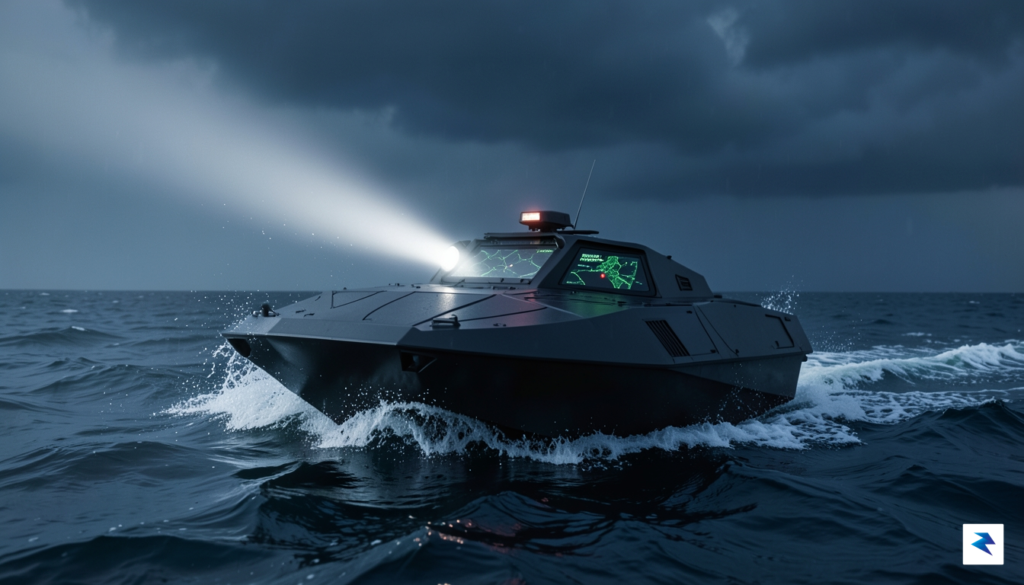
While the headlines often focus on the tactical deployment of autonomous surface vessels (ASVs) in volatile conflict zones, the underlying technology developed by companies like Saronic is fundamentally reshaping how we navigate the challenges of the open ocean. These drone boats are not merely tools of war; they are sophisticated, adaptable platforms designed to navigate treacherous environments where human intervention is either too risky or logistically impossible. A recent, high-stakes example of this utility occurred during the recovery efforts for a downed Apache helicopter. In this scenario, the autonomous vessel was able to navigate the debris field with surgical precision, relaying real-time data back to command centers without ever putting a human diver or pilot in harm’s way. By leveraging advanced computer vision and autonomous navigation, the craft demonstrated that the most valuable asset in modern maritime operations is the ability to maintain a persistent presence without the constraints of biological endurance.
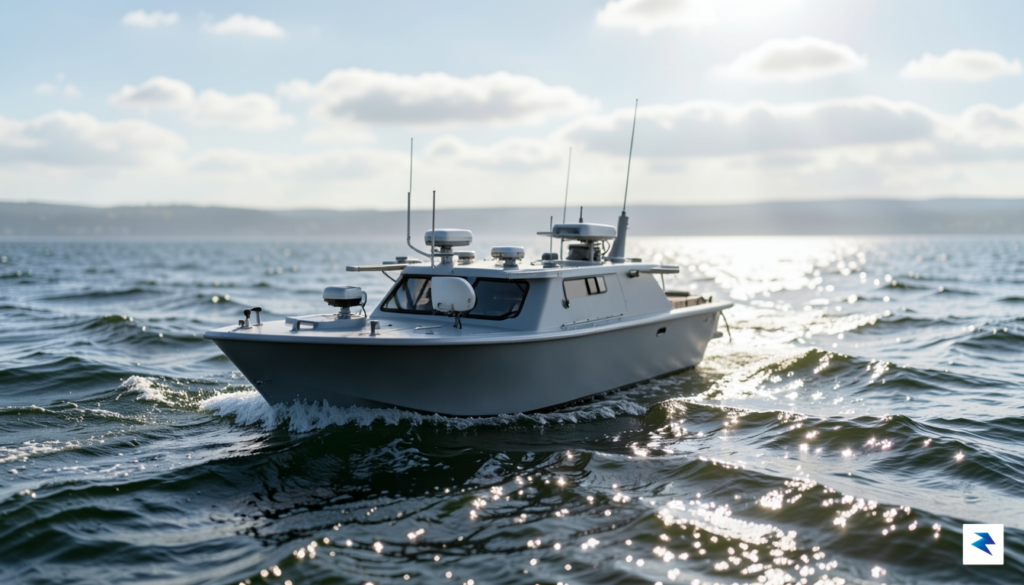
The success of these operations highlights a broader shift toward integrating autonomous systems into civilian and humanitarian frameworks. Beyond military theater, the potential for these vessels in search-and-rescue (SAR) missions is profound. When disaster strikes—whether in the form of a major maritime accident, a natural flood, or a large-scale environmental crisis—time is the most critical variable. Autonomous drone boats can be deployed near-instantaneously, operating 24/7 in conditions that would force human-crewed vessels to retreat to port. These platforms can scan vast swathes of the ocean, utilize thermal imaging to locate survivors in the dark, and establish communication relays that act as a lifeline for those waiting for rescue. Because these boats are uncrewed, they can operate in high-risk zones, such as areas affected by toxic spills or severe storm surges, where human rescuers would otherwise face life-threatening exposure.
The true promise of autonomous maritime technology lies in its ability to extend our reach into the most dangerous corners of the globe, turning a logistical nightmare into a manageable, data-driven operation.
Furthermore, the scalability provided by a dedicated domestic shipyard suggests that these technologies will soon become standard equipment for coast guards, environmental protection agencies, and commercial shipping operations. By automating routine security patrols and environmental monitoring, organizations can reserve their human personnel for tasks that require high-level cognitive judgment and empathy. In the civilian sector, this translates to safer shipping lanes, more efficient disaster response times, and a significantly lower probability of loss of life during maritime emergencies. As the industry moves toward this modular, high-tech future, the distinction between a military vessel and a civilian rescue platform will continue to blur, eventually leaving us with a maritime fleet that is defined by its ability to save lives and protect infrastructure, regardless of the mission’s complexity.
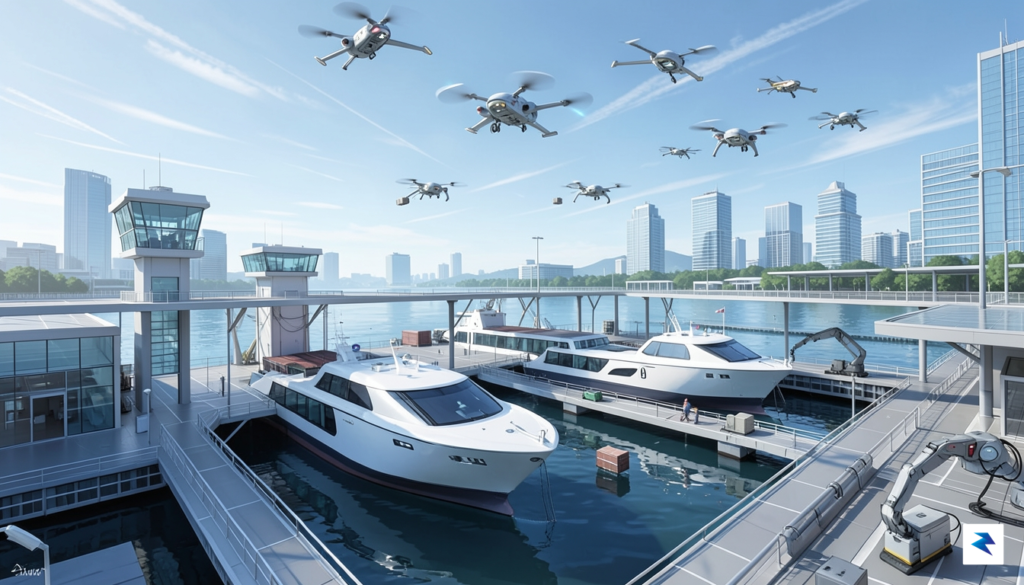
While the rapid expansion of autonomous naval manufacturing is currently driven by the urgent demands of modern defense and geopolitical stability, the underlying architecture of these drone vessels is destined to reshape the global supply chain far beyond the battlefield. The transition from military application to commercial maritime utility represents a natural evolution for autonomous technology, where the high-stakes navigation and sensor-fusion capabilities developed for conflict zones will soon be applied to the more mundane, yet equally vital, tasks of global trade. By leveraging these advanced navigation systems, commercial shipping lines can potentially optimize fuel consumption and route planning with a level of precision that human-operated vessels struggle to maintain under fatigue or adverse weather conditions.
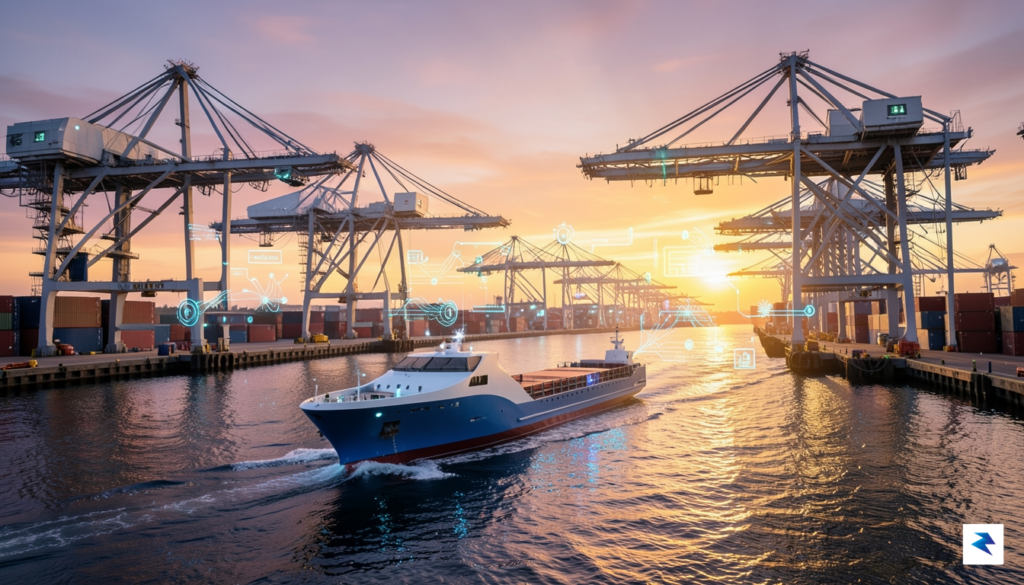
The integration of autonomous naval platforms into commercial logistics promises to drastically reduce operational overhead while simultaneously bolstering safety in some of the world’s most congested shipping lanes. In the civilian sector, the primary hurdle for long-haul shipping often involves the human element—managing crew fatigue, labor costs, and the risks associated with human error during complex docking maneuvers. By adopting the sensor-rich, self-correcting systems currently being refined in Texas, shipping companies can move toward a model of “supervised autonomy.” In this framework, human operators on land oversee a fleet of vessels, intervening only when the system encounters an anomaly, which effectively transforms the traditional role of a maritime navigator into that of a high-tech systems manager.
The leap from tactical maritime drones to commercial logistics is not merely about replacing human labor; it is about scaling efficiency and safety in environments where precision is the ultimate currency.
Furthermore, the lessons learned in high-intensity defense environments are already accelerating the establishment of global safety standards for autonomous vessels. As these drone ships operate in environments that require constant threat detection and collision avoidance, the software becomes exponentially more robust than systems designed solely for calm, predictable waters. When this technology is adapted for commercial use, it brings with it a pedigree of reliability that will be essential for navigating crowded port authorities and busy coastal corridors. As regulatory frameworks catch up to these technological advancements, we can expect a future where autonomous vessels serve as the backbone of “just-in-time” delivery networks, ensuring that goods move from port to port with unprecedented accuracy, lower carbon footprints, and a significantly reduced probability of maritime accidents.
The establishment of a dedicated domestic shipyard for autonomous maritime vessels marks a pivotal turning point in how the United States approaches defense manufacturing. By bringing the production of cutting-edge drone boats back onto American soil, the industry is effectively insulating itself from the vulnerabilities of global supply chains that have historically plagued defense procurement. This move toward technological sovereignty ensures that the intellectual property, hardware assembly, and software integration remain within reach of domestic oversight, creating a secure pipeline for assets that have already proven their strategic value in volatile regions across the globe. As international maritime tensions rise, the ability to rapidly iterate on these platforms without reliance on overseas components or foreign labor represents a significant competitive advantage.
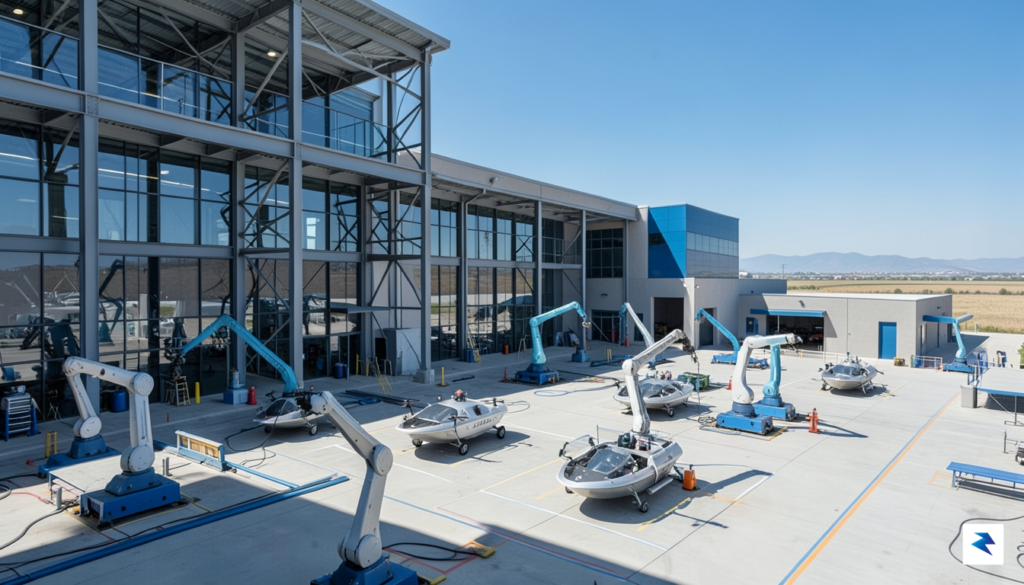
Beyond the immediate security benefits, this industrial expansion serves as a catalyst for a long-term shift in the maritime workforce. The transition from traditional shipbuilding to the assembly of sophisticated, autonomous systems requires a new generation of talent proficient in robotics, remote-sensing technologies, and complex software engineering. By fostering this ecosystem in Texas, the industry is not merely creating manufacturing jobs; it is building a deep bench of specialized expertise that will anchor the future of naval innovation for decades to come. This focus on domestic human capital ensures that the nation maintains the institutional knowledge required to sustain and evolve its autonomous fleet in real-time, adapting to battlefield lessons without the delays inherent in international logistics.
The shift toward onshoring essential defense technologies is more than an economic trend; it is a fundamental transformation of the industrial base designed to ensure mission readiness in an era of persistent maritime competition.
Furthermore, the long-term impact of this facility extends to the speed of innovation. When design teams and production lines are co-located, the feedback loop between operational deployment and engineering improvements tightens significantly. This proximity allows for rapid prototyping and the immediate integration of lessons learned from the field into the next generation of vessels. By maintaining a domestic supply chain for autonomous maritime assets, the defense sector can move away from the slow, lumbering procurement cycles of the past and toward a more agile, software-defined maritime posture. Ultimately, this strategic investment reinforces the United States’ ability to project power and maintain stability in contested waters through technological superiority, ensuring that the next generation of naval defense is built, tested, and perfected by American ingenuity.
You must be logged in to post a comment.