
Beyond the Hookup: The Unmet Promise of the Goose App
The Promise of Digital Connection: What is Goose? For many gay men, the digital landscape of the last decade has felt increasingly hollow,…
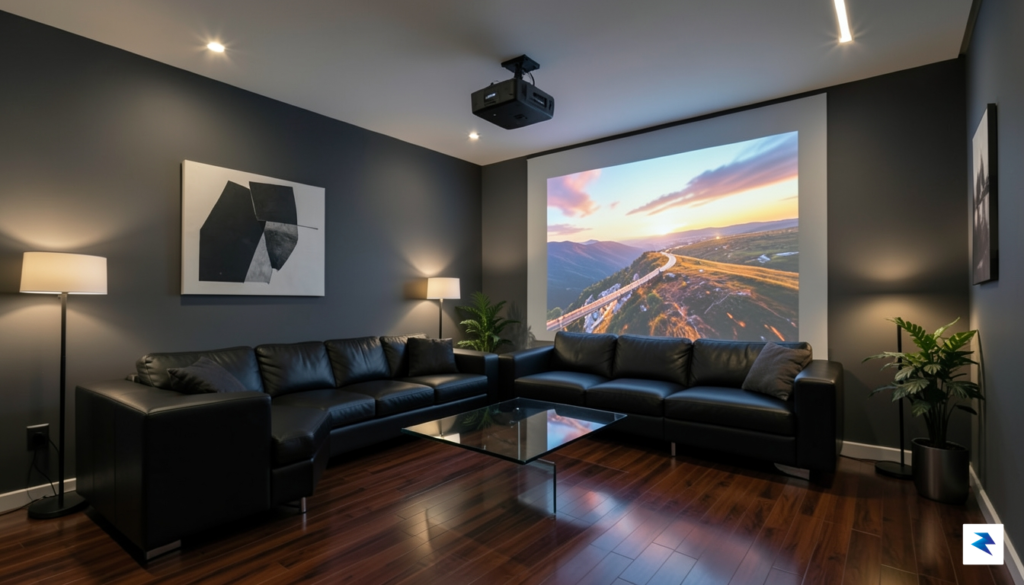
The landscape of home entertainment is undergoing a significant transformation, particularly within the realm of large-screen projection. For years, the choice for a truly cinematic experience at home often meant a compromise between screen size and display quality, with projectors traditionally lagging behind the vibrant, accurate colors of high-end televisions. However, a massive shift is now underway as manufacturers begin to adopt advanced backlighting and color reproduction techniques previously reserved for premium flat-panel displays. The Hisense XR10 Smart Projector stands at the forefront of this evolution, representing a bold step forward by leveraging true RGB laser power to bridge the gap between conventional projection systems and the sophisticated smart display experiences we’ve come to expect from top-tier TVs.
Historically, home projectors relied on a variety of light sources, each with its own set of advantages and limitations. Traditional lamp-based projectors, while affordable, often suffered from limited brightness, a relatively short lifespan, and a gradual degradation of color over time, necessitating frequent and costly lamp replacements. The advent of single-laser projectors marked a significant improvement, offering enhanced brightness and a dramatically longer operational lifespan, but even these often struggled to achieve the full, rich spectrum of colors necessary for truly accurate and immersive visuals, typically relying on a color wheel that could introduce artifacts or limit saturation.
This is precisely where true RGB laser technology emerges as a game-changer, fundamentally redefining what’s possible in home projection. Unlike its predecessors, an RGB laser system generates red, green, and blue light directly from individual laser sources, combining them to produce an incredibly wide color gamut and unparalleled color accuracy. This direct approach eliminates the need for color wheels or phosphor conversions, resulting in breathtakingly vibrant images, sharper contrast, and a level of color fidelity that rivals, and in some cases surpasses, premium LED and OLED televisions. It’s this precise control over the primary colors that allows for a picture that feels more lifelike and engaging than ever before, elevating the entire viewing experience.
The Hisense XR10 embodies a powerful trend often referred to as the ‘TV-tech’ crossover. Innovations in display technology, particularly those driving the stunning visuals of modern QLED and OLED televisions – from sophisticated image processing to intelligent ambient light sensors and advanced smart platforms – are now seamlessly migrating into the projector space. This integration means that devices like the XR10 are no longer just ‘dumb’ display devices; they are comprehensive smart entertainment hubs. They offer intuitive operating systems, built-in streaming apps, and sophisticated picture enhancement features, making them a central component of a connected home cinema setup rather than just an accessory.
Consequently, the Hisense XR10 positions itself as more than just another projector; it’s a hybrid device designed for the modern living room, offering a premium viewing experience that successfully marries the best aspects of both worlds. It delivers the immense, immersive scale that only projection can provide, combined with the vivid colors, deep contrast, and smart functionality previously exclusive to high-end televisions. As we delve deeper into its capabilities, it becomes clear that the XR10 represents a significant leap forward, solidifying RGB laser technology as the new gold standard for those seeking uncompromising picture quality and smart integration in their home cinema setup.
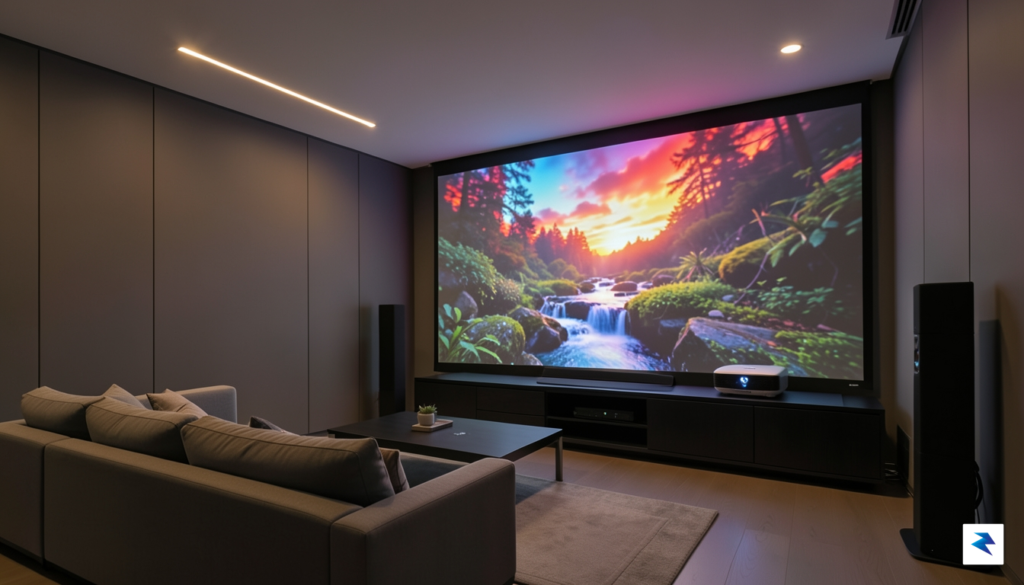
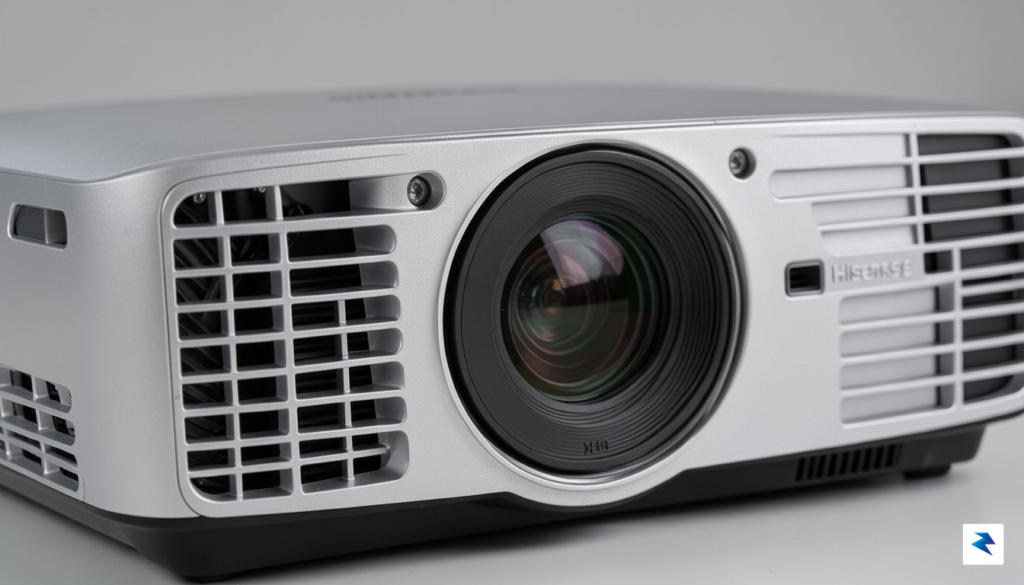
Upon first unboxing the Hisense XR10, it becomes immediately clear that this is not a device designed for casual portability or occasional shelf-hopping. Weighing in at a substantial heft, the projector feels incredibly dense and well-constructed, signaling a departure from the plastic-heavy portable units that saturate the current market. Its dimensions are generous, demanding a permanent, dedicated footprint in your home theater setup rather than a quick stow-away solution. This physical presence is an intentional design choice, crafted to house the sophisticated optical engine and high-grade internal components that distinguish it from lesser models.
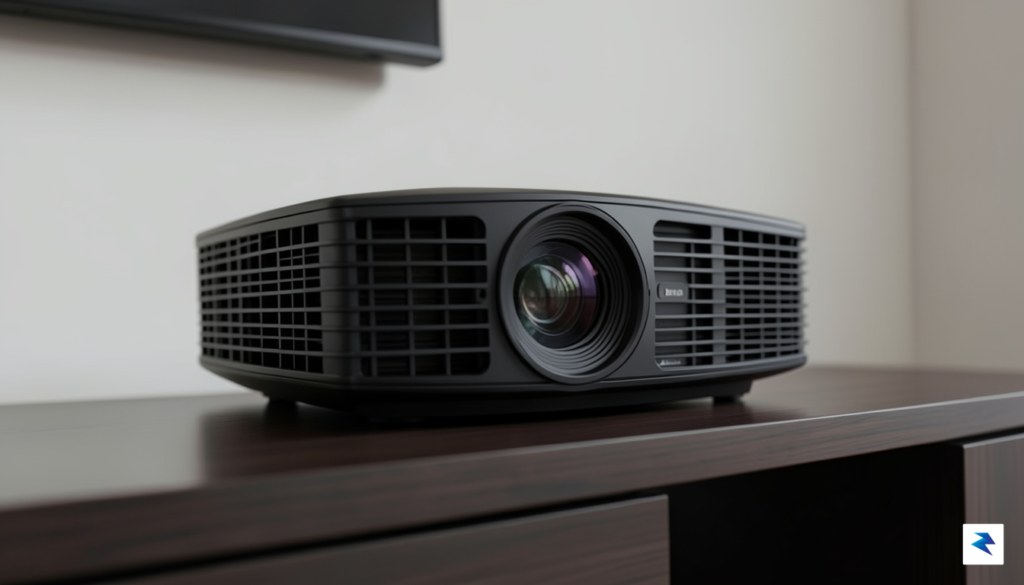
The aesthetic approach leans into a refined, professional minimalism that allows the device to blend seamlessly into modern living spaces. The exterior features a premium matte finish that effectively resists unsightly fingerprints and cuts down on unwanted light reflections, ensuring that the projector remains unobtrusive even when the lights are turned up. Beyond just looks, the chassis is engineered with purpose-built ventilation ports that wrap elegantly around the frame. These are not merely decorative elements; they are vital conduits for the active thermal management system required to keep the powerful RGB laser light source operating at peak efficiency.
The substantial size of the XR10 is a testament to its performance; by prioritizing a robust cooling architecture, Hisense ensures that the projector maintains its high-brightness output without succumbing to the thermal throttling that plagues smaller, more compact designs.
Ultimately, the size of the XR10 is a functional byproduct of its ambition. Achieving the vivid color accuracy and high-lumen brightness of a true RGB-powered projection system requires significant space for heat dissipation and air circulation. By opting for a larger, sturdier build, Hisense has successfully mitigated the noise levels typically associated with smaller, high-speed fans, resulting in a cooling system that hums along quietly even during demanding movie marathons. This design philosophy prioritizes longevity and sustained high-fidelity performance, making the XR10 feel less like a consumer gadget and more like a permanent, foundational pillar of a high-end cinematic experience.
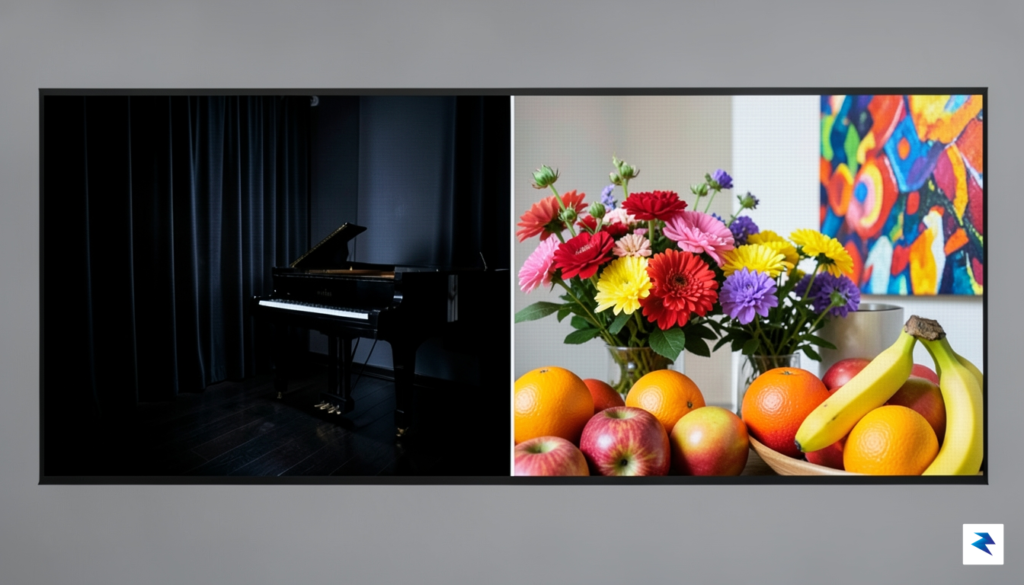
At the heart of the XR10 lies a sophisticated RGB light engine that fundamentally shifts the paradigm of home projection. Unlike traditional LED or standard DLP systems that often rely on a phosphor-converted light source to simulate white light, the XR10 utilizes dedicated red, green, and blue lasers. This spectral purity is a game-changer because it eliminates the color dilution that occurs when white light is forced through a color wheel. By generating primary colors directly at the source, the projector achieves an expansive color gamut that feels significantly more lifelike and intense than what we have come to expect from standard home theater units.
The impact of this technology is most apparent when viewing high-contrast scenes that demand both deep blacks and piercing highlights. Because the RGB system provides such precise control over the light output, the XR10 manages to maintain rich, saturated tones even in the darkest shadows of a film. Whereas standard projectors might wash out or exhibit a muddy grey tint in low-light environments, this unit retains distinct color information, ensuring that a night sky or a dimly lit interior doesn’t lose its depth. This ability to preserve color fidelity across the entire brightness spectrum is exactly why HDR content feels so transformative on this device; you aren’t just getting a brighter image, you are getting a more nuanced one.
Beyond contrast, the peak brightness levels achieved by the RGB configuration allow the XR10 to hold its own in less-than-ideal lighting conditions. While most projectors suffer from “washed-out” colors when ambient light enters the room, the sheer intensity and spectral focus of the RGB lasers cut through external interference with ease. This means you don’t necessarily need a pitch-black dedicated cinema room to enjoy a high-quality experience. The vibrancy of the colors ensures that images “pop” off the screen, providing a level of visual engagement that remains consistent regardless of whether you are watching a sunny sports broadcast or a moody, dark-themed thriller.
The integration of a pure RGB light engine moves the home projector closer to the color accuracy of professional studio monitors, bridging the gap between convenience and high-end cinematic precision.
Ultimately, the move to an RGB-powered architecture is about more than just marketing specifications; it is about reclaiming the visual impact that is often lost in translation between the movie theater and the home. By ensuring that every color channel is independently driven and perfectly balanced, Hisense has created a projector that understands the importance of light purity. For the viewer, this translates into a viewing experience that feels less like watching a projection and more like staring through a high-definition window into the content itself.
A home theater display is only as impressive as the software powering it, and the Hisense XR10 understands that modern viewers demand a seamless, all-in-one ecosystem. Gone are the days of fumbling with external streaming sticks or managing a clutter of HDMI dongles; the XR10 comes equipped with a sophisticated, user-centric operating system that prioritizes speed and accessibility. From the moment you power on the unit, the interface presents a clean, intuitive dashboard that organizes your preferred applications and input sources into a layout that feels instantly familiar. Whether you are navigating through high-definition streaming catalogs or adjusting fine-tuned display settings, the OS remains fluid, responsive, and remarkably devoid of the lag that often plagues lower-tier smart projectors.
The app compatibility on the XR10 is comprehensive, ensuring that users have immediate access to all major streaming platforms, including Netflix, Disney+, and Amazon Prime Video, right out of the box. Setup is impressively streamlined, utilizing a guided on-screen process that automatically detects your wireless network and optimizes display parameters based on your specific room configuration. For those who prefer a more personalized environment, the system offers robust search functionality and content recommendations that learn your viewing habits over time. Furthermore, the inclusion of modern wireless connectivity options—specifically high-speed dual-band Wi-Fi and Bluetooth 5.0—ensures that your media streams remain stable and your audio peripherals, such as soundbars or wireless headphones, pair without a hitch.
Gamers will be particularly interested in the XR10’s performance regarding input lag, a common pain point for projection systems. Thanks to a dedicated gaming mode, the projector significantly reduces latency, allowing for a snappy, responsive experience whether you are playing fast-paced competitive titles or immersive single-player adventures. While it may not replace a high-refresh-rate monitor for professional esports, it is more than capable of delivering a high-quality, cinematic experience for casual and console gaming alike. By minimizing internal processing overhead, the projector ensures that controller inputs feel immediate, bridging the gap between traditional television gaming and the expansive, wall-filling immersion of a home cinema.
The integration of native streaming support combined with low-latency gaming modes positions the XR10 not just as a display, but as a central hub for all home entertainment needs.
In addition to its software prowess, the projector features versatile physical connectivity options that complement its smart ecosystem. Multiple HDMI ports, including support for ARC/eARC, allow for easy integration with advanced surround sound systems, ensuring that your audio quality matches the impressive visual clarity of the RGB-powered projection. The combination of hardware reliability and a polished software interface makes the XR10 a standout choice for users who value convenience as much as they value picture quality. Ultimately, the XR10 succeeds in creating an ecosystem where the technology stays out of the way, allowing you to focus entirely on the immersive media experience.
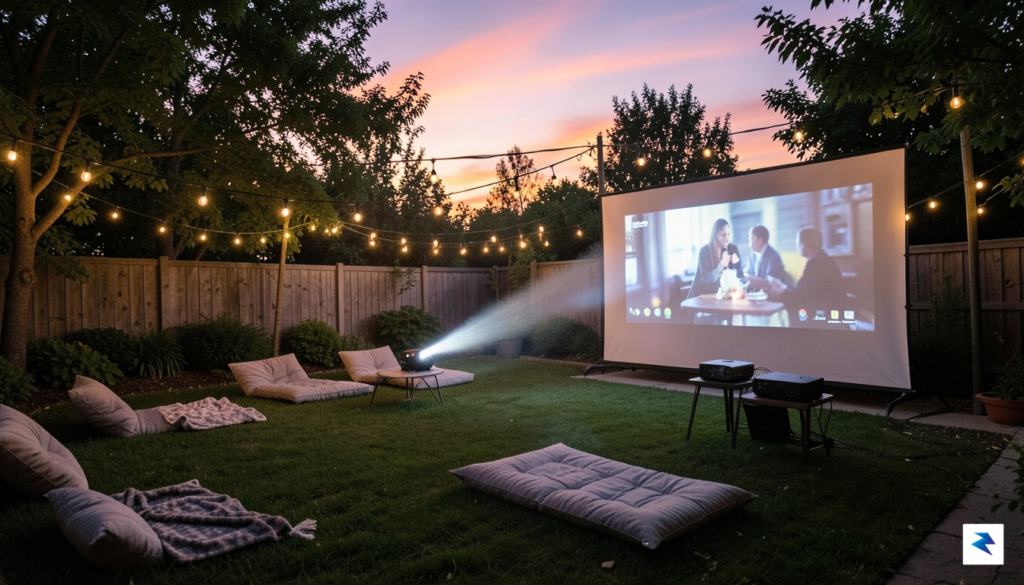
Stepping away from the sterile environment of a testing lab and into a real home reveals the true character of the Hisense XR10. Whether you are hosting a sprawling backyard movie night under the summer stars or settling in for an intense, late-night gaming session in a climate-controlled living room, this projector is engineered to bridge the gap between casual viewing and true cinematic immersion. During our testing, the RGB laser light source proved to be the star of the show, delivering a level of color saturation that rarely wavers, even when the environment isn’t perfectly controlled.
When you transition from a dedicated media room to a sun-drenched living space, the XR10 manages ambient light with surprising confidence. While no projector can fully defeat direct sunlight hitting a screen, the XR10’s high-lumen output ensures that colors remain punchy and blacks don’t wash out into a muddy gray. If you intend to use this during the day, we highly recommend pairing the unit with an ALR (Ambient Light Rejecting) screen, which effectively concentrates the light back toward the seating area while suppressing stray reflections from windows or overhead fixtures. Without a specialized screen, a flat white wall will suffice for late-night viewing, but an ALR surface acts as a force multiplier for the projector’s innate RGB brightness.
One aspect often overlooked in projector reviews is the acoustic footprint, yet the XR10 excels in maintaining a low profile. During quiet, dialogue-heavy scenes or suspenseful moments in a film, the fan noise remains remarkably hushed, never becoming a distraction that pulls you out of the story. It operates with a steady, low-frequency hum that is easily masked by the sound of a modest speaker system or even a soundbar. This makes the unit an excellent candidate for smaller rooms where the projector might be positioned closer to the viewer than in a traditional theater setup.
The secret to maximizing the XR10’s longevity and performance lies in placement; ensuring adequate clearance around the intake and exhaust vents is essential for keeping the internal fans from ramping up during long-form content marathons.
For gamers, the performance is equally compelling, provided you take a moment to calibrate the input settings. The XR10 handles fast-paced motion with minimal ghosting, allowing for a fluid experience that feels responsive during competitive play. To get the most out of your setup, ensure that the projector is positioned squarely to the screen to minimize heavy reliance on digital keystone correction, which can slightly degrade sharpness. By utilizing physical placement adjustments rather than software-based geometric correction, you ensure that every pixel rendered by the RGB laser engine hits the screen with maximum clarity and precision.

Deciding whether the Hisense XR10 deserves a permanent spot in your home cinema setup requires balancing its undeniable technical prowess against its physical footprint. This projector is not merely another gadget; it is a statement piece designed for those who refuse to compromise on color accuracy or peak brightness. However, its substantial size and weight mean it is better suited for a dedicated media room rather than a casual living room setup where portability might be a factor. By prioritizing high-end RGB performance over compact convenience, Hisense has clearly signaled that the XR10 is meant for viewers who treat every movie night like a cinematic event.
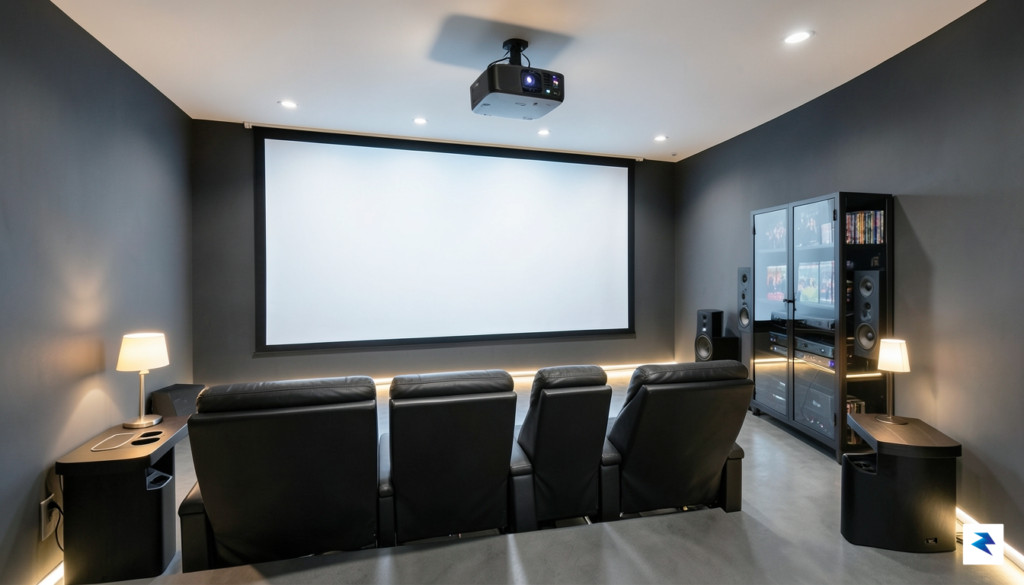
Before committing to an investment of this scale, it is helpful to weigh the specific strengths and limitations of the hardware:
The Hisense XR10 succeeds because it doesn’t try to be a jack-of-all-trades; it focuses entirely on mastering the visual experience for the dedicated enthusiast.
The ideal candidate for the Hisense XR10 is the dedicated cinephile or the hardcore gamer who demands absolute precision in their visual output. If your goal is to replicate the professional theater experience—where color accuracy, deep blacks, and razor-sharp resolution are non-negotiable—this projector stands as one of the most compelling options on the market. Casual streamers might find the feature set more than they truly need, but for those who curate a library of 4K content or high-frame-rate games, the performance-to-price ratio is quite favorable given the quality of the projection.
Ultimately, if you are planning to replace a primary display or finalize a dedicated home theater, the Hisense XR10 is a brilliant choice that justifies its footprint through sheer visual superiority. It is a robust, reliable, and deeply immersive machine that rewards the viewer with a picture quality that remains relevant in an evolving market. While it may not fit every shelf, it will certainly fit the needs of anyone who puts image quality above all else.
You must be logged in to post a comment.