Smart Glasses in Singapore: Balancing AI Innovation with Privacy Rights
The Rise of Smart Eyewear in Singapore Singapore, a global beacon of technological advancement and urban innovation, is rapidly becoming the…
New Zealand, a nation celebrated globally for its stunning natural landscapes and deep commitment to environmental stewardship, is unexpectedly finding itself at the epicentre of a burgeoning global crisis: the relentless demand for artificial intelligence infrastructure. As the world rapidly accelerates its adoption of AI, the computational backbone required to power these advancements is leading tech giants to scour the globe for stable, resource-rich locations. New Zealand, with its perceived abundance of renewable energy sources like hydro and geothermal, along with a stable political climate, has emerged as a prime, albeit increasingly strained, target for these massive data center developments.
The scale of this new demand is unprecedented, far exceeding the requirements of traditional data centers. AI models, particularly large language models and advanced machine learning algorithms, are extraordinarily power-hungry, demanding colossal amounts of electricity to operate their specialized graphics processing units (GPUs) and maintain optimal cooling. This escalating energy appetite is placing immense pressure on New Zealand’s national power grid, pushing existing infrastructure to its limits despite a high percentage of renewable generation. Communities are raising alarms about the potential for energy shortages, the necessity for costly grid upgrades, and the implicit diversion of precious power resources from local industries and residential consumers towards these insatiable digital behemoths.
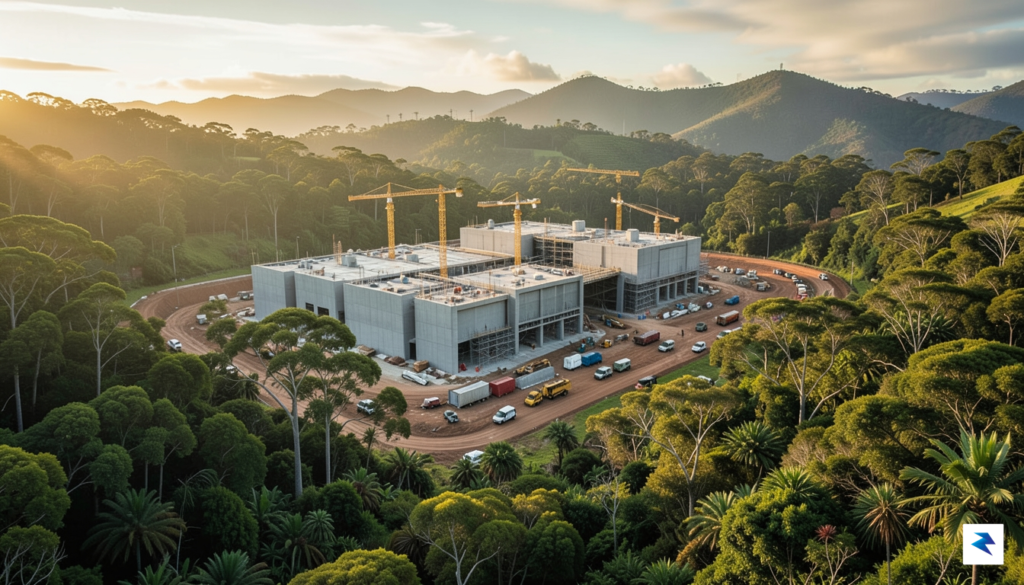
Beyond electricity, the expansion of AI infrastructure is equally taxing on other critical natural resources, most notably water and land. Data centers require vast quantities of water for their cooling systems, often drawing heavily from local freshwater supplies that are already under stress from agriculture, urban development, and climate change impacts. Furthermore, these facilities are not merely small server rooms; they are sprawling complexes, consuming significant tracts of valuable arable land – a particularly sensitive issue in a country where prime agricultural land is finite and crucial for both the economy and food security. The conversion of productive farmland or natural habitats into concrete and steel structures represents an irreversible loss, sparking intense debate about the long-term environmental and economic costs.
This rapid ingress of ‘Big Tech’ is inevitably creating significant socioeconomic tension and community pushback across the country. Local residents, often far removed from the direct benefits of AI development, voice concerns over the tangible impacts on their daily lives: increased noise pollution, visual blight from expansive industrial parks, and the considerable strain on local infrastructure, including roads and utilities. More profoundly, there is a growing sentiment that essential resources like water and power are being disproportionately allocated to international corporations, potentially at the expense of local communities and the nation’s long-standing dedication to environmental preservation. This friction highlights a critical conflict between global technological ambition and local sustainable living.
Consequently, New Zealand finds itself at a critical bottleneck, grappling with how to reconcile its aspirations for technological advancement and economic growth with its foundational values of environmental protection and resource stewardship. The traditional model of land-based, resource-intensive data centers is proving increasingly unsustainable in this unique island nation, compelling a urgent re-evaluation of how AI infrastructure can be integrated without irrevocably compromising the very resources that make New Zealand an attractive location in the first place.
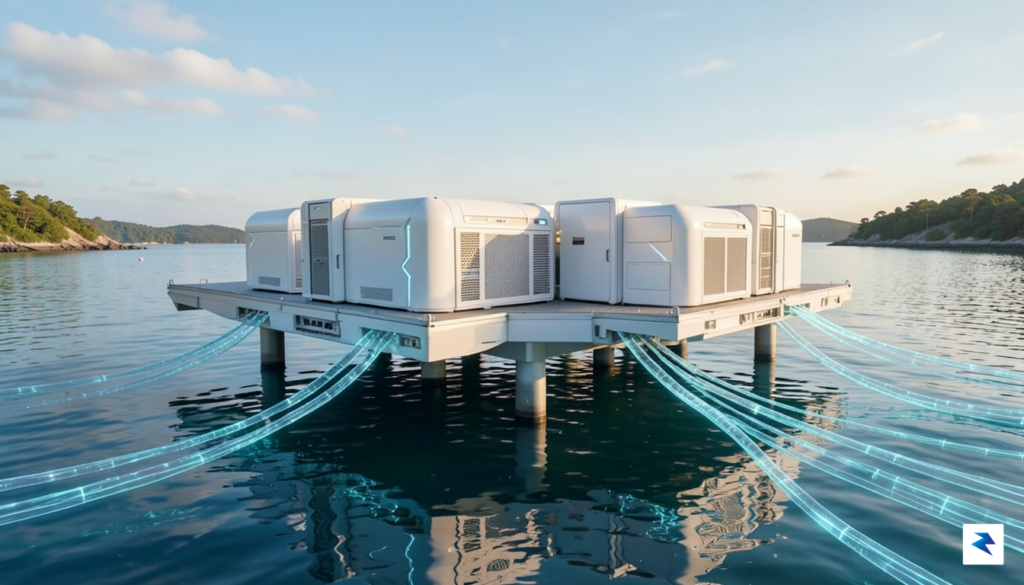
At the heart of Samsung’s innovative approach lies a fundamentally modular architecture, offering a radical departure from the monolithic, land-based data centers we’ve grown accustomed to. These floating facilities are not built as single, colossal structures, but rather as interconnected units, each designed to be self-contained and scalable. This modularity allows for rapid deployment, as individual data center modules can be factory-built, tested, and then transported to their offshore location for assembly. Consequently, this significantly reduces the construction time and environmental impact typically associated with building large-scale infrastructure on land, while also providing unprecedented flexibility to expand capacity by simply adding more modules as demand grows.
Perhaps the most compelling engineering aspect is the ingenious utilization of natural seawater for cooling, which addresses one of the biggest energy drains in traditional data centers. Instead of relying on energy-intensive air conditioning systems and vast amounts of freshwater, these offshore units employ advanced direct liquid cooling systems. By harnessing the stable, low temperatures of deep ocean water, heat generated by the servers can be efficiently transferred and dissipated, dramatically reducing the energy consumption associated with cooling. This not only translates into substantial operational cost savings but also significantly lowers the carbon footprint, making these floating data centers a more environmentally sustainable option in the long run.
However, the practicalities of an offshore location naturally raise questions about connectivity and data latency. Samsung’s design addresses this by leveraging existing global subsea fiber optic cable networks. These robust cables, which already crisscross the ocean floor, provide the necessary high-bandwidth, low-latency connections to land-based internet infrastructure. Strategic placement of these floating data centers near major coastal cities or existing cable landing stations ensures that data transmission speeds remain competitive with, or even surpass, those of many terrestrial facilities. Furthermore, the inherent redundancy in subsea cable networks provides a resilient framework for reliable data flow, minimizing potential disruptions.
Beyond these operational efficiencies and flexible deployment models, the very nature of an offshore data center imbues it with a unique layer of physical security. Unlike land-based facilities which are often vulnerable to a multitude of threats, from unauthorized physical access to natural disasters like earthquakes or floods, a floating data center enjoys inherent protection. Its isolation in the open water creates a natural barrier, making unauthorized access extremely difficult to achieve without detection. Access points can be meticulously controlled and monitored, and the physical distance from populated areas adds a significant deterrent, offering a level of security that is challenging to replicate on terra firma.
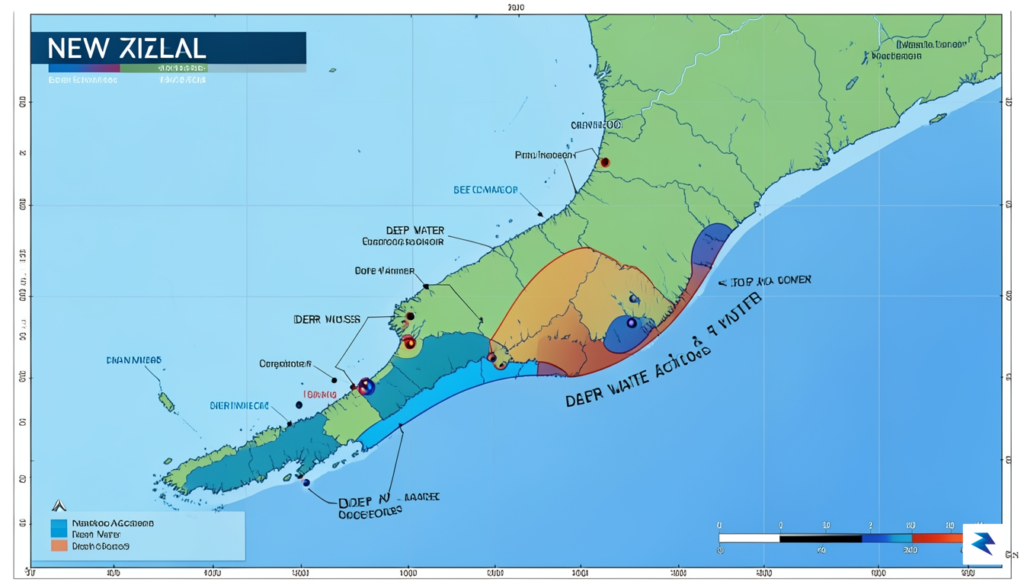
New Zealand stands out as an exceptionally strategic location for piloting cutting-edge floating data infrastructure, thanks to a unique convergence of geographical advantages and a forward-thinking legislative climate. With an extensive coastline stretching over 15,000 kilometers, the island nation offers unparalleled access to deep, cool ocean waters – a critical natural resource for passively cooling energy-intensive data servers. This natural refrigeration capability significantly reduces the operational carbon footprint and energy costs associated with traditional land-based data centers, making the concept inherently more sustainable and economically viable from the outset in a maritime environment.
Beyond its abundant deep-water access, New Zealand boasts a progressive and stable regulatory landscape that is conducive to pioneering technological ventures. The country’s maritime laws, while robust, are designed to facilitate innovative projects that align with its environmental stewardship goals. This provides a predictable and secure operational framework for developers, allowing for clearer pathways to permitting and deployment compared to more congested or politically complex jurisdictions. Such regulatory clarity minimises investment risk and provides the necessary confidence for large-scale infrastructure projects like offshore data centers to proceed efficiently, fostering an environment of innovation and economic growth.
Crucially, New Zealand’s ambitious national push towards achieving 100% renewable electricity generation by 2030 aligns seamlessly with the sustainable ethos of offshore data cooling solutions. By leveraging the vast, cool expanse of the ocean as a natural heatsink, these floating facilities dramatically reduce their reliance on energy-intensive mechanical cooling systems. This synergy not only supports the nation’s green energy targets but also positions New Zealand as a global leader in developing truly sustainable digital infrastructure. The availability of clean, renewable energy sources, combined with passive cooling, paints a compelling picture of a future where data processing leaves a minimal environmental footprint.
Furthermore, New Zealand’s strategic geopolitical positioning in the Asia-Pacific (APAC) region provides a stable, secure, and politically neutral hub for data processing. Its relative isolation from major geopolitical hotspots offers an attractive proposition for data sovereignty and resilience, providing enhanced security for sensitive information. This makes it an ideal location for serving the burgeoning digital needs of a diverse range of clients across Australia, Southeast Asia, and the broader Pacific Rim, offering a secure alternative to more densely populated and potentially vulnerable data hubs. The ability to offer robust, secure, and environmentally conscious data services provides a significant competitive edge in the rapidly expanding digital economy.
This powerful confluence of geographical blessings – extensive coastlines and deep, cool waters – coupled with a progressive regulatory climate and an unwavering national commitment to renewable energy, firmly establishes New Zealand as the ideal living laboratory for the next generation of data infrastructure. It’s a place where technological innovation meets environmental responsibility, paving the way for a more sustainable digital future.
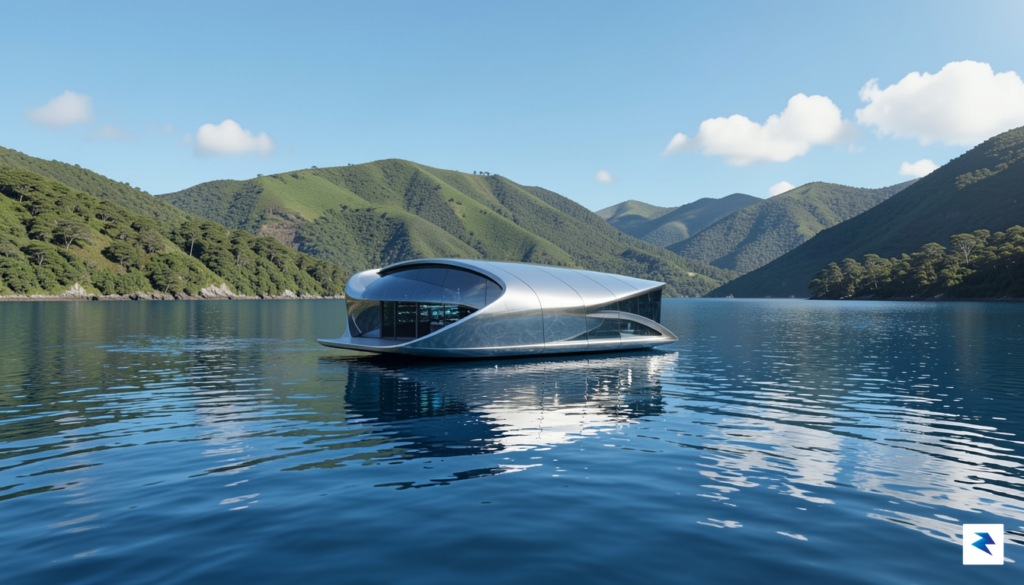
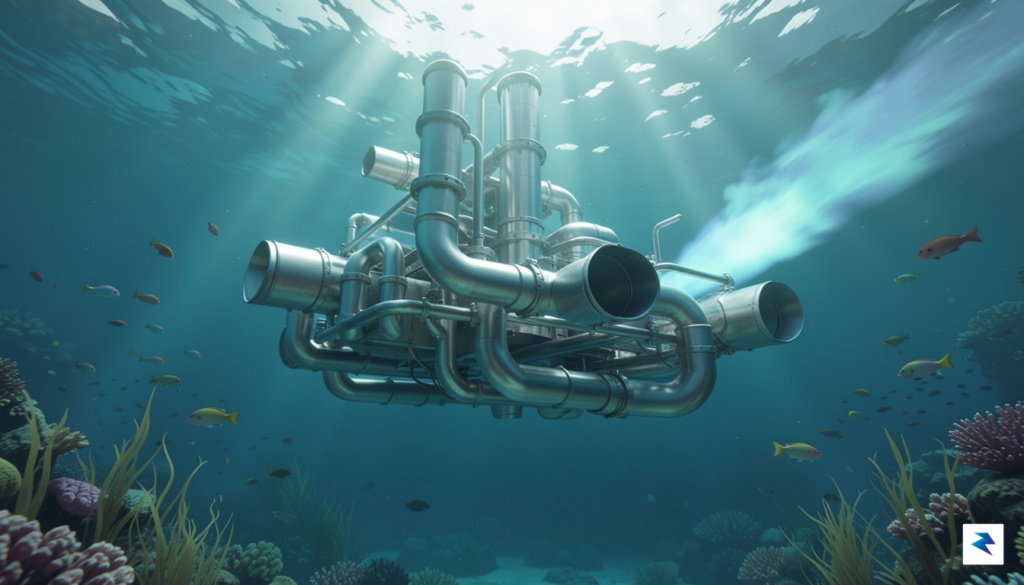
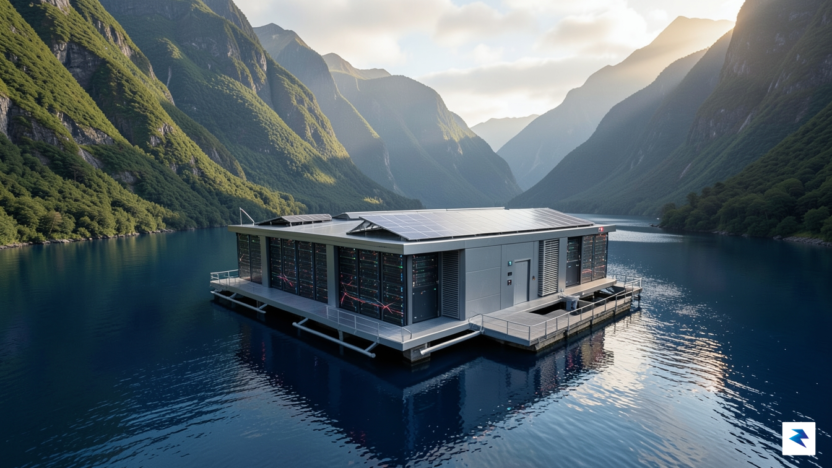
While the concept of floating data centers elegantly sidesteps terrestrial land scarcity, particularly pertinent in nations with limited suitable land, it simultaneously ushers in a new spectrum of environmental considerations that demand rigorous scrutiny. Foremost among these is the potential for thermal pollution. Data centers are energy-intensive operations, generating immense heat that must be dissipated to maintain optimal performance. Traditional cooling cycles often involve drawing in cool seawater and subsequently discharging warmer water back into the marine environment. This localized temperature increase, even if seemingly minor, can disrupt delicate marine ecosystems, altering ocean currents, impacting fish migration patterns, stressing coral reefs, and potentially affecting plankton populations, which form the base of the oceanic food web. Comprehensive environmental impact assessments are therefore critical to identify sensitive areas and design cooling systems that minimize thermal plumes, perhaps through advanced heat exchange technologies or strategic discharge points to mitigate adverse effects.
Beyond the immediate ecological concerns, the regulatory landscape for offshore facilities presents a labyrinth of complexities unmatched by land-based counterparts. Operating a data center in coastal waters, let alone international waters, necessitates navigating a mosaic of national maritime laws, international conventions, and overlapping jurisdictions. The United Nations Convention on the Law of the Sea (UNCLOS), for instance, provides a framework, but its application to novel floating industrial infrastructure like data centers is still evolving and requires clear interpretation. Questions of permitting, environmental compliance, waste disposal, and liability for potential accidents—from data breaches affecting national security to accidental fuel spills—become significantly more intricate when a facility is not anchored to a single nation’s terra firma. Establishing clear legal frameworks and international agreements will be paramount to foster widespread adoption and ensure responsible operation, preventing these innovative solutions from becoming regulatory grey zones that hinder rather than help progress.
Furthermore, the very environment that offers the spatial advantage also poses significant operational and structural challenges. Floating data centers must be engineered to withstand the relentless forces of the open ocean, including severe storms, powerful waves, and even the rare but devastating threat of tsunamis. Ensuring the physical integrity of the facility and, crucially, the uninterrupted operation of highly sensitive computing hardware within, requires advanced naval architecture, robust mooring systems, and sophisticated shock absorption technologies to maintain stability. Moreover, the constant presence of saltwater introduces a pervasive threat: corrosion. Saltwater is notoriously corrosive to metals and electronics, demanding the use of specialized, expensive materials, hermetically sealed environments, and rigorous maintenance protocols to prevent degradation of infrastructure and hardware. Without meticulous design and ongoing vigilance against these elemental forces, the promise of offshore resilience could quickly turn into a costly liability, undermining the economic viability of the entire venture.

Traditional data centers, the silent workhorses of our digital age, are increasingly facing immense pressures. As the global digital economy expands and the demands of artificial intelligence (AI) skyrocket, the challenges of land scarcity, massive energy consumption, and significant carbon footprints become ever more pronounced. This context makes the emergence of floating data centers not merely an innovative concept, but a critical paradigm shift, promising to transform how we conceive and power our digital future. They represent a bold vision, potentially repositioning the vast, untapped resources of the ocean as the next crucial frontier for sustainable computational power, thereby offering a viable path forward for our ever-growing reliance on digital infrastructure.
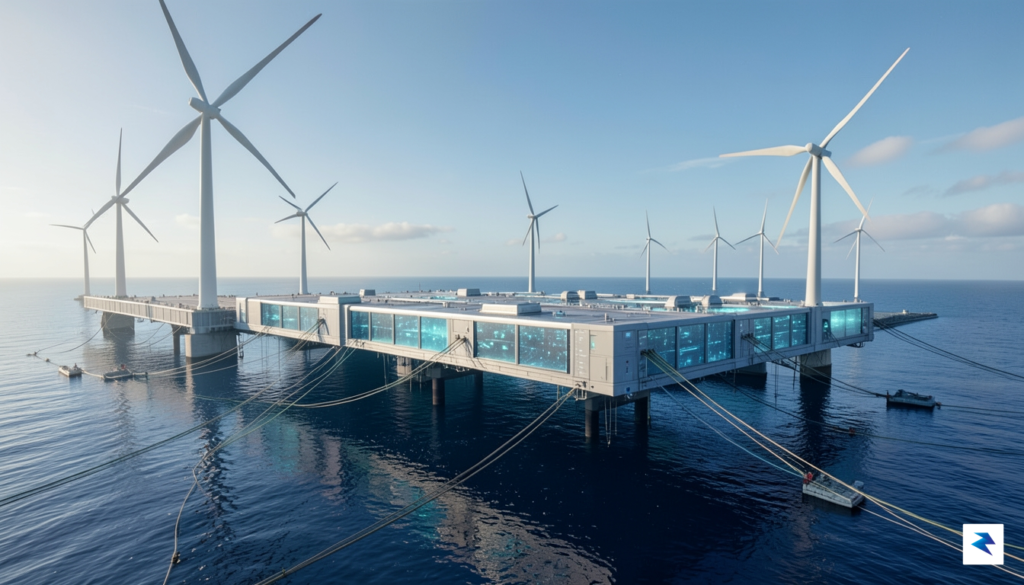
The fundamental appeal of these oceanic facilities lies in their inherent ability to address core environmental and logistical hurdles that plague their land-based counterparts. By situating data centers offshore, they gain direct access to immense, renewable energy sources like offshore wind, wave, and tidal power, fundamentally shifting away from reliance on often carbon-intensive, fossil-fuel-dependent grids. This direct integration with clean energy sources significantly lowers their operational carbon footprint. Furthermore, the deep, cold waters surrounding these platforms offer a perpetually available and highly efficient natural cooling mechanism, drastically reducing the energy required for traditional chiller systems and, consequently, slashing operational costs and associated emissions. This modular, ocean-based infrastructure also offers unparalleled scalability, allowing for rapid deployment and expansion in diverse coastal regions globally, unconstrained by terrestrial land availability or existing grid limitations, making it a truly adaptable solution for global compute needs.
The relentless growth of AI, from sophisticated machine learning models to the burgeoning field of generative AI applications, demands ever-increasing computational resources and, consequently, immense energy. Without genuinely sustainable solutions, this exponential growth poses a significant environmental dilemma, threatening to negate climate progress in other sectors. Floating data centers offer a compelling pathway to reconcile AI’s burgeoning power requirements with global sustainability goals. By decentralizing compute and powering it primarily with clean, renewable ocean energy while leveraging natural cooling, these facilities dramatically reduce the environmental impact per unit of computation. This innovative approach is not just about mitigating harm; it’s about enabling the responsible and sustainable expansion of AI, ensuring that technological progress doesn’t come at an unacceptable ecological cost. Ultimately, the long-term outlook for floating data centers positions them as a cornerstone in the global transition towards truly green digital infrastructure, paving the way for a future where advanced AI thrives in harmony with our planet.
You must be logged in to post a comment.