
Apple vs. OpenAI: Understanding the Strategy Behind the Lawsuit
The Genesis of the Conflict: Apple vs. OpenAI The tech landscape was electrified earlier this year when Apple announced a landmark integration…

For years, the seasonal transition in most households has been defined by a tedious, recurring ritual: dragging heavy space heaters out of the garage in November, only to shove them back into a dusty corner once spring arrives, where they are immediately replaced by bulky, precarious oscillating fans. This “appliance shuffle” isn’t just a logistical nuisance; it is a major contributor to home clutter that eats away at valuable storage space and compromises the aesthetic harmony of our living areas. As we lean further into the philosophy of minimalist living, the traditional reliance on single-purpose hardware feels increasingly archaic, especially when modern engineering offers a more sophisticated path forward.
The push toward multi-functional climate control is driven by more than just a desire for tidiness; it is a direct response to the rising costs of energy and a growing consumer demand for home efficiency. When we depend on a fragmented ecosystem of devices, we often find ourselves over-consuming energy, managing tangled power cords, and dealing with the inevitable maintenance of multiple filters and components. By consolidating these functions into a single, high-performance unit, homeowners can effectively bridge the gap between seasonal extremes without sacrificing floor space or relying on cumbersome equipment that serves no purpose for six months out of the year.

Transitioning to a unified climate technology offers a level of convenience that is difficult to ignore once experienced. Rather than juggling different remotes, cleaning various intakes, or finding room in the closet for off-season hardware, a multi-functional machine remains a permanent, useful fixture in the home. This “set it and forget it” approach to indoor comfort not only simplifies home maintenance but also elevates the overall user experience. It allows for a more streamlined environment where the technology works intuitively to regulate the atmosphere, regardless of whether the outside temperature calls for a gentle breeze or a steady, concentrated stream of heat.
The true value of a multi-functional appliance lies not just in its ability to perform two tasks, but in its capacity to eliminate the friction of seasonal transitions, allowing your living space to remain functional and uncluttered year-round.
Ultimately, the shift toward consolidation represents a broader trend of intentional consumption. We are moving away from the era of “one-task-per-device” toward a future where our homes are populated by fewer, smarter, and more versatile tools. By investing in a single appliance that bridges the gap between heating and cooling, you are essentially reclaiming square footage and simplifying your internal household management. This is the essence of modern efficiency—reducing the number of physical objects in your orbit while simultaneously improving the precision and quality of the environment you live in every day.
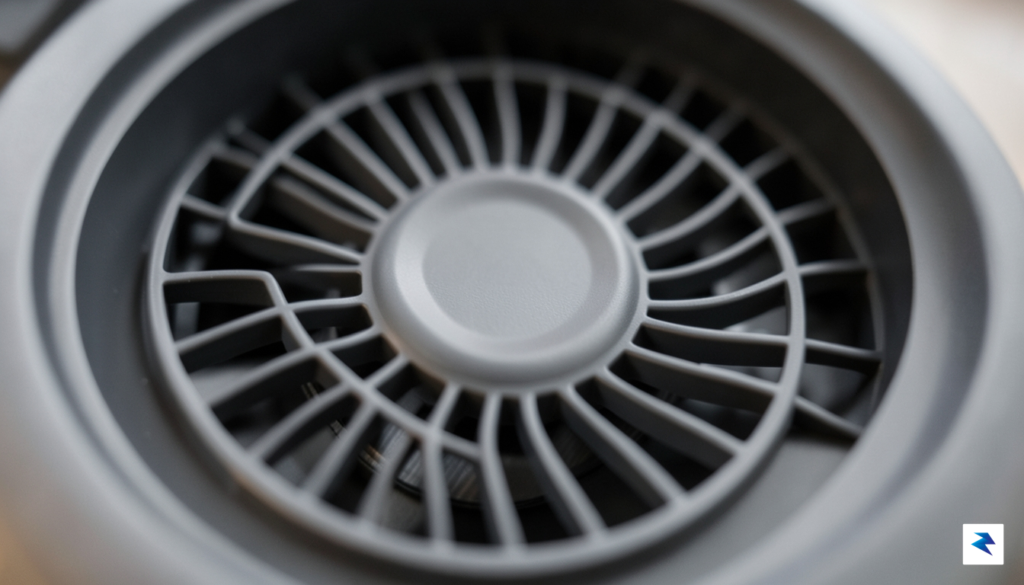
At first glance, the Dyson’s iconic circular frame feels like a piece of modern art, but the true brilliance of the unit lies in the physics happening beneath its shell. The heart of this performance is the patented Air Multiplier technology, which fundamentally reimagines how a traditional fan moves air. Unlike conventional bladed fans that chop the air and create turbulence, the Dyson draws ambient air into the base of the machine using a high-efficiency brushless motor. This air is then accelerated through an annular aperture—a small, hidden slit around the circumference of the loop—creating a high-velocity jet. As this jet passes over an airfoil-shaped ramp, it creates an area of low pressure that draws in additional air from behind and around the unit, effectively multiplying the volume of output by up to fifteen times.
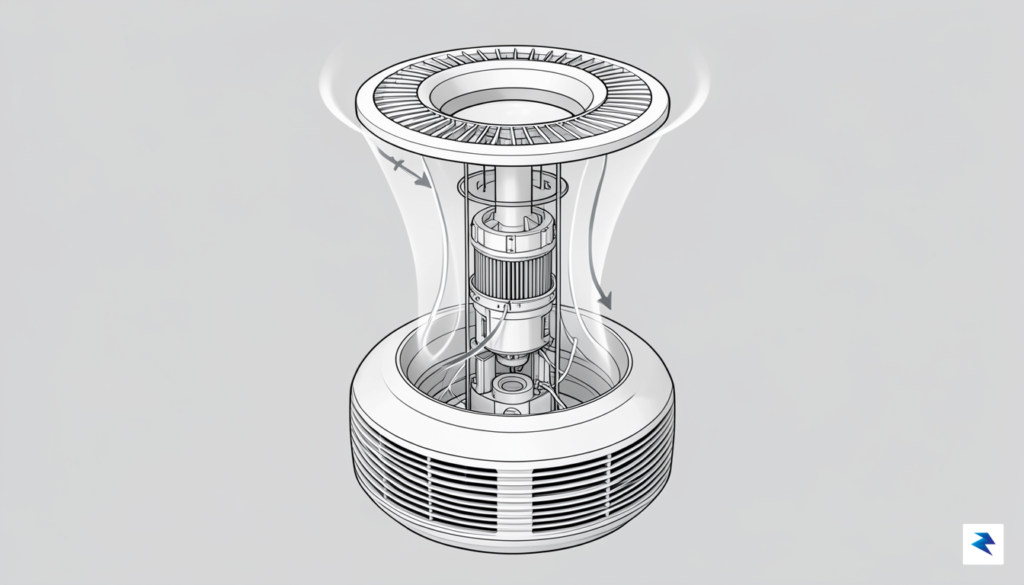
The practical benefits of this engineering extend far beyond mere airflow volume. By eliminating external, spinning blades, Dyson has solved the most persistent headaches associated with climate control appliances: safety and maintenance. Traditional fans require awkward, dust-caked safety grilles that are notoriously difficult to clean, often trapping allergens and pet dander in hard-to-reach corners. Because the Dyson is entirely smooth, a quick swipe with a microfiber cloth is all it takes to keep the unit pristine. Furthermore, the absence of exposed moving parts provides peace of mind for households with young children or curious pets, as there is no risk of fingers or fur becoming tangled in high-speed blades.
The true engineering triumph here is not just the volume of air, but the consistency of the stream; because the air is not being “chopped” by spinning blades, the sensation is one of smooth, uninterrupted airflow that feels much more natural and significantly quieter than a standard oscillating fan.
When you transition from the cooling mode to the heating function, the build quality becomes even more apparent. The unit utilizes ceramic heating elements hidden deep within the housing, which never reach the combustion point of dust, effectively eliminating that unpleasant “burning” smell often associated with cheaper space heaters. The materials themselves feel premium and robust, avoiding the flimsy, rattling plastics found in budget models. The internal sensors, which monitor ambient temperature and modulate power consumption accordingly, demonstrate a level of sophistication rarely seen in single-purpose appliances. By balancing precision-engineered airflow with industrial-grade heat management, the Dyson isn’t just replacing two devices; it is elevating the entire experience of managing your home’s indoor climate.
The shift from a traditional radiant space heater to the Dyson Hot+Cool is immediately noticeable in how the room warms up. Unlike conventional units that rely on exposed heating coils or glowing wires, this device utilizes high-efficiency ceramic plates concealed within the base. These elements heat up rapidly, and the signature Air Multiplier technology projects that warmth across the room in a smooth, continuous stream. Instead of creating a localized “hot spot” that leaves the rest of the room shivering, the device effectively circulates warm air, ensuring that the temperature remains consistent from floor to ceiling.
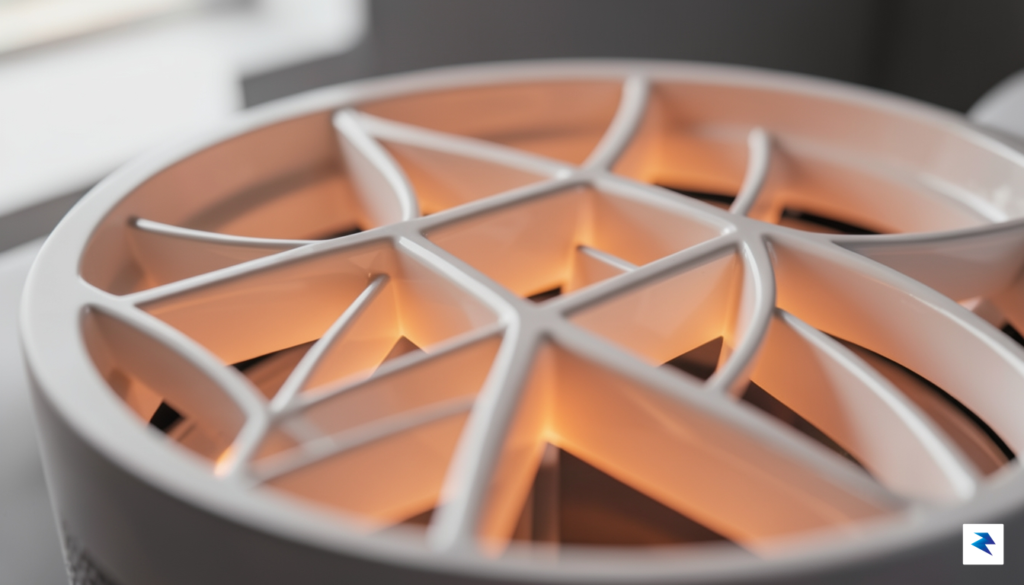
Precision is perhaps the most significant advantage when comparing this unit to standard heaters that often feel like they are either “on” or “off.” The integrated thermostat is remarkably accurate; once you set your desired temperature, the machine monitors the ambient air constantly. When the target temperature is reached, it automatically modulates its power to maintain that level, preventing the stifling, stuffy feeling associated with cheaper heaters that overshoot their goals. Furthermore, the built-in safety features provide immense peace of mind. The auto-shutoff mechanism is highly responsive, cutting power immediately if the unit is tipped over or if the sensors detect a potential obstruction, making it far safer for households with pets or small children.
The true value of the Dyson Hot+Cool lies in its ability to maintain a steady ambient temperature rather than just blasting intense heat toward a single point.
When discussing energy consumption, it is important to look at how the device manages its wattage. While a traditional radiant heater might pull a constant, high amount of energy to keep a room warm, the Dyson’s intelligent climate control allows it to lower its intensity as the room stabilizes. This makes it a much more efficient companion for small spaces or home offices. By combining rapid heat distribution with smart, sensor-based regulation, the appliance stops wasting electricity on unnecessary heating cycles. It isn’t just about the speed of heating—though it is impressively fast—but rather the intelligence of the distribution pattern that makes it a superior replacement for older, less efficient heating technology.
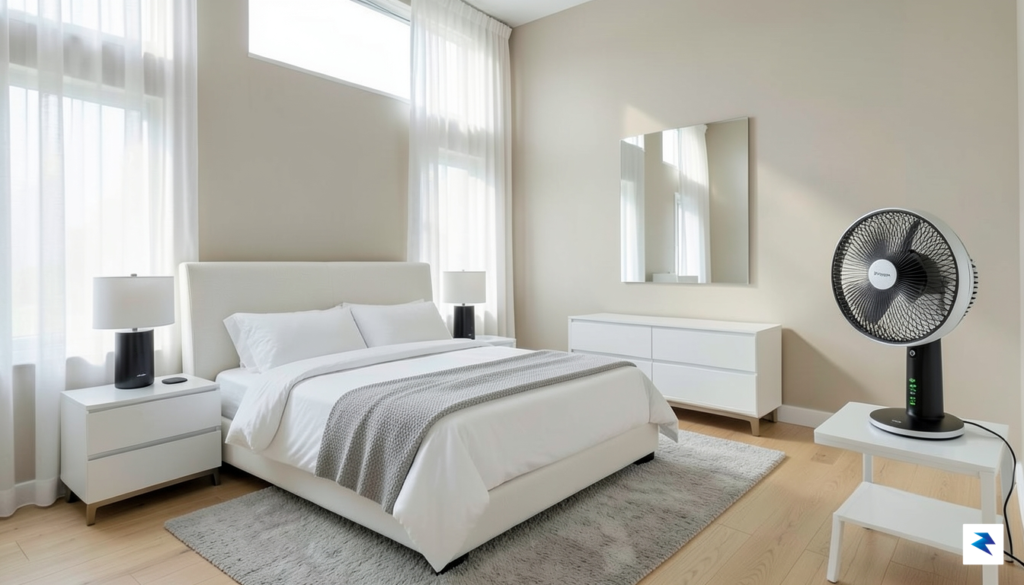
It is a pervasive misconception that fans possess the inherent ability to lower the ambient temperature of a room, when in reality, they function quite differently from true air conditioning systems. While an air conditioner uses a refrigerant cycle to physically remove heat from the air, a standard fan merely moves existing air around, creating a wind-chill effect that helps sweat evaporate more efficiently from your skin. The Dyson purifying heater and fan elevates this basic concept by utilizing Air Multiplier technology, which draws in surrounding air and amplifies it to create a smooth, uninterrupted stream of high-velocity airflow. Unlike traditional bladed fans that chop the air and create choppy, inconsistent gusts, this unit produces a steady, focused projection that makes the “cooling” sensation feel significantly more natural and effective.
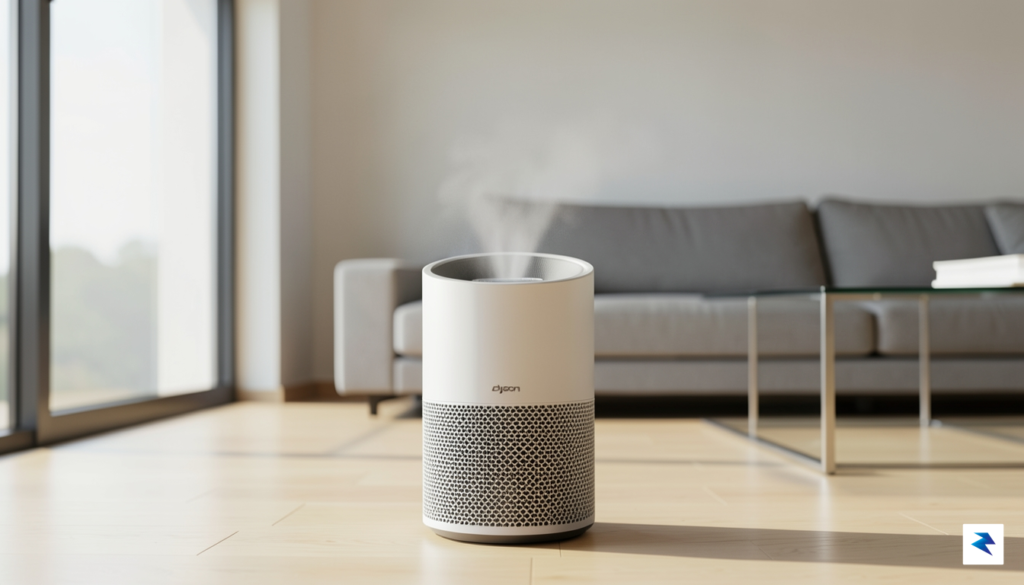
The engineering behind this airflow precision is what truly separates it from budget-friendly hardware store alternatives. By channeling air through a precisely engineered annular aperture, the device accelerates the flow, ensuring that even at lower power settings, the reach of the breeze is substantial. This is particularly noticeable when utilizing the oscillation modes; while many fans offer a jerky, predictable sweep, the Dyson’s movement is fluid and customizable. You can adjust the oscillation angle to suit specific layouts, ensuring that the airflow is directed exactly where you are sitting rather than wasting energy cooling empty corners of the room. This targeted approach prevents the stagnant pockets of heat that often linger even when a standard oscillating fan is running at full capacity.
Unlike traditional bladed fans that chop the air, the Dyson’s bladeless design creates a laminar, high-velocity stream that feels more like a refreshing breeze than a mechanical gust.
Furthermore, the acoustic performance of this unit during the cooling phase is a significant upgrade over traditional mechanical blades. In a conventional fan, the noise level is often dictated by the turbulence created by the blades cutting through the air, which typically results in a distracting hum or rhythmic clicking at higher speeds. Because the Dyson design eliminates external blades, the motor’s noise is effectively muffled within the base, resulting in a much quieter operation even when the unit is pushing a high volume of air. This combination of superior, turbulence-free circulation and whisper-quiet motor technology means you can enjoy the cooling sensation throughout the day without the constant background noise that usually accompanies high-velocity air movement, making it a far more sophisticated solution for maintaining comfort during the warmer months.
The transition from traditional climate control to a modern, connected ecosystem represents a fundamental shift in how we manage our living spaces. By integrating this Dyson unit into a smart home setup, the appliance becomes more than just a source of hot or cold air; it acts as a central hub for environmental awareness. Through the Dyson Link app, I can monitor the room’s climate from anywhere, whether I am adjusting the heat while commuting home or checking the humidity levels while traveling. This level of connectivity transforms the device from a static object into an active participant in home management, allowing for scheduled routines that ensure the room is perfectly comfortable the moment I walk through the door.
Beyond mere temperature regulation, the device houses a sophisticated array of sensors that constantly scan the room for microscopic changes. These sensors detect pollutants, volatile organic compounds, and particulate matter that are often invisible to the naked eye. The real-time feedback loop is particularly impressive; as soon as the sensors detect a spike in air impurities—such as dust kicked up from cleaning or smoke from the kitchen—the unit automatically adjusts its fan speed to cycle and purify the air. This active monitoring provides a deep sense of security, knowing that the machine is working silently in the background to maintain a healthier breathing environment.
The true value of modern climate control lies not in its power, but in its intelligence; it is the difference between simply changing the temperature and proactively improving the quality of the air you breathe every day.
Furthermore, the air purification aspect adds a layer of health-conscious utility that simple fans or heaters completely lack. By utilizing a fully sealed HEPA filtration system, the device captures 99.97% of allergens and pollutants, ensuring that the air being circulated is significantly cleaner than the air being drawn in. This makes a profound difference for those who suffer from seasonal allergies or live in urban areas with higher levels of outdoor pollution. Instead of just pushing stagnant air around the room, the unit continuously refreshes the atmosphere, effectively turning a standard bedroom or office into a controlled, high-quality air sanctuary. Integrating this level of air hygiene into a device that already manages thermal comfort effectively simplifies my home setup, proving that smart hardware can drastically reduce clutter while simultaneously elevating the quality of my daily life.
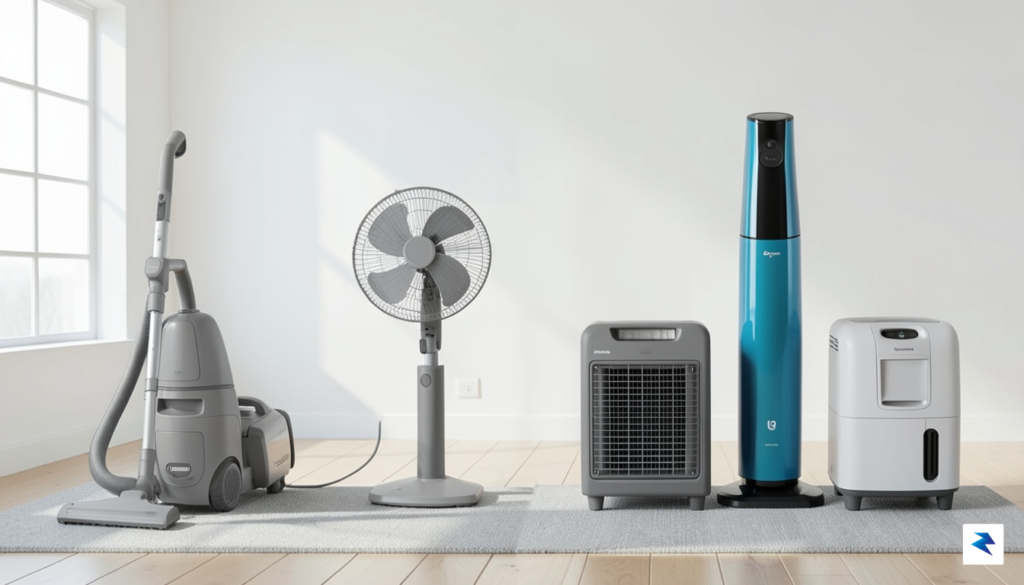
Deciding whether to drop a significant amount of money on a Dyson Hot+Cool requires moving beyond the initial sticker shock and evaluating the appliance as a long-term lifestyle upgrade. For most people, the decision hinges on whether you value space efficiency and aesthetic design as much as raw functionality. If you are a minimalist living in a cramped studio apartment or a homeowner tired of dragging bulky seasonal equipment out of storage every six months, the value proposition is high. You are essentially paying a premium to reclaim floor space and eliminate the clutter of two separate, often unsightly, heating and cooling devices.
While the upfront cost is undeniably steep, it is important to view this as a multi-functional piece of furniture rather than a simple utility appliance. The machine excels in its ease of use, quiet operation, and ability to monitor air quality, which are features budget space heaters and oscillating fans simply cannot match. However, the investment does not end at the checkout counter. Prospective buyers must factor in the recurring cost of HEPA filter replacements, which are necessary to maintain the air purification efficacy over time. If you prioritize clean, allergen-free air and consistent temperature control, these ongoing maintenance costs are likely a justifiable trade-off for the performance you receive.
To determine if this is the right purchase for your specific needs, consider the following checklist before committing:
Ultimately, the Dyson Hot+Cool is not just a heater or a fan; it is a premium air-management system designed for those who view home comfort as a consolidated, long-term experience rather than a series of disparate, seasonal tasks.
If you are looking for a bargain-bin solution for a drafty basement, this is likely not the product for you. However, if you are looking to simplify your home environment and invest in a high-quality, reliable piece of technology that performs consistently across all four seasons, the Dyson Hot+Cool offers a level of convenience and sophistication that justifies its place in the modern home.
You must be logged in to post a comment.