
1Password and Claude: How AI Agents Can Sign In Without Your Password
The Evolution of AI-Driven Authentication We are currently witnessing a seismic shift in how we interact with technology. AI is rapidly…
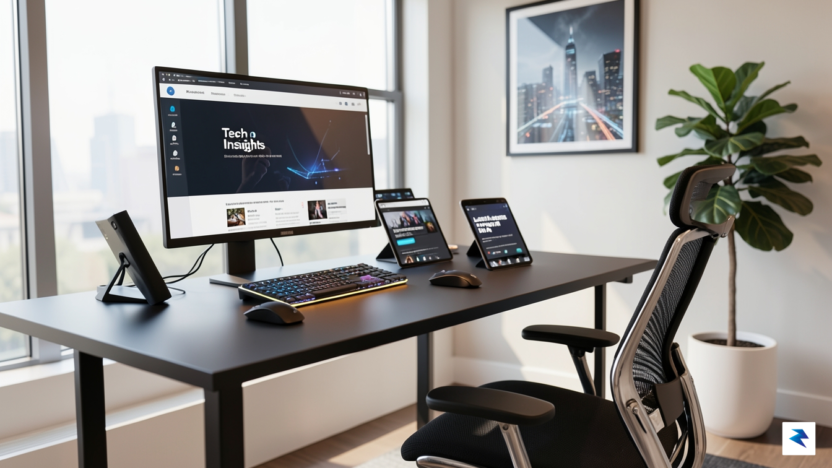

In our current landscape of infinite subscription models and high-frequency hardware releases, the line between a genuinely empowering tool and mere digital clutter has become dangerously thin. We are often seduced by the promise of productivity, downloading apps or purchasing gadgets that claim to solve problems we didn’t know we had. However, true utility is not found in the sheer volume of our digital inventory, but in the signal-to-noise ratio of our daily workflows. A tool earns its place in your life only when it provides a distinct, repeatable advantage that outweighs the mental effort required to maintain it.
To distinguish the essential from the superfluous, we must apply a rigorous filter based on three core pillars: reliability, cross-platform compatibility, and the reduction of cognitive load. An essential tool is one that functions predictably every single time, acting as a transparent bridge between an intention and its execution. If an application requires constant troubleshooting or forces you to jump through hoops to sync your data across devices, it has become a liability rather than an asset. Furthermore, the best tech shouldn’t demand more of your attention; it should liberate it. If a piece of software requires a steep learning curve just to perform a basic task, it is adding to your cognitive burden rather than alleviating it.

Adopting a philosophy of digital minimalism is the most effective way to curate a toolkit that actually serves your objectives. This mindset encourages us to prioritize quality over quantity, viewing our digital space as a limited resource that should only be occupied by the most effective solutions. When you ruthlessly audit your apps and gadgets, you often find that the most impactful tools are those that are simple, focused, and deeply integrated into your existing habits. By shedding the weight of “nice-to-have” features and redundant services, you regain the clarity needed to focus on the work that actually matters.
True digital utility is measured by how much “thought space” a tool saves you, not by how many features it possesses.
Ultimately, the goal is to cultivate a tech stack that feels like an extension of your natural thought process. When you stop chasing the latest trends and start evaluating your tools based on their long-term reliability and their ability to streamline your life, you shift from being a passive consumer of tech to an intentional architect of your own productivity. This transition requires us to be honest about our needs and brave enough to delete the tools that no longer serve us, ensuring that our digital environment remains a source of focus rather than a chaotic repository of distractions.
Your digital environment should function less like a cluttered junk drawer and more like a high-performance extension of your own cognitive process. To achieve this, you must distinguish between tools designed for fleeting actions and those built for enduring knowledge. While task managers are indispensable for tracking immediate to-do items and deadlines, they often fail to capture the nuance of long-term projects. By integrating a dedicated knowledge management application—one that prioritizes interlinking ideas rather than just storing static files—you create a “second brain” that grows more valuable the longer you use it. This separation ensures that your daily task lists remain clean and actionable, while your deeper insights are preserved and organized for future synthesis.
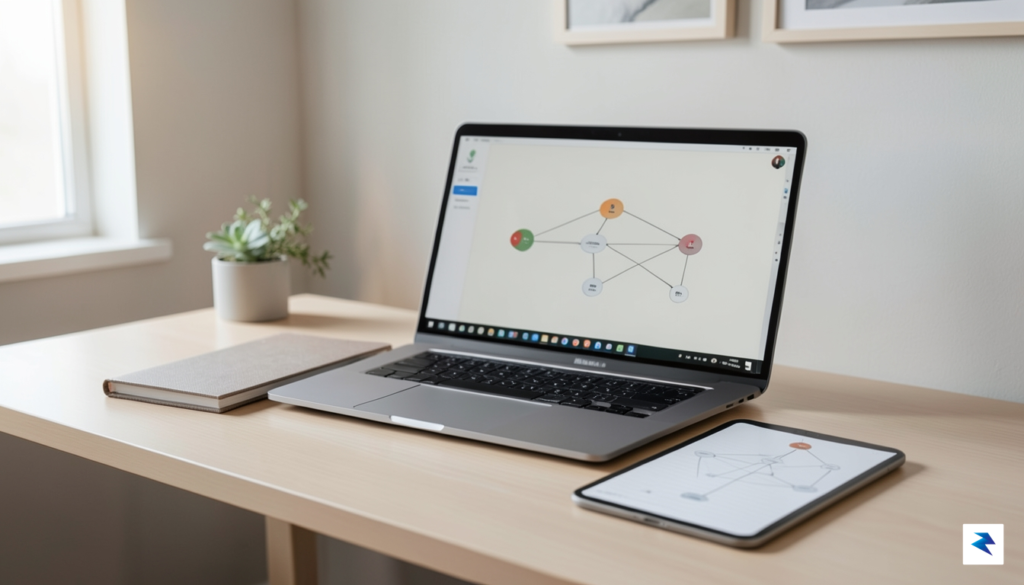
Beyond simple organization, the true enemy of modern productivity is the “context switching” tax. Every time you manually move data from an email into a project board or copy a link into a document, you lose precious focus. Automation tools serve as the connective tissue in your digital ecosystem, handling these repetitive, low-value transitions so you can remain in a state of flow. Whether you use robust integration platforms or simple browser-based shortcuts, the goal is to create a frictionless pipeline where information flows automatically to where it is needed most. When your tools work in tandem, you spend less time managing your workflow and more time performing the actual work that moves the needle.
The most effective productivity stack is not the one with the most features, but the one that requires the least amount of conscious maintenance.
Longevity is another critical, yet often overlooked, factor when building your toolkit. If you rely on software tied to a specific proprietary ecosystem, you risk losing your entire workflow if that platform changes its pricing, interface, or availability. Prioritizing platform-agnostic tools—those that prioritize open formats like Markdown, plain text, or universally compatible APIs—safeguards your intellectual capital against the inevitable shift of tech trends. By choosing applications that value data portability and cross-platform syncing, you ensure that your workflow remains resilient and adaptable, regardless of which hardware you happen to be using at the moment.
Ultimately, your digital stack should feel invisible. When you reach a point where you are not thinking about the software you are using, but rather the ideas you are generating, you have reached the peak of productivity. By curating a selection of tools that work together without friction, you transform your computer from a source of distraction into a powerhouse of focused, meaningful output.

While software provides the structural framework for our digital lives, physical hardware is the bridge that connects our intent to our output. Investing in high-quality peripherals is not merely a matter of aesthetic preference; it is a fundamental strategy for physical longevity and sustained productivity. Mechanical keyboards, for instance, offer a tactile feedback loop that membrane alternatives simply cannot replicate. By reducing the force required to actuate keys and providing a deliberate physical sensation for every keystroke, these devices significantly mitigate the risk of repetitive strain injuries, allowing for long hours of writing or coding without the creeping discomfort that often plagues desk-bound professionals.
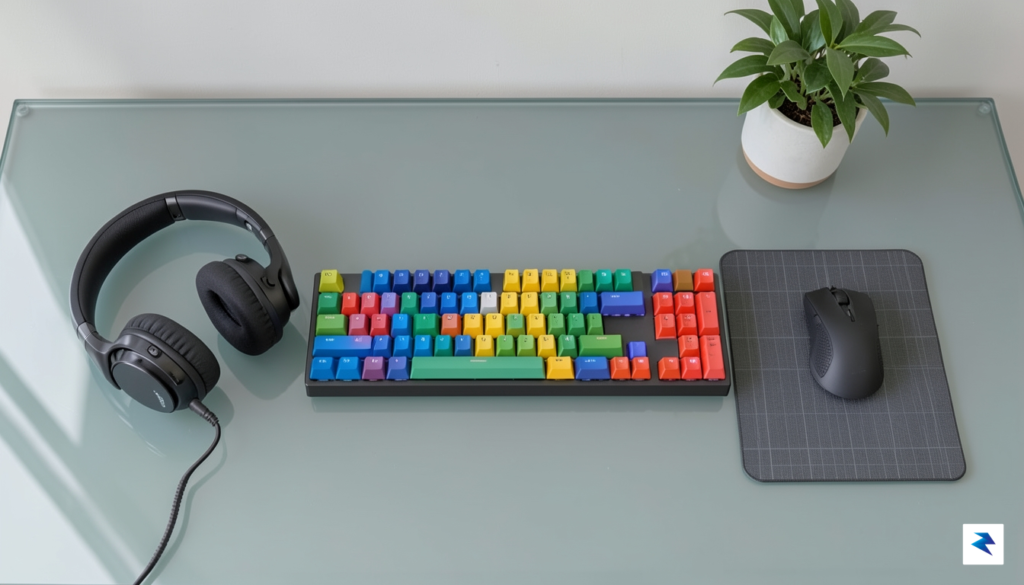
Complementing the keyboard, a high-precision mouse—or an ergonomic trackball—serves as the primary navigator of your digital workspace. Modern precision mice often feature customizable thumb buttons and adjustable DPI settings, allowing you to tailor the cursor speed and functionality to your specific workflow. When you eliminate the micro-stutters and wrist-twisting motions inherent in lower-quality hardware, you reduce the cognitive load of navigating complex software environments. The result is a smoother, more intuitive interaction with your machine, where the tool feels like an extension of your hand rather than an obstacle to be overcome.
The true value of hardware lies in its ability to fade into the background, leaving the user completely immersed in their work without the distraction of physical fatigue or technical failure.
Beyond input devices, the auditory environment plays a massive role in how effectively we communicate and concentrate. High-fidelity audio equipment, particularly headsets with active noise cancellation and broadcast-quality microphones, transforms the remote work experience. Clear audio ensures that your voice is heard without distortion during meetings, while noise-canceling technology allows you to cultivate a “focus bubble” in otherwise chaotic environments. This clarity prevents the mental exhaustion that stems from straining to hear colleagues or feeling self-conscious about background noise, ultimately creating a more professional and calm atmosphere for high-stakes collaboration.
When selecting these essential tools, durability and repairability should be your primary metrics for success. Cheap, disposable electronics contribute to a cycle of frustration and waste, whereas high-quality hardware is designed to be maintained, cleaned, and occasionally repaired. Look for peripherals that utilize standard connectivity ports, offer replaceable cables, or have accessible internal components. By choosing hardware built to last for a decade rather than a season, you not only protect your investment but also ensure that your workspace remains a reliable, familiar environment that supports your professional evolution over the long term.
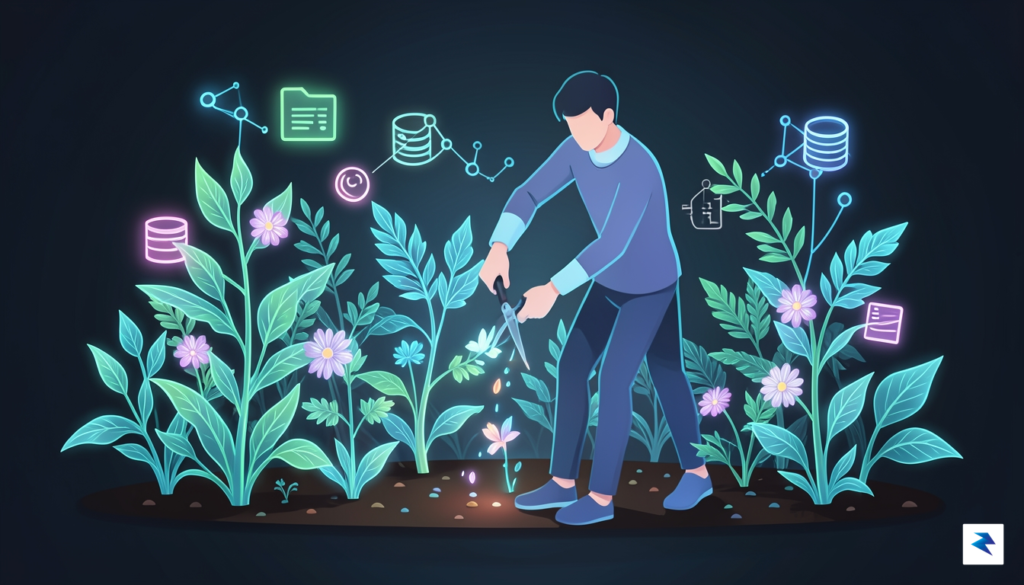
The longevity of your digital environment is rarely the result of a single perfect setup; rather, it is a byproduct of active, intentional maintenance. Much like a physical library that requires weeding to remain relevant, your digital toolkit must be subjected to a rigorous quarterly audit. Every three months, take a moment to evaluate your active applications and hardware. Ask yourself if a specific tool still solves a current problem or if you are simply continuing to use it out of habit. If an app has become a source of friction rather than a facilitator of your reading or research, it is time to cut the cord. By treating your tech stack as a dynamic ecosystem that requires pruning, you ensure that your digital space remains lean, functional, and aligned with your evolving goals.
One of the most significant obstacles to a healthy digital environment is the sunk cost fallacy. We often maintain expensive software subscriptions or proprietary hardware simply because we have already invested time in learning the interface or money in the annual fee. However, holding onto a mediocre tool because you have already paid for it is a classic case of throwing good time after bad. If a service no longer provides value, canceling the subscription—even if you have six months remaining—is often the most productive decision you can make. Your focus should always be on the present utility of the tool, not the historical investment made in it.

To avoid becoming trapped by your own systems, you must proactively mitigate the risk of vendor lock-in. This means prioritizing tools that allow for easy data export and utilize open, interoperable file formats like Markdown, CSV, or plain text. When you choose software that holds your data hostage in a proprietary format, you lose the ability to pivot when that company inevitably changes its business model or ceases development. Always ensure that you have a clear migration strategy for your notes, highlights, and documents. By keeping your data portable, you maintain your independence as a user and ensure that your intellectual assets can survive even if the tools you use today disappear tomorrow.
The most sustainable technology is the kind that empowers you to switch providers without losing your life’s work in the process.
Ultimately, your toolkit should be a reflection of your current season of life. As your professional responsibilities shift or your personal interests expand, your requirements for hardware and software will naturally change. Do not be afraid to retire an app that was essential to your workflow three years ago if it no longer serves your current needs. Embracing this cycle of evolution prevents digital clutter and keeps your focus sharp. By regularly auditing your digital environment and prioritizing data portability, you build a resilient foundation that supports your growth rather than constraining it.
You must be logged in to post a comment.