
The Billionaire Battle for the Future of Prediction Markets
The New Frontier of Prediction Markets For years, the concept of prediction markets was relegated to the fringes of academic discourse and…
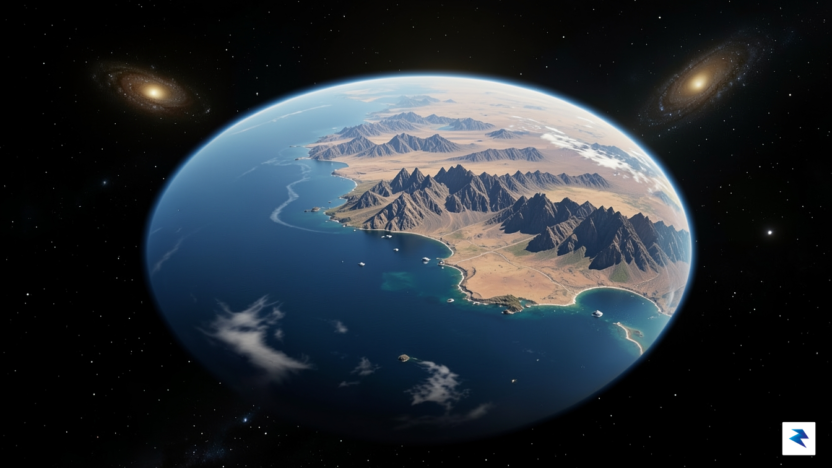
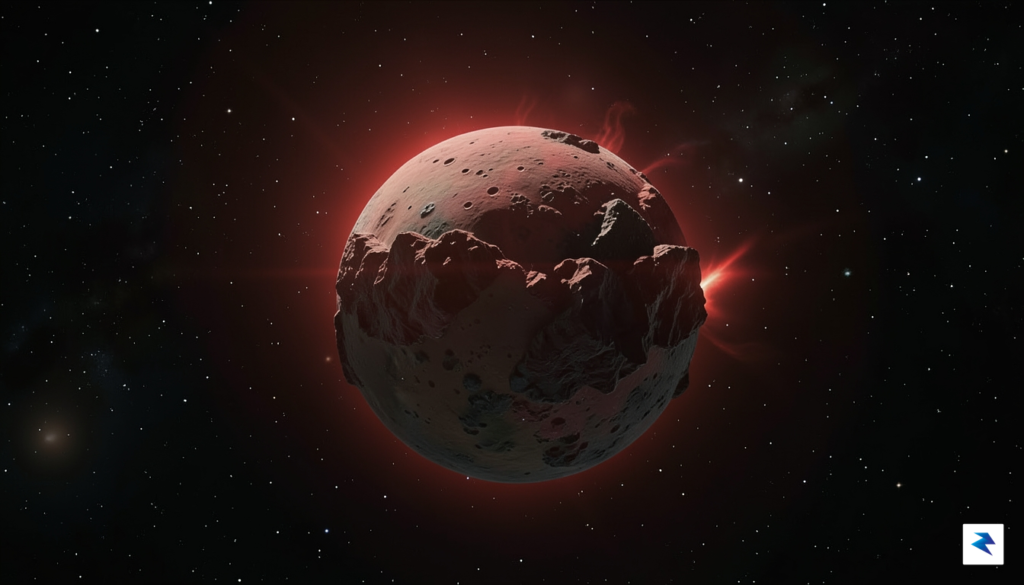
For generations, humanity has looked toward the night sky with a singular, haunting question: are we truly alone in the vast expanse of the cosmos? For a long time, the existence of other worlds was relegated to the realm of science fiction and theoretical speculation. It was not until the early 1990s that astronomers finally confirmed the existence of planets orbiting stars beyond our own sun, forever changing our understanding of the universe. However, those initial discoveries were largely composed of massive, scorching gas giants—worlds fundamentally inhospitable to life as we know it—which left scientists still searching for a true terrestrial analog to our own blue marble.
The evolution of exoplanet exploration has been nothing short of revolutionary, shifting from the crude detection of massive, wobbling bodies to the sophisticated, high-precision observation of small, rocky worlds. Early instruments were essentially limited to identifying planets that exerted significant gravitational influence on their host stars, a bias that favored the discovery of “Hot Jupiters.” Today, however, our toolkit includes advanced space-based observatories and ground-based spectrographs capable of detecting the minuscule dips in starlight caused by Earth-sized planets transiting their suns. This technological leap has bridged the gap between merely mapping the presence of distant planets and beginning the arduous process of characterizing their potential habitability.

This latest discovery represents a pivotal milestone because it shifts the focus from identifying mere orbital mechanics to analyzing the actual composition of a planet’s surface and atmosphere. Unlike the gas giants that dominated the early years of exoplanet research, this newly identified world exhibits the physical characteristics of a terrestrial planet, possessing the solid ground and proximity to its star necessary to potentially harbor liquid water. By focusing on these “Earth 2.0” candidates, researchers are no longer just counting dots on a map; they are effectively narrowing down the list of cosmic neighborhoods where the conditions for life might realistically converge.
The transition from discovering gas giants to identifying rocky, temperate worlds marks the most significant shift in modern astrobiology, moving us closer than ever to answering the ultimate question of our cosmic solitude.
Ultimately, the significance of this breakthrough lies in our growing ability to peer into the atmospheres of these distant worlds. With the deployment of next-generation telescopes, we are entering an era where we can analyze light filtering through these planetary skies to search for “biosignatures”—chemical markers like oxygen, methane, or ozone that could indicate biological activity. While we have yet to confirm the presence of life, the methodical advancement from detecting giant, lonely spheres to spotting rocky planets in the habitable zone proves that our search has finally matured into a rigorous scientific pursuit of our own origins.
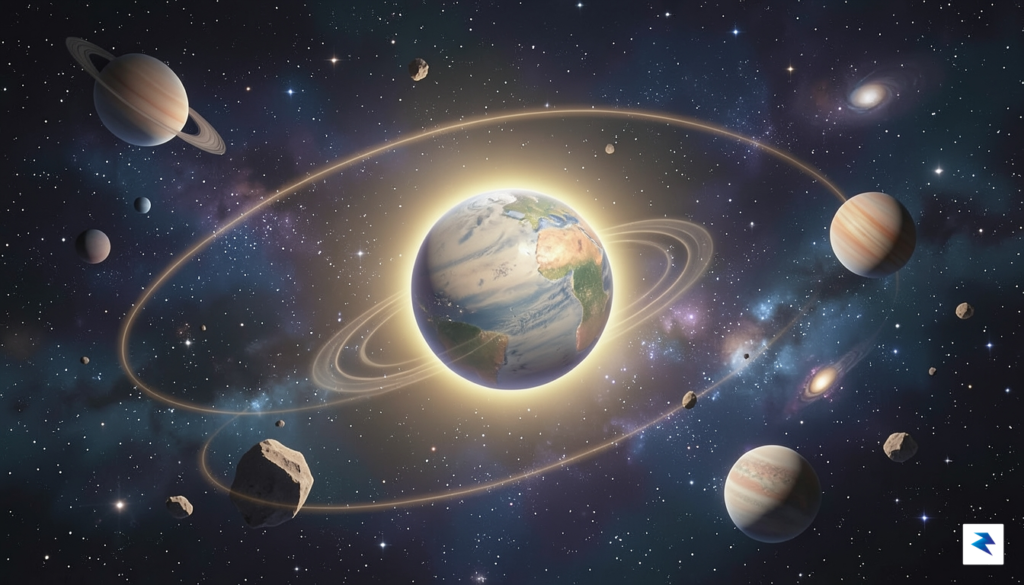
For decades, astronomers have centered their search for extraterrestrial life on the circumstellar habitable zone—often colloquially referred to as the “Goldilocks zone.” This region represents the perfect orbital distance from a host star where temperatures are neither too hot nor too cold, theoretically allowing liquid water to pool on a planet’s surface. However, simply residing within this temperate corridor is merely a starting point rather than a guarantee of habitability. A rocky world could sit squarely in the center of its star’s habitable zone and yet remain a barren, desolate wasteland if it lacks the complex environmental mechanisms required to nurture biological processes.
The critical missing piece of the puzzle is the planetary atmosphere. An atmosphere functions as a planetary blanket, trapping heat and preventing the chaotic temperature swings that would otherwise render a surface uninhabitable. Without a thick enough gaseous envelope, even a world at the perfect distance from its sun would be unable to maintain stable surface pressures, causing any potential liquid water to boil away into the vacuum of space or freeze instantly into ice. Furthermore, an atmosphere serves as a vital shield, filtering out high-energy ultraviolet radiation and deflecting micrometeoroids that would otherwise sterilize the surface, making it impossible for complex life to gain a foothold.
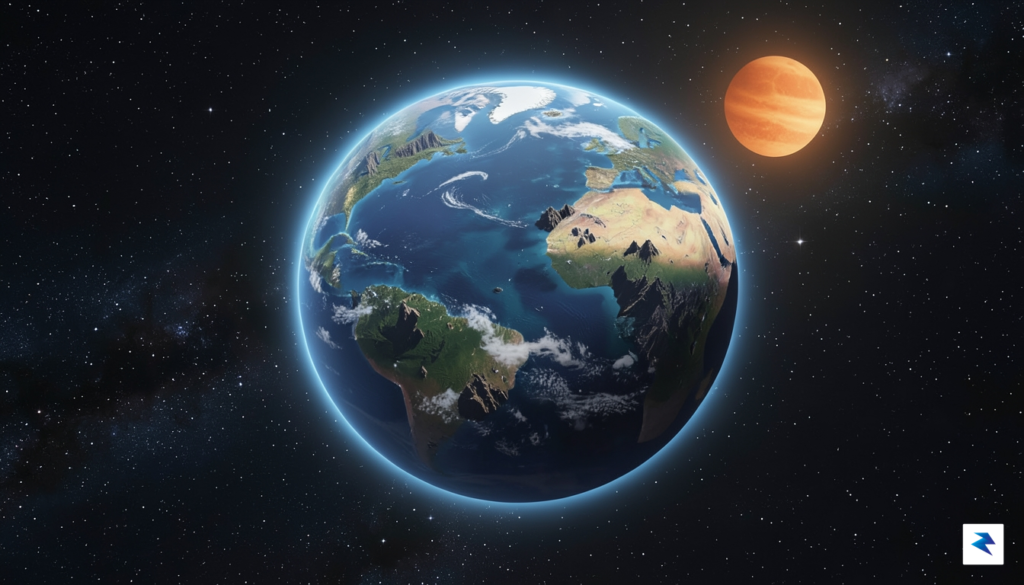
It is important to distinguish between having an atmosphere and having a breathable one. While we search for signs of oxygen or ozone, the presence of other gases can drastically alter a planet’s potential. For instance, greenhouse gases like carbon dioxide or methane, while hazardous in high concentrations on Earth, might be essential for warming a planet that orbits a cooler, smaller red dwarf star. Conversely, excessive surface pressure—caused by a crushing, dense atmosphere—could trap heat so efficiently that the surface becomes a hellish, Venus-like landscape, regardless of the planet’s distance from its sun.
The presence of an atmosphere is the difference between a celestial rock and a living world; it regulates the climate, protects the surface, and creates the chemical cycles necessary for life as we know it.
Ultimately, the search for “Earth 2.0” is shifting from a simple hunt for orbital coordinates to a sophisticated analysis of atmospheric chemistry. By utilizing advanced transit spectroscopy, scientists are now beginning to peer through the light of distant stars to identify the signatures of nitrogen, water vapor, and carbon dioxide in these alien skies. Each discovery brings us closer to understanding whether these worlds are merely temperate spheres of rock or dynamic, thriving environments capable of sustaining their own unique biology.
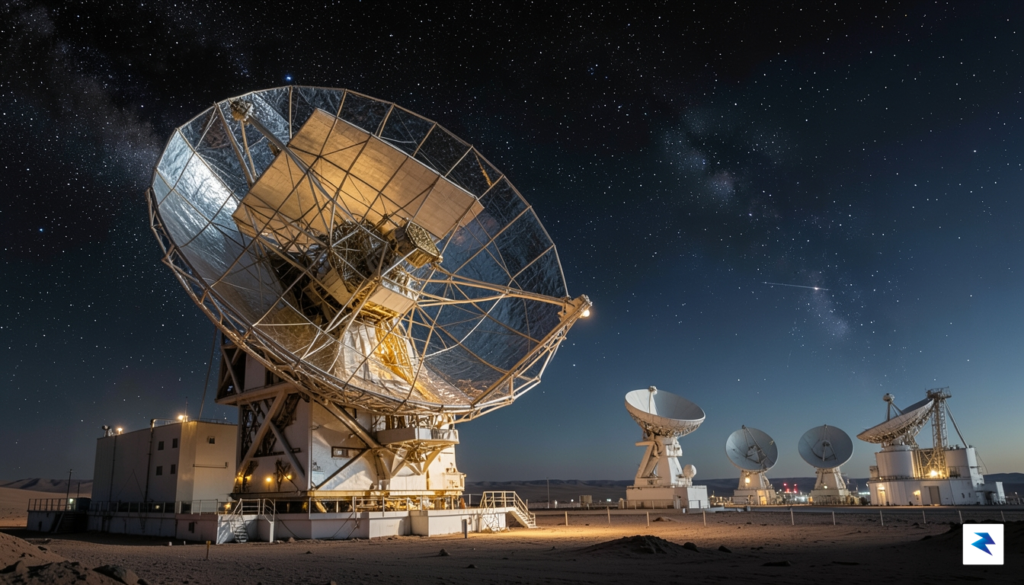
Detecting a small, rocky world orbiting a distant star is a feat of cosmic precision, often compared to spotting a tiny firefly flickering next to a massive, blinding lighthouse from hundreds of miles away. Because these exoplanets do not emit their own light, astronomers rely on ingenious indirect methods to reveal their presence. The primary technique used is the transit method, which involves monitoring a star for a periodic, slight dip in its brightness. This dimming occurs when a planet passes directly between its host star and our telescopes, effectively acting as a miniature eclipse that provides crucial data about the planet’s size and orbital period.
To confirm that these signals are truly caused by a planet and to determine the world’s mass, scientists pair transit observations with radial velocity measurements. As a planet orbits, its gravitational pull causes the host star to “wobble” ever so slightly in space. By measuring the minute shifts in the star’s light spectrum—a phenomenon known as the Doppler effect—astronomers can calculate the planet’s mass. When combined with the size data from the transit method, this allows researchers to determine the planet’s density, confirming whether it is a gaseous giant or a solid, rocky world similar to our own.
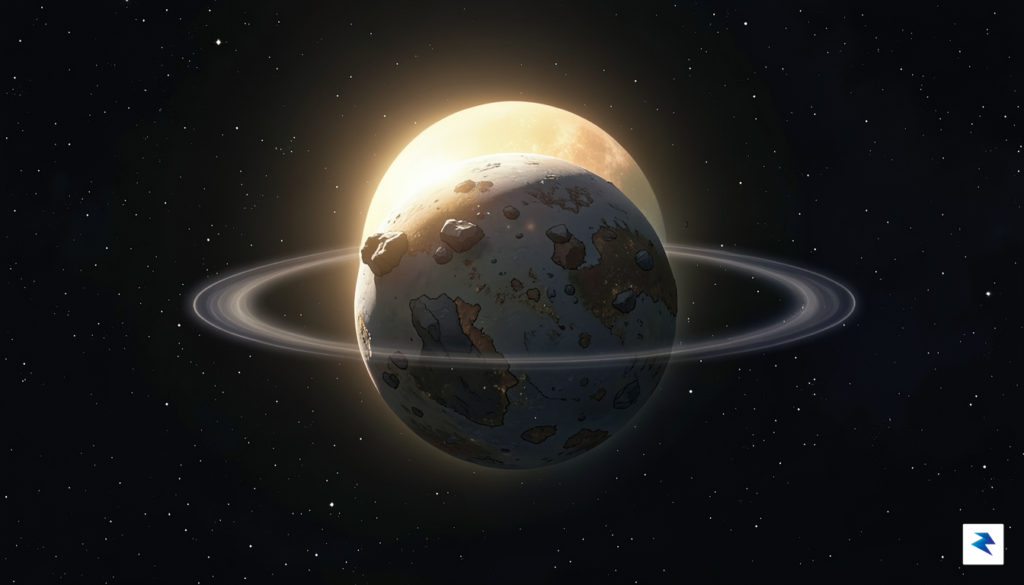
Once a candidate planet is identified, the real detective work begins through the process of transit spectroscopy. As the planet transits, a small portion of the host star’s light filters through the outer edges of the planet’s atmosphere. Different gases in that atmosphere absorb specific wavelengths of light, leaving behind a unique “fingerprint” in the spectrum. By analyzing this filtered light with sophisticated instruments, such as those aboard the James Webb Space Telescope, astronomers can identify chemical signatures like water vapor, carbon dioxide, or methane.
The presence of these specific molecules is a vital indicator, as they serve as potential biomarkers that suggest a planet might possess the necessary conditions to support liquid water or even biological processes.
This technical marvel of light analysis transforms a simple dip in brightness into a rich data source, revealing the chemical composition of a world trillions of miles away. By meticulously mapping these spectral signatures, researchers are moving beyond merely finding planets; they are now actively characterizing the environments of distant solar systems. This transition from detection to atmospheric analysis marks a monumental step forward in our quest to determine if Earth is truly unique in the universe or if we are surrounded by other potentially habitable worlds waiting to be discovered.
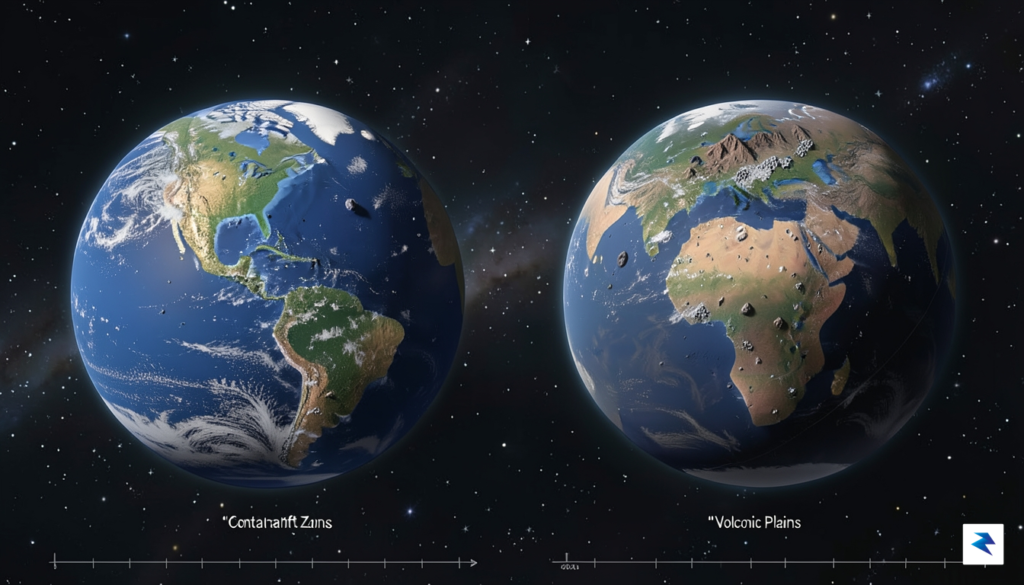
For decades, the search for exoplanets has been dominated by the detection of “Hot Jupiters”—massive, bloated gas giants that orbit so closely to their host stars that their atmospheres are essentially boiling away. While these discoveries provided essential data on planetary formation, they left scientists yearning for worlds that mirror our own. Most rocky exoplanets identified in the past have been either too close to their stars, resulting in tidally locked faces that are perpetually scorched, or positioned in environments bombarded by high-energy stellar flares that strip away any potential for a protective atmosphere. This new discovery, however, marks a definitive turning point because it successfully avoids these common pitfalls, presenting us with a terrestrial world that resides in the elusive “Goldilocks zone” with a stability we have rarely encountered before.
What sets this particular world apart is its unique combination of size, composition, and orbital environment. Unlike previous candidates that were either too large to be truly rocky or too small to maintain a meaningful atmosphere, this planet sits squarely in the sweet spot of Earth-like characteristics. The scientific community is particularly energized because this world appears to avoid the “tidally locked” trap, meaning it may possess a rotational period that allows for a distributed climate rather than a permanent day-night divide. By existing in a stable orbital dance around a relatively calm host star, the planet offers a rare opportunity to study a rocky surface that hasn’t been completely sterilized by extreme radiation, making it a pristine laboratory for the study of habitability.
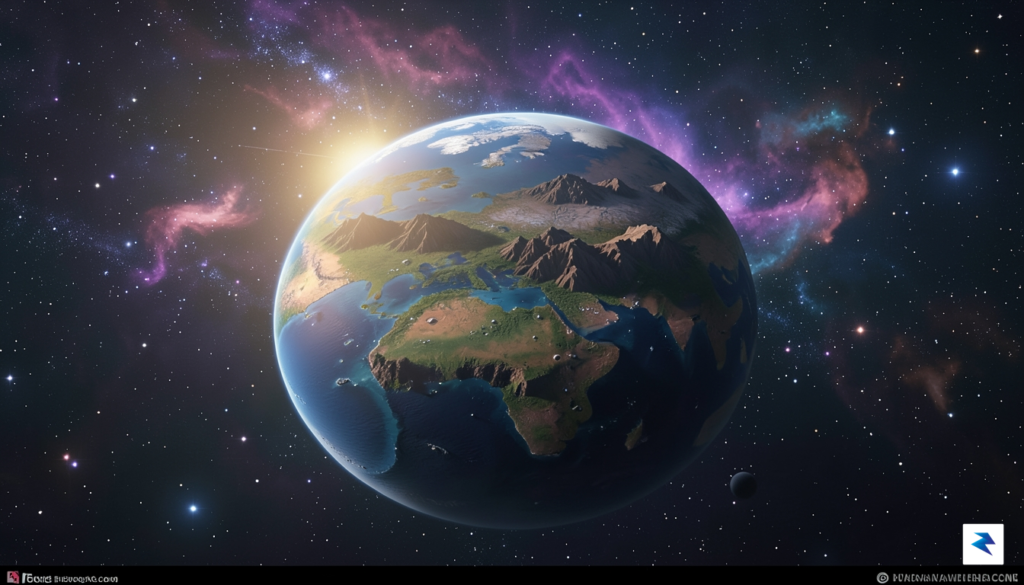
This discovery serves as the most promising bridge yet between abstract mathematical models of habitability and the physical reality of a world that could potentially support life as we know it.
This breakthrough is fundamentally altering the trajectory of the James Webb Space Telescope’s (JWST) observational schedule. Because the planet’s atmosphere is likely substantial enough to be analyzed through transmission spectroscopy, it has instantly become a top-tier target for upcoming observation cycles. Researchers are eager to peer through the light filtered by this planet’s atmosphere to hunt for chemical signatures like water vapor, carbon dioxide, or even methane—potential biosignatures that could hint at active geological or biological processes. By shifting our focus from merely cataloging distant dots in the dark to performing detailed atmospheric characterization on a world that actually resembles our home, we are finally moving beyond the era of planetary census-taking and into the era of true exoplanetary exploration.
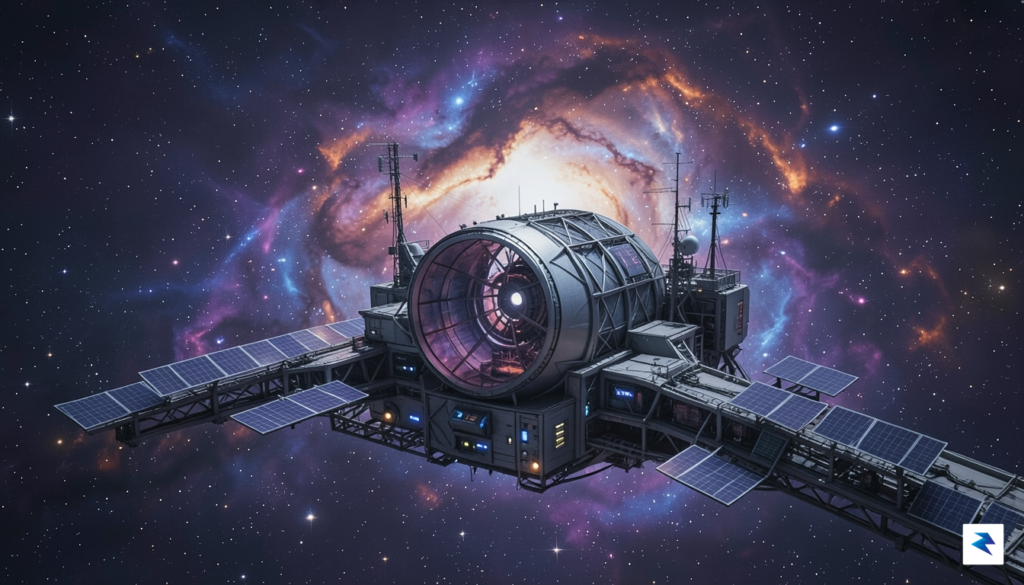
While this recent discovery represents a monumental milestone in astronomical history, it serves less as a final destination and more as a foundational roadmap for the next decade of deep space exploration. We are currently standing on the precipice of a new era, transitioning from the mere detection of exoplanets to the sophisticated characterization of their environments. With the maturation of next-generation observatories—such as the Extremely Large Telescope (ELT) and the Habitable Worlds Observatory—astronomers will soon possess the sensitivity required to peer through the atmospheric haze of distant worlds that were previously shrouded in mystery.
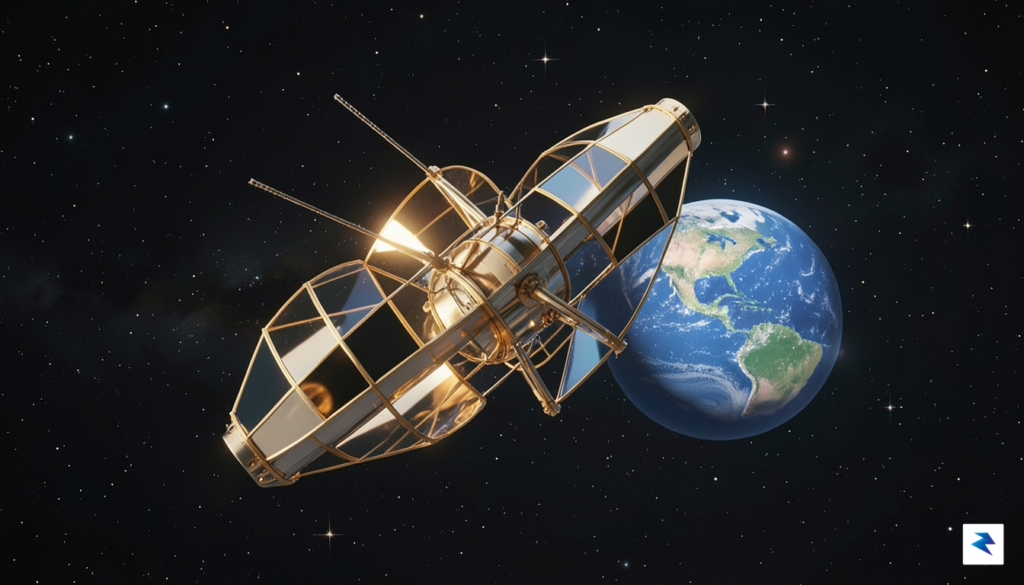
The primary focus of these upcoming missions is the rigorous hunt for biosignatures. These are not direct images of alien cities, but rather subtle, telltale chemical imbalances within an atmosphere that cannot be explained by standard geological or photochemical processes alone. By analyzing the light filtering through a planet’s atmosphere, researchers can identify the spectral fingerprints of methane, oxygen, and ozone existing in a state of disequilibrium. If these gases are found in specific ratios, they act as a “smoking gun” for biological activity, suggesting that life—perhaps microbial or even more complex—is actively shaping the environment of that world.
The discovery of a true chemical biosignature would be the most significant scientific finding in human history, fundamentally altering our understanding of our place in the cosmos.
Beyond the technical challenges of spectroscopy, there is a profound philosophical weight to this endeavor that transcends the raw data. For centuries, humanity has gazed at the stars and asked the singular, haunting question: Are we alone? As we refine our ability to identify “Earth 2.0” candidates, we are essentially building a mirror that reflects our own existence back at us. Finding a planet with a life-sustaining atmosphere would not only prove that biology is a cosmic imperative rather than a terrestrial fluke, but it would also force a global recalibration of how we view our own fragile, blue home. We are no longer just mapping the geography of the galaxy; we are embarking on a quest to determine whether the universe is a vibrant, inhabited theater or a vast, silent expanse waiting for the spark of life to be recognized.
You must be logged in to post a comment.