Kodak EC35 Review: Is This $35 Camera the Ultimate Analog Starter?
Introduction: The Resurgence of Analog Photography The hum of a motorized film advance and the tactile satisfaction of a physical shutter…

Jensen Huang’s recent diplomatic and commercial tour across Japan represented a decisive turning point in the global semiconductor landscape, marking a departure from traditional vendor-client dynamics toward a model of deep, sovereign integration. Rather than merely closing hardware deals, Huang engaged in high-level dialogues with government officials and industry titans, effectively positioning Nvidia as the essential architectural backbone of Japan’s national digital infrastructure. This visit underscored a shift where Nvidia is no longer just selling chips; it is providing the foundational “operating system” for Japan’s next industrial revolution, embedding its accelerated computing platforms directly into the country’s long-term economic and security strategies.
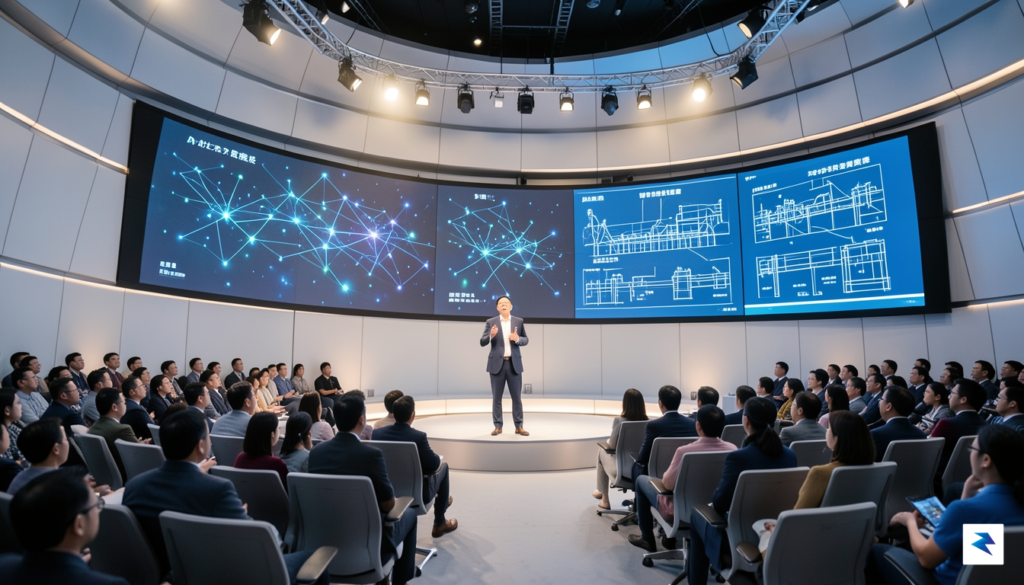
The strategic importance of this visit lies in how seamlessly Nvidia’s GPU roadmap aligns with Japan’s unique industrial requirements. Japan faces a multifaceted challenge: a shrinking workforce, the need to revitalize its legendary manufacturing prowess, and an urgent push toward national AI sovereignty. By collaborating with local leaders, Huang is facilitating a transition where Nvidia’s AI factories serve as the engines for Japan’s robotics, automotive innovation, and pharmaceutical discovery. Consequently, this creates a symbiotic ecosystem where Japan secures the cutting-edge compute power necessary to maintain its global competitiveness, while Nvidia gains a deeply entrenched foothold in one of the world’s most sophisticated technology markets.
By evolving from a hardware supplier into a strategic architect of national infrastructure, Nvidia is effectively weaving itself into the fabric of Japan’s digital future, ensuring that the country’s transition to an AI-driven economy is powered almost exclusively by the Nvidia ecosystem.
Furthermore, this expansion represents a sophisticated hedge against global supply chain volatility. By fostering localized research hubs and strengthening ties with Japanese manufacturers, Nvidia is effectively decentralizing its operational gravity, ensuring that its technology is integrated at the foundational level of Japan’s domestic R&D efforts. This shift is particularly significant because it moves beyond the transactional nature of previous eras; instead, it establishes a framework for long-term technological cooperation that spans public policy, private enterprise, and academic research. As these partnerships mature, it is becoming increasingly clear that Japan’s digital trajectory will be indelibly marked by Nvidia’s influence, turning the nation into a primary testing ground for the next generation of industrial-scale artificial intelligence.
Jensen Huang’s recent diplomatic and commercial overtures in Japan signify a departure from Nvidia’s traditional hardware-centric sales model, opting instead for a comprehensive, ecosystem-wide integration that touches almost every facet of the nation’s industrial identity. Rather than merely supplying chips to individual firms, Nvidia is embedding its software-defined architecture into the very foundation of Japanese manufacturing. This strategic pivot ensures that from automotive production lines to the next generation of telecommunications, the underlying logic of Japanese innovation is powered by the Nvidia stack. By weaving its technology into the core workflows of legacy giants, the company has effectively positioned itself as the indispensable operating system for Japan’s digital transformation.
The scope of this initiative is remarkably granular, targeting specific high-growth sectors where Japan maintains a competitive global advantage. In the automotive realm, partnerships are moving beyond simple infotainment systems toward full-scale autonomous driving platforms that rely on Nvidia’s end-to-end simulation environments. Simultaneously, in the telecommunications sector, Nvidia is collaborating with domestic carriers to pioneer 6G research, leveraging AI to optimize signal propagation and network efficiency in ways that were previously computationally impossible. Furthermore, Japan’s world-leading robotics manufacturers are integrating Nvidia’s specialized AI models to transition from rigid, pre-programmed machines to adaptive, intelligent agents capable of navigating complex, real-world environments with human-like precision.

By securing these commitments, Nvidia isn’t just selling hardware; it is creating a long-term dependency where the CUDA software platform becomes the essential language of Japanese industrial research and development.
The true genius of this strategy lies in the role of the CUDA ecosystem, which serves as a formidable “moat” that locks partners into Nvidia’s hardware for the long haul. Because Japanese engineers are increasingly trained on and committed to the CUDA programming environment, the switching costs for these industrial giants are becoming prohibitively high. This collaborative R&D approach fosters a cycle of innovation where Nvidia provides the tools for Japanese researchers to push the boundaries of AI, and in return, those researchers optimize their industry-specific applications exclusively for Nvidia’s architecture. By aligning its product roadmap with the national interests of Japan’s most critical industrial players, Nvidia has secured a seat at the table for the next decade of technological evolution, ensuring that the country’s industrial heartbeat is synchronized with its own silicon.
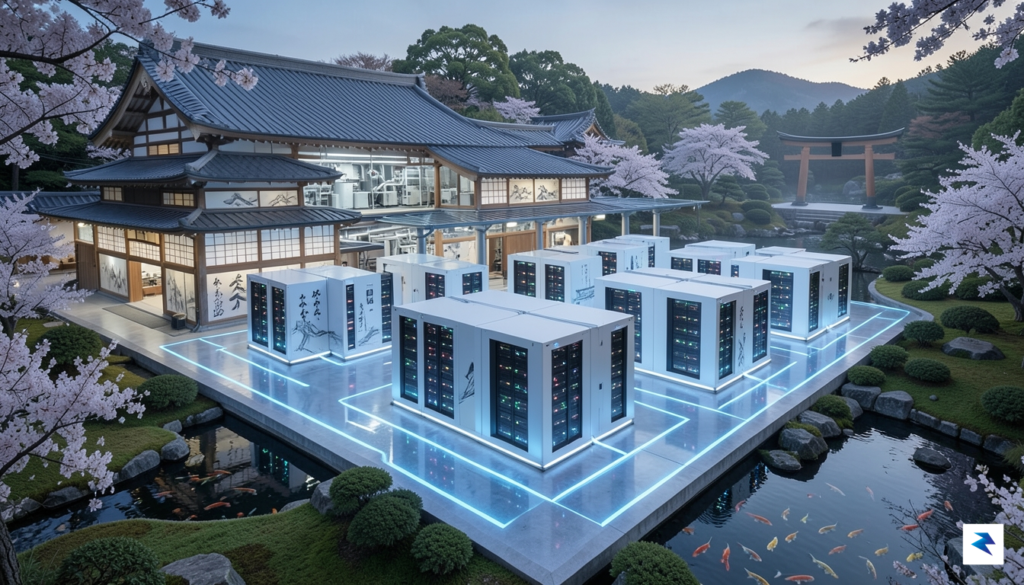
At its core, Sovereign AI represents a strategic shift where nations prioritize the development of domestic artificial intelligence infrastructure to ensure that national interests, cultural values, and linguistic nuances are hard-coded into the intelligence systems of the future. Rather than relying exclusively on foreign-hosted cloud services—which can impose external biases or create vulnerabilities in data privacy—Japan is moving toward a model of technological self-reliance. This approach treats compute capacity much like a strategic natural resource, viewing the ability to train and run localized Large Language Models (LLMs) as essential for maintaining economic autonomy and national security in an increasingly digitized global landscape.
For Japan, the drive toward Sovereign AI is deeply rooted in the need to preserve its unique industrial identity and societal standards. Large, general-purpose models developed in Silicon Valley often struggle to capture the complex, honorific-heavy nuances of the Japanese language or the specific regulatory requirements of Japan’s high-precision manufacturing sectors. By building domestic compute clusters, Japan ensures that its intellectual property and sensitive industrial data remain within its borders, shielded from the risks associated with cross-border data flows. This push is not merely about defensive protectionism; it is an offensive strategy to integrate AI into Japan’s aging workforce and high-tech robotics industry, ensuring that the technology operates according to local ethical frameworks.

The collaboration between Japanese industrial leaders and Nvidia serves as the vital bridge in this transition. By securing access to Nvidia’s world-class H100 and Blackwell hardware, Japan is bypassing the bottleneck of global supply chain competition to establish high-performance computing centers locally. This partnership allows Japanese researchers to train massive models on native datasets without the latency or security compromises inherent in using remote, US-based cloud platforms. The synergy is clear: Nvidia provides the high-octane silicon necessary for the heavy lifting of machine learning, while Japan provides the specialized, high-quality data and massive capital investment required to build a bespoke AI ecosystem.
Sovereign AI is the realization that in the 21st century, the capacity to process information is as critical to a nation’s strength as its energy grid or financial markets.
Ultimately, this pivot toward localized compute power signals a broader trend in global geopolitics where “AI sovereignty” becomes a defining metric of international influence. Japan’s commitment to this path—underscored by recent high-level dialogues with industry titans—demonstrates a proactive refusal to be a passive consumer of foreign technology. Instead, the country is positioning itself as a central hub where global hardware meets localized intelligence, creating a robust, secure foundation for the next generation of industrial and societal innovation.
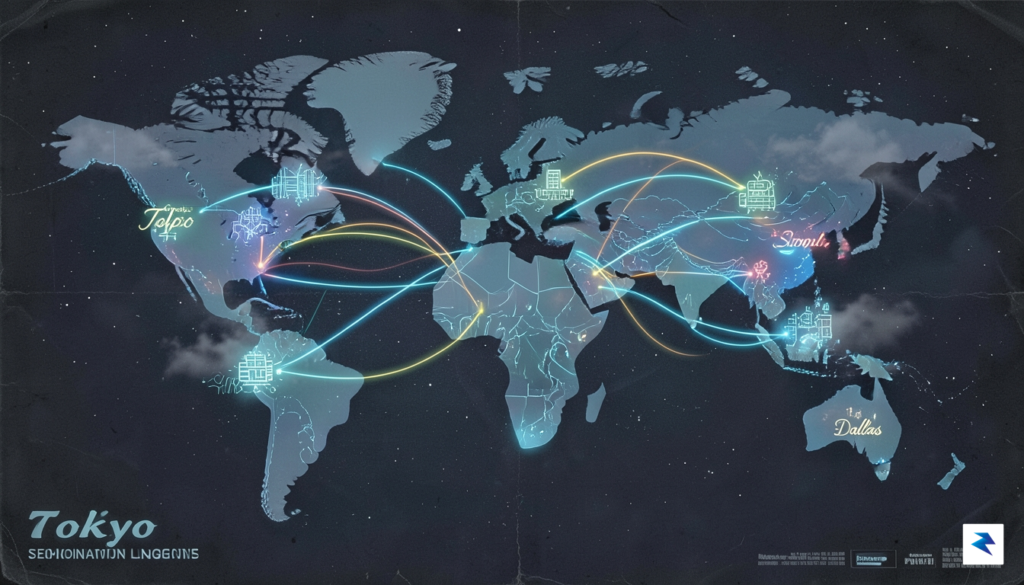
The strategic courtship between Nvidia and Japan represents far more than a simple corporate expansion; it is a calculated reconfiguration of the global semiconductor supply chain. By anchoring a portion of its R&D and manufacturing oversight within Japan, Nvidia is effectively establishing a critical “node of stability” that exists outside the increasingly volatile corridors of traditional manufacturing hubs. As geopolitical tensions continue to exert pressure on trans-Pacific trade relations, this partnership provides a vital buffer. It allows Nvidia to diversify its operational footprint, ensuring that its cutting-edge AI architecture remains insulated from regional bottlenecks or sudden shifts in international trade policy.
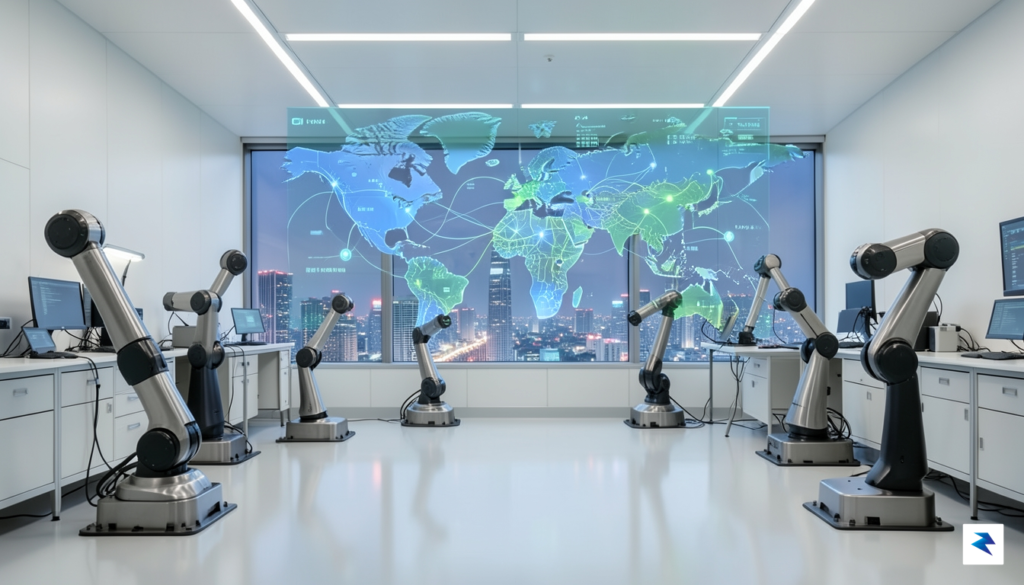
Japan’s unique value proposition lies in its unparalleled high-precision manufacturing capability, which serves as the perfect complement to Nvidia’s software-defined chip design philosophy. For decades, Japanese firms have mastered the production of specialized materials, high-end lithography components, and sophisticated packaging technologies that are essential for next-generation GPUs. By deepening its integration with Japanese industrial partners, Nvidia is not merely outsourcing production; it is gaining access to a highly specialized ecosystem that can accelerate the development of energy-efficient and thermally stable AI hardware. This synergy promises to shorten innovation cycles, allowing both parties to stay ahead of the curve in an industry that demands relentless performance improvements.
The intensifying collaboration between these two giants is likely to trigger a significant shift in market dominance across the Asia-Pacific region. As Japan revitalizes its semiconductor sector with heavy government investment and private-sector partnerships, it is positioning itself as a reliable alternative to the centralized production models of the past. This development creates a more multipolar landscape, where Japan functions as a hub for advanced AI research and high-value manufacturing, potentially drawing investment away from regions currently grappling with geopolitical friction. Consequently, we are witnessing a move toward a “distributed resilience” model, where the reliance on any single geographical point is minimized in favor of a more robust, interconnected network of technical allies.
The partnership between Nvidia and Japan acts as a strategic hedge, transforming regional manufacturing prowess into a global stabilizer for the AI-driven economy.
Ultimately, this realignment serves as a blueprint for other tech conglomerates seeking to safeguard their future against systemic shocks. By leveraging Japan’s mature industrial infrastructure, Nvidia is effectively future-proofing its supply chain while simultaneously fostering a sustainable technological ecosystem. As these ties continue to solidify, the broader chip market will likely see a transition toward greater geographical diversification, ultimately leading to a more resilient and balanced global hardware industry that can weather the complexities of 21st-century geopolitics.

For investors and industry leaders, the transition from high-profile diplomatic gestures to the gritty reality of technical implementation marks the most critical phase of the Nvidia-Japan partnership. While Jensen Huang’s visit generated significant market optimism, the long-term growth trajectory of these initiatives will be determined by how quickly the proposed hardware deployments move from the drawing board to full-scale operational capacity. Stakeholders should now pivot their attention toward concrete Key Performance Indicators (KPIs), specifically monitoring the timeline for GPU cluster installations within Japanese data centers and the subsequent adoption rates among Japan’s domestic manufacturing and robotics sectors. If these deployments hit their projected milestones, it will signal a robust demand cycle that validates the necessity of Nvidia’s ecosystem in the country’s industrial digital transformation.

Beyond simple deployment metrics, market participants must remain vigilant regarding the regulatory and competitive landscapes that could potentially temper growth. Japan is increasingly focused on achieving a degree of “technological sovereignty,” meaning there is a non-zero risk that the government might encourage, or even subsidize, domestic chip alternatives to reduce absolute reliance on any single foreign provider. Investors should closely track the progress of Japanese semiconductor consortia like Rapidus; if these local efforts gain significant momentum, Nvidia’s role might evolve from a primary hardware supplier to a strategic partner in a more hybridized technological ecosystem. Furthermore, as Japan continues to refine its domestic AI safety and privacy regulations, any shift in export controls or data sovereignty laws could impact how Nvidia distributes its most advanced Blackwell or Hopper architectures within the region.
The true bellwether for this strategy is not the initial press release, but the measurable efficiency gains reported by Japanese enterprise partners as they integrate Nvidia-accelerated computing into their core infrastructure.
Ultimately, the successful execution of this roadmap hinges on the interplay between Nvidia’s hardware superiority and the specific, high-complexity needs of the Japanese market. Industry leaders should watch for the following developments in the coming quarters:
By focusing on these granular operational details rather than just executive-level announcements, investors can gain a clearer picture of whether the current excitement surrounding the partnership will translate into sustained, compounding value. The coming months will be a test of whether the ambitious promises made during Huang’s visit can overcome the logistical and competitive hurdles inherent in scaling AI infrastructure in a sophisticated, highly regulated market like Japan.
You must be logged in to post a comment.