Why Nolan’s ‘The Odyssey’ Is a Massive Win for Theatrical Cinema
The Cultural Impact of Nolan’s Latest Epic The staggering $124.5 million opening weekend for Christopher Nolan’s latest cinematic odyssey…
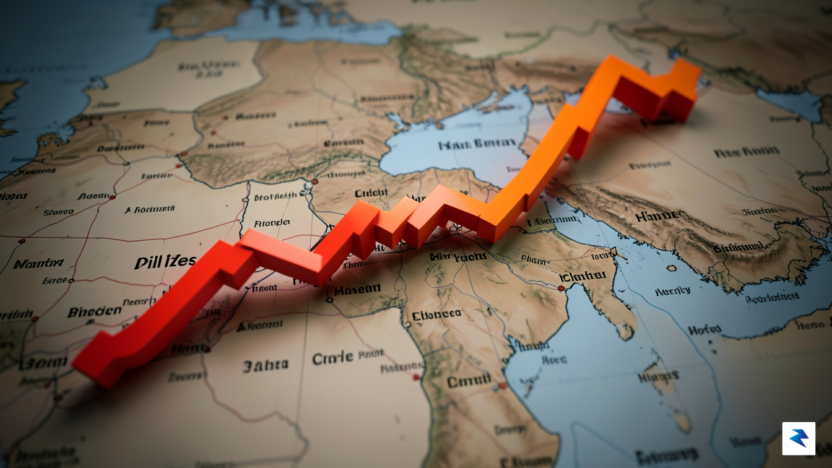

Crossing the $90 per barrel threshold is rarely a mere statistical milestone; rather, it functions as a potent psychological firewall for global markets. Historically, this price point has acted as a tipping point where energy costs shift from being a manageable operational expense to a primary driver of inflationary pressure. When Brent crude climbs into this territory, it signals to investors and policymakers alike that the geopolitical risk premium—the extra cost buyers pay due to uncertainty—has become entrenched. Traders often view this level as a “resistance zone,” where fears of supply chain disruptions in volatile regions like the Middle East begin to outweigh fundamental data, leading to aggressive speculation and heightened market volatility.
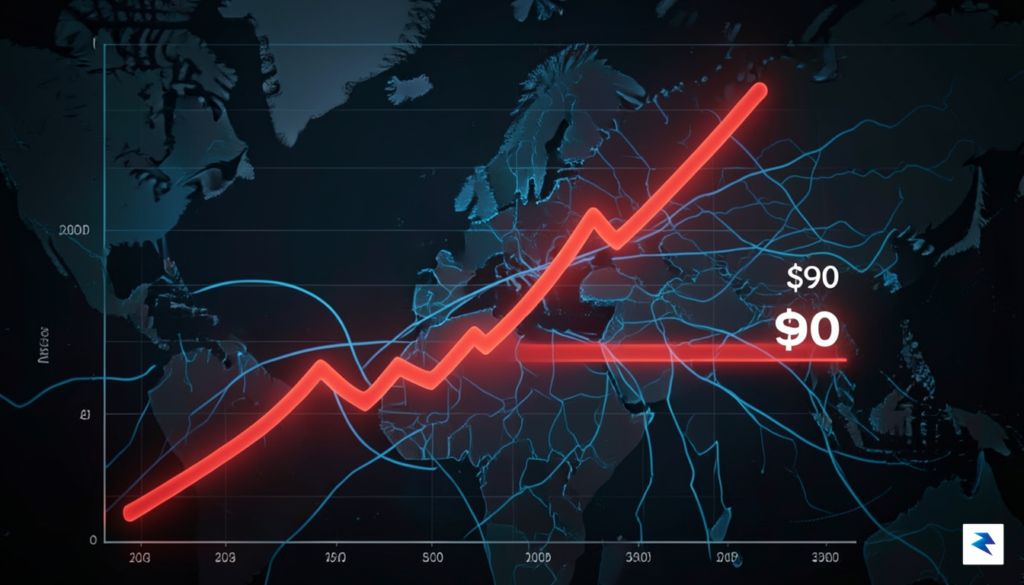
The significance of this price barrier lies in its immediate ripple effect on the global cost of goods. Because oil remains the lifeblood of international commerce, a sustained price above $90 inevitably filters down into every corner of the consumer experience. Transportation costs for shipping goods via land, sea, and air rise in direct correlation with fuel prices, forcing retailers to pass these expenses onto the end consumer. This creates a “cost-push” inflationary environment where households find themselves paying more not only for gasoline at the pump but for everything from grocery staples to electronic components, effectively eroding purchasing power across diverse economies.
The $90-per-barrel mark is effectively an economic pressure gauge; once the needle passes this point, the market shifts from assessing supply-demand balance to pricing in systemic instability and the potential for a global slowdown.
The mechanics of the current surge are deeply rooted in the widening U.S.-Iran conflict, which introduces a level of unpredictability that algorithms and futures traders struggle to quantify. Unlike simple supply shortages, geopolitical tensions involving key oil-producing regions threaten the physical security of critical chokepoints like the Strait of Hormuz. When the market perceives a legitimate threat to the transit of millions of barrels of oil per day, the price does not merely rise based on current inventory; it jumps to account for the “what-if” scenarios that could lead to a sudden, catastrophic supply vacuum. Consequently, $90 becomes a self-reinforcing benchmark, where the mere act of reaching it triggers defensive buying by companies looking to lock in prices, further accelerating the upward momentum.

The recent intensification of hostilities between the United States and Iran has pushed global energy markets into a state of heightened volatility, primarily because the conflict threatens the world’s most critical maritime energy chokepoint: the Strait of Hormuz. This narrow waterway, situated between Oman and Iran, serves as the essential artery for approximately one-fifth of the world’s total oil consumption. When tensions spike in this region, the threat of potential blockades, harassment of tankers, or broader military engagement forces traders to reassess the security of every barrel flowing out of the Persian Gulf. Because so much of the global supply relies on this singular, narrow passage, any disruption here creates a structural fragility that ripples instantly through both regional infrastructure and international logistics.
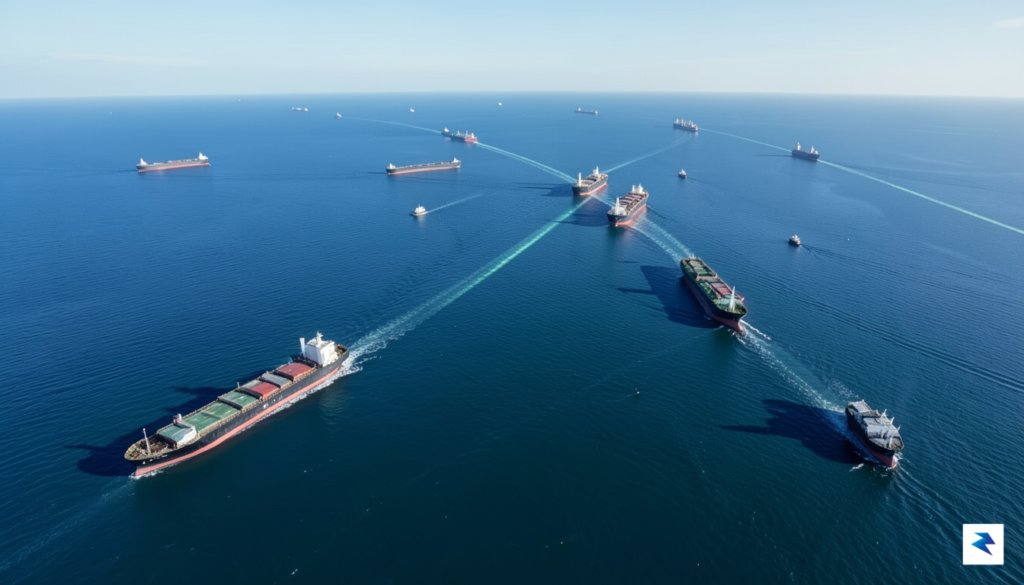
Market analysts often refer to this reaction as the “geopolitical risk premium,” a surcharge added to the price of oil based on the fear of future supply shortages rather than current physical scarcity. Even if a single drop of oil has not yet been withheld from the market, the mere possibility that a conflict could close the Strait causes immediate upward pressure on futures contracts. This psychological component of pricing is what drives oil past the $90-a-barrel threshold; investors are essentially paying to hedge against the catastrophic scenario where energy flows grind to a halt. As U.S.-Iran relations deteriorate, this premium becomes increasingly baked into the daily price, reflecting a market that no longer views regional stability as a given.
The structural vulnerability of our current supply chain lies in our reliance on a handful of narrow maritime chokepoints that can be easily compromised by regional military posturing.
Beyond the immediate price spikes, this widening conflict is forcing a fundamental shift in how nations approach their long-term energy security policies. Historically, many Western nations relied on the assumption that open sea lanes and international naval cooperation would guarantee a steady flow of crude. However, the current escalation suggests that this era of predictable transit may be ending, prompting a pivot toward more localized production and the accelerated adoption of alternative energy sources. Policymakers are now forced to weigh the immediate economic pain of higher fuel costs against the strategic necessity of insulating their national grids from the unpredictable nature of Middle Eastern maritime security. As the U.S. and Iran continue to trade diplomatic and military barbs, the global energy supply chain remains in a precarious state, waiting to see if these tensions will eventually lead to a sustained disruption of the world’s most important trade route.
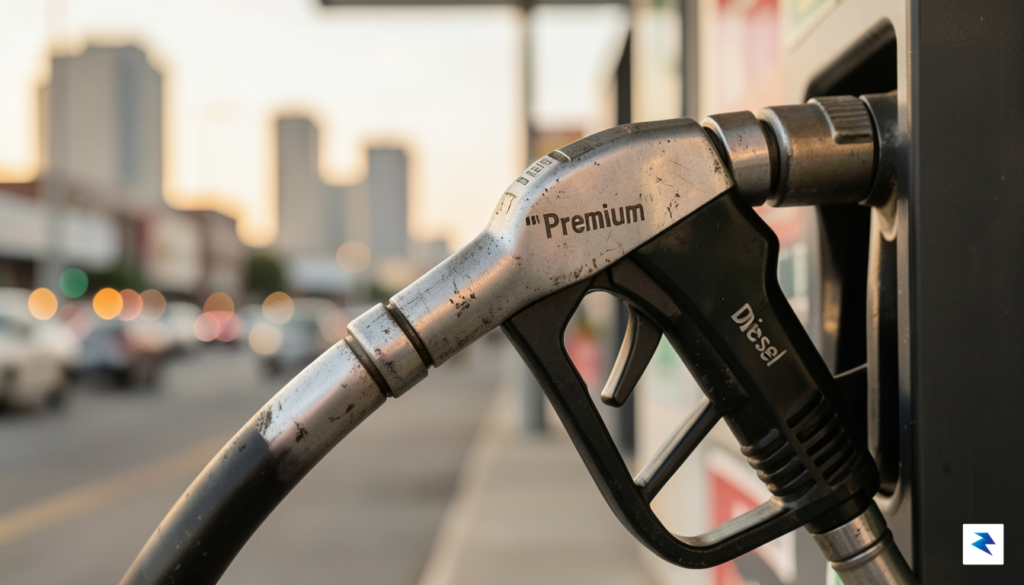
When crude oil prices climb toward the $90-a-barrel threshold, the immediate sting is usually felt at the gas pump. However, the true economic impact extends far beyond the fuel tank, creating a ripple effect that touches virtually every corner of the household budget. Because oil is the primary energy source for the global logistics network, higher fuel prices increase the cost of transporting everything from fresh produce to electronics. Retailers and manufacturers often pass these increased shipping and operational expenses directly to the consumer, meaning that a spike in energy costs acts as a hidden tax on the goods and services you buy every single day.
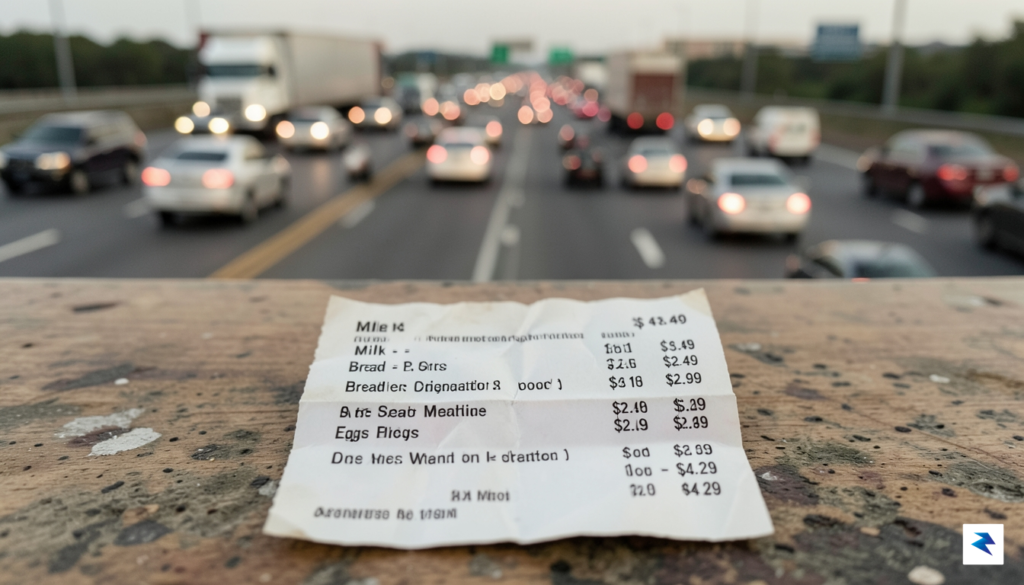
It is important to understand that there is often a noticeable “lag time” between a surge in global oil markets and the corresponding jump in prices at local stations or grocery aisles. While fuel prices at the pump may react within a few days, the inflationary pressure on general consumer goods typically takes several weeks or even months to manifest. Companies generally work on inventory cycles and fixed-price shipping contracts, but as those agreements expire and businesses are forced to renew them at higher rates, the rising costs eventually reach the shelves. This delayed reaction means that the inflationary impact of today’s geopolitical tensions may not be fully realized until several months down the road, creating a sustained pressure on household savings.
The core of the issue is that oil is a foundational input; when its price rises, the cost of production, distribution, and even plastic-based packaging materials increase, inevitably thinning the average family’s disposable income.
For the average household, this environment necessitates a proactive approach to financial management. As inflation eats into the money available for discretionary spending, many families find it helpful to prioritize energy efficiency and budget flexibility. Consider the following strategies to help mitigate the impact of rising energy-linked costs:
Ultimately, while the macroeconomic data regarding conflict-driven oil spikes can feel distant, the impact on your monthly bank statement is deeply personal. By recognizing that these rising costs are systemic rather than isolated to the gas station, you can better prepare your household to navigate the challenging inflationary environment that often accompanies global instability.

The recent surge in crude oil prices past the $90 threshold has created a striking divergence between the energy commodity markets and broader equity indices like the S&P 500. While oil futures reacted with immediate, sharp volatility in response to escalating tensions between the U.S. and Iran, stock futures have demonstrated a surprising degree of resilience. This disconnect stems from a fundamental difference in how these markets price risk. Commodities are direct, high-frequency barometers of immediate supply chain disruption and geopolitical instability, whereas equity markets often view such shocks through a longer-term lens, weighing the immediate costs of energy inputs against the broader macroeconomic growth trajectory and corporate earnings resilience.
Institutional investors are currently navigating this complex landscape by deploying sophisticated hedging strategies that decouple short-term commodity spikes from their long-term equity allocations. Rather than panic-selling in response to every headline, many fund managers are utilizing options markets and energy-sector derivatives to insulate their portfolios against energy-driven inflationary pressures. By shifting capital into defensive sectors or increasing exposure to energy-producing stocks that benefit from higher prices, these institutions are effectively balancing the risk of a regional conflict against the underlying strength of the domestic economy. This calculated approach prevents a knee-jerk reaction in the equity markets, allowing investors to remain focused on fundamental growth drivers like corporate profitability and consumer demand.
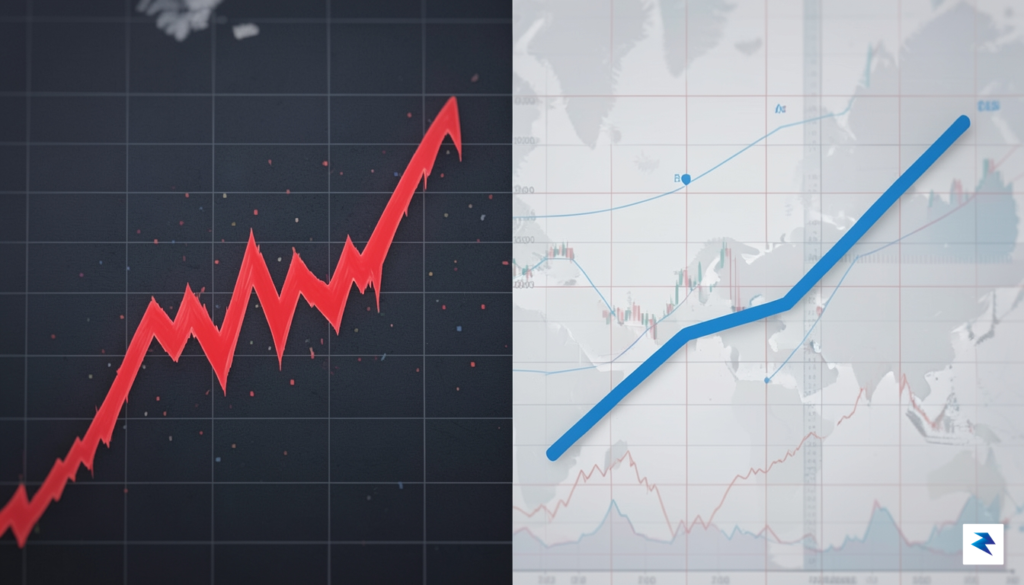
Despite the current stability in the broader markets, the long-term implications of sustained high oil prices cannot be ignored. Prolonged energy costs represent a structural headwind for corporate earnings, particularly for sectors like transportation, manufacturing, and consumer retail, where margins are highly sensitive to fuel and logistics expenses. If prices remain elevated for an extended period, the “transitory” inflationary impact may harden into a persistent drag on profitability, forcing companies to pass costs along to consumers. This could, in turn, dampen consumer confidence and slow overall economic momentum.
The true risk to the equity market is not the initial spike in oil, but the duration of the high-price environment and its subsequent impact on the Federal Reserve’s interest rate policy.
Ultimately, the resilience we see in equity indices today reflects a cautious optimism that the global economy can absorb these energy shocks without a significant contraction. Investors are betting that the structural shift toward renewable energy and the improved efficiency of modern corporations will mitigate the traditional pain points associated with oil price volatility. As long as the conflict remains contained, the stock market is likely to continue prioritizing growth expectations over the raw price of a barrel of crude, though the margin for error remains thin as geopolitical uncertainty persists.

The recent surge in crude oil prices beyond the $90-per-barrel threshold serves as a volatile reminder of the “energy trilemma” that global policymakers must navigate: the delicate balance between energy security, economic affordability, and long-term environmental sustainability. As geopolitical tensions in the Middle East threaten the stability of supply chains, the vulnerability of an economy tethered to fossil fuels becomes impossible to ignore. For decades, the global market has operated on the assumption that oil would remain both accessible and relatively inexpensive, but modern volatility suggests that this era of predictability is waning. By prioritizing short-term supply fixes over structural changes, nations often find themselves trapped in a cycle of reactive policy, leaving businesses and households exposed to the whims of international conflict.

To mitigate these recurring shocks, nations and corporations are increasingly focusing on the diversification of their energy portfolios. This transition is no longer just an environmental goal; it has become a fundamental pillar of national security. Strategic petroleum reserves, while useful as a temporary buffer against sudden supply disruptions, act only as a band-aid rather than a cure. True resilience requires a aggressive acceleration of renewable infrastructure, such as utility-scale solar farms, wind energy integration, and the modernization of electrical grids to handle decentralized power. By shifting the energy mix away from hydrocarbon-heavy sources, countries can insulate their domestic economies from the fluctuations of the global oil market, effectively decoupling economic growth from the geopolitical risks that often manifest at the pump.
The path toward true energy independence is paved not by drilling more wells, but by investing in technologies that produce power locally, sustainably, and reliably regardless of international disputes.
Ultimately, the move toward a diversified, renewable-centric grid offers a path toward both autonomy and stability. Advancements in battery storage technology and the electrification of transportation are essential components in this shift, as they reduce the overall demand for imported oil while simultaneously lowering carbon emissions. As we look to the future, it is clear that the most resilient economies will be those that view the current price spikes as a catalyst for innovation rather than a temporary hurdle to be endured. By committing to a structural transition today, we are not only protecting our wallets from future volatility but also building a foundation for a more secure and sustainable geopolitical landscape.
You must be logged in to post a comment.