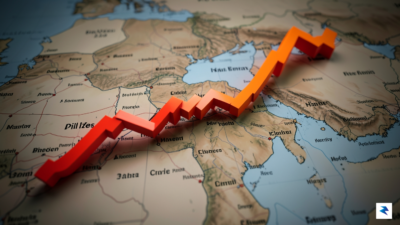
Oil Prices Hit $90: What the U.S.-Iran Conflict Means for Your Wallet
The Anatomy of the $90 Oil Threshold Crossing the $90 per barrel threshold is rarely a mere statistical milestone; rather, it functions as a…
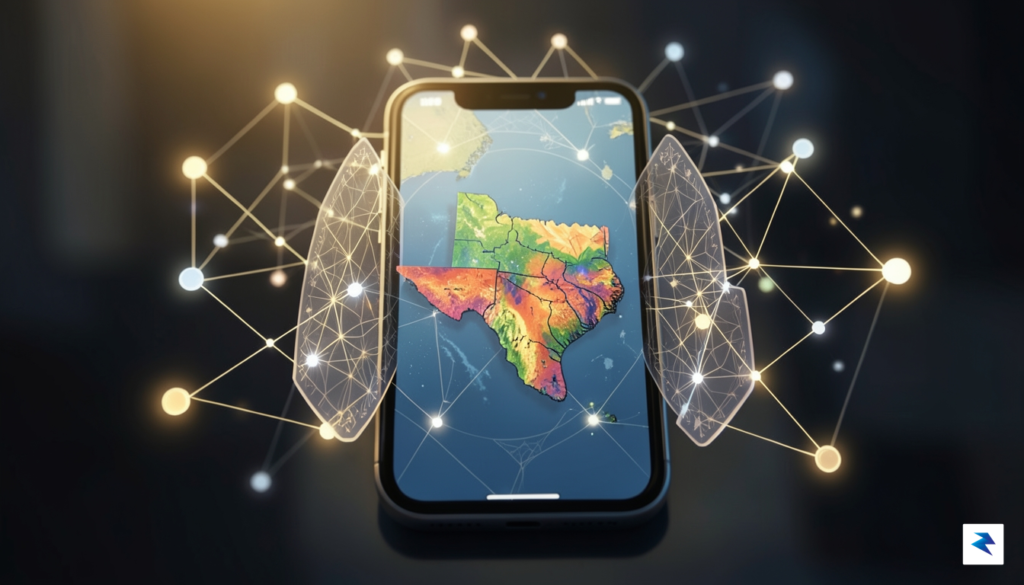
For decades, digital privacy was largely viewed through the lens of identity theft and financial security, a concern relegated to securing bank accounts and email passwords. However, the modern era has shifted this landscape into a far more complex and precarious territory, where every digital footprint potentially serves as a permanent record. In Texas, the rapid convergence of sophisticated data surveillance and shifting legal frameworks has transformed personal information into a significant liability. What was once considered harmless digital debris—such as a search query, a timestamped location, or a fitness tracker log—can now be repurposed as evidence in legal disputes or used to challenge an individual’s personal healthcare autonomy. Consequently, digital hygiene is no longer a matter of mere technical preference or convenience; it has evolved into a fundamental component of protecting one’s personal liberty.
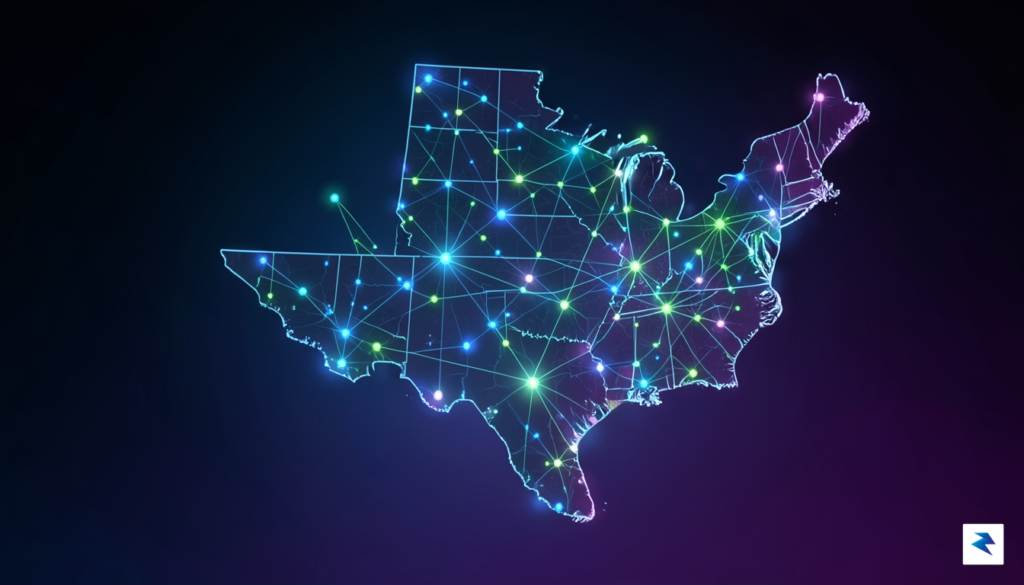
The core of this risk lies in the high-value nature of metadata and location history, two assets that are often harvested silently by the devices we carry every day. When an individual navigates to a specific medical facility, visits a pharmacy, or even researches sensitive health concerns, their mobile device meticulously documents these actions. Because many applications operate on business models predicated on the monetization of behavioral data, this information is frequently stored on third-party servers, making it vulnerable to subpoenas and data brokers. In a state where legal environments can change rapidly, the historical trail left by your smartphone is essentially a roadmap of your private life that can be scrutinized by entities you never intended to share it with.
Digital privacy is no longer just about keeping your passwords safe; it is about maintaining the sovereignty of your personal narrative in an age of constant observation.
To navigate this modern landscape, Texans must adopt the concept of “surveillance-aware” living. This proactive approach requires a fundamental shift in how we interact with technology, moving away from the default trust we often place in software developers and service providers. It involves auditing the permissions granted to apps, disabling unnecessary location tracking, and understanding the encryption standards of the tools we use for communication. By treating our digital presence as a tangible extension of our physical selves, we can begin to mitigate the risks inherent in a hyper-connected society. Proactive defense is not about discarding technology entirely, but rather about exercising the agency to control who gains access to the intimate details of our lives, thereby ensuring that our data remains our own. Taking these steps today is the most effective way to safeguard your rights against the unforeseen challenges of tomorrow.
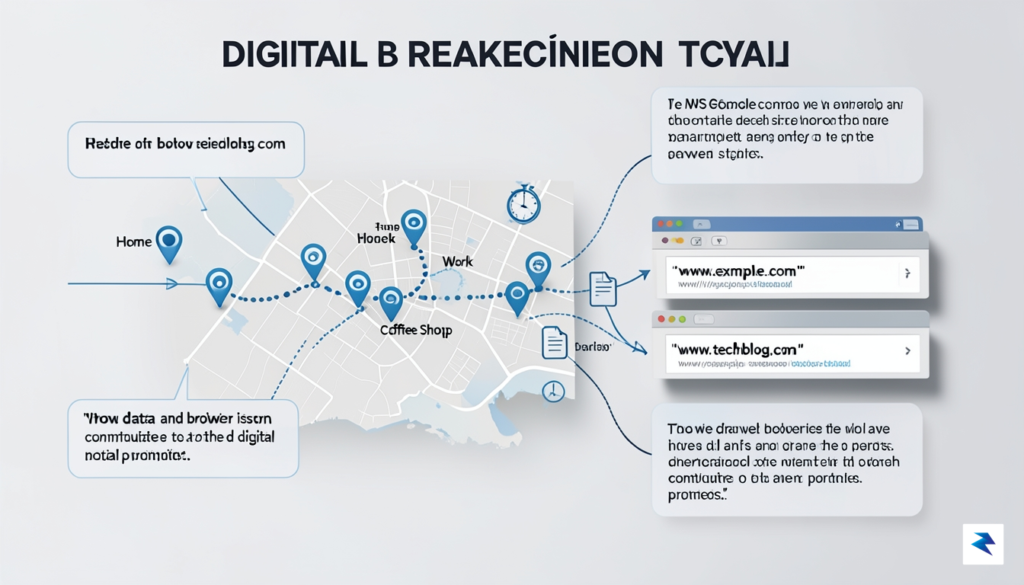
Every time you carry a smartphone, you are essentially broadcasting a continuous signal of your physical presence. Modern mobile devices are equipped with sophisticated sensors that track GPS coordinates, Wi-Fi proximity, and cellular tower connections, creating a granular map of your daily life. This location data is rarely kept private; instead, it is frequently harvested by mobile applications and sold to third-party data brokers. These brokers aggregate your movement patterns to build comprehensive profiles, which can then be sold to advertisers or even law enforcement agencies. When this information includes frequent visits to healthcare facilities, reproductive clinics, or mental health centers, your most personal medical decisions can be inferred and potentially weaponized against you.
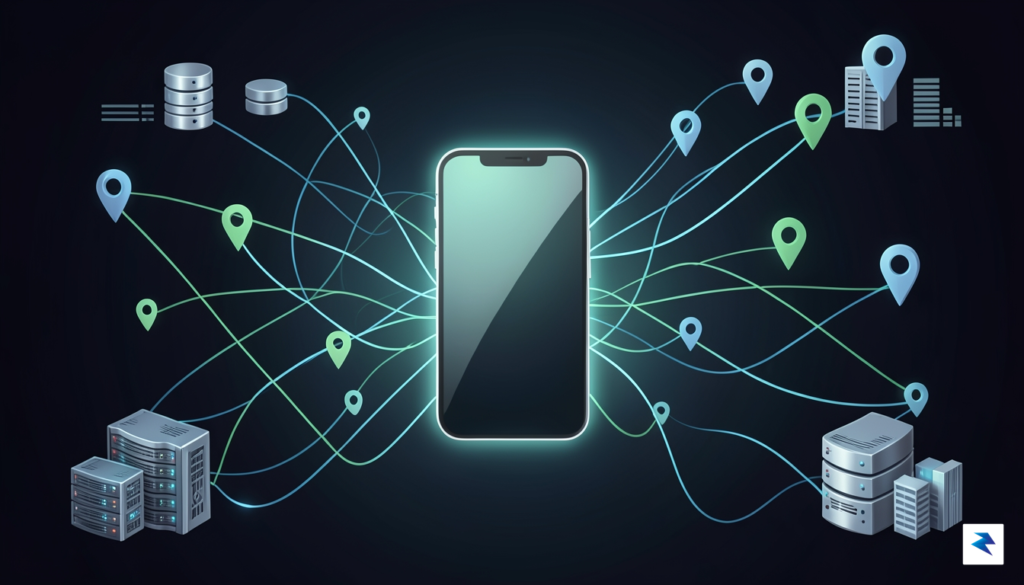
The danger is compounded by the prevalence of geofencing, a technology that allows entities to draw a virtual perimeter around a specific location. By deploying geofencing, advertisers or hostile actors can identify any device that enters a specific health-related facility. This is not merely a matter of targeted advertising; it creates a digital trail that links your identity to specific medical services. Even if you believe your search history is private, your digital footprint extends far beyond your web browser. Search engine logs, when combined with location data, create a high-fidelity picture of your health concerns, creating a vulnerability that can be exploited by those looking to monitor or restrict access to sensitive care.
The belief that your digital data is “anonymized” is often a dangerous misconception; sophisticated algorithms can easily re-identify individuals by cross-referencing sparse datasets with public information.
It is critical to understand that so-called “anonymous” data is frequently a misnomer. Research has shown that with just a few data points—such as a home address, a zip code, and a series of time-stamped locations—it is trivial for analysts to deanonymize a person. Once a profile is linked back to your real-world identity, the “anonymity” of your search history or clinical visits vanishes. This creates a lasting risk, as these digital trails are often archived for years, meaning that data collected today could be used to challenge your personal autonomy or privacy rights well into the future. By maintaining awareness of how these data trails are constructed, Texans can better advocate for their privacy and take proactive steps to limit the exposure of their health-related activities.

In an era where personal data can be weaponized against those seeking medical care, organizations like Mayday Health have emerged as critical guardians of bodily autonomy. Their mission is rooted in the understanding that access to reproductive healthcare is a fundamental right, yet it is increasingly obstructed by complex digital surveillance and restrictive state policies. By bridging the gap between sophisticated technical privacy needs and the urgent necessity of healthcare access, Mayday Health ensures that individuals are not left defenseless in a landscape where their online interactions may be monitored, logged, or subpoenaed.
The core of their advocacy lies in demystifying the digital minefields that Texans face when researching or accessing reproductive services. Recognizing that traditional internet usage can leave behind a trail of identifiable information, they provide comprehensive, accessible resources on digital obfuscation. This includes practical guidance on utilizing end-to-end encrypted messaging, virtual private networks (VPNs), and privacy-focused browsers that minimize data collection. By teaching the public how to cloak their digital footprint, they empower users to seek information and support without the constant fear that their private medical inquiries will be turned into evidence of a crime.
Beyond technical tools, Mayday Health champions a decentralized, peer-to-peer approach to education that prioritizes community resilience. They understand that legal threats are often compounded by misinformation, so they focus on creating clear, actionable knowledge networks that allow information to flow safely between advocates and patients. This method of education is particularly vital in states where institutional support for reproductive rights is failing, as it fosters a culture of mutual aid and collective protection. Their commitment to this model ensures that privacy is not treated as a luxury for the tech-savvy, but as a baseline standard for anyone exercising their right to bodily autonomy.
True privacy in the digital age requires more than just good intentions; it demands the active use of tools that prevent surveillance from becoming an insurmountable barrier to essential healthcare.
Ultimately, the work of organizations like Mayday Health highlights the necessity of community-led privacy advocacy in the fight for reproductive freedom. By providing the tools to secure digital communications, they offer a vital layer of protection that allows Texans to navigate the healthcare system with greater confidence. Their efforts demonstrate that when we secure our digital lives, we are directly contributing to the protection of our physical health and liberty. As the legal landscape continues to shift, these educational initiatives will remain a cornerstone in the ongoing effort to ensure that healthcare access remains both private and possible for everyone.

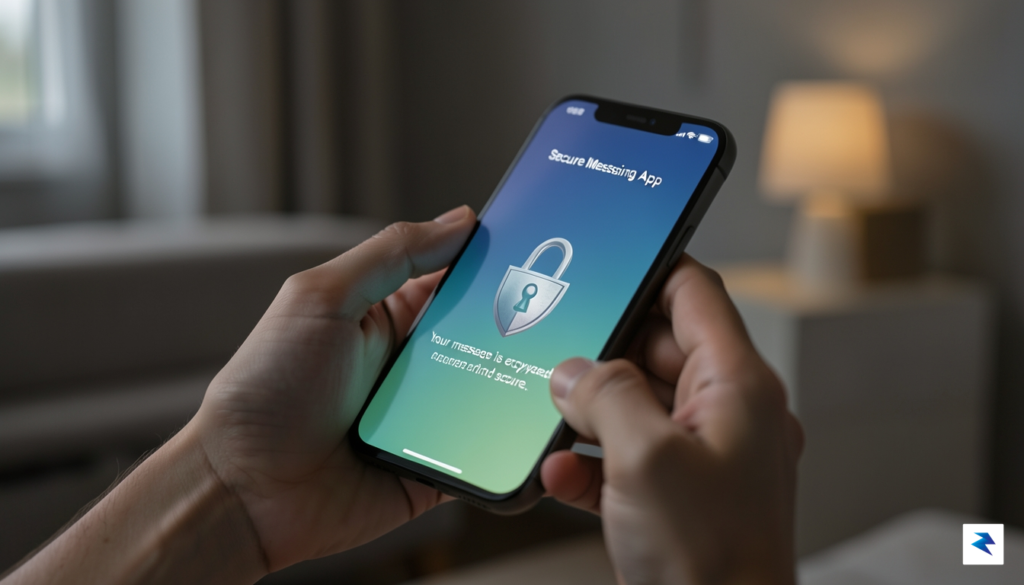
Protecting your privacy in the modern era does not require you to abandon technology or live entirely off the grid; rather, it demands a shift toward intentionality. By adopting a “threat model”—a framework where you identify what you are trying to protect and from whom—you can make informed decisions that significantly reduce your digital exposure. Start by moving your daily conversations to encrypted messaging platforms like Signal. Unlike standard SMS or many social media chat features, Signal utilizes end-to-end encryption by default, ensuring that only you and the recipient can read the contents of your messages, effectively shielding your private discussions from service providers and potential interceptors.
Beyond securing your communications, you must take control of how your browsing data is tracked and sold. Utilizing a Virtual Private Network (VPN) is a crucial step, as it masks your IP address and encrypts your internet traffic, preventing your Internet Service Provider (ISP) from monitoring your online activity. When browsing, consider switching to privacy-focused browsers like Brave, which automatically block intrusive trackers and invasive advertisements that constantly follow you across the web. For those requiring a higher level of anonymity, the Tor browser provides a robust layer of protection by routing your traffic through a global network of volunteer relays, making it incredibly difficult for external parties to trace your digital footprints back to your specific device or location.
Location data is perhaps the most sensitive information your mobile device collects, yet many users leave location history features active without realizing the implications. You should immediately review your smartphone settings to disable persistent location tracking for applications that do not strictly require it to function. Go into your privacy settings to turn off “Location History” or “Significant Locations” to ensure your device is not maintaining a map of your movements over time. By restricting these permissions, you prevent tech companies from aggregating your physical whereabouts into a profile that can be used for invasive targeted advertising or sold to third-party data brokers.
To minimize your digital footprint, treat every piece of personal data as a currency; be extremely selective about who you “pay” with your information and why.
Finally, social media platforms are often the largest source of data leakage for the average user. You can mitigate this risk by conducting a thorough audit of your account settings, specifically focusing on “Off-Facebook Activity” or similar data-sharing features that track your interactions with other websites and apps. Limit the amount of personal information visible to the public, such as your birth date, phone number, and employer details, which are often harvested for identity theft or phishing attempts. By consciously restricting the information you share and regularly pruning your digital presence, you reclaim your autonomy in an increasingly connected world.

While adopting mindful digital habits is a crucial first step, individual vigilance cannot effectively combat the systemic surveillance apparatus that defines our current online environment. In Texas, as across the nation, the legal framework governing data privacy remains a patchwork of inconsistent regulations that often struggle to keep pace with rapid technological advancements. Currently, there is no single, comprehensive federal law that protects consumer data, leaving citizens to navigate a complex web of industry-specific rules that rarely prioritize individual privacy over corporate profit. Understanding this fragmented landscape is essential for Texans who recognize that digital safety is not merely a matter of personal choice, but a fundamental human right that requires robust, systemic fortification.

The path forward requires a shift from reactive measures to proactive, legislative solutions, particularly through the adoption of data minimization laws. Data minimization—the principle that companies should collect, process, and store only the absolute minimum amount of personal information necessary to provide a specific service—is the most effective way to reduce the impact of potential data breaches and unauthorized surveillance. By codifying this standard into law, we can force corporations to rethink their business models, which are often predicated on the aggressive, non-consensual harvesting of user behavior. Without such mandates, the incentive structure for tech giants remains skewed toward maximizing data extraction, effectively turning every smartphone and connected device into a persistent tracking tool.
True privacy in the digital age will not be found in settings menus alone; it must be built into the very architecture of our legal and economic systems.
Advocating for the future of digital rights in Texas means engaging with lawmakers to demand transparency and accountability. We are moving toward a critical junction where public awareness is finally beginning to influence policy debates, yet the influence of industry lobbyists remains a significant hurdle. Texans have the power to shift this balance by supporting legislative efforts that prioritize data sovereignty, such as requiring clear “opt-in” consent, granting individuals the right to delete their digital footprints, and imposing severe penalties for the unauthorized sale of personal information. As we look toward the future, it is clear that digital privacy is a collective endeavor; by organizing, educating our communities, and demanding systemic reform, we can ensure that our personal lives remain private, even in an increasingly connected world.
You must be logged in to post a comment.