
Protecting Your Digital Privacy: A Guide for Texans
The New Frontier of Digital Privacy in Texas For decades, digital privacy was largely viewed through the lens of identity theft and financial…
The hum of a motorized film advance and the tactile satisfaction of a physical shutter release have migrated from the dusty shelves of professional collectors to the daily routines of a new generation. What was once considered a dying medium has transformed into a vibrant, mainstream hobby, fueled by a collective desire to disconnect from the hyper-curated perfection of digital feeds. For Gen Z and casual photographers alike, analog film offers a refreshing departure from the instant gratification of smartphone editing. There is a profound psychological appeal in the “slow photography” movement; by limiting the number of exposures and embracing the inherent unpredictability of chemical development, creators are finding a renewed sense of intentionality and artistry in their work.
However, this resurgence has not come without significant hurdles. As the popularity of film photography has surged, so too has the cost of vintage gear and reliable film stock. Many aspiring photographers are often priced out of the market by skyrocketing demand for legendary point-and-shoots that now carry hefty “collector” price tags. This economic barrier threatens to turn analog photography into an exclusive club, distancing it from the very people who have revitalized the community. The industry is currently facing a critical juncture: how to keep the craft accessible without sacrificing the authentic, lo-fi charm that makes the medium so compelling to modern users.
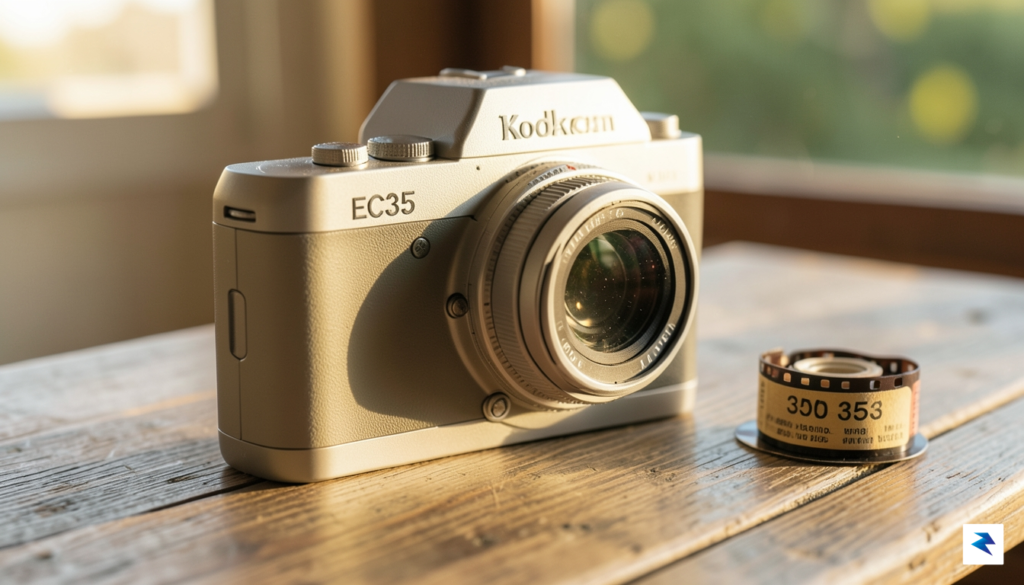
Enter the Kodak EC35, a camera that aims to bridge the gap between retro nostalgia and modern financial reality. Designed as a straightforward, budget-conscious entry point, this camera strips away the unnecessary complexity of pro-level SLRs in favor of pure, point-and-shoot simplicity. It operates on the philosophy that photography should be about the moment, not the manual settings or the weight of the equipment in your bag. By offering a reliable, affordable platform for those looking to dip their toes into the analog world, the EC35 positions itself as an essential tool for the modern starter.
The true value of film photography isn’t found in expensive lenses or complex mechanics, but in the accessibility of the experience and the joy of the final print.
Whether you are a curious student looking to learn the basics of exposure or a digital native wanting to see what the film hype is all about, the EC35 represents a conscious effort to democratize the hobby. It avoids the intimidation factor of vintage rangefinders, inviting users to focus on composition and lighting rather than technical gear maintenance. In an era of increasing complexity, there is a quiet power in a camera that asks for nothing more than a fresh roll of film and an eye for the extraordinary in the everyday.
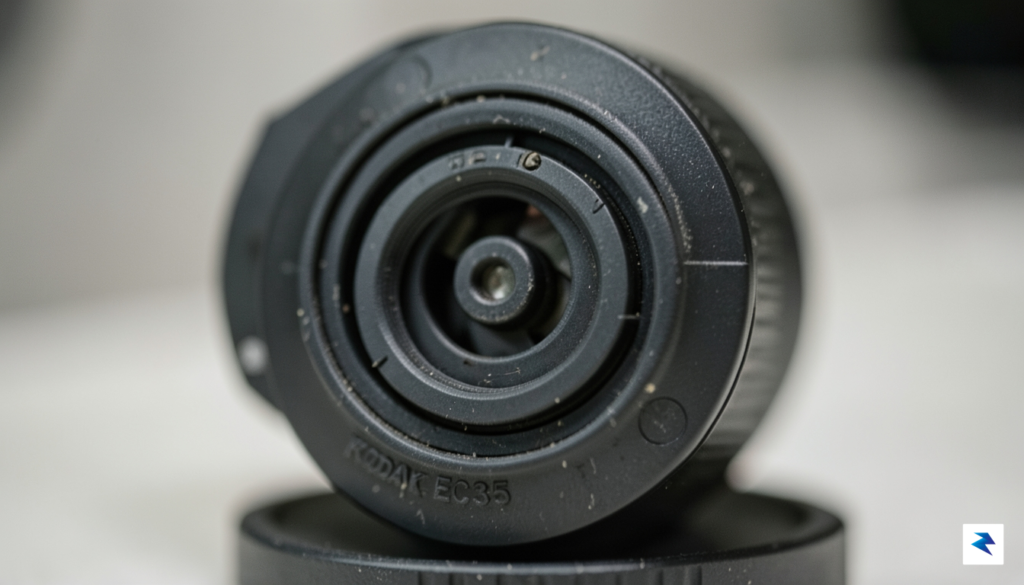
At a retail price point of $34.99, the Kodak EC35 is positioned as an exercise in extreme simplicity, stripping away the complexities of modern photography to focus entirely on the raw, nostalgic appeal of analog film. It is essential to approach this camera with a clear understanding of its technical limitations; it is not a precision instrument designed for sharpness or clinical clarity. Instead, the EC35 functions as a basic tool optimized for those who prioritize the distinct “film look”—characterized by grain, slight softness, and authentic color rendering—over optical perfection. If you are expecting the tack-sharp results of a vintage SLR, you will likely be disappointed, but if you value the spontaneity of a point-and-shoot, this device offers a refreshingly unburdened experience.
The core of the EC35’s optical performance lies in its 25mm acrylic lens. Unlike the multi-element glass lenses found in higher-end vintage cameras, this plastic optic is designed for affordability and durability rather than resolution. Because it utilizes a fixed aperture of f/10 and a standard shutter speed of 1/100 of a second, the camera lacks the versatility to handle varying lighting conditions autonomously. Consequently, it performs best in bright, outdoor daylight, where the small aperture provides enough depth of field to keep most subjects reasonably within focus. Indoors or in low-light environments, the limited light-gathering capabilities of the f/10 aperture become immediately apparent, often resulting in underexposed frames unless paired with high-ISO film.
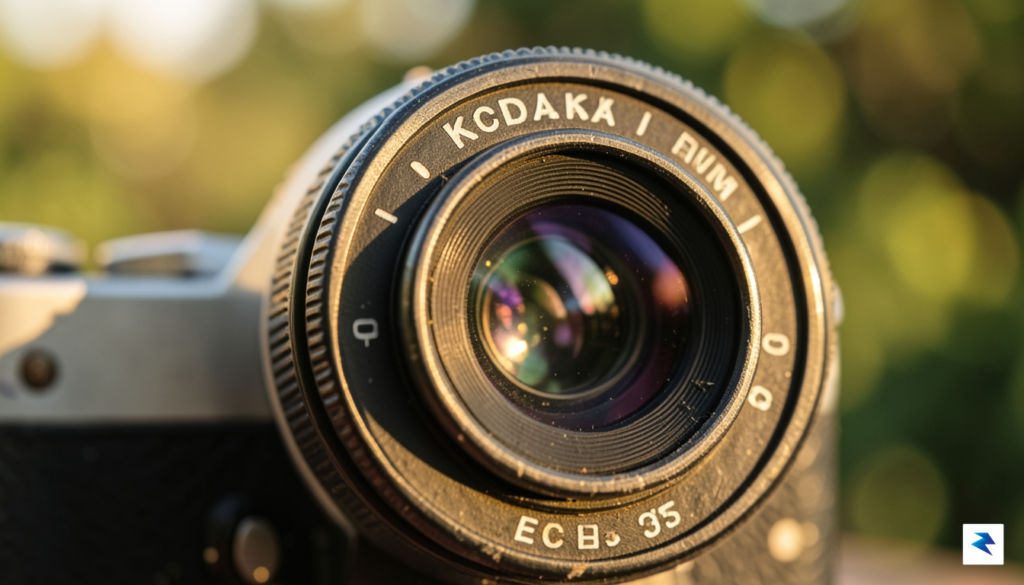
Operating the EC35 is entirely focus-free, meaning there are no complex dials to adjust or rangefinders to align before you press the shutter release. This “set it and forget it” design philosophy makes it incredibly approachable for complete beginners, yet it does necessitate a mindful approach to composition. Because the lens is fixed-focus, you should generally keep your subjects at a comfortable distance—typically beyond three to five feet—to ensure they appear reasonably crisp. Anything closer than that will likely result in a soft, dreamlike blur that, while sometimes aesthetically pleasing, confirms that this camera was never intended for macro or detailed portrait work.
The Kodak EC35 effectively bridges the gap between a modern reusable camera and a disposable unit, offering a sustainable alternative for those who enjoy the “single-use” aesthetic but want to avoid the waste of throwing away the entire body after 27 exposures.
In terms of optical quality, it is most accurate to compare the EC35 to standard disposable cameras rather than dedicated film cameras. Much like those ubiquitous cardboard-encased units, the EC35 produces images with a characteristic softness toward the edges of the frame and a slight lack of contrast compared to glass-lens systems. However, this is precisely where its charm resides. By embracing these technical trade-offs, the EC35 forces the photographer to stop worrying about the minutiae of lens aberrations or diffraction and instead focus on the composition, the light, and the fleeting nature of the moment being captured on film.
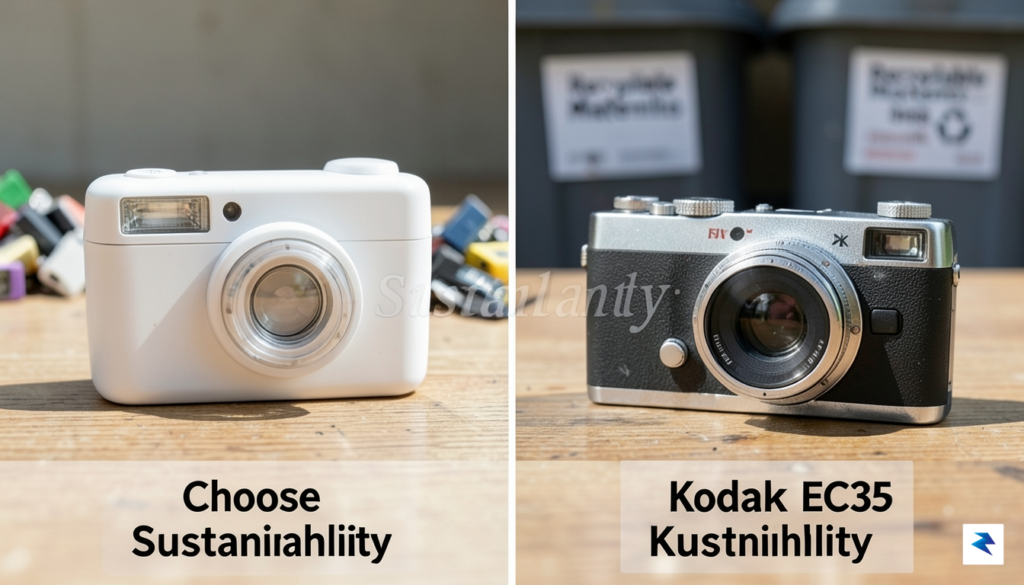
Choosing between a disposable camera and a reusable model like the Kodak EC35 is more than just a matter of convenience; it represents a fundamental shift in how we approach analog photography. While a single-use camera might seem like an effortless entry point, the long-term financial reality is far less favorable. A typical disposable camera costs between $15 and $25, and once the roll is finished, the entire plastic shell—including the lens and internal components—is designed to be discarded. In contrast, the EC35 is a one-time purchase that functions as a permanent tool. After just two or three rolls of film, the initial investment of the camera body pays for itself, effectively turning every subsequent shot into a significant saving compared to the recurring cost of replacing disposable units.
Beyond the personal financial savings, the environmental implications of relying on disposable cameras are increasingly difficult to ignore. These devices are essentially massive generators of non-biodegradable waste, as they are constructed from a mix of plastics and metals that are rarely recycled efficiently. By opting for a reusable camera, you are actively diverting plastic from landfills and reducing the demand for the manufacturing of short-lived consumer goods. Every time you finish a roll in the EC35, you aren’t throwing away a camera; you are simply finishing a creative cycle. This shift toward a circular mindset turns the act of photography into a sustainable practice that respects the resources required to produce modern electronics.
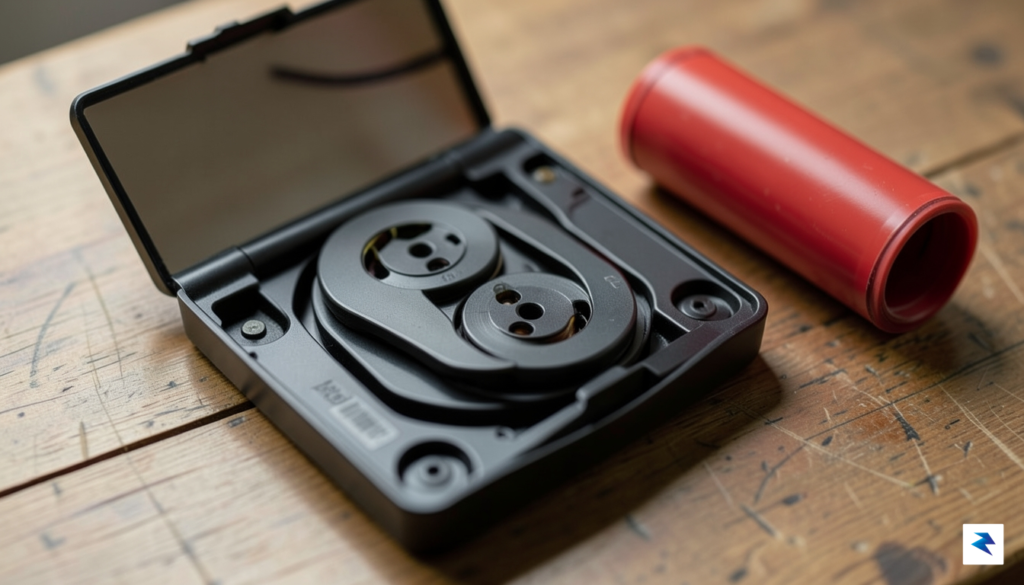
For beginners who might be intimidated by the idea of loading their own film, the process is surprisingly intuitive and serves as a tactile introduction to how analog cameras actually work. Loading the EC35 involves opening the back, pulling the film leader across the frame, and engaging it in the take-up spool, which is a satisfyingly mechanical process that creates a deeper connection to your photography. Unloading is equally straightforward: once the roll is full, you simply press the rewind button on the bottom of the camera and turn the manual rewind knob until the film is safely tucked back into its canister. This brief, manual interaction ensures that you are intimately involved in every stage of the image-making process, a level of engagement that disposable cameras simply cannot offer.
The true value of a reusable point-and-shoot isn’t just the money saved on plastic shells; it is the transition from being a consumer of disposable goods to being a steward of a reliable, long-lasting photographic tool.
Ultimately, the EC35 offers a bridge between the ease of a point-and-shoot and the responsibility of owning a piece of equipment that is built to last. When you remove the barrier of constant replacement, you find yourself experimenting more freely, knowing that your only recurring cost is the film itself and the development services. By moving away from the “buy, shoot, trash” cycle, you gain a dependable companion that grows with your skills, proving that high-quality analog experiences do not have to come at the expense of your wallet or the planet.

If you are searching for a camera to capture clinical, razor-sharp architectural details or expansive landscapes with high dynamic range, the Kodak EC35 will likely leave you disappointed. This device is not designed for the pixel-peeper or the professional seeking optical perfection; instead, it is built for the spontaneous documentarian who values the feeling of a moment over the precision of the frame. It is an ideal companion for the casual traveler, the party-goer, or the budding film enthusiast who wants to learn the mechanics of analog photography without the paralyzing intimidation of manual light meters and complex aperture rings.

The true magic of the EC35 lies in its inherent limitations. Because the lens is relatively simple and the build is predominantly plastic, you should manage your expectations accordingly: this is a social tool, not a precision instrument. It thrives in bright, daylight conditions where the fixed focus and modest lens can produce that quintessential “lo-fi” aesthetic that digital filters work so hard to replicate. However, when the sun goes down or the lighting becomes challenging, the camera’s lack of sophisticated exposure control means you might encounter dark, muddy frames or blurry subjects. Rather than viewing these results as failures, the ideal user embraces them as part of the analog charm.
The Kodak EC35 turns the act of photography into a game of chance, where the joy is found in the “happy accidents”—the light leaks, the soft focus, and the authentic, unposed expressions that define a great memory.
For those just starting out, this camera offers a low-pressure entry point into the world of film. It removes the temptation to spend hours obsessing over settings, allowing you to focus entirely on composition and the energy of the people around you. Whether you are documenting a road trip or capturing the chaos of a house party, the EC35 encourages you to shoot from the hip and move quickly. By stripping away the digital screens and the infinite undo buttons, it forces a direct connection between the photographer and the scene, proving that you don’t need a thousand-dollar lens to capture a memory that truly lasts.
In short, the EC35 is for the photographer who:

Achieving professional-looking results with a fixed-aperture camera like the Kodak EC35 requires a shift in how you perceive the environment rather than how you adjust your gear. Because these cameras lack complex exposure controls, the most critical factor in your success is light quality. Think of these devices as “sunny day” machines; they perform best when the scene is flooded with bright, direct light. A good rule of thumb is to stick to outdoor shooting where the sun is behind you or at your side, which ensures that your subject is well-illuminated and the fixed aperture can maintain a proper exposure without becoming overwhelmed by deep shadows.
When selecting film, consistency is your best friend. For a camera with a limited lens, I highly recommend opting for ISO 400 film as your default choice. While ISO 100 or 200 films are fantastic in blindingly bright midday sun, ISO 400 provides the necessary latitude to keep shooting as the light begins to wane, such as during the late afternoon or on slightly overcast days. This extra sensitivity acts as a safety net, helping to prevent the underexposure that often leaves film looking muddy or grainy, ensuring your negatives have enough detail to produce a crisp final image.
Mastering the distance between you and your subject is equally vital for avoiding the dreaded blur common in budget-friendly analog photography. These cameras typically feature a fixed-focus lens, which means they are optimized for a specific “sweet spot”—usually ranging from about five feet to infinity. If you get too close to your subject, the camera’s lens simply cannot resolve the focus, resulting in a soft, hazy image. By maintaining a distance of at least five to six feet, you ensure that your subject remains within the camera’s sharpest focal range, leading to significantly higher hit rates across your rolls.
To avoid frustration, remember that simple cameras are not designed for low-light environments. If you try to shoot indoors without a powerful flash, the shutter speed will likely drop too low, causing motion blur that turns a great moment into a messy streak.
If you absolutely must shoot indoors, save your film for well-lit rooms with large windows or use a high-quality external flash if the camera supports it. Without a flash, trying to take photos in a dimly lit living room will almost always result in dark, unusable frames. Instead, embrace the limitations of the hardware by treating it as a dedicated outdoor companion. By internalizing these habits—chasing the sun, choosing versatile film, and respecting your focal distance—you can transform a cheap point-and-shoot into a surprisingly capable creative tool that captures the authentic, nostalgic aesthetic that analog photography is famous for.

Ultimately, the Kodak EC35 occupies a unique space in the analog landscape, proving that you do not need to drop hundreds of dollars on a vintage SLR to capture the magic of film. Its greatest strength lies in its sheer unpretentiousness; it is a tool designed for spontaneous documentation rather than technical precision. If your primary goal is to experiment with the tactile joy of loading a roll, advancing the frame, and waiting for those unexpected results to return from the lab, this camera offers an incredibly low-stakes entry point. It strips away the intimidating array of settings found on more complex gear, allowing the user to focus entirely on the composition and the fleeting moments in front of the lens.
However, it is essential to temper your expectations regarding image quality. Because the EC35 utilizes a modest lens and a simplified exposure system, you will inevitably encounter soft edges, chromatic aberrations, and a lack of sharpness that digital sensors or high-end glass would easily resolve. If you are a pixel-peeper or someone who demands clinical clarity, this camera will likely frustrate you. It is not an instrument for large-scale gallery prints or professional assignments, but rather a companion for casual snapshots, street photography experiments, and the nostalgic aesthetic that film enthusiasts often chase. The trade-off for its affordability is a distinct “lo-fi” look that many find charming precisely because it feels authentic and raw.
The value of the Kodak EC35 isn’t found in its resolution, but in its ability to make the intimidating world of film photography accessible and fun for everyone.
For those sitting on the fence, the decision comes down to your priorities as a photographer. If you view film as a creative outlet for play and discovery, the EC35 is a fantastic investment that provides an immediate connection to the medium. Conversely, if you are looking for a reliable “workhorse” to document significant life events with archival quality, you might be better served by saving up for a more robust rangefinder or a solid manual SLR. Regardless of the hardware, the most important aspect of shooting film is the discipline and intent it fosters. By removing the ability to endlessly check a screen, the EC35 forces you to be present, making every frame count in a way that technical perfection simply cannot replicate.
You must be logged in to post a comment.