Is Google’s AI Search Killing the Open Web?
The Shift Toward Zero-Click Searches For decades, the internet functioned as a vast, interconnected map where Google acted as the primary…
The landscape of modern criminal justice is undergoing a radical, often invisible transformation as police departments across the country rapidly adopt advanced surveillance technologies. From sophisticated facial recognition software that scrapes social media profiles to predictive policing algorithms and intrusive cell-site simulators, these tools have become standard components of the investigative workflow. However, the integration of these digital methods into criminal proceedings has far outpaced the legal frameworks designed to govern them. As these technologies become more deeply embedded in police work, they are effectively turning the traditional discovery process—the legal requirement for prosecutors to share evidence with the defense—into a lopsided contest where the state holds all the cards.
For defense attorneys, this creates a formidable and often insurmountable disadvantage. Because many of these surveillance tools are developed by private, for-profit corporations, their underlying code and operational methodologies are frequently shielded by trade secret protections. When a defense lawyer attempts to challenge the validity of evidence derived from a “black box” algorithm, they are often met with a wall of procedural silence. Courts are frequently hesitant to compel disclosure of proprietary technology, leaving defendants unable to cross-examine the reliability of the tools that put them under suspicion. This lack of transparency undermines the fundamental constitutional right to confront the evidence brought against one’s own liberty.
To combat this erosion of due process, the ACLU has launched a strategic initiative aimed at arming defense attorneys with the technical knowledge and legal resources necessary to peel back the curtain. This effort serves as a vital equalizer in an arena where the power imbalance has historically favored state actors with unlimited access to technological vendors. By providing specialized litigation support, training on how to demand discovery for algorithmic evidence, and guidance on challenging the scientific validity of these surveillance tools, the initiative shifts the burden back onto the prosecution. Rather than allowing proprietary software to go unchallenged, this new approach treats digital surveillance as a subject for rigorous forensic scrutiny.
The core of the defense strategy is simple: if the state intends to use a machine’s output to deprive a person of their freedom, that machine and its processes must be subject to the same standards of transparency and reliability as any other piece of forensic evidence.
Ultimately, this movement is about more than just individual criminal cases; it is about establishing a precedent for the digital age. As AI-driven surveillance continues to proliferate, the legal system must determine whether it will bow to the secrecy of private tech conglomerates or uphold the principles of public accountability. By turning defense lawyers into informed, aggressive advocates against opaque surveillance, the ACLU is ensuring that the tools of the future do not become the instruments of a permanent, unchecked digital panopticon.
Modern law enforcement agencies are increasingly reliant on a suite of sophisticated digital tools designed to predict criminal activity and identify suspects with unprecedented speed. This technological arsenal includes facial recognition software that scans vast databases of driver’s license photos, predictive policing algorithms that forecast “hot spots” for future crime, and cell-site simulators—often called “Stingrays”—that mimic cell towers to track the location of nearby mobile devices. While these instruments are marketed as neutral, objective enhancements to public safety, they function within a digital ecosystem that is largely shielded from public oversight and rigorous legal examination.
The primary barrier to challenging these technologies in a court of law is the ubiquitous “trade secret” defense. When defense attorneys attempt to inspect the source code or the underlying methodology of a surveillance tool to verify its reliability, private vendors frequently intervene, claiming that such disclosure would compromise their intellectual property and competitive advantage. Consequently, judges are often presented with black-box systems whose internal logic remains a mystery. Because the defense cannot cross-examine an algorithm or fully audit the software that produced the evidence against their client, the constitutional right to confront one’s accuser is effectively undermined by corporate confidentiality agreements.
Beyond the legal hurdles, the inherent risks of bias and error within these automated systems are profound. Many predictive algorithms are trained on historical arrest data, which often reflects long-standing racial and socioeconomic disparities in policing rather than the actual distribution of criminal behavior. When police rely on these skewed datasets to inform their patrol patterns, they create a feedback loop that disproportionately targets marginalized communities. Furthermore, facial recognition software has been repeatedly shown to have significantly higher error rates when identifying people of color, yet these flawed leads are frequently used to establish probable cause for arrests.
The reliance on proprietary, unverified software transforms “evidence” into a matter of faith rather than fact, leaving the accused with little recourse to challenge the digital assertions used to strip them of their liberty.
Without the ability to scrutinize how these tools process information, the legal system risks rubber-stamping results derived from flawed data or biased code. The ACLU’s efforts to arm lawyers with the knowledge and legal strategies to break through this corporate veil are not merely procedural; they are essential to preserving the integrity of the adversarial process. By demanding transparency in how surveillance technologies operate, advocates are working to ensure that the march of technological progress does not come at the expense of fundamental due process rights.

In an era where digital surveillance tools are increasingly deployed by law enforcement, often in secrecy, defense attorneys frequently find themselves at a significant disadvantage. The complex, often opaque nature of these technologies, ranging from cell-site simulators (Stingrays) to facial recognition software and predictive policing algorithms, has historically made it incredibly difficult for legal professionals to even identify, let alone challenge, their use in a criminal case. This is precisely the formidable barrier the ACLU’s new attorney toolkit is designed to dismantle, effectively transforming what was once a technical ambiguity into an actionable legal challenge. By providing a structured approach and essential resources, the toolkit empowers lawyers to pierce through the veil of secrecy and demand accountability from prosecutors regarding the use of sophisticated surveillance techniques.
At its core, the ACLU’s toolkit is a meticulously curated repository of legal intelligence, designed to equip attorneys with the specific instruments needed to navigate this complex legal landscape. It features a comprehensive collection of sample motions, pre-drafted and legally sound, which can be adapted to compel the disclosure of surveillance evidence. Furthermore, it includes detailed discovery request templates, crafted to elicit precise information about the type, deployment, and impact of various surveillance technologies used in a given case. Perhaps most critically for non-technical legal professionals, the toolkit also provides an accessible technical glossary. This invaluable resource demystifies the jargon surrounding these advanced tools, enabling attorneys to understand the underlying technology, articulate informed questions, and ultimately build stronger defenses based on concrete technical knowledge.
The practical application of this toolkit begins long before a trial, often during the crucial discovery phase. Attorneys, armed with the toolkit, can now follow a systematic process to identify when a case might involve undisclosed surveillance technology. For instance, if a prosecutor presents evidence based on vague “investigative techniques” or “confidential sources” that seem to lack a clear chain of custody or traditional probable cause, the toolkit provides the frameworks and specific language needed to file targeted discovery requests. These requests, backed by established legal precedents and statutory requirements, compel prosecutors to disclose whether technologies like Stingrays, facial recognition, or even social media monitoring were deployed. This proactive approach fundamentally shifts the burden, forcing transparency and ensuring that defendants’ rights aren’t eroded by hidden governmental capabilities.
The impact of this newfound ability to compel disclosure profoundly reshapes courtroom strategies, particularly during cross-examination. Once surveillance technology is revealed, attorneys can leverage the toolkit’s resources to understand the specific capabilities and limitations of the disclosed tools. This knowledge enables them to craft incisive questions that challenge the reliability, accuracy, and legal permissibility of the surveillance methods used. For example, a lawyer might question an officer on the calibration of a cell-site simulator, the error rate of a facial recognition algorithm, or the scope of data collected through social media monitoring. Such informed cross-examination can expose potential constitutional violations, technical flaws in the evidence, or even demonstrate that the surveillance exceeded legal boundaries, thereby strengthening the defense’s position and ensuring a fairer trial. The toolkit transforms guesswork into precision, allowing legal professionals to meticulously dissect evidence previously presented as unassailable.
[IMAGE: A lawyer, perhaps with glasses

At the heart of the modern criminal justice system lies a fundamental tension: how can a defendant exercise their right to a fair trial when the evidence used against them is shrouded in technological secrecy? The fight for transparency is not merely a bureaucratic hurdle; it is a battle for the very soul of due process. When law enforcement agencies deploy sophisticated surveillance tools—such as cell-site simulators, predictive policing algorithms, or facial recognition software—they often do so under the veil of trade secrets or national security concerns. By obscuring the origin of evidence, the state effectively mutes the constitutional protections guaranteed by the Fourth and Sixth Amendments, leaving defense attorneys to argue against a “black box” that they cannot inspect, challenge, or verify.
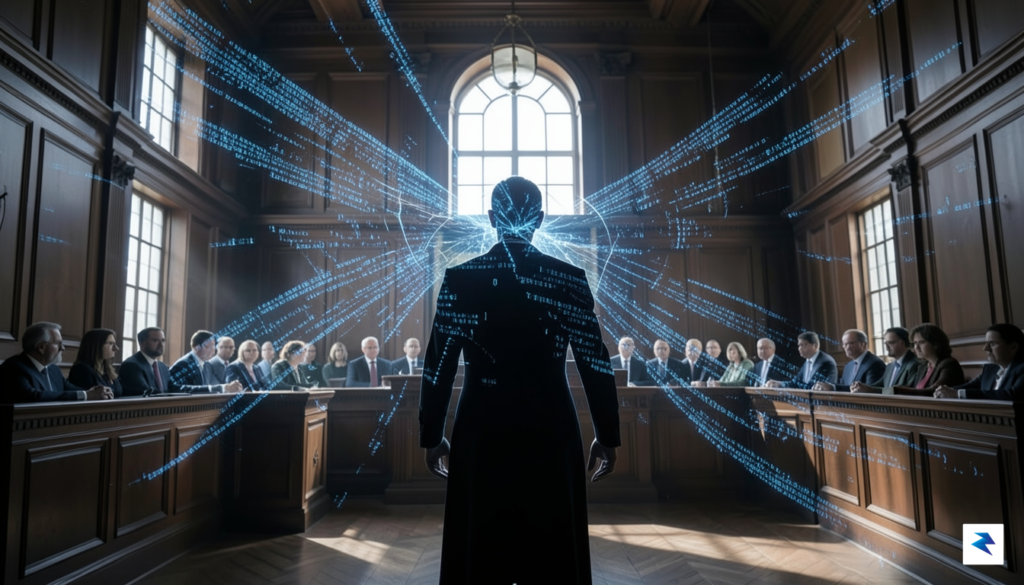
Prosecutorial objections to digital discovery often rely on the assertion that disclosing the technical inner workings of surveillance equipment would jeopardize ongoing investigations or reveal proprietary software vulnerabilities. Prosecutors frequently argue that because the evidence itself is reliable, the methodology behind its collection is irrelevant to the case at hand. However, this logic ignores the reality that digital tools are prone to error, bias, and manipulation. If a defense team cannot examine the source code of an algorithm or understand the specific parameters of a dragnet data collection, they are denied the ability to confront the witnesses—or in this case, the automated systems—that are providing the testimony against their clients.
The constitutional right to cross-examination is rendered meaningless if the defense is kept in the dark about how the state’s digital evidence was synthesized.
The judiciary has begun to respond to these challenges, albeit slowly, by recognizing that the digital age requires a more robust approach to discovery. There have been pivotal instances where the persistence of defense counsel, often aided by civil liberties organizations, has forced the disclosure of surveillance protocols. In several landmark cases, judges have gone so far as to dismiss charges or grant motions to suppress evidence when it became clear that the government had deliberately withheld the nature of its surveillance methods. These victories underscore a vital judicial principle: the government cannot rely on evidence obtained through secret mechanisms while simultaneously denying the accused the right to understand how that evidence was produced.
Ultimately, the push for transparency is an attempt to bridge the gap between 18th-century constitutional ideals and 21st-century technological realities. Without the ability to demand full discovery, the defense is left to operate in a vacuum, unable to challenge the potential for police overreach. As more jurisdictions begin to grapple with the ethics of digital policing, the precedent being set is clear: the Constitution does not grant the state a license to hide behind proprietary technology. Protecting the rights of the accused today requires a radical commitment to peeling back the layers of digital secrecy, ensuring that the legal system remains a place of transparency rather than a mechanism for invisible control.

The integration of artificial intelligence into the machinery of public safety is not merely a technical upgrade; it represents a fundamental shift in how the state interacts with its citizens. By empowering defense attorneys with the tools to deconstruct and challenge algorithmic surveillance, the ACLU is effectively creating a new standard for evidentiary scrutiny. As these digital systems become more entrenched, the long-term success of this movement will depend on our collective ability to treat code, data models, and predictive analytics with the same healthy skepticism we apply to physical evidence. If an algorithm serves as the silent witness against a defendant, that “witness” must be subject to rigorous cross-examination, ensuring that the black box of modern policing does not become an impenetrable barrier to due process.
Beyond the immediate confines of the courtroom, this movement points toward a necessary evolution in regulatory oversight. Relying solely on litigation to police technology is a reactive measure, whereas the future of civil liberties requires proactive, democratic control over the tools of surveillance. We must push for legislative frameworks that mandate transparency and third-party audits before these systems are ever deployed in the field. When private vendors are allowed to shield their proprietary technology behind claims of trade secrecy, they effectively insulate state power from public accountability. Establishing robust oversight means shifting the burden of proof back onto the state, forcing agencies to demonstrate not just the utility of a tool, but its adherence to constitutional protections before it is integrated into the justice system.

The protection of privacy in the digital age requires that we no longer accept “computer says so” as a final, unassailable verdict in our legal proceedings.
Ultimately, the challenge lies in striking a sustainable balance between the legitimate interests of public safety and the non-negotiable sanctity of individual privacy. While law enforcement agencies often argue that secrecy is essential to maintaining an edge against criminal activity, the erosion of transparency threatens to undermine the very public trust that effective policing relies upon. By training lawyers to expose the flaws, biases, and limitations of surveillance technologies, we are not hindering justice; we are refining it. As we move further into this era of AI-driven governance, our vigilance must remain steadfast, ensuring that technology serves to uphold the principles of equality and fairness rather than automating the prejudices of the past.
You must be logged in to post a comment.