
Trackflation: Why Today’s Teenage Runners Are Shattering Every Record
The New Era of Youth Athletics The landscape of youth athletics is currently undergoing a transformation so profound that it has forced…
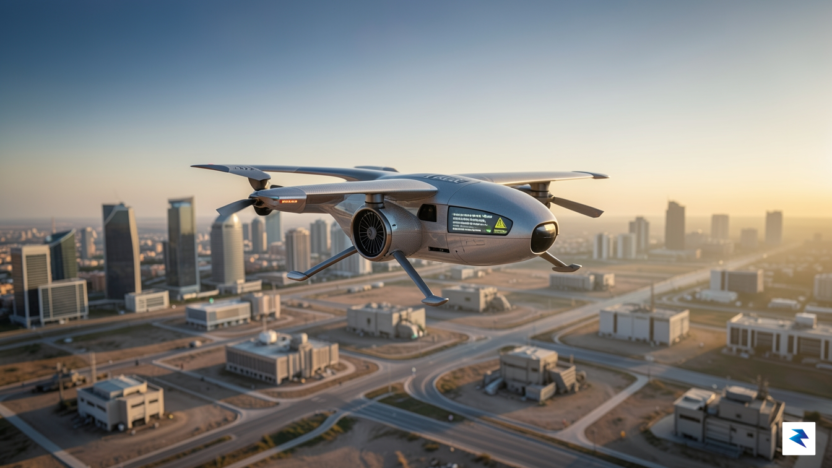
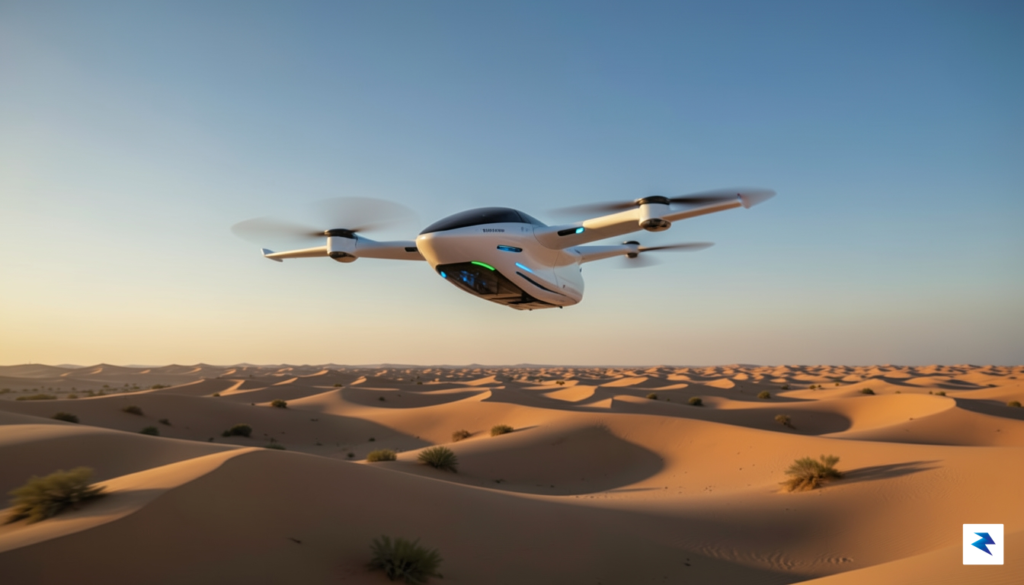
For years, the narrative surrounding electric vertical takeoff and landing (eVTOL) aircraft was almost exclusively tethered to the futuristic promise of urban air mobility. Designers and investors focused their sights on circumventing gridlocked city streets, imagining a world where commuters bypassed traffic jams in a whisper-quiet, battery-powered taxi. However, as the underlying technology has matured—marked by advancements in high-energy-density batteries, distributed electric propulsion, and autonomous flight controls—the vision for these platforms has undergone a profound strategic expansion. The industry is no longer just looking at the skyline of a metropolis; it is now looking toward the front lines of global defense.
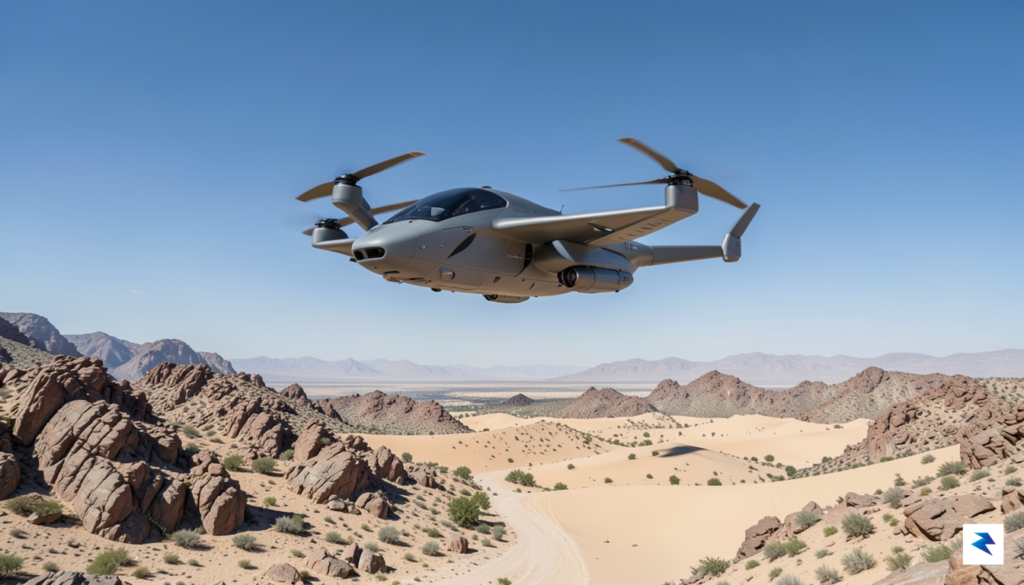
Defense agencies worldwide are increasingly drawn to electric propulsion, not merely for its environmental benefits, but for its distinct tactical advantages. Unlike traditional rotorcraft, which rely on noisy, heat-intensive combustion engines, electric aircraft offer a significantly reduced acoustic signature. This “stealth-adjacent” capability allows for clandestine insertion and extraction missions in environments where remaining undetected is a matter of survival. Furthermore, the simplicity of electric motors—which contain far fewer moving parts than complex turbine engines—dramatically lowers the logistical burden. By reducing the reliance on massive, vulnerable fuel supply chains, military units can enhance their agility and operational endurance in contested territories.
A defining moment in this evolution is the strategic partnership between Archer Aviation and Anduril Industries. By merging Archer’s expertise in high-performance, certifiable eVTOL design with Anduril’s prowess in autonomous defense software and systems integration, the two companies are creating a new class of dual-use platforms. This collaboration is designed to satisfy the rigorous, unforgiving requirements of military logistics while remaining commercially viable for civilian transit. It is a dual-purpose architecture that treats a medical evacuation in a warzone and a cross-town passenger commute as two sides of the same technological coin.
The marriage of civilian scalability and military resilience is effectively turning the electric taxi into a tactical asset, proving that the most successful aviation platforms of the next decade will be those that can master both the boardroom and the battlefield.
This pivot reflects a broader maturation of the aerospace sector, where the line between private innovation and national security is becoming increasingly porous. As these vehicles begin to undergo testing for military applications, the data gathered in rugged, high-stakes environments will undoubtedly accelerate their safety certification for the general public. By bridging the gap between urban transport and defense, companies like Archer and Anduril are ensuring that electric aviation becomes an indispensable pillar of modern infrastructure, capable of delivering people to their offices today and critical supplies to the front lines tomorrow.
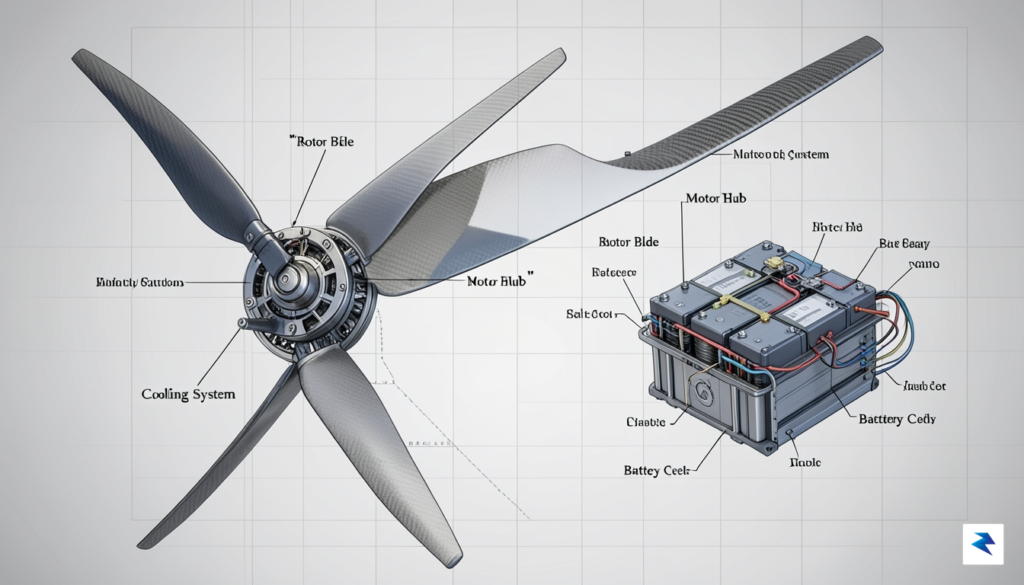
Designing an aircraft that bridges the gap between commercial urban mobility and high-stakes military theater requires a radical rethink of traditional aeronautical engineering. At its core, the joint platform leverages the proven, efficient flight architecture of Archer’s existing eVTOL systems, which have already demonstrated impressive performance in civil flight testing. However, transforming a vehicle designed for short-hop passenger transport into a multi-mission defense asset demands more than just a fresh coat of paint; it requires a sophisticated recalibration of the airframe to handle the unpredictable demands of contested environments.
The primary technical hurdle lies in the delicate “triad” of battery density, payload capacity, and operational range. In a commercial setting, maximizing battery efficiency is strictly about lowering the cost per passenger mile. For defense applications, engineers must instead focus on energy margins that allow for rapid ingress and egress in high-drag conditions or emergency maneuvers. Integrating high-density energy storage while maintaining a lightweight airframe necessitates advanced composite materials and a modular battery housing system that can be adjusted based on the specific mission profile—whether that involves intelligence, surveillance, and reconnaissance (ISR) or rapid casualty evacuation.
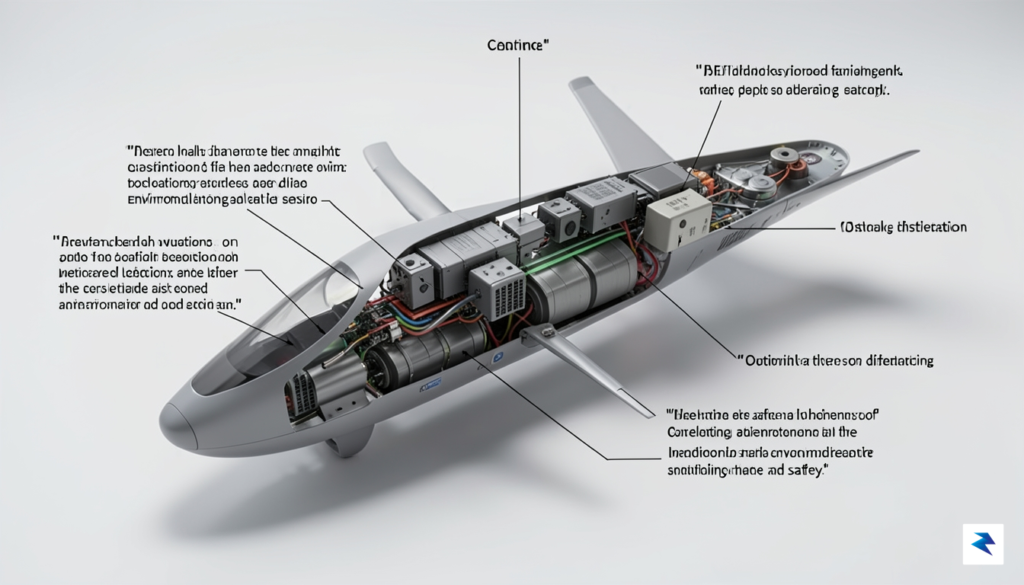
Furthermore, the integration of defense-specific hardware introduces significant weight and power distribution challenges. By incorporating hardened communication suites, advanced optical sensors, and secure data links, the platform’s center of gravity and power draw are fundamentally altered. Engineers have addressed this by adopting an intelligent power management system that prioritizes mission-critical systems during flight. This ensures that even if auxiliary electronics draw heavily on the battery, the propulsion system maintains the necessary lift and thrust characteristics to ensure safe operation, regardless of the complexity of the onboard sensor suite.
The true innovation lies not just in the aircraft’s lift, but in the seamless software layer that allows a single hardware platform to pivot between civilian transit and secure, encrypted military logistics.
Beyond the hardware, the vehicle’s versatility is defined by its ability to operate in “denied” environments where commercial-grade navigation might be compromised. The new design incorporates redundant, hardened flight controls that are resistant to electronic interference, providing a level of operational resilience that standard air taxis simply do not require. By blending Archer’s high-frequency, reliable manufacturing processes with Anduril’s defense-grade software and sensor integration, the result is a platform that is as comfortable navigating a busy metropolitan skyline as it is providing stealthy, silent support for ground forces in remote locations.
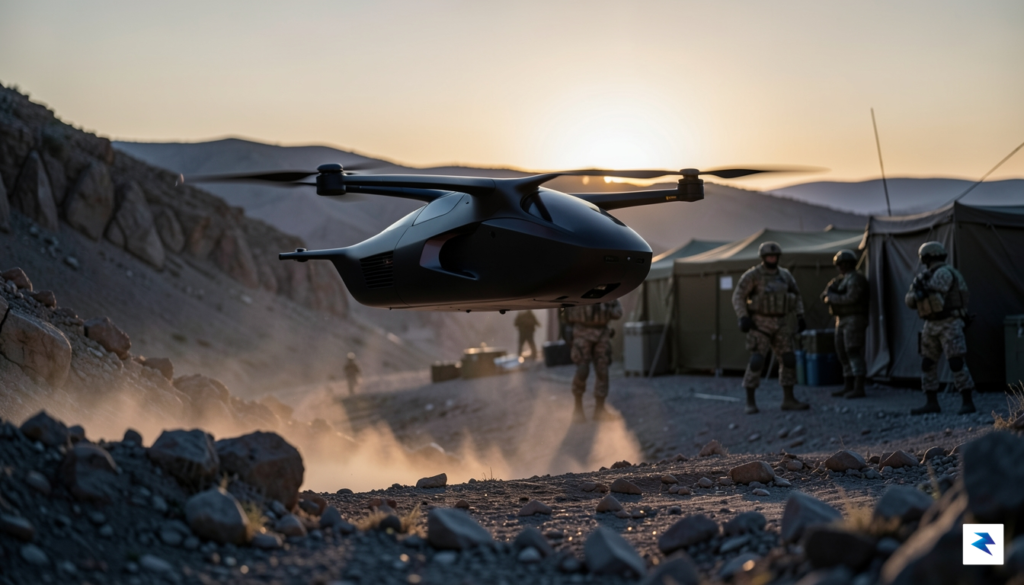
The military’s burgeoning interest in electric aviation extends far beyond the admirable goal of environmental sustainability. While reducing carbon footprints is a welcome byproduct, the true allure of electric Vertical Takeoff and Landing (eVTOL) aircraft for defense strategists lies in their inherent tactical characteristics, which promise to revolutionize modern combat scenarios. These platforms possess capabilities that fundamentally alter the operational calculus for forward-deployed units, offering distinct advantages in areas ranging from intelligence gathering to life-saving missions.
Perhaps the most groundbreaking advantage of electric propulsion is its acoustic signature—or rather, the lack thereof. Unlike traditional helicopters or even many conventional drones, which generate considerable noise from their combustion engines and rotor systems, eVTOLs can operate with remarkable quietude. This near-silent flight capability drastically reduces the risk of detection, allowing for unprecedented levels of stealth in reconnaissance and surveillance missions. Imagine special operations forces being inserted or extracted with minimal acoustic footprint, or critical intelligence gathering over hostile territory without alerting adversaries to their presence until it’s too late. This acoustic stealth provides a critical tactical edge, enabling surprise and reducing exposure to enemy fire.
Furthermore, the vertical takeoff and landing capabilities of these aircraft eliminate the crucial dependency on runways and extensive ground infrastructure. This means eVTOLs can operate from virtually any cleared patch of terrain, whether it’s a dense urban rooftop, a remote forest clearing, or the deck of a naval vessel. This unparalleled operational flexibility allows military units to extend their reach into previously inaccessible areas, establish forward operating bases with greater ease, and adapt rapidly to evolving battlefield conditions. The ability to deploy and recover assets from unprepared sites significantly enhances agility and responsiveness, making forces less predictable and more resilient against targeted infrastructure attacks.
This combination of stealth and vertical lift directly translates into transformative improvements for logistical support and, critically, rapid medical evacuation. In austere or contested environments, eVTOLs can deliver supplies directly to the point of need, bypassing dangerous ground routes or overstretched air corridors. More importantly, for wounded personnel, these silent, agile aircraft can provide swift, direct-to-hospital transport from the front lines, dramatically reducing response times that are often the difference between life and death. The ability to extract casualties from challenging terrain without needing a runway or exposing a noisy helicopter to enemy fire redefines “the golden hour” of trauma care in combat.
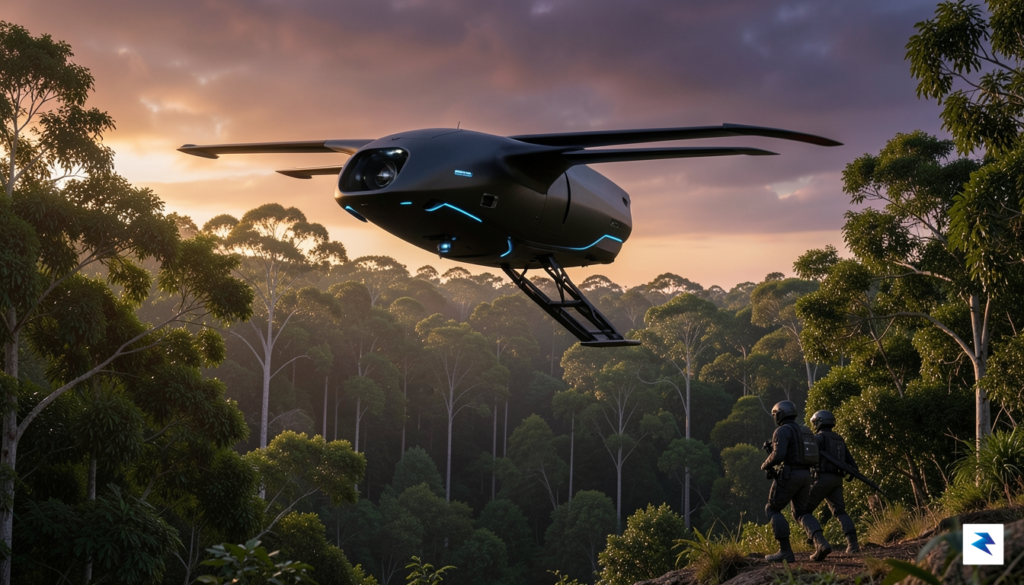
Moreover, the electric nature of these aircraft brings a significant reduction in the logistical footprint associated with fuel. Conventional military operations are heavily reliant on vast networks for transporting, storing, and distributing aviation fuel, which presents both a logistical vulnerability and a substantial cost. Electric aircraft, conversely, can be recharged using diverse power sources, including portable generators, solar arrays, or even grid connections when available. This diversification of energy supply not only lessens reliance on vulnerable fuel convoys but also simplifies maintenance and potentially increases operational tempo due to easier and safer “refueling” processes. For forward-deployed units, this means greater endurance, less external dependency, and ultimately, a more agile and sustainable presence in the field, fundamentally altering how modern forces can project power and sustain operations.

Transitioning from the initial prototype phase to a fully operational fleet of electric vertical takeoff and landing (eVTOL) aircraft is a monumental undertaking that transcends mere engineering. While companies like Archer Aviation and Anduril are rapidly maturing their hardware, the path to widespread deployment remains obstructed by a complex web of rigid certification protocols. Achieving airworthiness certification from the Federal Aviation Administration (FAA) requires a rigorous demonstration of safety and reliability that is historically tailored to traditional fixed-wing aircraft, not distributed electric propulsion systems. Simultaneously, military applications demand a parallel, yet distinct, certification process that prioritizes durability in combat-adjacent environments, creating a dual-track regulatory burden that currently slows the pace of mass-market adoption.
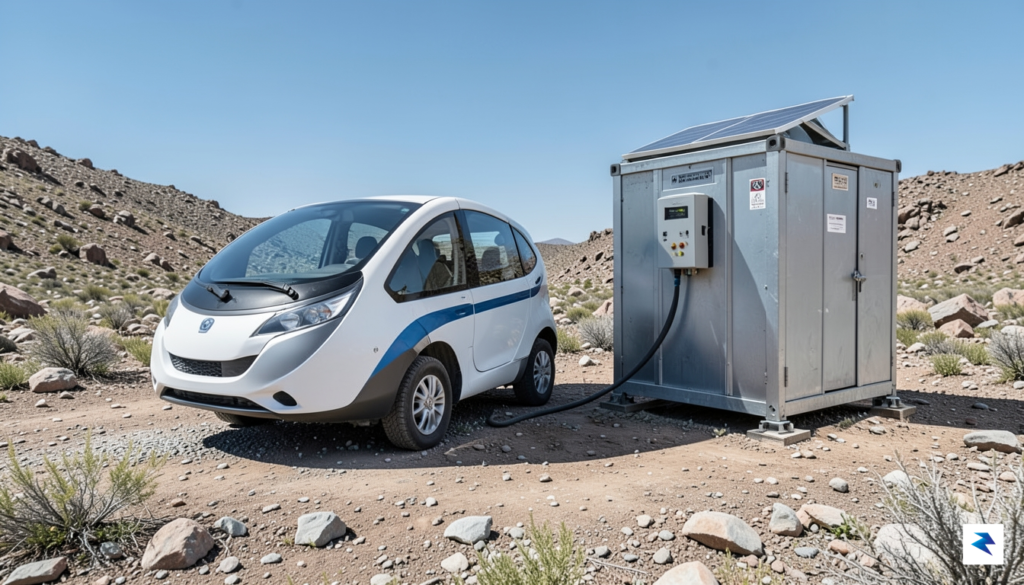
Beyond the paperwork, the physical reality of supporting these aircraft in the field introduces significant logistical hurdles. Unlike traditional aviation, which relies on centralized, large-scale airport infrastructure, electric air taxis require a decentralized network of high-speed charging stations. In military or austere environments, this is particularly challenging; deploying mobile, high-capacity power grids that can support rapid turnarounds without straining local infrastructure is a feat that requires both innovation in battery density and significant investment in energy storage solutions. Without a standardized approach to charging, the operational utility of these vehicles remains tethered to specific, well-equipped hubs, limiting their potential for flexible, rapid-response missions.
The integration of electric aviation into the national airspace is not merely a technical challenge, but a fundamental shift in how we manage the sky.
Perhaps the most critical hurdle is the development of robust Unmanned Traffic Management (UTM) systems. As these electric taxis begin to share crowded metropolitan skies with commercial airliners and restricted military zones, the current air traffic control paradigm will likely reach its breaking point. A sophisticated, automated UTM framework is essential to coordinate thousands of simultaneous flight paths, ensuring that civilian air taxi routes can safely coexist with sensitive military operations. This system must be capable of real-time conflict resolution and dynamic geofencing, allowing for a seamless transition between various classes of airspace. Only by harmonizing these digital traffic corridors can we hope to see a future where these aircraft operate with the same frequency and safety standards as modern municipal transit systems.

The strategic partnership between commercial electric vertical takeoff and landing (eVTOL) developers like Archer and defense technology powerhouses like Anduril represents a pivotal shift in how the aerospace industry approaches innovation. Historically, the gap between military-grade technology and consumer-facing aviation was vast, often separated by decades of research and development cycles. By merging these two worlds, the industry is effectively creating a dual-use ecosystem where the rigorous demands of national security catalyze the rapid maturity of electric flight. This economic model provides the high-intensity funding and testing environments necessary to prove complex systems, effectively de-risking the technology before it ever reaches a civilian passenger terminal.

As these electric propulsion and autonomous flight systems become hardened through defense applications, the inevitable “trickle-down” effect will revolutionize commercial aviation. The advancements driven by military requirements—such as increased battery energy density, noise reduction signatures, and fault-tolerant flight controllers—are the very building blocks required for safe, urban air mobility. When a defense contractor optimizes a motor for battlefield resilience, that efficiency gain directly translates into longer ranges and lower operating costs for a commuter taxi in a dense metropolis. Consequently, the commercial sector inherits a level of reliability and safety verification that would have taken years longer to achieve through private venture capital alone.
The convergence of defense funding and commercial ingenuity is not merely a partnership of convenience; it is the engine that will bridge the “valley of death” for emerging aerospace startups, ensuring that electric flight evolves from a speculative experiment into a standard mode of global transit.
Looking toward the next decade, this convergence promises to be the primary driver of sustainable innovation. By pooling resources and engineering challenges, the aerospace industry is creating a robust, cross-pollinated foundation that benefits both the soldier on the front lines and the suburban commuter. We are entering an era where the pace of sustainable aviation technology will be dictated by its utility across multiple domains rather than its application in just one. As these electric platforms scale, the resulting supply chains and infrastructure investments will solidify a new infrastructure for flight, setting the stage for a cleaner, faster, and more integrated aerial network that defines the mid-21st century.
You must be logged in to post a comment.