
Alphabet and the Global AI Arms Race: Is the Spending Worth It?
The Shifting Landscape of Global AI Dominance For over a decade, the narrative of artificial intelligence innovation was almost exclusively…
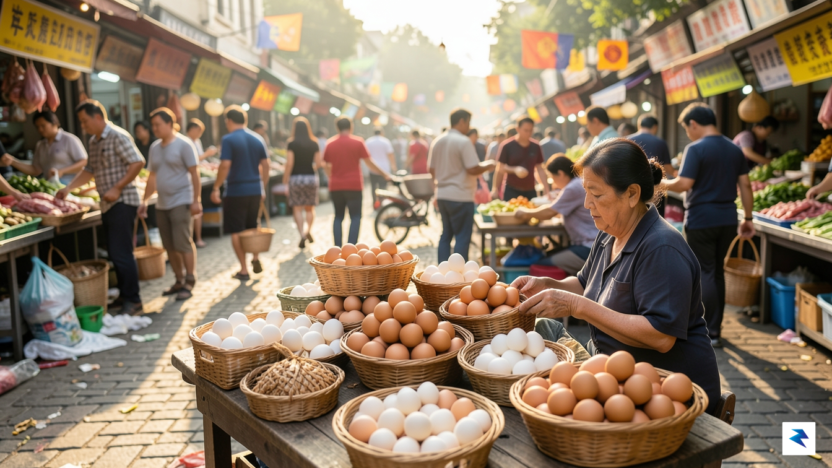

In China, the humble egg transcends its role as a mere breakfast ingredient; it is the fundamental nutritional bedrock of a nation. As the world’s largest producer and consumer of eggs, the country relies on this versatile protein as an affordable, accessible, and nutrient-dense staple that bridges the gap between different socioeconomic classes. From the delicate simplicity of steamed eggs served to young children to the ubiquitous street-vendor tea egg—simmered in a fragrant broth of soy sauce, star anise, and cinnamon—eggs are woven into the very fabric of daily culinary life. They serve as essential toppings for countless noodle dishes, act as a primary protein in quick stir-fries, and remain a non-negotiable household inventory item for hundreds of millions of families.
The economic significance of the egg is equally profound, often acting as a sensitive barometer for the broader cost of living. Because eggs are considered an “essential” commodity, they are viewed differently than luxury meats like beef or imported seafood. When the price of pork—the traditional centerpiece of the Chinese diet—spikes, consumers often pivot toward eggs as a reliable, budget-friendly protein alternative. However, when the price of eggs themselves begins to climb, that safety net disappears, leaving low- and middle-income households with few affordable options for meeting their daily nutritional requirements. This makes the egg an unofficial indicator of inflation; when costs at the wet market or local supermarket rise, it is immediately felt in the family budget, sparking widespread public anxiety.
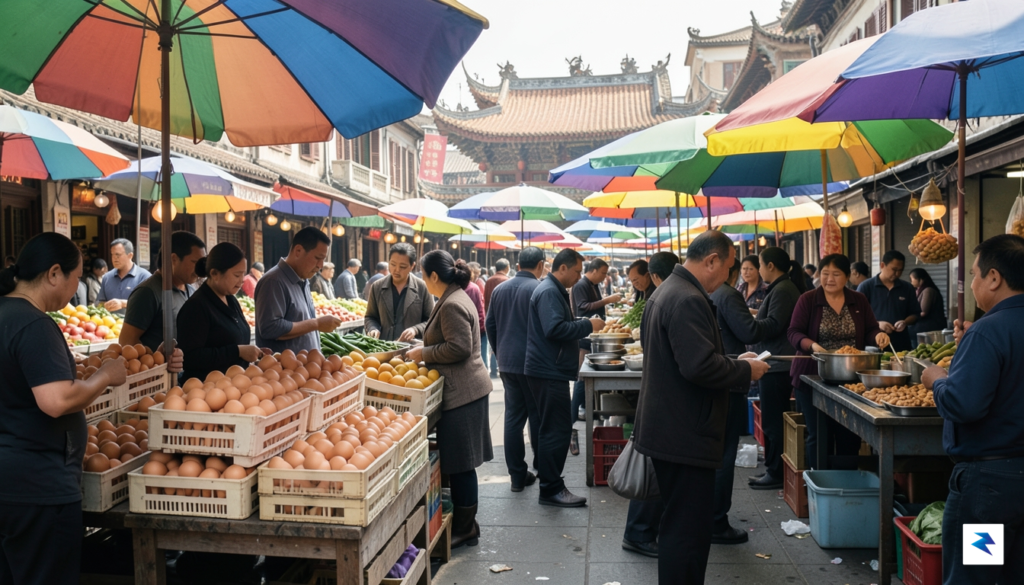
The egg is the silent anchor of the Chinese kitchen; when its price fluctuates, it signals a ripple effect that touches everything from local street food economics to the domestic stability of the average urban household.
Statistically, the per capita consumption of eggs in China has seen a steady, significant upward trend over the past few decades, reflecting a population that is increasingly conscious of protein intake. Unlike more expensive animal proteins that require complex cold-chain logistics or extensive land use, egg production is highly decentralized and rapid, allowing it to scale with the nation’s rapid urbanization. Yet, this reliance makes the market uniquely vulnerable to supply chain disruptions, shifts in feed costs, and disease outbreaks. As prices currently reach record highs, the conversation has shifted from simple grocery lists to a broader concern about food security and economic resilience, highlighting how deeply dependent the national welfare remains on this single, fragile commodity.
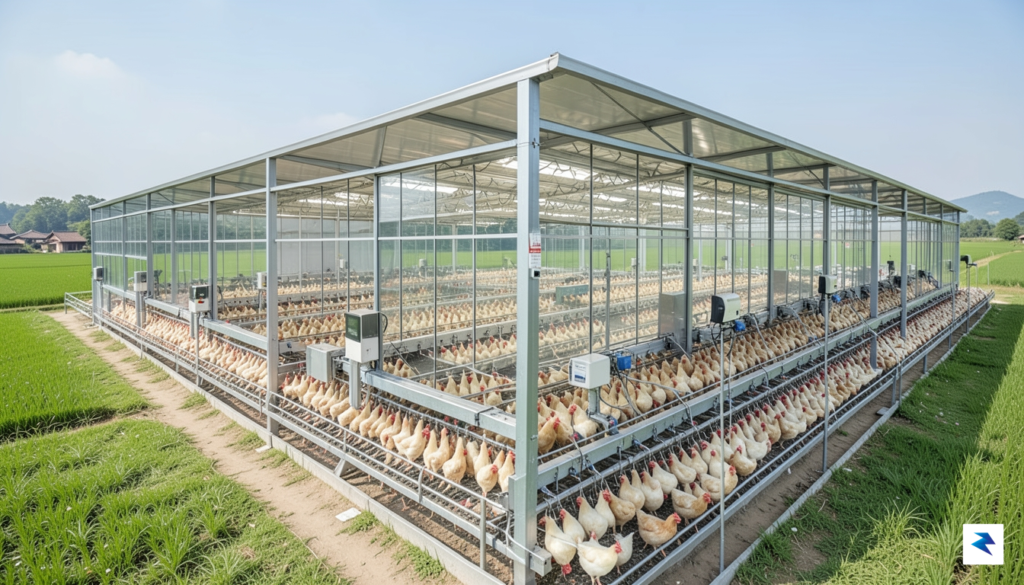
The current inflationary pressure on egg prices is far from a singular anomaly; rather, it is the result of a perfect storm of systemic agricultural shifts and volatile global market conditions. At the heart of this challenge is the skyrocketing cost of essential poultry nutrition. Prices for corn and soybean meal—the two primary components of chicken feed—have seen significant upward trends due to fluctuations in global commodity markets and domestic harvest inconsistencies. Because these feed costs account for the vast majority of a poultry farm’s operational budget, any disruption in the supply chain or increase in market prices is immediately passed down to the consumer, tightening the margins for producers and forcing prices at the retail level to climb.

Beyond the cost of nutrition, the health of the poultry population has been compromised by increasingly unpredictable and extreme weather patterns. China has faced a series of climate-related hurdles, including prolonged heatwaves and unexpected cold snaps, both of which place immense physiological stress on laying hens. When birds are subjected to thermal stress, their productivity drops significantly, and their vulnerability to disease increases, leading to lower overall output in the national egg supply. These environmental challenges require farmers to invest heavily in advanced climate control systems, which unfortunately leads us to the next major contributor: the energy crisis.
The surge in global energy prices has created a compounding effect on the agricultural sector, particularly for large-scale operations that rely on mechanized systems. High electricity costs are now a primary concern, as maintaining optimal temperatures in massive chicken sheds requires constant ventilation and cooling, especially during record-breaking summer temperatures. Furthermore, the rising price of fuel has made the logistics of moving eggs from rural production centers to dense urban markets significantly more expensive. Transportation, refrigeration, and cold-chain storage are all energy-intensive processes, and as the price of diesel and electricity remains elevated, the overhead for every single carton of eggs sold in the supermarket continues to grow.
The intersection of rising input costs and environmental volatility has created a structural bottleneck in China’s food supply, making it increasingly difficult for producers to maintain stable pricing without external intervention.
Compounding these operational difficulties is a persistent labor shortage that has rippled through China’s agricultural landscape. As younger generations migrate to urban centers in pursuit of technology and service-sector jobs, the rural workforce responsible for the hands-on daily management of poultry farms is shrinking. This scarcity of skilled labor not only drives up wage expectations but also leads to operational inefficiencies that can impact the quality and consistency of egg production. When farms struggle to recruit and retain the staff necessary to maintain rigorous biosecurity and animal welfare standards, the entire supply chain becomes fragile, leaving the market highly susceptible to the price spikes we are witnessing today.
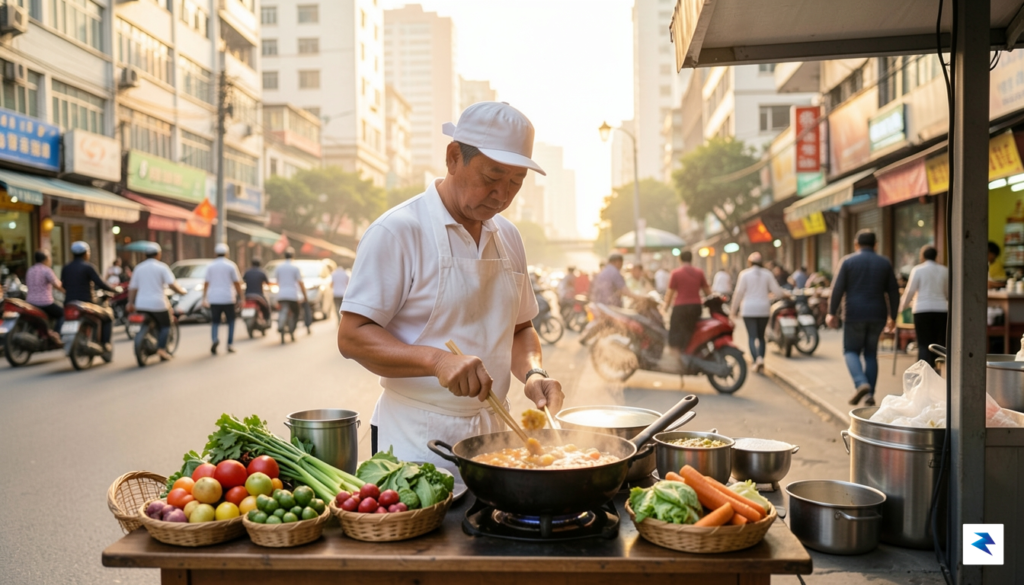
For millions of families across China, the humble egg has long served as the ultimate barometer of household financial stability. It is more than just a grocery list staple; it is the most reliable, cost-effective source of high-quality protein, appearing in everything from morning congee to evening stir-fries. However, as the “egg index” continues to climb, the psychological weight of these price hikes is becoming increasingly palpable. For low-income households, where every yuan spent on food is carefully accounted for, the rising cost of a carton of eggs is not merely an inconvenience—it is a significant disruption to daily life. Many families are now forced to make difficult dietary trade-offs, often substituting nutrient-dense eggs for cheaper, less healthy processed carbohydrates, which carries long-term implications for public health and dietary quality.
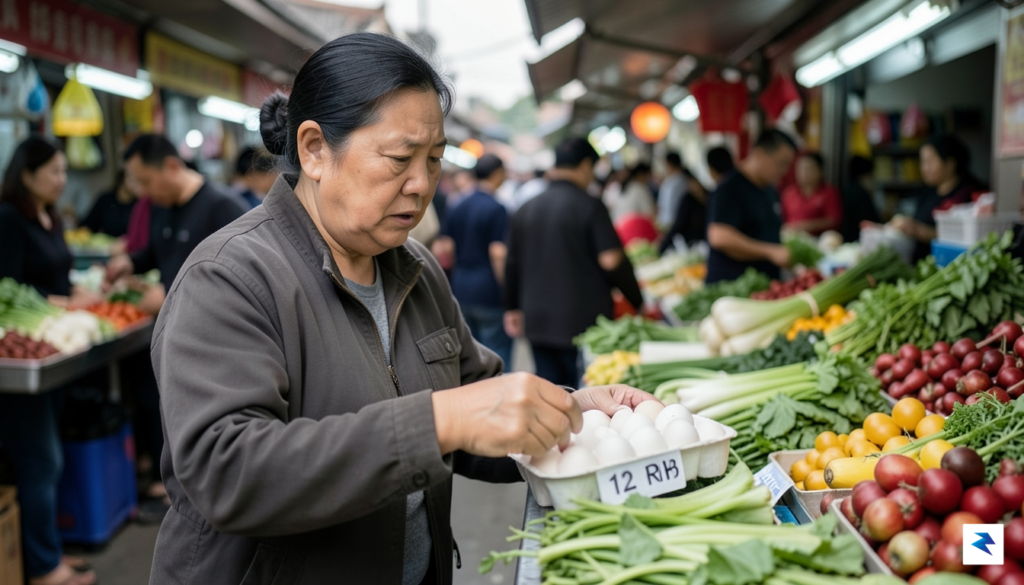
The strain is perhaps most visible on the front lines of China’s vibrant street food economy. Small-scale vendors, who operate on razor-thin profit margins, are finding themselves in an impossible position. Whether it is a local breakfast stall selling jianbing—the iconic savory crepes that rely heavily on eggs—or a neighborhood noodle shop, these entrepreneurs cannot simply hike their prices to match the volatile market. Doing so risks alienating a loyal, price-sensitive customer base that is already feeling the pinch of broader economic pressures. Consequently, many vendors are forced to absorb the costs themselves, leading to a precarious cycle where small businesses are either eating into their own meager savings or sacrificing the quality of their ingredients to keep their doors open.
The rising cost of staples like eggs acts as a “hidden tax” on the most vulnerable, effectively shrinking the purchasing power of an entire generation of working-class families.
Beyond the spreadsheets and economic forecasts, there is a profound sense of anxiety settling over the marketplace. When the price of such a fundamental commodity fluctuates wildly, it erodes the sense of predictability that is essential for household budgeting. For the average consumer, the egg aisle has transformed from a place of routine into a zone of hesitation and calculation. This shift in sentiment is a powerful indicator of broader inflation concerns, signaling that even as the economy seeks growth, the day-to-day struggle for affordability remains a pressing, human-centered crisis. As these costs persist, the cumulative effect is a palpable tightening of belts across the country, fundamentally altering how people shop, eat, and perceive their own financial security.
In China, the egg is not merely a breakfast staple; it is a fundamental barometer of food security and domestic inflation. Recognizing the potential for social unrest when basic food costs spiral, the central government maintains a vigilant stance, treating eggs as an essential commodity that requires active management. As prices have hit critical thresholds in recent weeks, state agencies have moved beyond passive observation, deploying a toolkit of direct interventions designed to insulate the average household from the worst of the market volatility. These strategies represent a complex balancing act, attempting to reconcile the chaotic realities of free-market supply and demand with the state’s mandate to maintain social and economic stability.
One of the primary levers at the government’s disposal is the strategic release of reserves and the implementation of targeted subsidies for poultry farmers. By providing financial support to producers, the state aims to offset the high costs of animal feed—often the primary driver of retail price hikes—thereby preventing a supply-side collapse. Furthermore, local bureaus of market supervision have ramped up their scrutiny of the supply chain, strictly monitoring for price gouging, artificial hoarding, and speculative activities that could exacerbate the shortage. This regulatory pressure serves as a deterrent to middlemen who might otherwise exploit the panic, ensuring that the flow of goods from farm to table remains as unobstructed as possible.
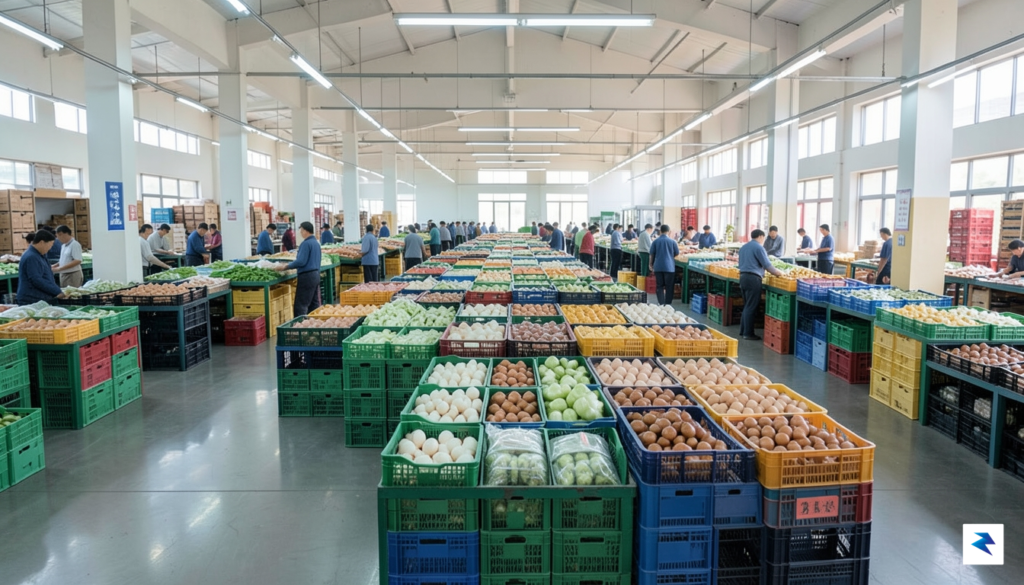
The challenge for policymakers lies in intervening enough to curb inflation without distorting the market signals that farmers rely on to make long-term production decisions.
Historically, these interventionist strategies have shown mixed but generally stabilizing results during previous inflationary cycles. When the government steps in to provide relief, it often successfully cools public anxiety, which in turn prevents the panic-buying that can drive prices even higher. However, skeptics argue that heavy-handed control can lead to unintended consequences, such as discouraging smaller farmers from expanding their flocks if they fear price caps will prevent them from recouping their investments. Striking the right equilibrium requires a delicate touch: the state must act swiftly enough to protect the consumer’s purchasing power while allowing enough market flexibility to encourage the necessary production cycles that will eventually correct the shortage naturally.
Looking ahead, the government’s approach underscores a deep-seated commitment to managing the “vegetable basket” of its citizenry. By integrating data-driven monitoring with traditional price-stabilization tools, Chinese regulators are attempting to insulate the economy from the global fluctuations that currently plague the agricultural sector. Whether these current measures will prove sufficient as feed prices continue to fluctuate remains to be seen, but the intent is clear: to ensure that this essential protein remains accessible and affordable, regardless of the broader geopolitical and environmental pressures weighing on the global food supply.

The current volatility in egg prices serves as a stark wake-up call for China’s agricultural landscape, signaling that the traditional methods of small-scale poultry farming are increasingly ill-equipped to handle modern economic and environmental pressures. As the industry faces these mounting challenges, the shift toward “smart farming” has evolved from a futuristic concept into an immediate necessity. By integrating advanced automation—such as AI-driven climate control systems, automated feeding schedules, and robotic egg collection—producers can drastically reduce their reliance on manual labor while simultaneously minimizing the risk of disease outbreaks. This technological overhaul is not merely about increasing output; it is about creating a buffer against the volatile labor shortages and supply chain disruptions that have exacerbated recent price spikes.
Beyond the adoption of digital infrastructure, the industry is also being forced to rethink the fundamentals of sustainability, particularly regarding feed costs. Historically, China’s reliance on imported corn and soy has left its poultry sector vulnerable to shifting global trade policies and fluctuating commodity markets. To foster long-term stability, researchers and industry leaders are now exploring sustainable feed alternatives, such as insect-based proteins and locally sourced agricultural byproducts. By diversifying the nutritional inputs for their flocks, producers can insulate themselves from the unpredictable costs of international grain markets, ultimately stabilizing the price of a staple protein for the average consumer.
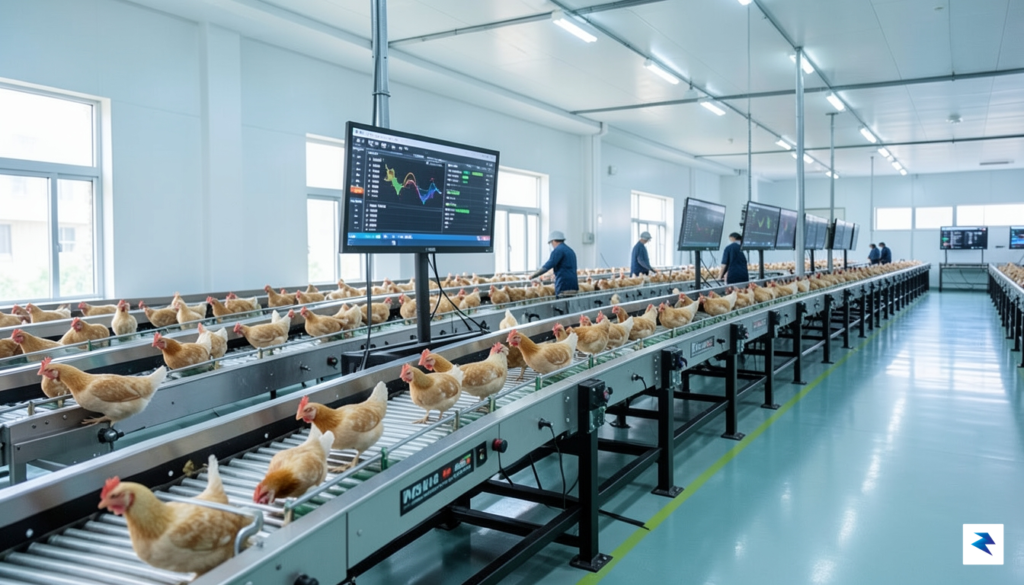
The transition toward a modernized, resilient agricultural sector is the only viable path to shielding consumers from the recurring shock of sudden, steep food inflation.
Ultimately, the question remains whether these price hikes represent a temporary market anomaly or the dawn of a more expensive normal for essential food staples. While some of the current inflationary pressure may subside as supply chains normalize and seasonal demand wanes, the structural factors—including rising costs of energy, logistical complexity, and the need for stricter environmental compliance—suggest that cheap, mass-produced eggs may soon be a relic of the past. As China pushes toward a more sophisticated, tech-integrated agricultural model, the market is likely to settle into a new equilibrium. While this may mean higher baseline costs for consumers in the near term, it also promises a more consistent, secure, and sustainable supply of one of the world’s most critical food sources.
You must be logged in to post a comment.