
Why Samsung’s Next Foldable Launch Is Its Most Important in Years
The Critical Juncture for Samsung's Foldable Strategy For years, Samsung has stood as the undisputed pioneer and market leader in the…
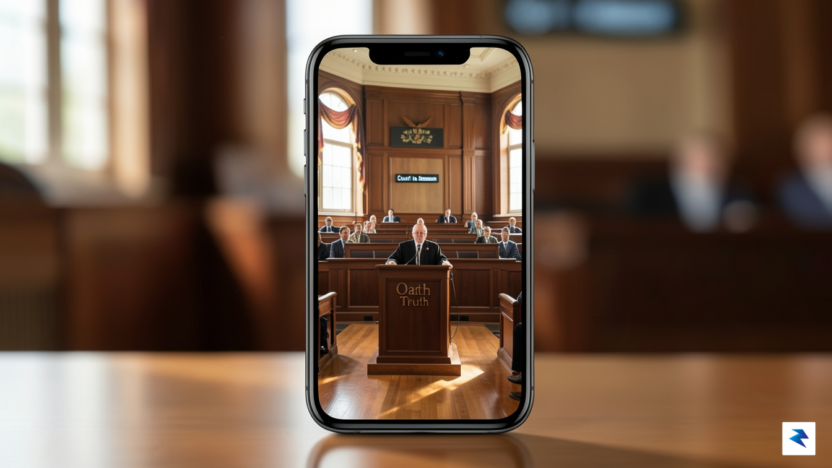

The recent settlement reached by Snap represents far more than a routine legal resolution; it is a watershed moment in a sprawling, multi-district litigation effort that has fundamentally altered how the public views the responsibility of Big Tech. For years, the conversation surrounding social media was dominated by concerns over data privacy, user tracking, and the monetization of personal information. However, the current wave of litigation marks a deliberate and profound shift toward a product liability framework. Plaintiffs are no longer merely arguing that these platforms are invasive; they are asserting that the algorithmic architecture of these apps is inherently addictive and purposefully designed to exploit the psychological vulnerabilities of adolescent users, resulting in tangible mental health crises.

This legal movement has gathered unprecedented momentum, transcending individual grievances to become a systemic challenge against the industry’s most powerful players. Thousands of plaintiffs—comprising families, individual victims, and a growing number of public school districts—have consolidated their efforts to demonstrate that the mental health decline observed in younger generations is not a coincidence, but a predictable byproduct of platform design. School districts, in particular, have framed these lawsuits as an intervention against a public health crisis that disrupts the educational environment, citing increased rates of anxiety, depression, and self-harm that they argue are exacerbated by constant, compulsive platform engagement. By banding together, these entities are attempting to bypass the individual “David vs. Goliath” dynamic, instead forcing a comprehensive examination of how specific design features—such as infinite scrolling, push notifications, and “streaks”—function as psychological traps.
The core of these lawsuits rests on the premise that social media companies knowingly prioritized prolonged user engagement over the safety and well-being of their youngest, most impressionable audience members.
Furthermore, the shift toward product liability signals a growing impatience with the self-regulatory approach that has defined the tech industry for decades. Legal scholars and advocates are increasingly arguing that social media apps should be treated with the same scrutiny as any other consumer product known to cause harm if used as intended. As these cases move through the courts, the focus remains on whether these corporations had a duty to implement design safeguards that could have mitigated addictive behavior. With major platforms now choosing to settle rather than face a full jury trial, the industry is effectively conceding that their business models are vulnerable to intense legal scrutiny, paving the way for a new era where platform accountability is no longer an optional ethical consideration, but a mandatory legal requirement.

At the center of these legal challenges lies the concept of “persuasive design,” a sophisticated framework where software is intentionally engineered to exploit human psychological vulnerabilities. Plaintiffs argue that platforms like Snapchat and TikTok do not merely provide a service; they create a digital ecosystem optimized for “hooking” users through variable reward schedules. Much like a slot machine in a casino, these platforms provide intermittent, unpredictable positive reinforcement—such as a sudden burst of likes, comments, or viral trends—which triggers dopamine releases in the brain. By conditioning adolescents to crave this feedback, platforms keep them tethered to their screens for hours at a time, often prioritizing prolonged engagement over the healthy developmental needs of young users.
The technical mechanisms driving this engagement are as pervasive as they are precise. Features such as infinite scrolling remove natural “stopping cues” that would otherwise allow a user to step away, while aggressive push notification systems are designed to disrupt real-world focus and draw the user back into the digital environment. Furthermore, advanced recommendation engines act as personalized feedback loops, learning a user’s deepest insecurities and preferences to serve up content that keeps them scrolling. These algorithms often curate feeds that narrow a user’s worldview or expose them to harmful material, creating an environment where the platform’s profit motive—driven by ad revenue and time-on-app—directly conflicts with the mental health of its most vulnerable demographic.

The core of the litigation rests on the argument that these platforms are not passive conduits for content, but active, manipulative architects of human behavior that ignore the known risks to adolescent psychology.
The psychological and medical reports cited in these lawsuits provide a sobering look at the fallout of this design strategy. Experts testifying for the plaintiffs have highlighted a clear, statistically significant correlation between heavy social media usage and the rise of anxiety, depression, and body dysmorphia among teenagers. By creating platforms that encourage constant social comparison, these companies have fostered environments where unrealistic beauty standards and toxic cyber-interactions thrive, often leading to severe eating disorders and self-harm. Critics argue that the platforms were fully aware of these risks during the development phase but chose to refine their algorithms for higher retention rather than implementing safety guardrails that might have mitigated these devastating health outcomes.

The recent decision by Snap to settle litigation surrounding social media addiction serves as a definitive turning point in how major technology firms approach the looming threat of mass tort liability. By opting for a settlement just as a Los Angeles jury trial was set to begin, Snap effectively circumvented the unpredictable nature of a courtroom verdict, choosing a controlled financial outcome over the possibility of a public, precedent-setting defeat. This move mirrors the cautious strategies recently employed by TikTok and YouTube, both of which have shown an increasing preference for quiet resolutions rather than testing their defense theories before a jury of everyday users who may be predisposed to sympathize with the plaintiffs.
When these platforms choose to settle, they are not necessarily admitting to the systemic harms alleged by parents and mental health advocates; rather, they are performing a calculated cost-benefit analysis. The legal teams at these companies are acutely aware that a jury trial is an uncontrollable environment where internal corporate documents regarding algorithm design, engagement metrics, and product safety could be exposed to the public eye. By settling early, these companies effectively bury the most damaging evidence and prevent the establishment of a legal blueprint that could encourage thousands of additional lawsuits. It is a classic risk-mitigation maneuver designed to buy time and maintain an aura of operational normalcy while the broader regulatory environment remains in flux.
Furthermore, the strategic alignment across the industry suggests that these companies are unified by a fear of “the nuclear option”—a verdict that could fundamentally alter their liability protections under Section 230 of the Communications Decency Act. While they continue to argue in court that they are merely platforms hosting third-party content, the reality of these settlements implies a recognition that their engagement-based recommendation engines represent a distinct, potentially actionable product feature. By avoiding a trial, they prevent judges from making definitive rulings on whether addictive design features fall outside the scope of existing statutory immunity. This “settle-and-stay-silent” approach keeps the legal playing field murky, which serves the platforms’ interests far better than a clear, potentially unfavorable judicial mandate.
The trend toward settlement represents a pivot from aggressive litigation to strategic risk management, prioritizing the preservation of corporate reputation over the pursuit of absolute vindication in the court of law.
Ultimately, this domino effect of settlements signals a broader shift in the digital landscape. While users may see these payouts as a small victory for accountability, the companies see them as a pragmatic barrier against systemic reform. As long as these platforms possess the capital to settle out of court, they can continue to avoid the intense scrutiny of a public trial, leaving the fundamental questions about the impact of algorithmic social media on youth mental health to be negotiated behind closed doors rather than resolved through the transparency of the judicial process.

While platforms like Snap and TikTok have opted to resolve their legal entanglements through settlements, Meta finds itself in a markedly different position as the primary target of the ongoing litigation. This divergence in strategy is not merely coincidental; it stems from the sheer scale of Meta’s ecosystem and the historical breadth of its internal research. Because Instagram and Facebook are deeply integrated into the fabric of daily digital life for millions of teenagers, the plaintiffs’ arguments focus heavily on the specific design choices—such as the algorithmic feed and infinite scroll—that Meta pioneered. Unlike its competitors, Meta has chosen to take a more combative stance in court, arguing that its platforms are not inherently harmful and that the responsibility for usage habits lies with users and their guardians rather than the architectural design of the software itself.
The intensity of this legal standoff is fueled by the existence of internal documents, often referred to as the “Facebook Files,” which have suggested that the company was aware of its platforms’ potential to negatively impact the mental health of younger users. By refusing to settle, Meta is effectively betting that it can successfully argue in a courtroom that its engagement-driven features are standard industry practice rather than malicious engineering. This aggressive defense suggests that the company is concerned about setting a legal precedent that could fundamentally restrict how it monetizes user attention. If Meta were to settle, it would likely be viewed by critics as an admission of culpability, potentially opening the floodgates for thousands of individual lawsuits and more stringent regulatory oversight regarding product design.
The refusal to settle indicates that Meta is fighting for the future of its business model. By challenging the core allegations in court, the company aims to defend the algorithmic mechanisms that drive its advertising revenue, even as it faces mounting public and political pressure.
The implications of a landmark trial against Meta are profound, as it would force a public reckoning with the company’s long-standing research into user engagement and its documented effects on teen development. Legal experts suggest that if the case proceeds to a full trial, the discovery process could expose even more granular details about how Meta’s systems prioritize content to keep users tethered to their devices. Ultimately, Meta’s role as the primary defendant transforms this litigation from a series of routine corporate settlements into a high-stakes constitutional and ethical debate. The outcome will likely serve as a benchmark for the entire tech industry, determining whether social media companies can be held legally accountable for the psychological consequences of the products they build to maximize time on screen.

The recent string of settlements involving major platforms like TikTok and Snap represents far more than a simple cost of doing business; it signals a tectonic shift in how the tech industry must approach product architecture. For years, the prevailing design philosophy in Silicon Valley prioritized maximizing “time spent” through algorithmic engagement loops, often at the expense of user wellbeing. Now, legal pressures are forcing developers to pivot toward a “safety-by-design” framework. This shift suggests that future updates will likely integrate friction points—such as mandatory breaks, stricter content moderation for younger demographics, and the de-prioritization of infinite-scroll features—as standard operating procedures rather than optional add-ons. By baking safeguards into the very foundation of an app’s code, companies are attempting to preemptively mitigate the liability risks that have become increasingly costly.

Beyond internal design changes, these legal outcomes are undoubtedly accelerating the momentum for robust federal oversight. The current landscape of self-regulation, which has largely dominated the industry since its inception, is increasingly viewed by policymakers as insufficient to protect the mental health of minors. We can expect to see an uptick in Federal Trade Commission (FTC) investigations that scrutinize not just data privacy, but the psychological impact of design features themselves. If the industry fails to adopt transparent, verifiable safety standards, it is highly probable that we will see comprehensive federal legislation that mandates third-party audits of recommendation algorithms. Such regulations would effectively strip platforms of their ability to prioritize engagement metrics over user safety, effectively treating social media apps as products that require the same level of safety testing as vehicles or medical devices.
The era of “move fast and break things” is rapidly being replaced by a reality where platforms must demonstrate that their products are safe for human development before they are released to the public.
Ultimately, these settlements pose a broader societal question: can a business model built on advertising revenue ever be truly aligned with the healthy development of its users? While technical guardrails and legislative mandates are necessary steps, they may only address the symptoms of a deeper structural problem. As we look toward the future, the conversation must expand to include not just how platforms are built, but whether certain engagement-driven features should exist at all. Moving forward, the digital ecosystem will likely undergo a transformation where the burden of proof shifts from the user to the corporation, requiring tech giants to demonstrate—rather than merely claim—that their platforms are designed with human flourishing at their core.
You must be logged in to post a comment.