
Smart Home Upgrades That Actually Boost Your Curb Appeal
The Evolution of Curb Appeal: Aesthetics Meets Intelligence For years, the integration of smart technology into the home exterior was defined…
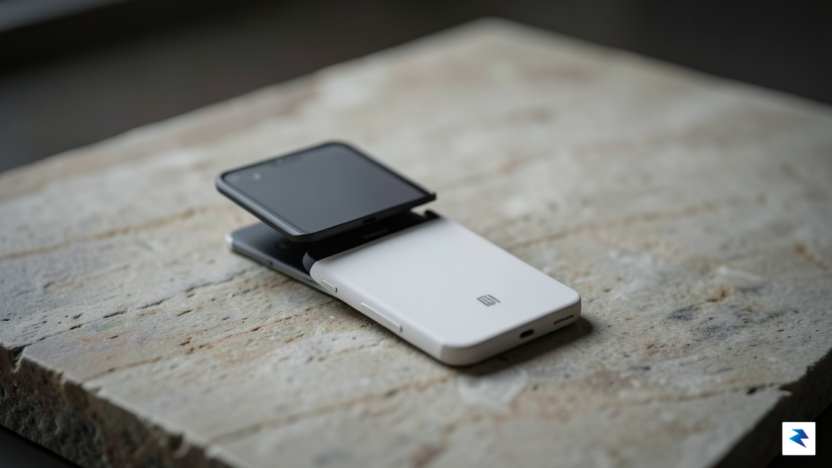
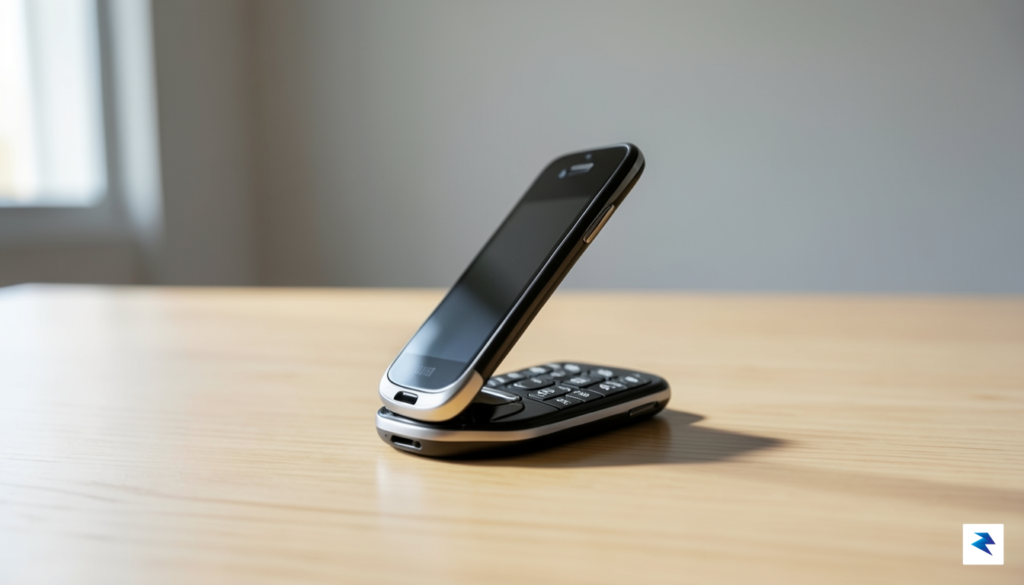
For years, the philosophy behind Light has been rooted in a singular, challenging ambition: to reclaim our attention from the algorithmic grip of modern smartphones. The brand began its journey by stripping away the noise of social media feeds and infinite scrolling, opting instead for tools that facilitate communication without demanding constant engagement. This mission reached a complex juncture with the development of the Light Phone III. While the III was a marvel of hardware engineering, its inclusion of more robust features—like a camera and expanded utility—sparked a profound internal debate within the company’s community. It forced a necessary reckoning with the core definition of minimalism, questioning whether adding functionality inherently dilutes the purpose of a device designed to be used as little as possible.
This feedback loop served as the catalyst for the Light Flip, signaling a deliberate pivot back toward the essence of the brand’s original ethos. Rather than continuing to chase the feature parity found in mainstream smartphones, the company chose to re-examine what constitutes a “necessary” tool versus a digital distraction. The decision to adopt the flip form factor is not a nostalgic gimmick; it is an intentional design choice aimed at creating a physical boundary between the user and their digital life. By returning to a classic clamshell design, the device reinforces the idea that a phone should be an object you open to perform a specific task and then close to return your focus to the real world.
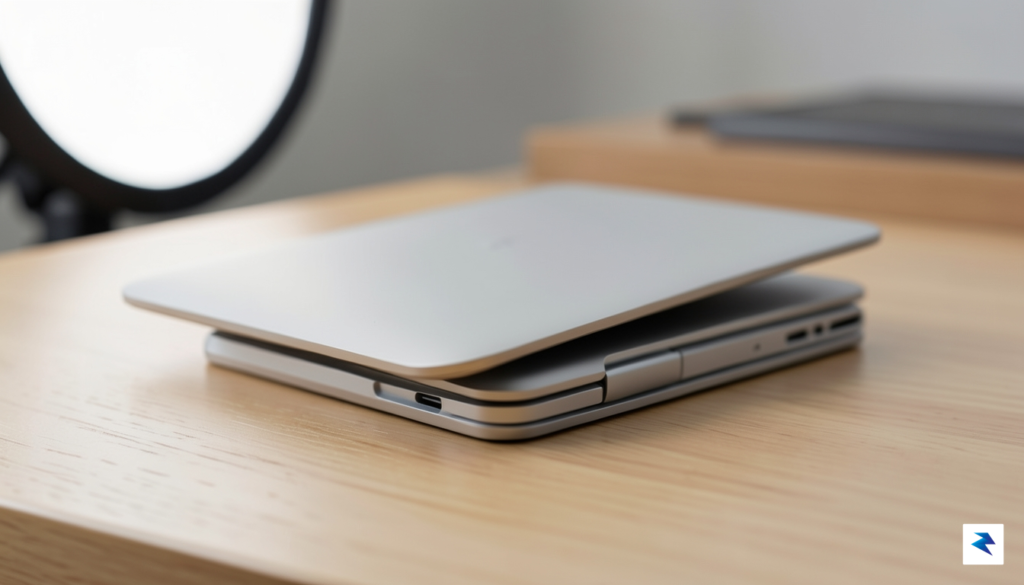
The transition to the flip form factor represents a maturation of Light’s design language, prioritizing tactile satisfaction and psychological closure. When you snap a phone shut, you aren’t just ending a conversation; you are physically signaling the end of an interaction, a tactile confirmation that is entirely absent in the flat, slab-like design of modern glass rectangles. This hardware choice effectively bridges the gap between the functional demands of daily life and the human need for mental solitude. It is a bold statement that the future of technology isn’t necessarily about doing more, but about providing the user with the agency to do less, with greater intention.
The true power of the Light Flip lies in its ability to be forgotten. By shedding the weight of constant notifications and bloated software, it allows the user to exist in the present moment without the persistent, low-level anxiety of a hyper-connected device.
Ultimately, the Light Flip embodies a refined understanding of minimalism that acknowledges the limitations of human willpower. By limiting the device’s capabilities to only the most essential tools, the company is betting that users are tired of the “productivity” trap that has defined the last decade of mobile computing. The pivot from the feature-rich complexity of the third generation back to the focused, tactile nature of the flip is a testament to the idea that simplicity is not a lack of features, but a thoughtful curation of them.
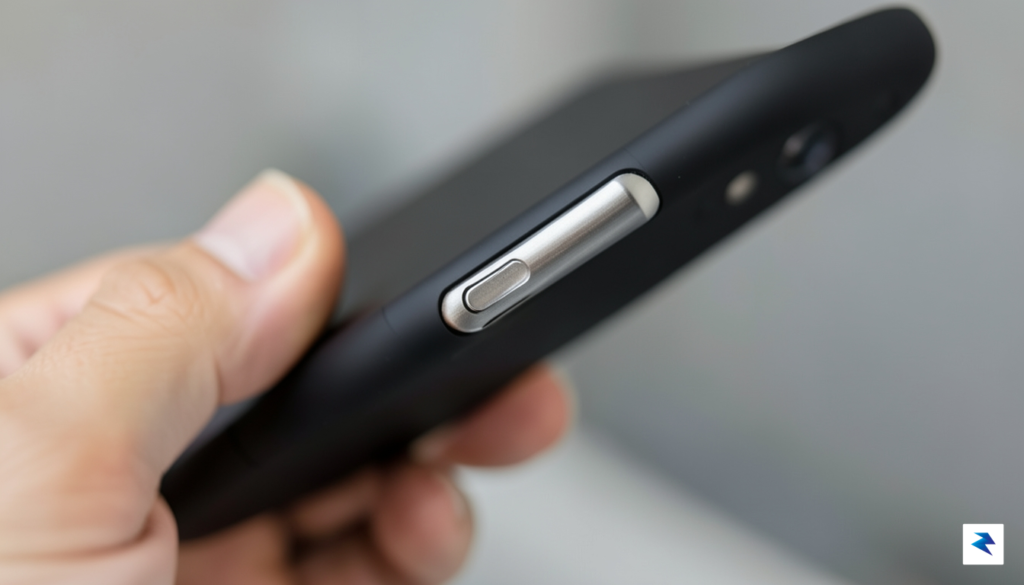
The modern smartphone is designed to be an extension of the hand, an infinite portal that remains perpetually open, inviting us to graze on content until our focus dissipates. In stark contrast, the flip phone reintroduces a fundamental missing piece of the digital experience: physical closure. When you snap a device shut, you are not merely ending a call or silencing a notification; you are performing a definitive, tactile gesture that signals to your brain that the digital task is complete. This mechanical finality acts as a psychological boundary, creating a clear separation between your engagement with the screen and the rest of your physical environment. By turning a digital interaction into a physical ritual, the form factor effectively dismantles the compulsion to drift mindlessly between apps.
Beyond the psychological benefits, the flip mechanism serves as a crucial gatekeeper for your attention. In an era where every glance at a screen risks spiraling into a ten-minute session of doomscrolling, the act of opening a phone introduces a necessary “moment of intention.” You must consciously decide to flip the device open to access its functionality, a micro-action that forces you to justify why you are picking it up in the first place. This brief pause is enough to disrupt the autonomic, almost robotic habit of checking notifications. It transforms the phone from a passive sponge for your attention into a tool you only wield when you have a specific, purposeful objective in mind.
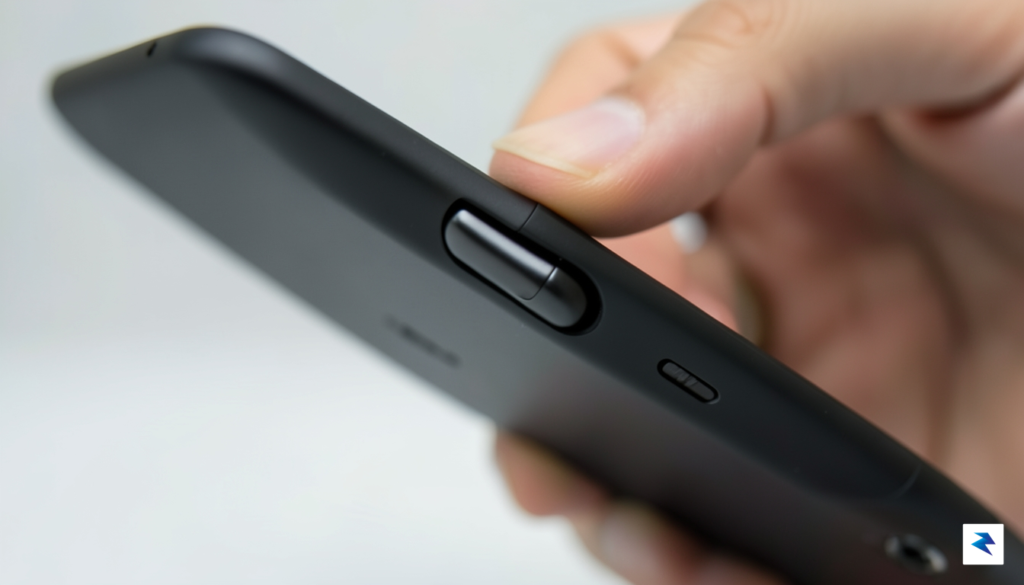
The physical act of closing a phone serves as a symbolic ‘stop’ sign for the digital noise that dominates our daily lives.
There is also an undeniable physical utility to this design that has been lost in the race for larger, thinner glass slabs. A flip phone is inherently compact, sliding into a pocket with ease and occupying a fraction of the space of a modern flagship device. This physical footprint discourages the “always-on” mentality because it isn’t designed to be a secondary monitor for your life. Furthermore, the hinge design provides a level of inherent durability; when the device is closed, the most fragile component—the screen—is tucked away and protected from the hazards of daily wear. By prioritizing a form factor that respects the limits of our pockets and our focus, the flip phone proves that minimalism is not about deprivation, but about reclaiming the ability to be present.
True digital wellbeing is rarely about complete abstinence from technology; instead, it is about reclaiming the power to choose how and when we interact with our digital tools. Modern smartphone design is built on the psychological principle of “path of least resistance,” where every notification and infinite scroll is engineered to keep us in a state of reactive engagement. The Light Flip challenges this paradigm by introducing a deliberate layer of friction into the user experience. By removing the seductive traps of endless content streams and push notifications, the device ensures that your engagement with technology remains a conscious choice rather than a reflex.
At the core of this philosophy is the belief that tech should serve the user, not the algorithm. While standard smartphones are designed to maximize time-on-device, the Light Flip is meticulously crafted to minimize it. By stripping away social media apps, web browsers, and complex notification centers, the phone functions as a tool for connection rather than a portal for distraction. This intentional limitation forces the user to be purposeful: you pick up the device because you have a specific task to accomplish, such as making a call or sending a text, and then you put it down. You are no longer trapped in a cycle of checking your phone out of boredom or anxiety.
This design philosophy relies on the concept of “productive friction.” When a device makes it slightly harder to perform an addictive activity—like mindlessly scrolling through an image feed—it grants the brain a momentary window of time to reconsider the action. In that brief pause, the user can assess whether they are acting out of genuine need or merely habit. Because the Light Flip lacks the high-frequency dopamine loops found in mainstream mobile operating systems, it effectively resets your relationship with your device. The software interface is stark and utilitarian, prioritizing clarity over engagement, which ultimately fosters a calmer, more controlled digital life.
True digital wellbeing is found not in the absence of technology, but in the intentionality of its presence. When we remove the friction from the tasks that matter and add friction to the habits that distract us, we gain back the most valuable resource of the modern age: our sustained, undivided attention.
Ultimately, the device serves as a physical boundary between your focus and the noise of the digital world. By forcing you to return to a state of intentional use, the phone empowers you to be present in your physical environment. Whether you are walking through a park or sitting at dinner with friends, the absence of constant digital interruption allows for a level of engagement that is increasingly rare in our hyper-connected society. In this sense, the minimalism of the hardware is not a loss of functionality, but a gain in personal agency and mental clarity.
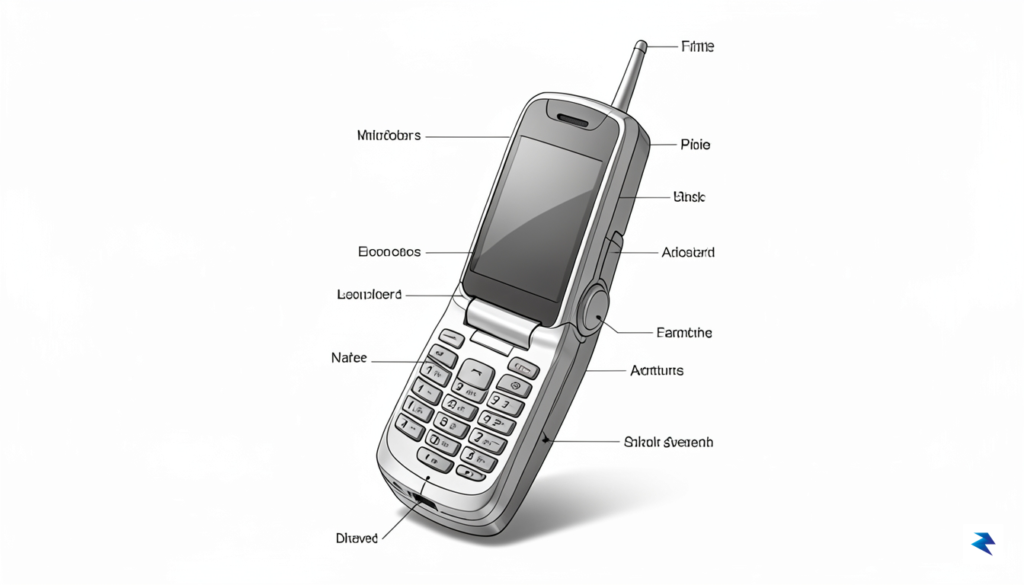
The Light Flip arrives on the scene with a refreshing honesty about its capabilities, intentionally sidestepping the relentless spec race that defines the modern smartphone market. Instead of vying for the fastest processor or the highest megapixel count, every hardware choice within this device is a deliberate statement, carefully curated to serve a singular purpose: to empower users to reclaim their time and attention. What might, at first glance, appear as hardware limitations are, in fact, core features designed to prevent the device from becoming just another mini-computer demanding constant engagement.
Consider the display, for instance. Unlike the vibrant, high-resolution OLED panels found in most contemporary smartphones, the Light Flip typically opts for a simpler, often monochrome or low-resolution color display. This isn’t an oversight; it’s a feature. Such a screen drastically reduces power consumption, contributing to exceptional battery life, but more importantly, it subtly discourages the endless scrolling and media consumption that high-fidelity displays invite. It provides clear, legible information when you need it – a text message, a contact name, or directions – without tempting you into the rabbit hole of social media feeds or video streaming. The deliberate absence of a visually stimulating interface nudges users towards engaging with the world around them, rather than the pixels in their hand.
Similarly, the camera system is designed with utility, not artistic ambition, in mind. You won’t find multiple lenses, advanced computational photography, or modes optimized for Instagram filters. Instead, the Light Flip features a straightforward sensor, capable of capturing clear, functional images. This camera is for remembering where you parked, snapping a quick photo of a whiteboard note, or immortalizing a spontaneous moment with loved ones without the pressure of perfect composition or immediate sharing. It acts as a practical tool for capturing essential information or cherished memories, rather than an elaborate instrument for content creation and external validation. The focus shifts from producing polished digital assets to simply documenting life as it happens, fostering a more mindful approach to photography.
Perhaps the most immediately tangible benefit of this minimalist hardware approach is the extraordinary battery longevity. Without a power-hungry display, a complex operating system running background processes, or energy-intensive applications, the Light Flip can often boast battery life measured in days, or even weeks, on a single charge. This freedom from the constant anxiety of a dwindling battery percentage is a profound liberation, allowing users to venture out without a charger, confident that their device will remain operational for essential communication. It transforms the phone from a high-maintenance companion into a truly reliable tool, always ready when you need it, rather than constantly needing you to tend to its energy demands.
Beyond the internal components, the physical build quality also adheres to this philosophy of purposeful design. Often crafted from durable plastics or robust, simple metals, the Light Flip feels solid and reliable in the hand, a stark contrast to the fragile glass-sandwich designs prevalent in the market. It’s built to withstand the rigors of daily life, encouraging users to carry it without excessive worry about drops or scratches. This tangible durability, combined with the intentionally constrained digital experience, works in concert to provide a device that truly serves its owner, rather than becoming a demanding digital overlord. These “limitations” are not deficiencies; they are the intentional guardrails that define the Light Flip’s unique value proposition, guiding users towards a more present and less distracted existence.
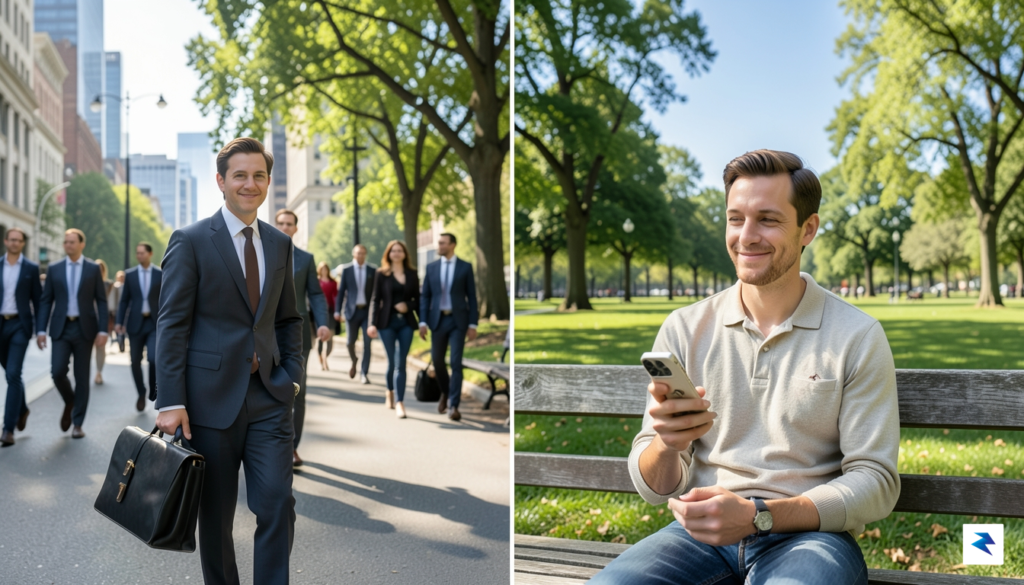
Choosing to carry the Light Flip is not merely a hardware decision; it is a profound lifestyle audit. The device is tailor-made for the digital minimalist—the individual who has realized that their smartphone has become a source of fragmented attention rather than a tool for empowerment. It appeals to the professional exhausted by the constant ping of Slack notifications, the parent who wants to be fully present during dinner without the subconscious urge to scroll, and the student struggling to reclaim their cognitive focus from algorithmically driven feeds. However, this transition is not a simple lateral move; it demands a radical acceptance of friction in exchange for intentionality.
To adopt the Light Flip as a primary device, one must be prepared to navigate a world that assumes everyone is perpetually connected. The trade-offs are significant and immediate: you will lose the convenience of real-time ride-sharing apps, the security of two-factor authentication tied to mobile apps, and the ability to capture high-fidelity memories on a whim. You are effectively trading the “utility of convenience” for the “luxury of peace.” For many, the lack of a reliable GPS or banking app feels like a step backward, yet for the target user, this friction is the very mechanism that prevents them from falling back into the habit of mindless digital consumption.
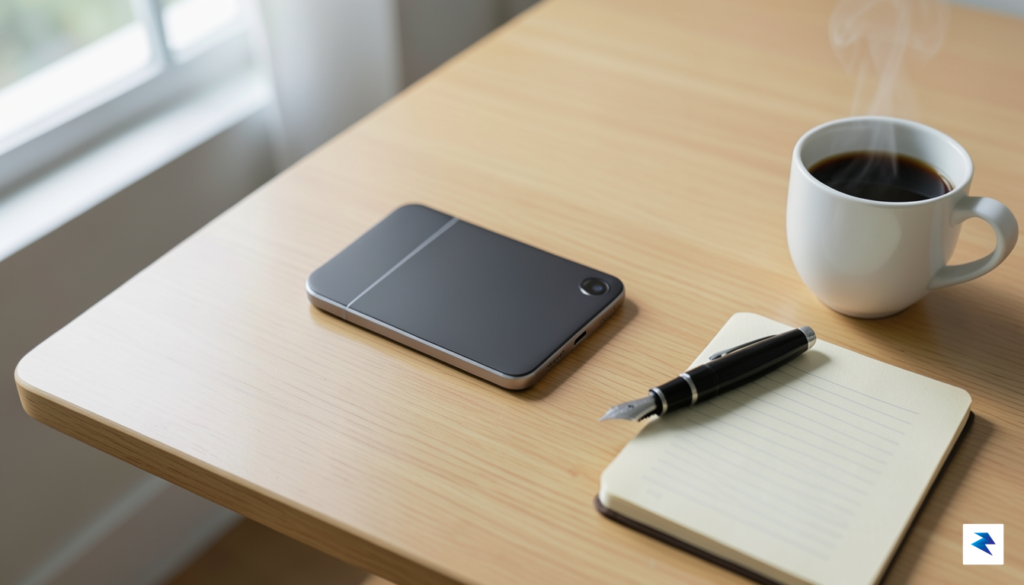
The Light Flip is not for those who want to do everything; it is for those who want to do fewer things with greater purpose.
The ideal user profile for this device is someone who has already reached a breaking point with the “always-on” culture. This includes high-level executives who delegate their logistical needs and value deep work above all else, as well as creative professionals who find that their best ideas emerge only when they are disconnected from the noise of the internet. By removing the camera, the web browser, and the endless stream of social media apps, the Light Flip forces the user to interact with their environment rather than their screen. You will find that you no longer check your phone out of boredom while waiting in line, because there is simply nothing to check. This shift inevitably leads to reduced anxiety, as the cognitive load of managing a thousand digital inputs is replaced by the singular, quiet reliability of a basic communication tool.
Ultimately, the Light Flip requires you to be comfortable with being slightly inconvenienced. You may need to plan your route before you leave the house, carry a physical camera for important events, or rely on a laptop for tasks that require complex digital interaction. Yet, for those who feel that the current smartphone landscape has stolen their agency, these inconveniences are not bugs—they are features. By intentionally limiting your digital footprint, you are not losing connectivity; you are reclaiming the ability to define your own time and attention in an increasingly crowded world.
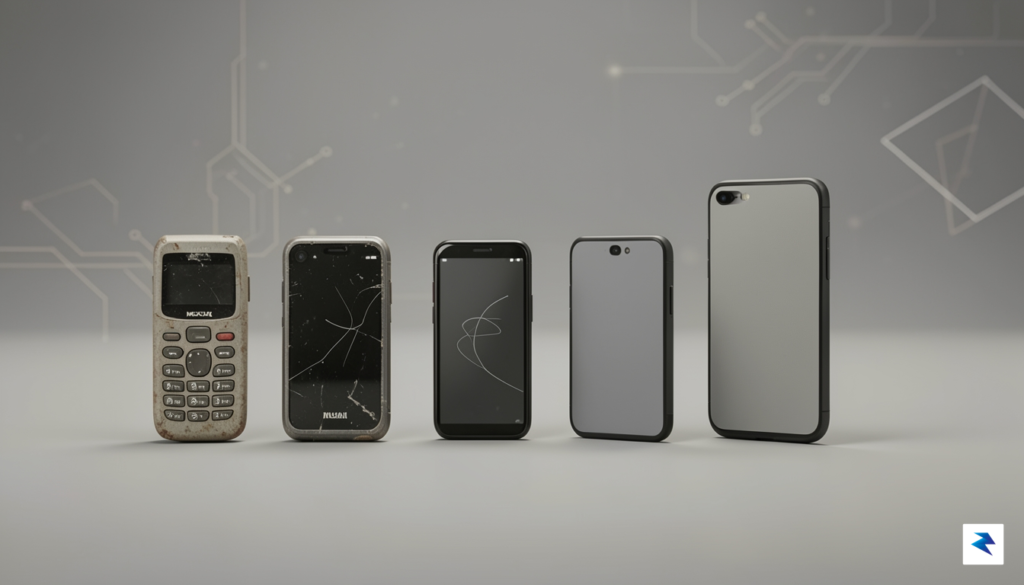
The current resurgence of the “dumb phone” is far more than a fleeting exercise in retro nostalgia; it represents a significant, growing collective fatigue with the perpetual connectivity of modern life. As smartphone manufacturers push for more powerful processors, triple-lens camera arrays, and an endless stream of algorithmic notifications, a segment of the population is actively seeking a exit ramp. Devices like the Light Flip are not merely hardware; they are ideological statements that prioritize human attention over engagement metrics. By stripping away the web browsers, social media feeds, and persistent background tracking that define the modern mobile experience, these devices allow users to reclaim their focus and mental bandwidth in an era of constant digital distraction.
This movement has been bolstered significantly by the democratization of niche manufacturing through platforms like Kickstarter and Indiegogo. These crowdfunding ecosystems allow companies to bypass the traditional, mass-market retail gatekeepers, proving that a dedicated, albeit smaller, audience exists for minimalist technology. Because these products do not need to appeal to the lowest common denominator to survive, they can prioritize specialized build quality and intentional design choices that larger corporations would deem “unprofitable.” Consequently, the Light Flip sits at the intersection of artisanal hardware and modern utility, proving that there is a viable, sustainable business model in selling less, rather than more.
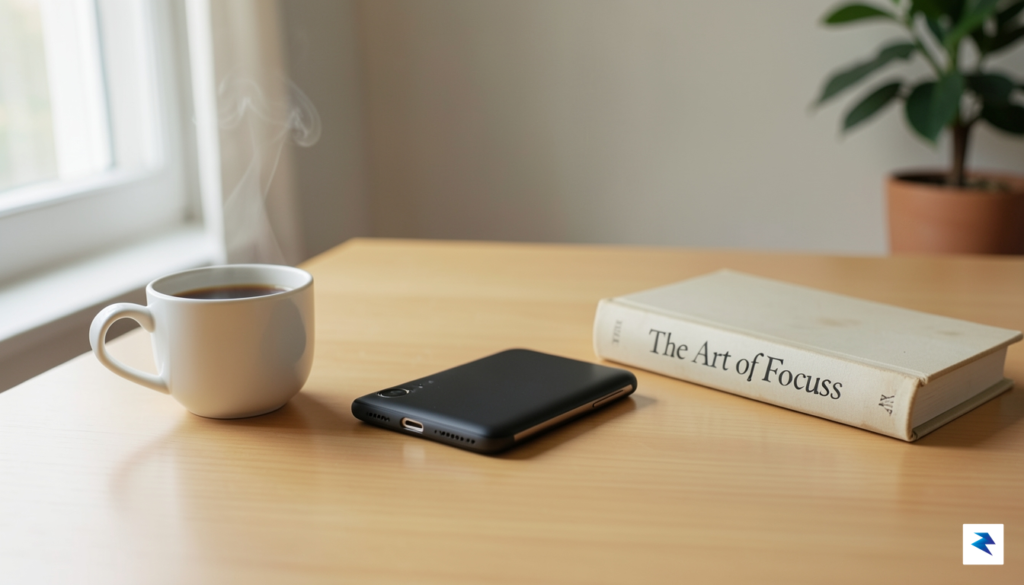
The long-term question remains: is this a passing hobby for tech-savvy early adopters, or the start of a genuine consumer rebellion against the smartphone status quo? While minimalist phones are unlikely to replace the smartphone for the average professional, they are carving out a legitimate category of “lifestyle devices” meant to coexist with, or eventually replace, the primary screen. The sustainability of this model rests on whether users can maintain their discipline in a world designed to keep them tethered to a digital tether. If the trend continues to gain momentum, we may see a future where hardware is judged not by how much content it can display, but by how effectively it can fade into the background, leaving space for the user’s actual life to unfold.
The true value of minimalist technology lies in its ability to act as a filter, allowing users to choose exactly what reaches them, rather than being constantly bombarded by the noise of the digital world.
Ultimately, the rise of the Light Flip signals a shift in our relationship with consumer electronics. We are moving away from a period where we measured the value of our devices by the sheer number of features they offered and toward an era where utility is measured by peace of mind. Whether or not this becomes a mainstream movement, it has already succeeded in forcing a conversation about the costs of hyper-connectivity. As we become more aware of the psychological toll of the infinite scroll, the “dumb phone” becomes a sophisticated tool for modern survival, offering a path back to a more intentional, analog way of living.
You must be logged in to post a comment.