
Suno Data Breach: What 55 Million Users Need to Know Now
Understanding the Suno Data Breach The rapidly expanding world of generative artificial intelligence recently hit a sobering milestone as…
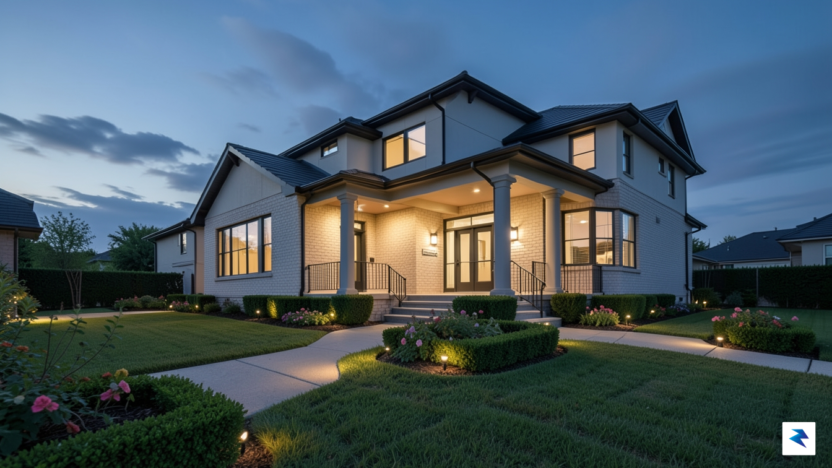
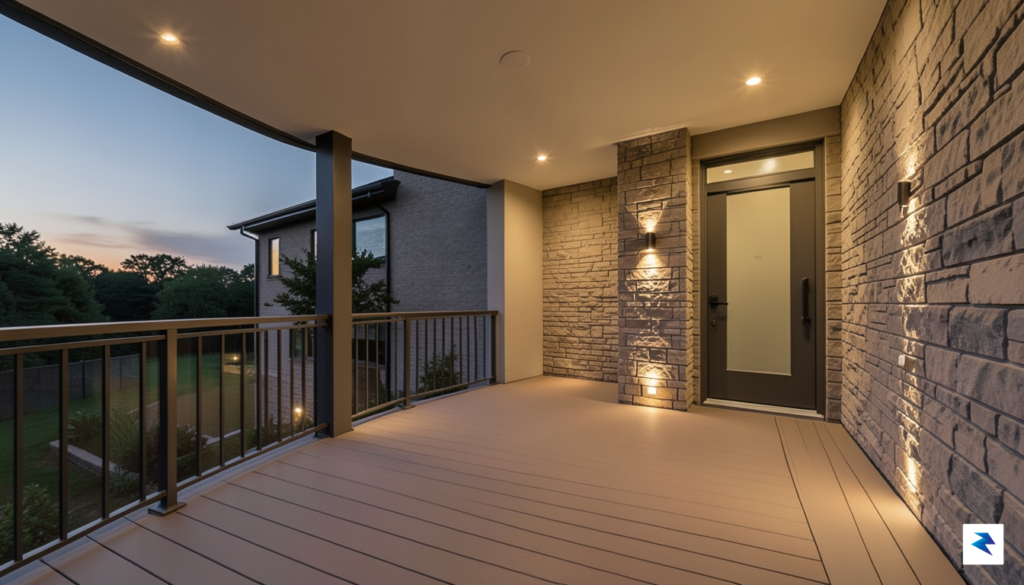
For years, the integration of smart technology into the home exterior was defined by a utilitarian, almost industrial aesthetic. Early adopters were often forced to compromise on their property’s visual charm, installing bulky, plastic-heavy motion sensors, oversized cameras, and glaringly bright floodlights that stood out like sore thumbs against carefully curated siding or brickwork. These devices were undeniably functional, but they lacked the finesse required to harmonize with architectural design. Homeowners were essentially trading a clean, welcoming facade for the peace of mind that comes with modern connectivity, creating a noticeable disconnect between the home’s personality and its technological capabilities.
Fortunately, we have entered the era of “invisible tech,” where the primary goal of hardware design is seamless integration. Today’s smart home accessories are engineered to disappear into the background, prioritizing sleek lines, premium materials, and compact profiles that complement rather than detract from your home’s exterior. This shift represents a fundamental change in how we perceive property maintenance and upgrades; technology is no longer an eyesore to be hidden, but a sophisticated layer of infrastructure that respects the building’s heritage and style. By utilizing matte finishes, low-profile mounts, and color-matched housings, manufacturers are finally allowing homeowners to harness the power of automation without sacrificing the very curb appeal they worked so hard to cultivate.
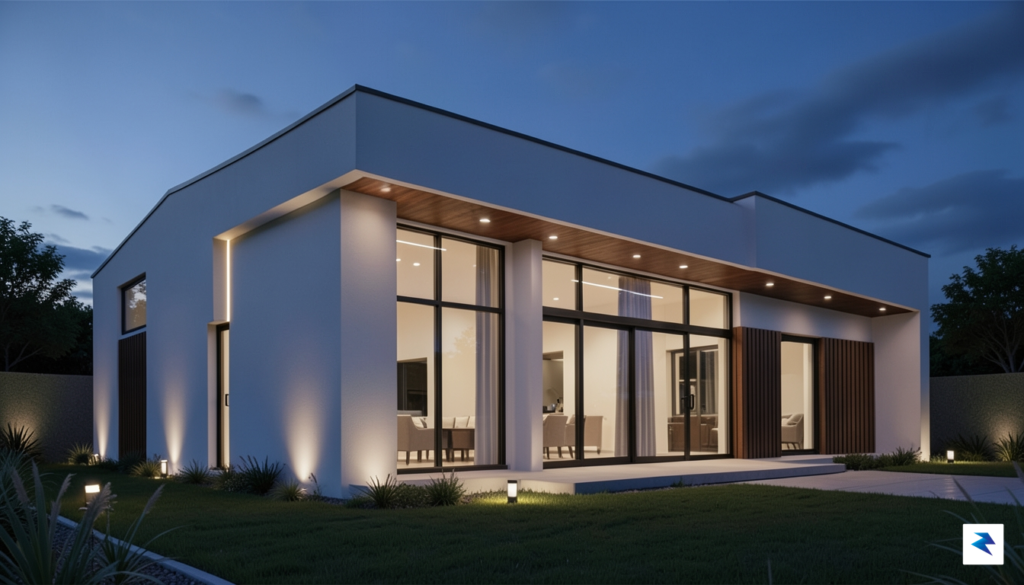
The importance of this evolution cannot be overstated, as curb appeal serves as the literal front door to your property’s overall valuation and your own sense of pride. A home that feels cohesive—where lighting, security, and access control work in concert with the landscape—projects a sense of intentionality and care. When technology is thoughtfully applied, it transforms mundane exterior features into dynamic assets; for instance, smart lighting can be programmed to accentuate specific architectural details like gables or masonry, effectively turning your house into a nighttime gallery. This isn’t just about making your home look “futuristic” in a gimmicky way, but about leveraging intelligent systems to showcase the textures, colors, and design elements that make your home unique.
True innovation in the smart home space is measured by how effectively technology enhances the human experience without demanding constant attention or visual compromise.
Ultimately, the marriage of aesthetics and intelligence is about elevating the living experience from the moment someone pulls into the driveway. As we move further into 2026, the expectation for smart home accessories is higher than ever: they must be robust, reliable, and invisible to the casual observer. By prioritizing devices that respect the structural integrity and design language of your home, you are not just adding gadgets; you are investing in a more responsive, beautiful, and valuable environment that bridges the gap between high-tech performance and timeless architectural beauty.
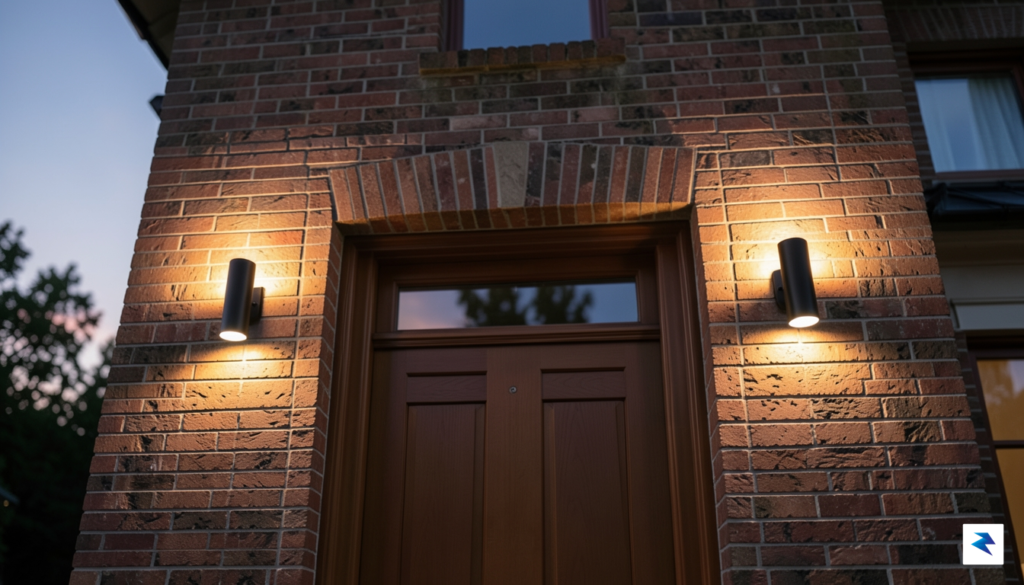
Strategic exterior lighting is far more than a defensive measure against intruders; it is the single most effective tool for transforming your home into a visual masterpiece after dark. While traditional floodlights often create harsh, flat glare, modern low-voltage LED smart lighting systems provide the precision necessary to paint your home’s architecture with light. By utilizing focused beams to highlight textures—such as stone masonry, wood grain, or structural eaves—you create a sense of depth and dimension that is impossible to achieve with basic porch lighting. This layered approach draws the eye to your home’s best features, effectively boosting curb appeal by turning a dark, static structure into a curated, inviting experience.
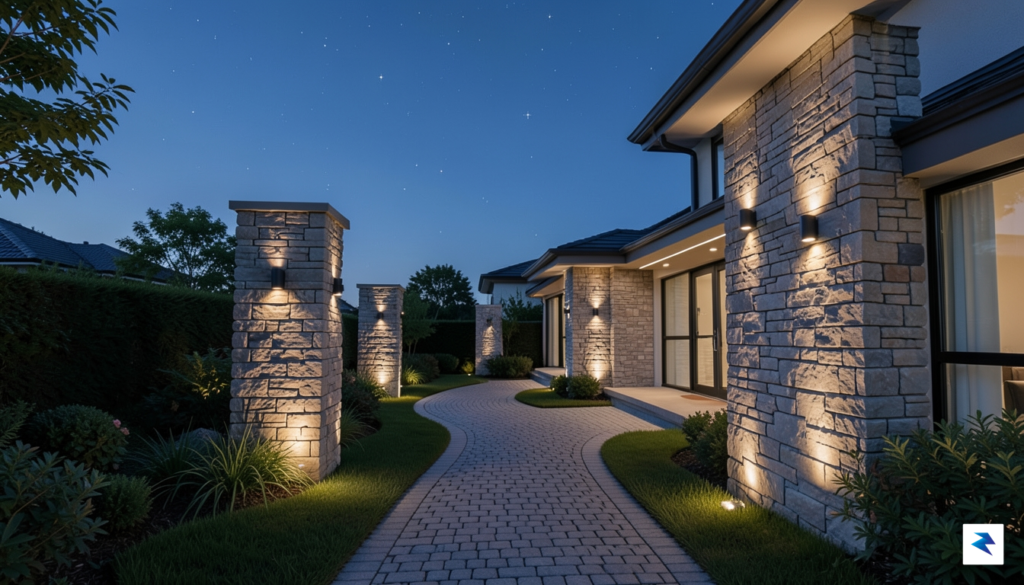
The secret to a high-end look lies in the careful selection of color temperature. For most residential styles, warm white light (around 2700K to 3000K) remains the gold standard, as it complements natural materials like brick and cedar while evoking a cozy, welcoming atmosphere. However, contemporary homes with stark lines and concrete elements may benefit from slightly cooler, crisper tones that emphasize architectural precision. Because smart lighting systems allow for real-time adjustments, you can experiment with these temperatures via a smartphone app to find the exact balance that elevates your home’s specific palette. Furthermore, you can save these settings as presets, allowing your home to shift from a vibrant, cool aesthetic for a summer evening to a soft, golden glow during the winter holidays.
The goal of exterior lighting is not to illuminate every inch of the yard, but to strategically reveal the textures and focal points that define your home’s unique character.
Beyond static aesthetics, smart lighting excels through its ability to react to your lifestyle. By leveraging geofencing technology, your lighting system can detect your arrival, automatically illuminating the driveway and front walkway the moment your vehicle pulls into the driveway. This “welcome home” scene provides a seamless transition from the dark street to your well-lit sanctuary. Additionally, integrating motion sensors allows for a dual-purpose strategy: the lights remain dimmed to a low, ambient level throughout the evening to preserve the neighborhood’s aesthetic, but they brighten instantly when someone approaches. This intelligent responsiveness ensures that your home always looks its best while remaining functionally secure and energy-efficient.
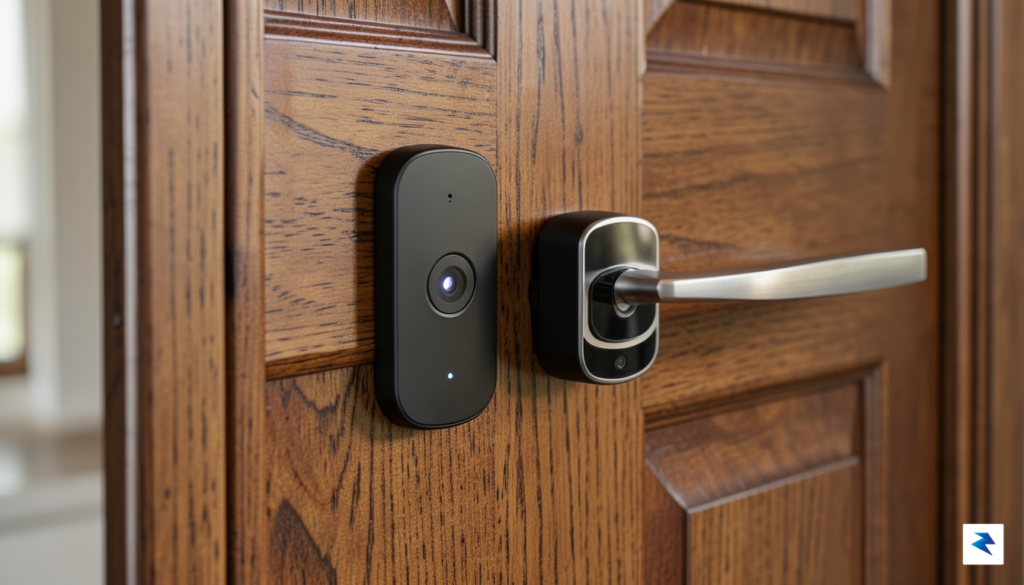
The front door serves as the definitive focal point of your home’s exterior, acting as both a gateway and a stylistic statement. For years, the integration of smart technology felt like a compromise, forcing homeowners to choose between advanced security and visual elegance. However, the 2026 landscape of home automation has shifted dramatically; modern smart locks and video doorbells are now crafted with a focus on architectural integrity. Today’s devices are designed to disappear into the aesthetics of your entryway, offering premium finishes like matte black, brushed nickel, and oil-rubbed bronze that align seamlessly with traditional or contemporary door hardware.
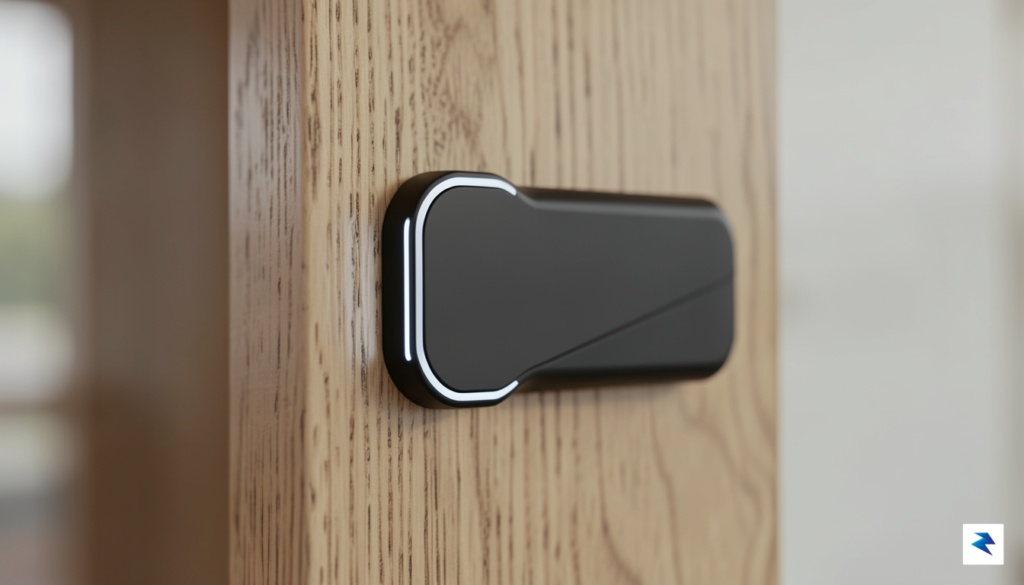
When selecting these upgrades, the secret to a high-end look lies in color coordination and scale. Rather than settling for plastic-heavy interfaces, homeowners can now opt for solid metal casings that mirror the texture and weight of high-quality manual door levers. If you are aiming for a cohesive exterior, it is essential to ensure that the finish of your video doorbell matches your handle set and hinges. By maintaining a uniform metal palette, you prevent the entryway from appearing cluttered or disjointed, allowing the technology to feel like a natural extension of the architecture rather than an afterthought bolted onto the frame.
For those living in historical homes, the challenge of modernization is even more pronounced. You want the convenience of keyless entry and remote monitoring, but you do not want to sacrifice the vintage character of your original hardware. This is where the rise of retrofit smart locks truly shines. Unlike full-replacement systems that require you to discard your beautiful, period-appropriate handle set, a retrofit lock attaches to the interior side of the door. This allows you to keep the exterior appearance of your home perfectly intact while gaining all the benefits of smart security behind the scenes.
The most effective smart home upgrades are those that secure your property without disrupting the visual narrative of your facade. Modern, “hidden” video doorbell form factors are now so slim that they can be mounted on narrow door trim, effectively blending into the home’s profile rather than dominating the entryway.
Furthermore, video doorbell technology has moved toward ultra-thin, low-profile form factors designed to be as unobtrusive as possible. Gone are the days of bulky, rectangular plastic boxes that detract from your home’s curb appeal. Current models emphasize elegant, vertical profiles and edge-to-edge glass lenses that feel like a high-end luxury feature. Whether you are opting for a full replacement to achieve a minimalist, ultra-modern look or utilizing a retrofit solution to preserve a classic aesthetic, the intersection of security and style has never been more accessible for the discerning homeowner.
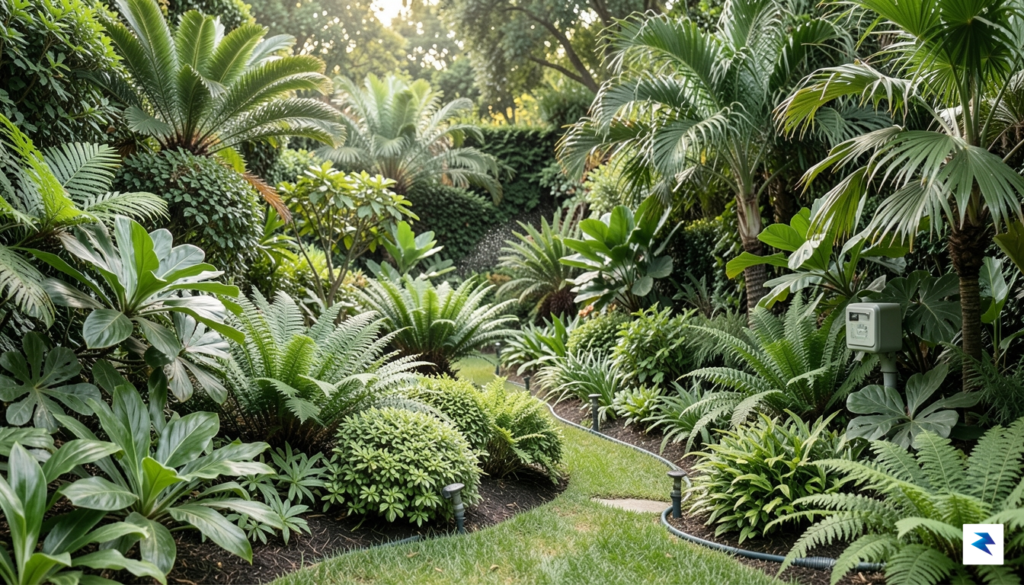
A perfectly manicured lawn is the undeniable centerpiece of curb appeal, serving as the canvas upon which your home’s architectural features truly shine. However, maintaining that lush, vibrant aesthetic manually is a time-consuming endeavor that often succumbs to the unpredictable nature of local weather patterns. Fortunately, the rise of intelligent irrigation systems has revolutionized exterior maintenance, allowing homeowners to achieve professional-grade results with minimal intervention. By utilizing weather-based irrigation controllers, these systems pull real-time data from local meteorological stations to adjust watering schedules automatically. This precision not only prevents the unsightly brown patches caused by drought but also avoids the overwatering that can lead to fungal growth and shallow root systems, ensuring your grass remains thick, green, and resilient throughout the changing seasons.
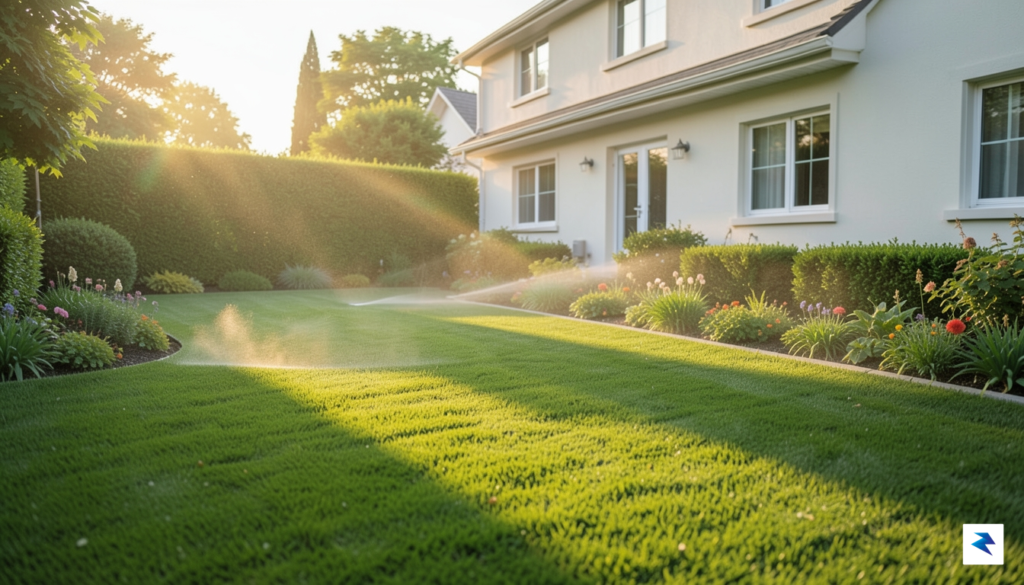
Complementing the precision of automated watering, the modern landscape has been further transformed by the emergence of high-tech robotic lawn mowers. These autonomous workhorses serve as the ultimate “set-and-forget” solution, meticulously maintaining a consistent grass height that gives a property that sharp, freshly-cut look every single day. Unlike traditional mowing, which often leaves grass slightly overgrown between weekend chores, robotic mowers operate on a continuous cycle that encourages healthier, denser growth patterns. By keeping the blades sharp and the cutting schedule frequent, these devices eliminate the jagged edges and uneven patches that can make a yard appear neglected or unkempt. The result is a seamless, carpet-like appearance that signals to neighbors and passersby that your property is under the care of a meticulous professional.
Consistent maintenance is the secret to lasting curb appeal; when your landscape looks perpetually groomed, it elevates the perceived value and personality of your entire home.
Ultimately, investing in these automated landscaping technologies is about more than just convenience; it is about projecting a “cared-for” vibe that significantly boosts your home’s exterior presence. When your irrigation system anticipates a heatwave and your mower maintains a uniform height regardless of your busy work schedule, the yard remains a point of pride rather than a source of stress. This layer of technological polish suggests a level of attention to detail that enhances the overall aesthetic harmony of the home. As these systems become increasingly integrated into the broader smart home ecosystem, they offer a sustainable, efficient, and visually stunning way to ensure your property remains a neighborhood standout, regardless of the time of year.
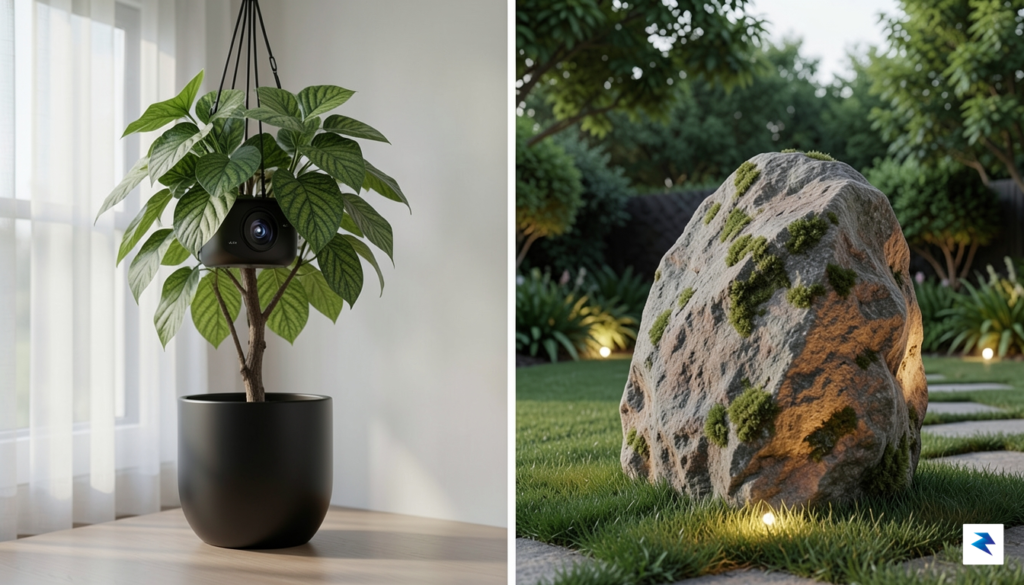
The hallmark of a truly sophisticated smart home is that its technology is felt through convenience rather than seen through clutter. When upgrading your exterior, the goal should be to integrate high-tech functionality so seamlessly that it feels like a natural extension of your home’s original architecture. This “invisible tech” philosophy begins with a strict focus on device aesthetics: prioritize hardware that features minimalist silhouettes, matte finishes, and neutral tones that mirror your home’s existing color palette. By selecting cameras, sensors, and intercoms that vanish into the background—rather than demanding attention with bulky, plastic-heavy designs—you ensure that your curb appeal remains focused on your home’s character rather than its gadgets.
Managing the physical footprint of your devices is equally vital to maintaining a clean, high-end appearance. Exposed wiring is the fastest way to undermine an otherwise elegant exterior; therefore, proactive cable management is non-negotiable. Utilize paintable wire channels that match your siding or masonry to hide power cords, or better yet, opt for professional-grade recessed mounting kits that tuck connections neatly behind the mounting surface. If you are retrofitting older homes, look for devices that offer long-lasting battery life or solar-charging capabilities, which eliminate the need for unsightly exterior conduits entirely. When hardware must be mounted, choose recessed housings that bring the device flush against the wall, creating a streamlined, intentional look rather than an aftermarket add-on.
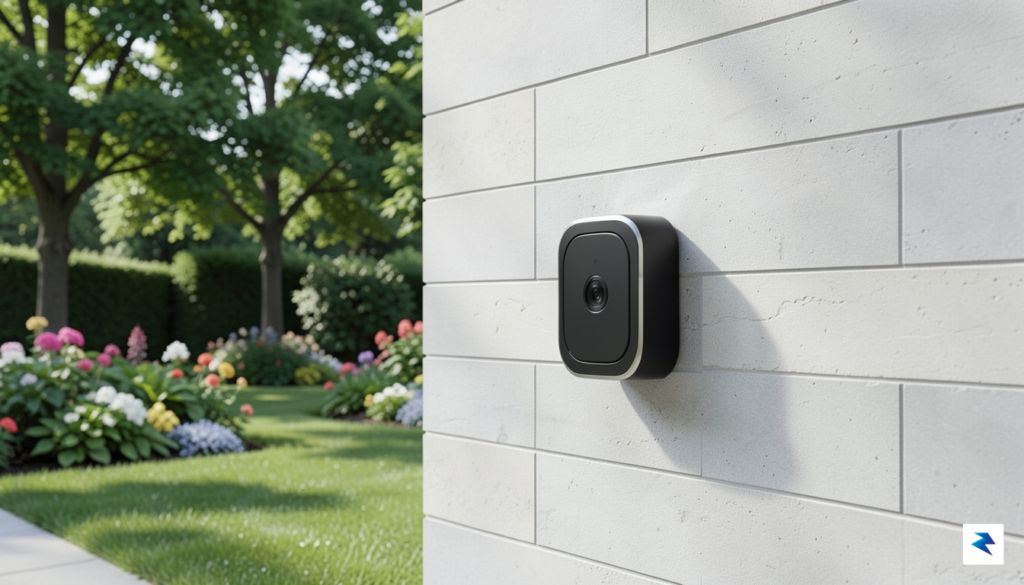
Beyond the physical hardware, “visual noise” often manifests in the form of fragmented digital control. Nothing ruins the serenity of a beautiful home faster than having to juggle six different apps to turn on a porch light or check a camera feed. By investing in devices that support universal standards like Matter or robust ecosystems like HomeKit, you consolidate your control into a single, cohesive interface. This unification not only simplifies your daily routine but also allows you to automate scenes that react to your presence rather than requiring constant manual input. When your home anticipates your needs through background automation, the technology effectively disappears, leaving only the seamless experience of a dwelling that works in harmony with your lifestyle.
True integration means the homeowner is liberated from the interface; the house understands the context of your arrival and responds accordingly, rendering manual controls—and the apps that house them—largely unnecessary.
Ultimately, the key to a clean aesthetic is maintenance and intentionality. Regularly audit your exterior tech to ensure that mounts remain secure, lenses stay clear of dust, and any exterior cabling remains hidden as landscaping shifts throughout the seasons. By treating your smart home accessories as permanent architectural features rather than disposable gadgets, you create an environment that feels timeless and sophisticated. When technology is curated with this level of precision, your home gains all the benefits of modern automation without sacrificing a single ounce of its welcoming, architectural charm.
You must be logged in to post a comment.