The Airbnb Price Hike Dilemma: When Your Confirmed Booking Isn't Secure

For most travelers, the moment a confirmation email lands in their inbox after booking a stay for a global spectacle like the World Cup is one of pure relief. It signals that the most stressful part of the logistical puzzle—securing a bed in a city flooded with millions of fans—is finally complete. However, an increasingly common and unsettling trend has turned this sense of security into a fragile promise. Many hosts, realizing too late that they could have charged significantly higher rates, are now reaching out to travelers with confirmed reservations to demand additional payments, threatening cancellation if the guest does not comply with these arbitrary price hikes.
This predatory practice creates a profound emotional and financial toll, transforming a long-anticipated trip into a source of deep anxiety. When a traveler has budgeted months in advance, often saving specifically for the high costs associated with international mega-events, a sudden demand for hundreds or even thousands of dollars more is not just an inconvenience; it is a direct attack on their ability to participate in the event. The psychological weight of this “hostage situation” is immense, as travelers are forced to weigh the sinking cost of their flights and tickets against the extortionate demands of a host who holds their accommodation security in their hands. The betrayal is personal, shattering the trust that forms the bedrock of the peer-to-peer hospitality economy.
The core of the issue lies in the power imbalance created by platform loopholes, where the host’s desire to capitalize on peak market demand outweighs the sanctity of a legally binding reservation.

The discrepancy between traveler expectations and the reality of platform policies is where the true frustration begins. Most guests operate under the reasonable assumption that a confirmed booking is a closed contract, governed by the terms set at the time of purchase. Yet, many find that platforms are ill-equipped to enforce these contracts against hosts who are willing to absorb a minor penalty for cancellation in exchange for the massive windfall of a re-listed property. This systemic vulnerability leaves guests feeling exposed and unprotected, turning a simple vacation planning process into a high-stakes negotiation where the traveler is almost always at a disadvantage. By understanding the mechanisms behind these demands, travelers can better prepare themselves to defend their rights and navigate the precarious landscape of major event accommodation.
Understanding Airbnb's Terms of Service and Host Accountability

While many travelers view a confirmed Airbnb reservation as an ironclad contract, the reality hidden within the platform’s fine print is significantly more nuanced. When a host attempts to hike the price after a booking is secured—often citing major events like the World Cup as justification—they are frequently operating in direct violation of the platform’s core booking principles. Airbnb’s terms of service are designed to protect the integrity of a confirmed reservation, meaning that once a guest has paid the agreed-upon amount, the host is legally and contractually obligated to honor that price. Any attempt to demand more money after the fact is typically categorized as an unauthorized modification, which guests are under no obligation to accept.
It is essential to distinguish between a formal modification request initiated through the platform and an informal, coercive demand for additional funds. A legitimate modification request, which requires the guest’s explicit approval, is only intended for genuine changes in the reservation details, such as adding extra guests or extending the stay. When a host messages a guest demanding an “event surcharge” or a “price adjustment” outside of these parameters, they are essentially attempting to rewrite the terms of an already executed agreement. Guests should be wary of any host who pressures them to pay extra via external payment apps or cash, as these transactions bypass Airbnb’s security protocols and strip the traveler of all payment protection.
Crucially, Airbnb policy explicitly prohibits hosts from demanding additional payments that were not clearly disclosed in the original listing or agreed upon during the booking process. If you are asked to pay more, do not engage in external transactions; keep all communication within the official platform messaging system to ensure there is a permanent record for support agents to review.
If a host threatens to cancel the reservation unless the guest pays a higher fee, they are triggering the platform’s strict host cancellation policies. Airbnb penalizes hosts who cancel confirmed bookings without a valid, documented reason, which often includes significant financial penalties and, in recurring cases, the suspension of their account. By refusing to succumb to these unauthorized demands, you hold the host accountable to the terms they initially set. If the host proceeds with an unfair cancellation, the platform’s “AirCover” policy is designed to step in, often assisting guests in finding comparable local accommodations or providing a full refund. Maintaining your resolve and refusing to pay these illicit “extra fees” is the only way to preserve the integrity of your travel plans and discourage hosts from exploiting the high demand of major global events.
The Role of Platform Algorithms and Dynamic Pricing

The modern short-term rental market is increasingly governed by sophisticated software suites designed to squeeze every possible dollar out of a property’s calendar. These dynamic pricing tools, which are integrated directly into platforms like Airbnb, operate by continuously scanning local market data, competitor rates, and real-time search demand. When a massive event like the World Cup is announced for a specific city, these algorithms immediately detect a spike in inquiries and occupancy rates, often flagging a host’s existing calendar as “underpriced.” This creates a digital feedback loop where the software constantly nudges hosts to raise their nightly rates to capture the perceived surge in value, effectively gamifying the process of booking a stay.
For many hosts, this algorithmic nudging creates an intense psychological pressure to maximize revenue at any cost. When a dashboard explicitly tells a user they are “leaving money on the table” by honoring older, lower-priced reservations, it shifts the focus from hospitality to pure asset management. This “gold-rush” mentality is further exacerbated by the platform’s own interface, which often highlights potential earnings lost compared to the new, inflated market standard. Consequently, the host no longer views a confirmed reservation as a binding contract, but rather as an opportunity cost that must be rectified, leading them to reach out to guests with demands for additional payments or outright cancellations.
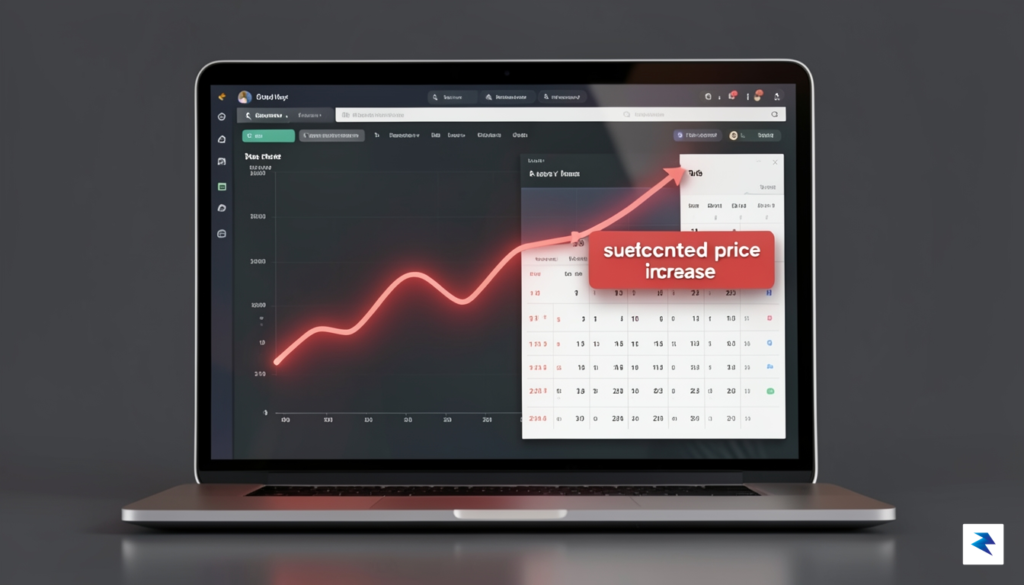
The ethical implications of prioritizing these algorithmic suggestions over confirmed customer loyalty are profound and often overlooked by the tech companies providing these tools. By automating the pursuit of maximum profit, the platforms have essentially incentivized a culture of transactional instability. When hosts prioritize a high-margin, last-minute booking over a guest who secured their stay months in advance, they undermine the foundational trust that allows the short-term rental economy to function. This shift toward prioritizing profit metrics over reliable service creates a precarious environment for travelers, who often find themselves caught in a tug-of-war between the terms of their original booking and a host’s sudden desire to follow the algorithm’s suggestion to pursue a higher market rate.
The reliance on dynamic pricing software has transformed the host-guest relationship from a service-based agreement into a volatile commodity market where human commitments are frequently subordinated to automated profit optimization.
Ultimately, while these tools are marketed as ways to help hosts remain competitive, they often act as catalysts for aggressive and unfair business practices. Travelers must recognize that when they book ahead of a major event, they are essentially entering a market that is being actively manipulated by software designed to ignore past commitments in favor of current demand. Understanding this algorithmic pressure is the first step for guests in recognizing that a demand for “more money” is rarely a personal request from the host, but rather the result of a system that actively encourages them to abandon loyalty in favor of immediate, inflated financial gains.
Strategies for Guests to Protect Their Bookings

The best defense against a predatory host is a proactive offense, starting long before you click “reserve.” When booking during high-demand periods like the World Cup or major holidays, scrutinize a host’s profile with heightened skepticism. Look for a track record of consistent, long-term hosting and read through recent reviews specifically to see if any guests mention last-minute cancellations or pricing disputes. If a listing seems too good to be true or has very few reviews, it may be a red flag that the host is inexperienced or potentially unscrupulous. Furthermore, always prioritize properties with “Superhost” status, as these individuals are held to stricter cancellation policies and platform standards that make it much riskier for them to attempt a coercive price hike.
Once you have identified a potential stay, the golden rule of Airbnb safety is to strictly enforce a “no off-platform communication” policy. Never move conversations to WhatsApp, personal email, or private text messages, regardless of how much more convenient a host claims it might be. Airbnb’s support team can only mediate disputes and enforce your original booking terms if they have a verifiable paper trail of every interaction within the official app. If a host attempts to steer you toward a personal channel, politely but firmly insist on keeping the conversation in the app to ensure your safety and compliance with platform terms.
If a host demands more money after a booking is confirmed, do not feel pressured to pay them via third-party apps like Venmo or PayPal. Once you step outside the Airbnb payment ecosystem, you lose all financial protections, and the platform will be unable to assist you if the host fails to honor the new, inflated price.
If you do receive an unsolicited demand for more money, remain calm and document everything immediately. Take screenshots of the message thread, the original booking confirmation, and the listing details, ensuring that timestamps are visible. Politely remind the host that you have a confirmed reservation at the agreed-upon price and that you intend to honor the terms of that contract. If they persist, contact Airbnb support immediately and provide them with the gathered evidence. Often, the mere threat of reporting the host for violating the platform’s “extortion” policy is enough to make them back down, as most hosts are unwilling to risk their account suspension or removal from the platform for the sake of a temporary windfall.
Navigating Airbnb Support During Disputes

When a host attempts to extort extra money under the threat of cancellation, the power dynamic of the platform can feel heavily skewed against you. It is vital to recognize that Airbnb’s terms of service strictly prohibit hosts from soliciting payments outside of the platform or holding a confirmed reservation hostage for a higher rate. If you find yourself in this position, your first move should always be to keep all communication strictly within the Airbnb messaging thread. Never agree to move the conversation to WhatsApp, email, or phone calls, as these channels are invisible to Airbnb’s support team and provide no record of the host’s attempt to violate platform policies.
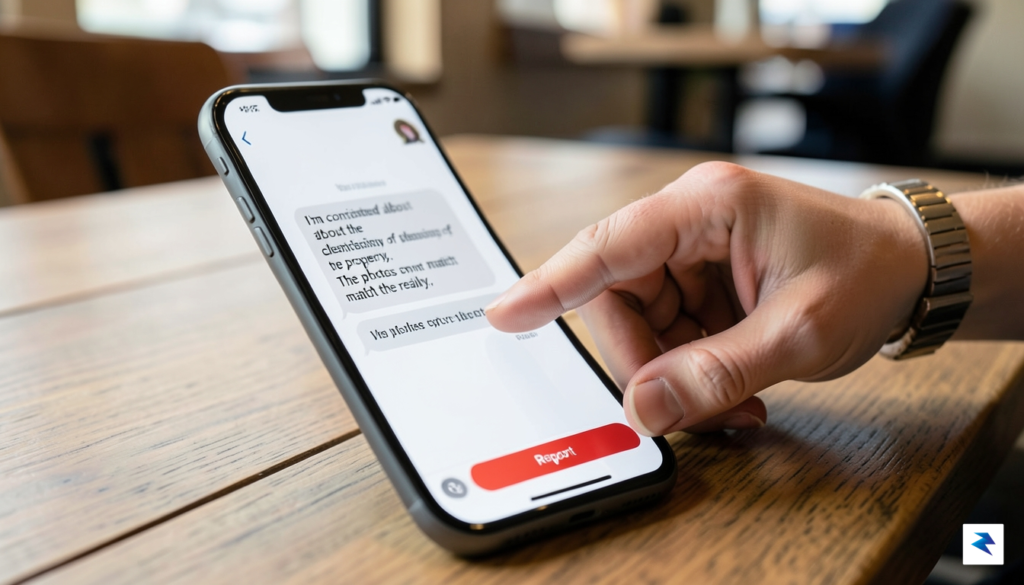
Once you have documented the threat, you must contact Airbnb support immediately to initiate a formal dispute. Do not feel pressured to click the “Cancel” button on your end, even if the host insists that you do so to “avoid fees” or “clear the calendar.” If you initiate the cancellation, you may trigger your own penalty clauses or lose your service fees, effectively doing the host’s dirty work for them. Instead, inform the host through the platform that you have a confirmed booking and expect them to honor it; then, contact Airbnb customer service to flag the reservation as being in jeopardy due to host non-compliance. By refusing to cancel voluntarily, you keep the burden of accountability on the host, which is essential if you want to be eligible for rebooking assistance or a full refund.
Important: Never cancel the reservation yourself if the host is demanding more money. By forcing the host to cancel, you ensure that they incur the penalties associated with host-initiated cancellations, which protects your standing on the platform and simplifies your case for a refund.
Navigating the support queue during high-demand periods like the World Cup requires a mix of persistence and clear, evidence-based communication. When speaking with an agent, provide a concise timeline of events, including the specific message where the host demanded additional funds. If the initial representative seems unhelpful, do not hesitate to politely request an escalation to a supervisor or a member of the “Trust and Safety” team. Emphasize that your travel plans are time-sensitive and that the host’s behavior constitutes a breach of the platform’s core booking guarantees. If the host remains non-compliant, demand that Airbnb honor their “AirCover” policy, which mandates that the platform assist you in finding comparable local accommodation if a host cancels or fails to provide the booked space.
Finally, keep a close eye on your email for any updates regarding your case status. Airbnb’s support system can be slow, especially during global events, so document every interaction and note the names of the agents you speak with. If the situation remains unresolved and the check-in date is approaching, continue to reiterate that you are a paying guest expecting the fulfillment of a contract. By standing your ground and leveraging the platform’s own policies, you significantly increase your chances of securing a safe place to stay without succumbing to the predatory demands of an opportunistic host.
The Future of Short-Term Rentals in Major Event Cities

The recurring trend of hosts unilaterally demanding price hikes ahead of high-demand events like the World Cup or the Olympics threatens to fundamentally undermine the core value proposition of the gig-economy travel model. When a platform is marketed on the promise of community connection and seamless accessibility, the sudden introduction of predatory pricing tactics erodes the consumer’s sense of security. Travelers book through these platforms expecting a reliable, contractual agreement; instead, they are increasingly met with a volatile marketplace where a confirmed reservation feels more like an option than a guarantee. As this “bait-and-switch” behavior becomes more publicized, the resulting erosion of trust may cause a permanent shift in how travelers perceive the reliability of independent rentals versus the predictability of traditional hotel chains.

To mitigate these risks, platform operators must move beyond passive mediation and implement more robust, enforceable protective policies. Currently, many platforms rely on reactive customer service teams that struggle to resolve disputes in real-time when a host holds a guest’s accommodation hostage for more money. Stricter enforcement mechanisms—such as automatic account suspension for hosts who attempt to solicit extra payments outside of the platform or punitive fees for cancellations made within a specific window of a major event—are essential. By shifting the burden of proof away from the guest and imposing severe financial consequences on bad actors, platforms could potentially restore the damaged reputation of the short-term rental sector. Without these structural changes, the platform risks becoming a secondary, high-risk option rather than a primary choice for global travelers.
The true cost of a booking isn’t just the nightly rate; it is the peace of mind that comes with knowing your accommodation is secure. When that certainty is compromised by platform volatility, the entire value proposition of the sharing economy collapses.
Ultimately, the choice between the unique, local experience of a short-term rental and the institutional stability of a hotel is becoming a gamble for many. If users continue to feel that their travel plans are subject to the whims of opportunistic hosts, they will likely return to traditional hospitality for the sake of consistency. Peace of mind is, after all, a luxury that most travelers are unwilling to sacrifice for the sake of a slightly cheaper price or a trendier living room. For short-term rental platforms to survive and thrive in a post-pandemic, event-driven travel landscape, they must prioritize the guest’s right to a stable contract above the host’s desire for dynamic profit maximization.