G7’s Strategic Mineral Push: What It Means for the Future of AI and Chips
The Strategic Nexus of Minerals and Modern Computing The architecture of the modern digital age, defined by the rapid evolution of artificial…
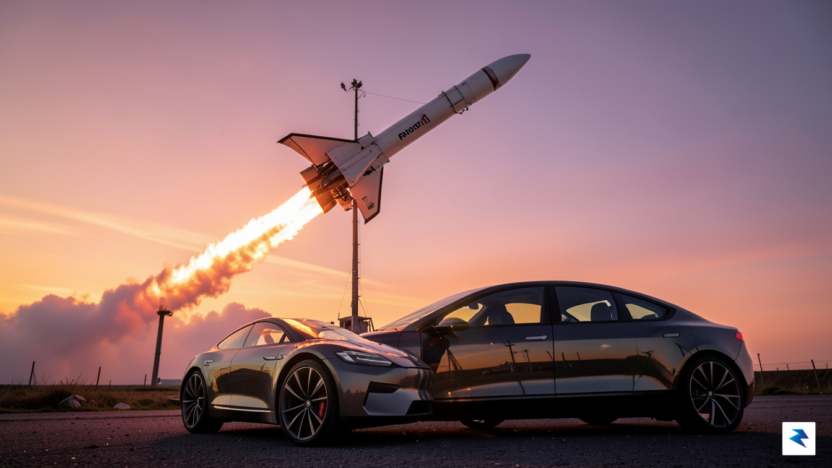
At the core of a potential merger lies the undeniable power of vertical integration, a strategy that has already defined the success of both companies. By bringing SpaceX’s aerospace engineering under the same corporate umbrella as Tesla’s mass-manufacturing ecosystem, Musk could effectively bridge the gap between terrestrial transportation and interplanetary logistics. This isn’t merely about sharing office space; it is about creating a unified supply chain where the rapid iteration cycles of SpaceX inform the automation of Tesla’s Gigafactories, and vice versa. When these two behemoths function as a single entity, the exchange of intellectual property—ranging from sophisticated battery management systems to advanced robotics—could drastically reduce overhead costs and accelerate the development timelines of next-generation hardware.
The technical cross-pollination possibilities are arguably the most compelling aspect of this theoretical union. Tesla has spent over a decade perfecting high-density battery packs and advanced AI-driven software, both of which are essential components for the future of space exploration. Integrating these technologies into SpaceX’s Starship platform could optimize power storage for long-duration missions, while SpaceX’s proprietary developments in materials science—such as high-strength, heat-resistant stainless steel alloys—could revolutionize the weight-to-durability ratio of Tesla’s electric vehicle chassis. By pooling their top-tier engineering talent, Musk would effectively eliminate the barriers that currently prevent aerospace breakthroughs from reaching the consumer automotive market.
The true “Master Plan” has always been about sustainable energy; combining these entities would create a self-sustaining loop of innovation where the profit from consumer vehicles funds the infrastructure for human expansion into the stars.
Beyond the nuts and bolts of manufacturing, this merger fits neatly into the narrative of Musk’s long-term “Master Plan.” For years, the entrepreneur has emphasized that the transition to sustainable energy is not limited to the surface of the Earth. A combined entity would consolidate the resources required to build a multi-planetary economy, leveraging Tesla’s AI and robotics expertise to solve the complex automation challenges inherent in extraterrestrial colonization. Ultimately, by unifying these two disparate titans, Musk would be positioning a single organization to control the entire value chain of the future: from the energy that powers our homes and vehicles to the propulsion systems that carry humanity beyond our atmosphere.

Merging two of the most influential entities in modern industry—Tesla, a publicly traded titan of the automotive sector, and SpaceX, a private aerospace powerhouse—would represent a corporate restructuring of truly historic proportions. Beyond the immense operational complexities, the primary hurdle lies in the intricate legal and governance architecture that keeps these companies distinct. While Musk has historically wielded significant influence over both boards, the fusion of a public company with a private one creates a friction point regarding fiduciary duties. Shareholders of Tesla, who are accustomed to quarterly transparency and market-driven oversight, would suddenly find their equity tied to the opaque, capital-intensive, and long-horizon nature of space exploration, a pivot that could trigger a wave of derivative lawsuits alleging that the board has failed to protect minority interests.
The governance paradox here is particularly acute. Musk has cultivated unique board structures that often grant him substantial latitude, yet even the most loyal directors would be hard-pressed to ignore the looming threat of shareholder litigation. Institutional investors, who hold massive stakes in Tesla, would likely view a merger as a dilution of their investment’s core value proposition. Even if Musk were to use his voting power to push the deal through, the legal discovery process in subsequent court challenges could expose internal valuations and strategic plans that both companies have preferred to keep under wraps. This is not merely a business decision; it is a potential test of the limits of corporate autonomy in the face of public market expectations.
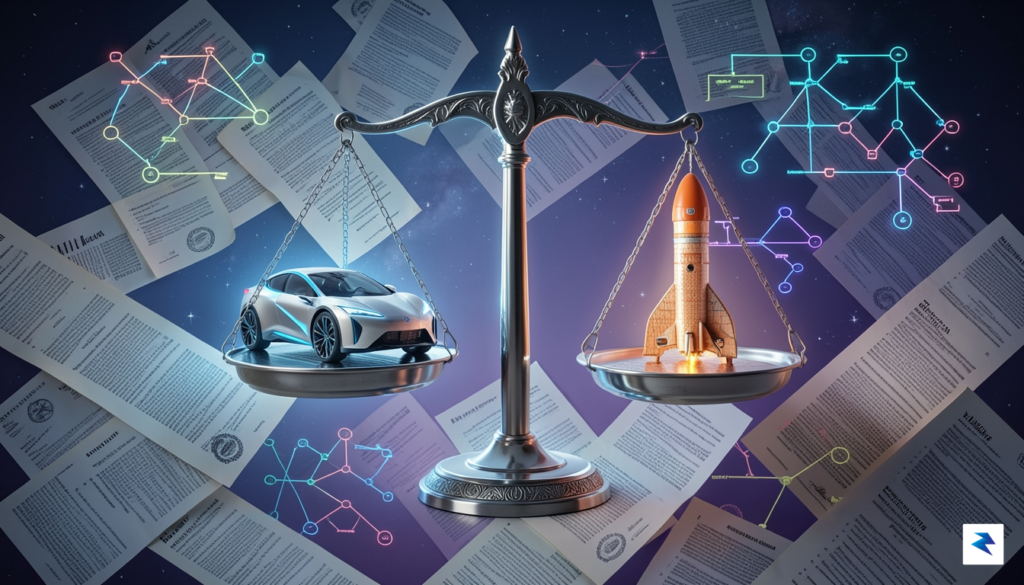
Should the deal move past the boardroom, it would immediately collide with the most formidable antitrust regulators in the world. The Federal Trade Commission (FTC) and the Department of Justice would be tasked with determining whether a vertical integration of this scale creates an insurmountable barrier to entry for competitors in the energy, battery, and satellite communications markets. Because SpaceX’s Starlink and Tesla’s vehicle connectivity could create a closed-loop ecosystem, regulators might argue that the merger would stifle innovation rather than accelerate it. Such scrutiny would not be limited to the United States; international bodies, including the European Commission, would likely launch deep-dive investigations, given the global reach of both companies’ operations.
The core of the antitrust argument would hinge on whether the combined entity would possess an ‘unfair advantage’ through access to proprietary technology, potentially forcing regulators to demand divestitures that could dismantle the very synergies Musk hopes to achieve.
Ultimately, the regulatory path forward is a labyrinth of unprecedented complexity. To succeed, Musk would need to navigate a landscape where the public interest—often represented by rigorous regulatory standards—clashes directly with his vision of a vertically integrated technological conglomerate. Whether the potential for a unified engineering powerhouse outweighs the legal risk of such a maneuver remains a point of intense speculation, yet one thing is clear: any path toward a merger would require a level of transparency and regulatory compliance that both companies have, until now, managed to circumvent with remarkable dexterity.
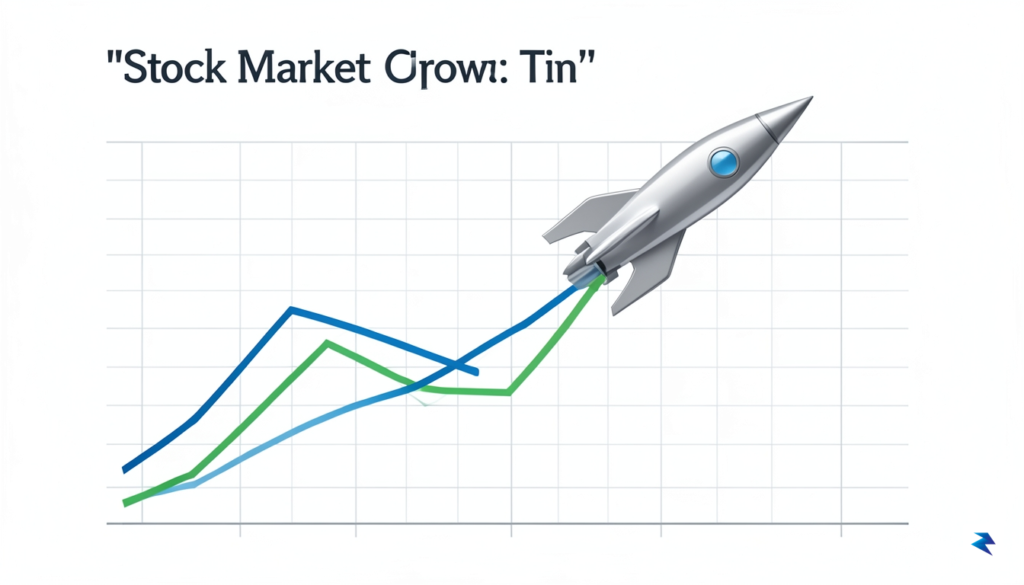
For investors, the prospect of a combined Tesla-SpaceX entity represents a fundamental departure from traditional asset classes, forcing a complete recalibration of portfolio risk and return expectations. Tesla, currently valued as a high-growth technology company with the manufacturing backbone of a global automaker, offers a degree of predictable cash flow that anchors its current market valuation. In contrast, SpaceX operates within the high-stakes, capital-intensive realm of aerospace and deep-space exploration, where timelines are notoriously long and technical failures can result in total loss of capital. By merging these two, the resulting hybrid asset would be unlike anything currently traded on the public markets, effectively forcing investors to choose between embracing an unprecedented “synergy premium” or fearing a “conglomerate discount” that often plagues firms with disparate, complex business models.
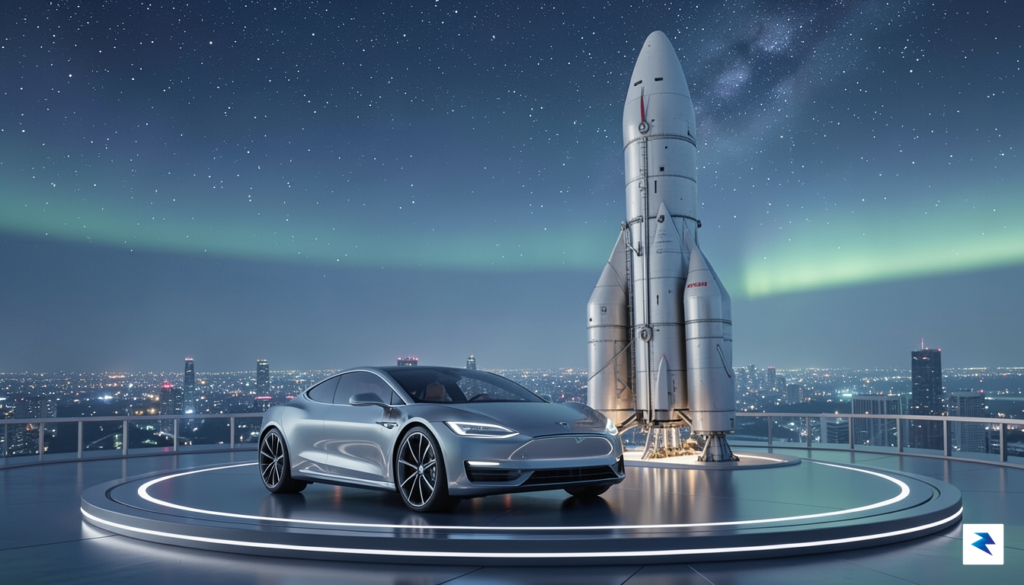
The market reaction to such a monumental move would likely be bifurcated. Institutional investors, who often rely on strict mandates regarding risk exposure and sector categorization, might be forced to rebalance their portfolios significantly. Because many funds are restricted to specific industry buckets, a unified aerospace-automotive giant would create a classification headache, potentially triggering a wave of short-term selling from risk-averse institutional holders. Conversely, long-term retail investors—many of whom already view Elon Musk as a visionary architect of the future—might flock to the stock, viewing the merger as an opportunity to gain exposure to the privatized space economy, which remains otherwise inaccessible to the general public.
“The integration of Tesla’s battery and AI expertise with SpaceX’s aerospace engineering could yield a vertical integration powerhouse, yet the volatility inherent in rocket science may overshadow the steady growth of the electric vehicle segment.”
Ultimately, the long-term implications for Tesla’s stock volatility are profound. If the market perceives the merger as a strategic alignment of resources—such as leveraging Tesla’s manufacturing prowess to scale satellite production or utilizing SpaceX’s materials science for vehicle chassis—the stock could command a premium as a “future-tech” conglomerate. However, if shareholders view the move as a dilution of Tesla’s core mission or a distraction from the hyper-competitive EV market, the stock could face significant downward pressure. The success of this hypothetical entity would hinge entirely on the ability of management to prove that the two businesses are greater than the sum of their parts, rather than two distinct engines of risk pulling the stock price in opposite directions.
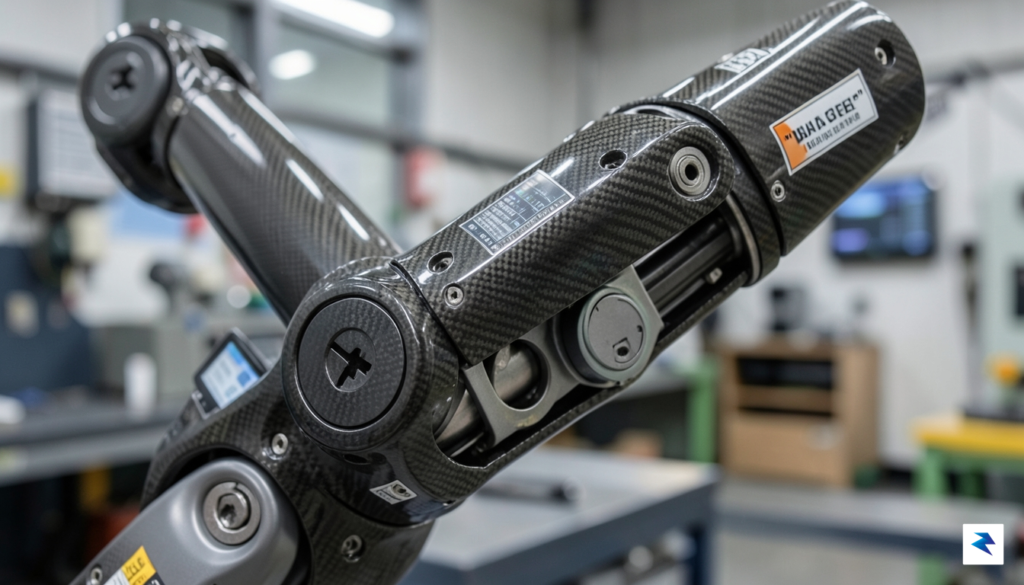
The most compelling argument for a structural consolidation of Tesla and SpaceX lies far beneath the surface of their respective balance sheets; it is found in the profound, undocumented engineering synergies that currently exist in parallel silos. By merging, these two titans could dismantle the barriers currently preventing the rapid cross-pollination of breakthrough technologies. For instance, the chemistry of energy storage—a field where Tesla has led the charge with its high-density lithium-ion packs—is the exact same bottleneck facing SpaceX’s orbital aspirations and its future Mars habitation goals. Integrating these R&D efforts would allow for a unified approach to battery management systems, potentially leading to lighter, more resilient power solutions that could survive the extreme thermal fluctuations of deep space while simultaneously extending the range and longevity of next-generation electric vehicles.
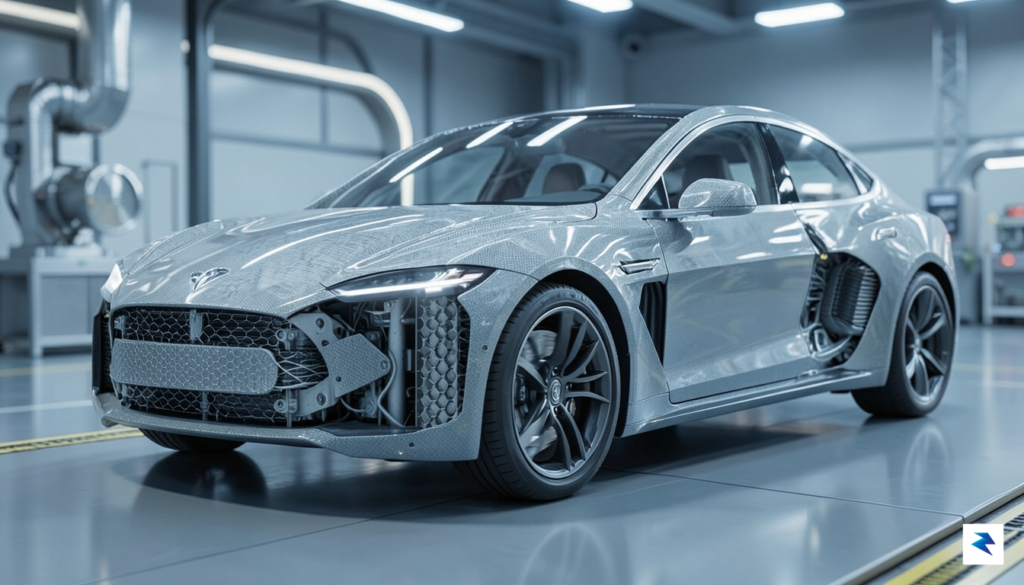
Beyond hardware, the software architectures governing these companies are rapidly converging toward a shared destiny. Tesla’s Full Self-Driving (FSD) stack, which relies on sophisticated neural networks and real-time computer vision, shares a fundamental logic with the autonomous navigation systems required for Starship to execute precision vertical landings. By merging the talent pools dedicated to these endeavors, the combined entity could foster a unified “Master Plan” for autonomy. This would not only accelerate the development of robotic systems capable of navigating the chaotic environments of Earth’s highways but also those meant to traverse the desolate, uncharted landscapes of other planets. A shared software infrastructure would mean that a breakthrough in edge-case processing on a California road could theoretically improve the landing reliability of a rocket on a Martian surface, creating a feedback loop of innovation that no standalone competitor could hope to match.
The true competitive advantage of such a merger is not in market consolidation, but in the creation of a singular, high-velocity engine for accelerated engineering that treats the Earth and the stars as a unified operational theater.
Furthermore, this integration would unlock unprecedented manufacturing efficiencies, particularly in the realm of specialized metallurgy and materials science. SpaceX has pioneered the development of proprietary alloys capable of withstanding the intense heat of atmospheric reentry, while Tesla has revolutionized the use of “giga-casting” to simplify vehicle production. A combined entity could bring these expertise areas together to manufacture ultra-lightweight, high-strength structural components that revolutionize both industries. By sharing manufacturing facilities and supply chains, the company could scale the production of advanced composite materials, significantly lowering costs for space exploration while simultaneously pushing the boundaries of automotive safety and efficiency. This synthesis of aerospace-grade durability and automotive-scale manufacturing would fundamentally redefine what is possible in the transport and energy sectors, effectively cementing a legacy of technological dominance across the solar system.
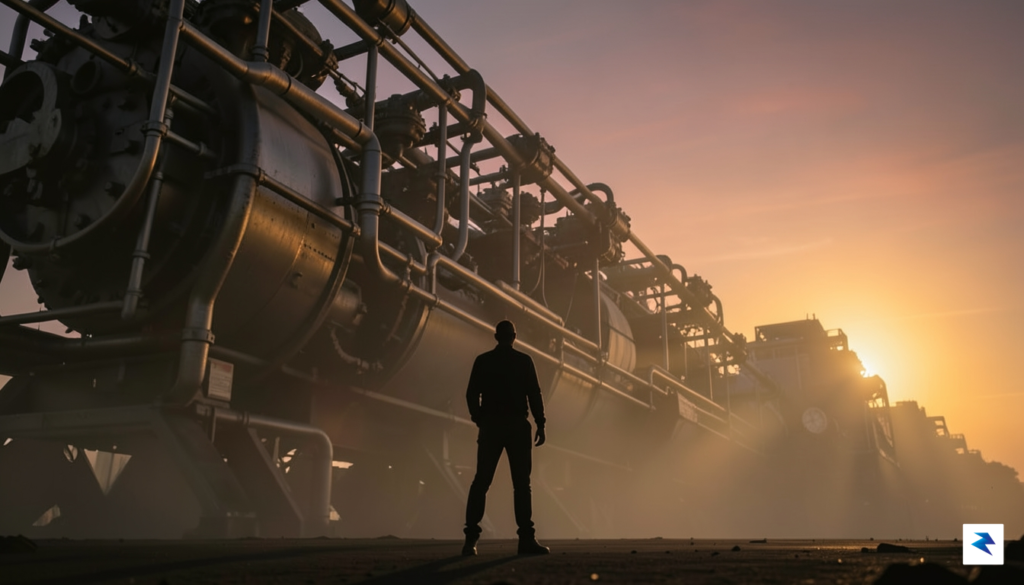
The prospect of merging SpaceX and Tesla into a single corporate behemoth introduces a profound layer of complexity that extends far beyond simple balance sheet consolidation. At the center of this hypothetical architecture lies the undeniable “Key Man” risk, embodied by Elon Musk himself. While Musk has demonstrated a rare ability to juggle multiple high-stakes ventures, the operational burden of steering two of the world’s most innovative companies under a unified umbrella would likely push the limits of even his legendary capacity for oversight. This concentration of executive power risks creating a single point of failure; should the organization’s primary visionary be sidelined by the sheer volume of tactical decisions, the lack of a distributed, autonomous management structure could lead to paralysis rather than synergy.
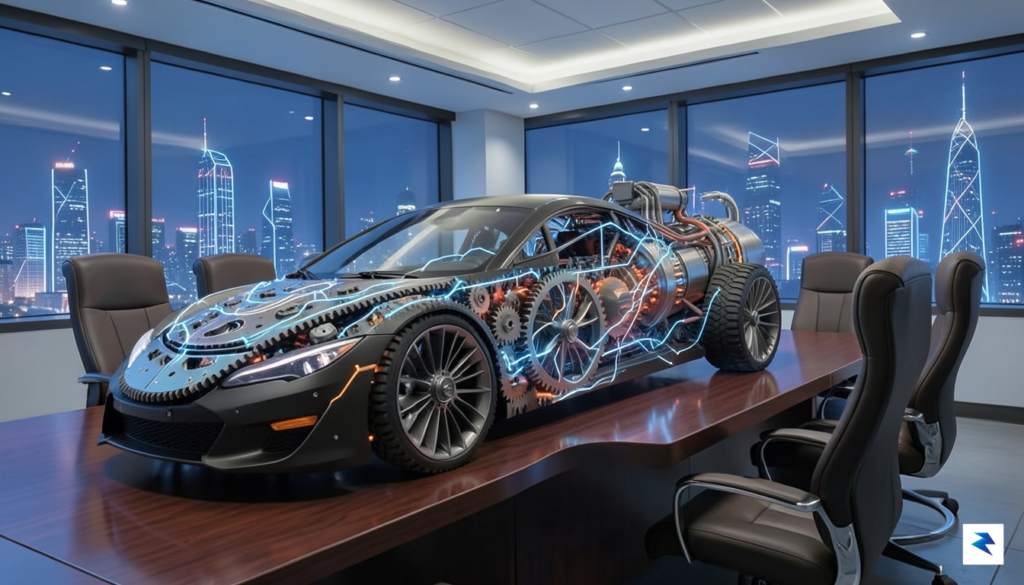
Beyond the logistical strain on leadership, there is a fundamental friction between the corporate cultures that define these two entities. SpaceX operates with the precision and long-term, mission-critical mindset of a high-stakes aerospace firm, where failure is measured in millions of dollars and human lives. In contrast, Tesla functions within the hyper-competitive, high-volume, and consumer-facing environment of the automotive and energy sectors, where rapid iterations and public perception dictate market success. Forcing these two divergent DNA strands to blend could inadvertently stifle the agility of both. A culture that prioritizes the rigorous, slow-burn engineering required for interplanetary travel may find itself at odds with the fast-paced, quarterly-earnings-driven reality of selling electric vehicles to the masses.
The true challenge of a super-conglomerate is not just the integration of assets, but the preservation of the unique cultural identity that made each company successful in its respective domain.
Scaling management across such disparate industries presents an even greater hurdle. While both firms rely on first-principles engineering, the regulatory environments, supply chain dependencies, and customer feedback loops are vastly different. Tesla is tasked with managing thousands of service centers and a complex global retail footprint, whereas SpaceX is essentially a B2G (business-to-government) enterprise focused on orbital launch services and satellite constellations. Integrating these operations requires a level of bureaucratic fluidity that is rarely achieved at such a massive scale. Ultimately, the long-term sustainability of this combined mission depends on whether the organization can remain decentralized enough to allow its specialized teams to thrive while simultaneously leveraging the economies of scale that a mega-merger promises. Without a clear framework for operational independence, the risk of “founder overreach” might transform a visionary strategy into an administrative quagmire that threatens the very breakthroughs these companies were created to achieve.
You must be logged in to post a comment.