
Beyond All Reason: Why This Free RTS Is the Spiritual Successor to Total Annihilation
What is Beyond All Reason? Beyond All Reason (BAR) has rapidly ascended to become one of the most compelling real-time strategy games of the…

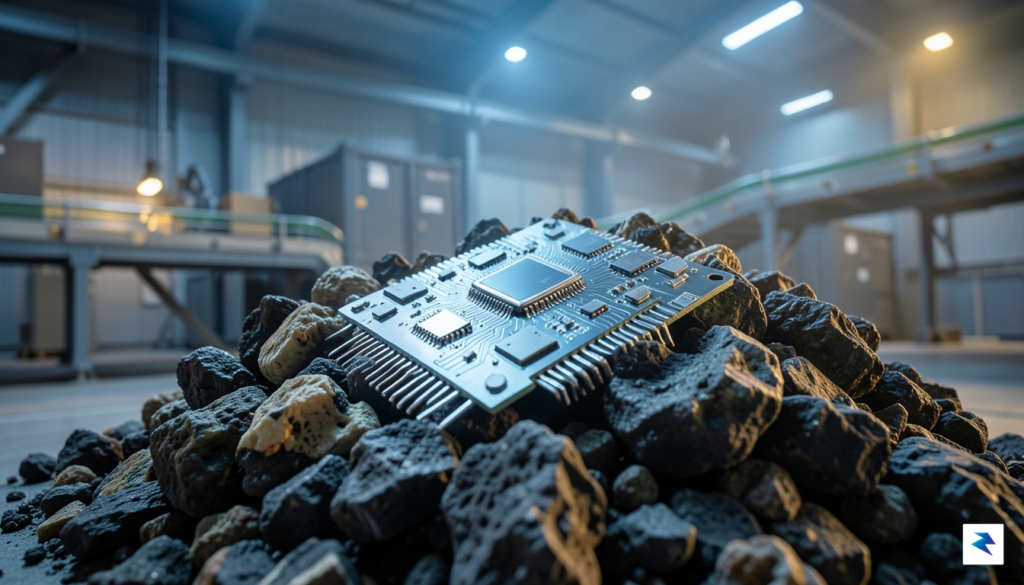
The architecture of the modern digital age, defined by the rapid evolution of artificial intelligence and high-performance computing, rests upon a surprisingly physical foundation: the periodic table. From the gallium used in high-speed semiconductors to the rare earth elements like neodymium and dysprosium essential for the magnets in high-efficiency motors, our technological prowess is inextricably linked to a finite supply of specialized minerals. As these materials become the “new oil” of the 21st century, the concentration of their processing capacity within a handful of jurisdictions has transformed from a standard commercial concern into a primary national security vulnerability. The global tech economy, which once prioritized the lowest possible production costs, is now forced to grapple with the reality that a localized supply chain disruption can stifle innovation across entire industries.

To mitigate these systemic risks, the G7 nations are shifting away from a purely market-driven procurement model toward a framework of state-backed strategic sourcing. This interventionist approach acknowledges that private capital, while efficient, often fails to account for the geopolitical externalities associated with mineral extraction and refining. By diversifying supply chains and investing in domestic processing capabilities, member states are attempting to decouple their technological future from volatile international dependencies. This is not merely an economic strategy; it is a defensive maneuver designed to insulate critical infrastructure—such as AI data centers, defense systems, and telecommunications networks—from the coercive potential of supply chain weaponization.
The transition from a globalized, “just-in-time” delivery model to a resilient, “just-in-case” resource security strategy marks the most significant shift in industrial policy since the post-war era.
Achieving this level of resilience requires more than just capital; it demands a fundamental rethinking of how nations partner with the private sector to secure the building blocks of modern computing. The G7’s recent initiatives are focused on creating a “minerals club” that emphasizes transparency, environmental standards, and long-term stability. By incentivizing the opening of new mines and, more importantly, expanding the capacity for midstream processing—where raw ores are converted into the high-purity materials required for microchips—governments are signaling to the market that sovereign stability takes precedence over short-term price fluctuations. As the world accelerates toward an AI-driven future, the ability to control these upstream resources will likely determine which economies lead the next wave of technological progress and which remain vulnerable to the whims of a fragile global supply network.
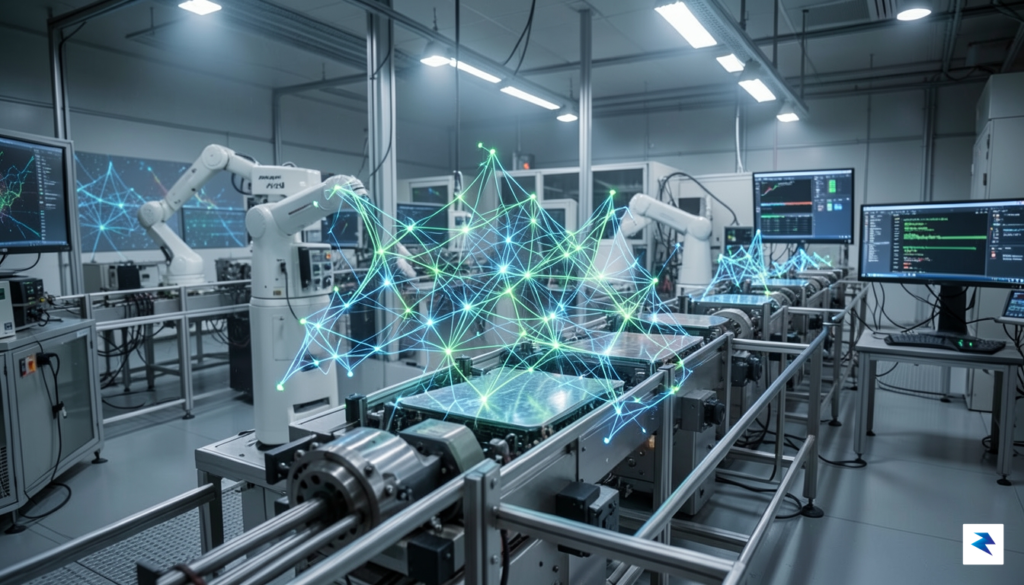
The meteoric rise of artificial intelligence is not merely a software revolution; it is fundamentally a hardware challenge that rests on a fragile foundation of specialized elements. At the heart of every high-performance GPU—the engines driving large language models—lies a complex tapestry of rare earth elements and critical minerals that are increasingly difficult to source. Gallium and germanium, for instance, are essential for manufacturing the high-speed semiconductors and advanced power electronics required for AI processing. Without a consistent supply of these materials, the fabrication of the next generation of chips stalls, directly impacting the computational power available to train and deploy complex neural networks.
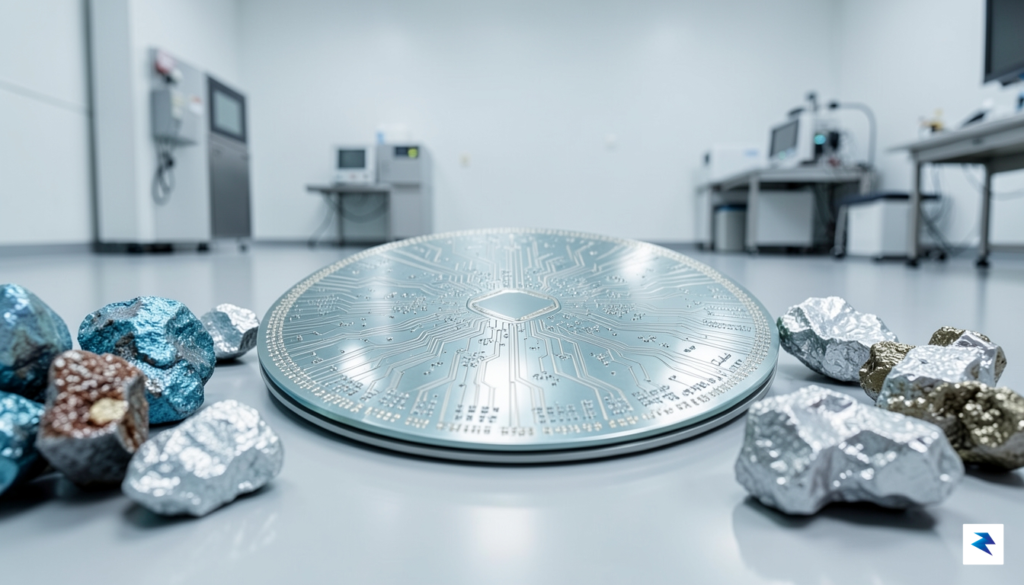
Beyond the silicon itself, the physical architecture of AI data centers relies heavily on high-strength permanent magnets, which are primarily composed of rare earth elements like neodymium and dysprosium. These magnets are vital for the ultra-efficient cooling fans and high-density power delivery systems that keep massive server farms from overheating while processing petabytes of data. As the intensity of AI workloads grows, the thermal management demands increase exponentially, making these specific minerals a non-negotiable requirement for hardware scalability. If a manufacturer cannot secure a stable supply chain for these components, they effectively lose their ability to scale, creating a stark divide between those who can build the hardware of the future and those relegated to the sidelines of the AI arms race.
The race for AI dominance is effectively a race for the periodic table; whoever controls the supply chain of critical minerals ultimately dictates the ceiling of global computational capacity.
This scarcity creates a significant bottleneck for data center expansion that ripples across the entire tech ecosystem. When access to raw materials is restricted or concentrated in a single geopolitical region, lead times for server components can extend from months to years, creating a “compute deficit” that hampers AI innovation. Furthermore, the reliance on these minerals means that sovereignty in the AI era is no longer just about software expertise or coding prowess; it is about the ability to command the physical resources necessary to turn silicon into intelligence. Consequently, G7 nations and major tech conglomerates are recognizing that securing these supply chains is not just an economic priority, but a fundamental prerequisite for maintaining national and corporate technological independence in an increasingly automated world.
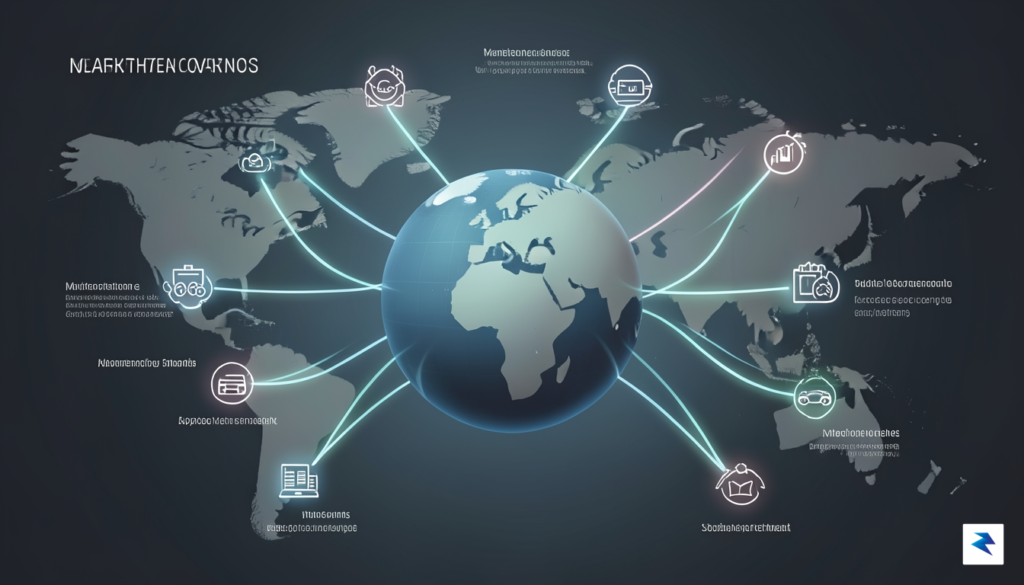
For decades, the global technology sector has operated under the assumption of seamless, low-cost access to raw materials, a luxury largely facilitated by China’s absolute dominance in the critical mineral market. By controlling the vast majority of global refining capacity for elements like lithium, cobalt, rare earth elements, and gallium, China has effectively acted as the world’s primary bottleneck for the semiconductor and artificial intelligence industries. This concentration of power has created a precarious geopolitical reality, where the rapid pace of technological innovation remains vulnerable to trade disputes, export restrictions, and shifts in diplomatic relations. Recognizing this vulnerability, the G7 nations have initiated a concerted effort to dismantle this over-reliance, aiming to establish resilient, diversified supply chains that can withstand the volatility of modern global politics.
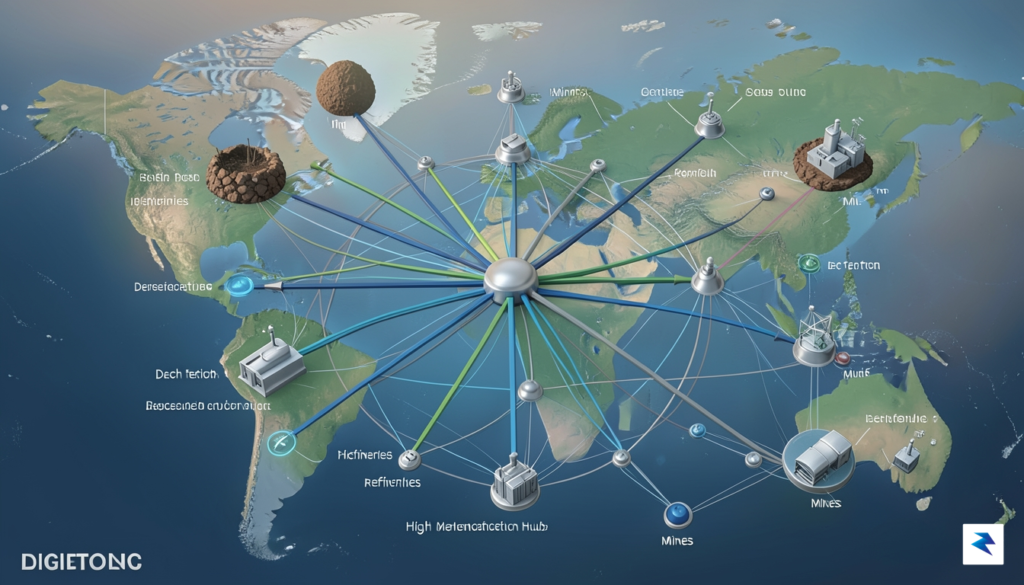
The impetus for this strategic pivot is rooted in national security and economic sovereignty. As AI and advanced computing become the foundational infrastructure of 21st-century power, the G7 understands that allowing a single geopolitical rival to control the “on-switch” for the hardware stack is an untenable risk. The shift toward “friend-shoring”—the practice of relocating supply chains to countries with shared political values—is designed to insulate critical industries from the threat of weaponized trade policies. By cultivating partnerships with mineral-rich nations in regions like South America, Africa, and Australia, the G7 hopes to create a more robust ecosystem that prevents any single state from holding the global economy hostage during periods of heightened tension.
“Diversifying supply chains is no longer merely a matter of economic efficiency; it is a fundamental requirement for maintaining technological autonomy in an era of systemic competition.”
However, the transition away from China-centric supply chains is fraught with significant structural hurdles. Building the necessary refining and processing infrastructure is an incredibly capital-intensive and time-consuming endeavor, often requiring years of environmental permitting, engineering, and workforce development before a single gram of refined material can be produced. Furthermore, the technical expertise and established logistical networks currently embedded within the Chinese industrial base are not easily replicated in other parts of the world. While the G7’s collective commitment marks a crucial turning point, industry leaders and policymakers must reconcile the immediate urgency of AI hardware demand with the long-term reality that building a truly independent critical mineral pipeline will be a multi-decade project. The road to resilience will be paved with both massive public investment and a fundamental reorganization of how the world sources its most essential building blocks for the digital age.
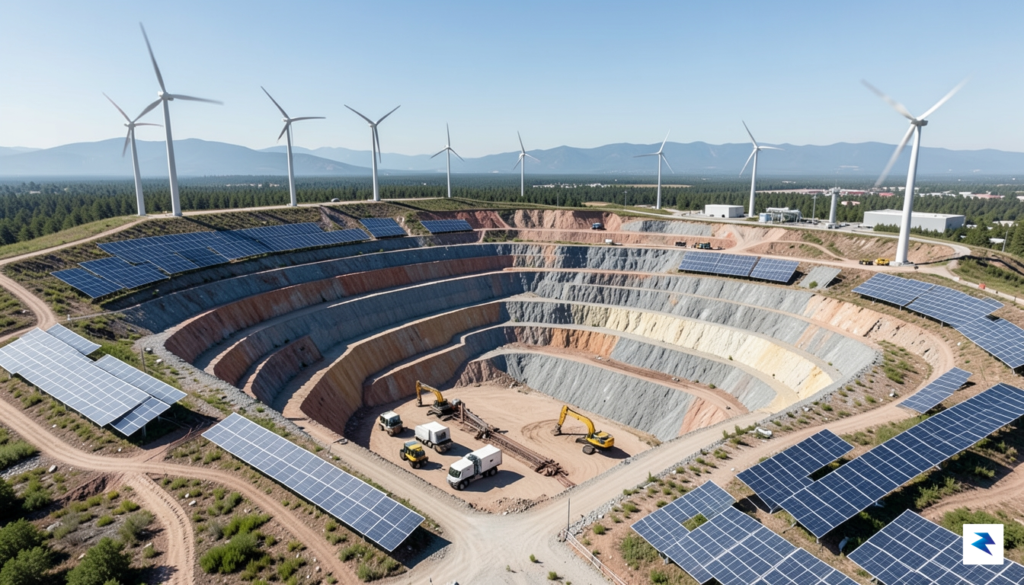
Securing a resilient supply of the rare earth elements and critical minerals necessary for artificial intelligence and advanced semiconductor manufacturing is an inherently capital-intensive endeavor. Because these projects often require years of geological surveying, complex permitting, and the construction of environmentally sustainable processing facilities, private equity has historically been hesitant to shoulder the risk alone. To bridge this gap, G7 nations are increasingly deploying sophisticated public-private partnerships. These collaborative frameworks aim to de-risk long-term investments by providing government-backed loan guarantees and direct equity participation, effectively signaling to the market that mineral independence is a top-tier national security priority.
Beyond traditional partnerships, Western governments are rewriting their tax codes to incentivize domestic and allied exploration. By offering aggressive tax credits for mineral extraction, refining, and the adoption of closed-loop recycling technologies, these nations are attempting to lower the barrier to entry for junior mining companies. Subsidies are being strategically directed toward “green” processing methods, ensuring that the surge in domestic supply does not come at the expense of environmental standards. These fiscal levers are designed not just to kickstart immediate production, but to foster a sustainable, long-term industrial ecosystem that can compete with existing global monopolies.
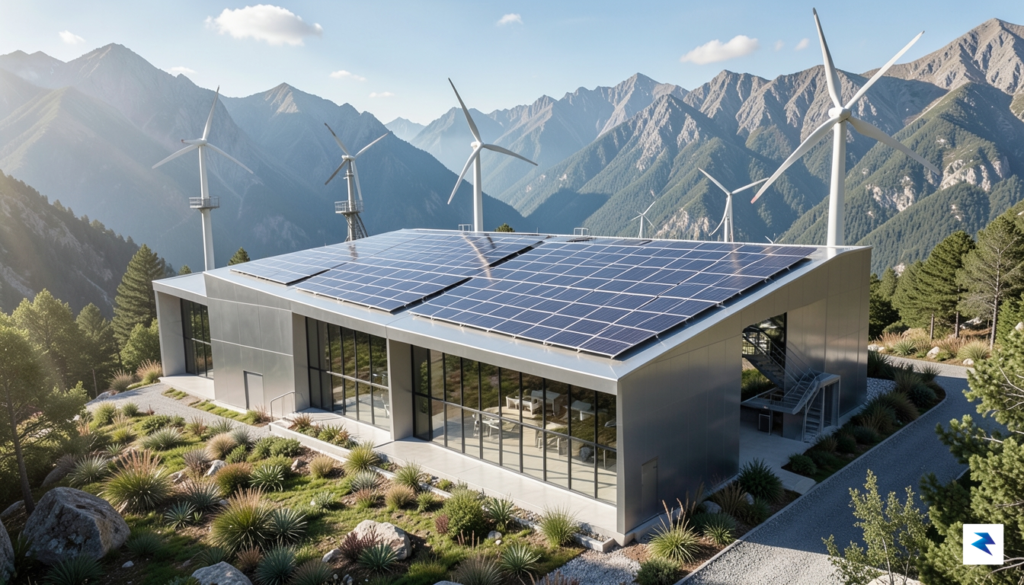
Furthermore, international development banks are playing a pivotal role in diversifying the supply chain by financing major infrastructure projects across Africa and South America. Rather than merely extracting raw materials, these institutions are now prioritizing funding for local processing hubs, which helps nations with mineral wealth move up the value chain while creating more reliable supply pipelines for G7 manufacturers. By providing low-interest capital for rail networks, power grids, and purification plants, these banks are helping to bypass current geopolitical bottlenecks.
The shift toward state-backed financing represents a fundamental transition from a purely market-driven model to a strategic, geopolitically informed approach to global resource management.
Ultimately, this multifaceted financial strategy seeks to create a geographically distributed and resilient network of suppliers. By lowering the cost of capital for projects in non-traditional regions and providing a safety net for private investors, G7 countries are building a robust foundation for the hardware that will power the next generation of AI innovation. This shift ensures that the digital future remains supported by a tangible, secure, and ethically sourced supply chain that is no longer prone to single-point-of-failure vulnerabilities.
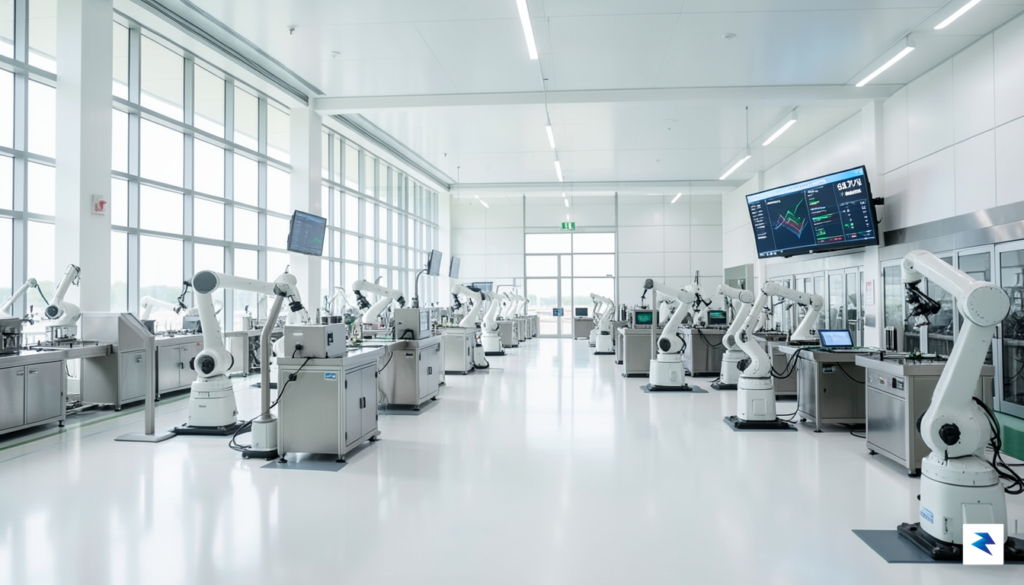
For decades, the Asia-Pacific (APAC) region has functioned as the undisputed nerve center for global electronics manufacturing, anchoring the complex supply chains that power everything from consumer smartphones to sophisticated artificial intelligence processors. However, the G7’s aggressive pivot toward securing critical mineral supply chains introduces a profound layer of instability for these established hubs. As nations move to diversify sourcing away from centralized dependencies, manufacturers in regions like Southeast Asia and East Asia face the dual challenge of sudden policy shifts and the urgent need to decouple their operations from traditional, non-aligned mineral providers. This transition risks creating localized bottlenecks, where existing factories—heavily optimized for current supply routes—may struggle to maintain output if the flow of gallium, germanium, or rare earth elements is disrupted by new geopolitical trade mandates.
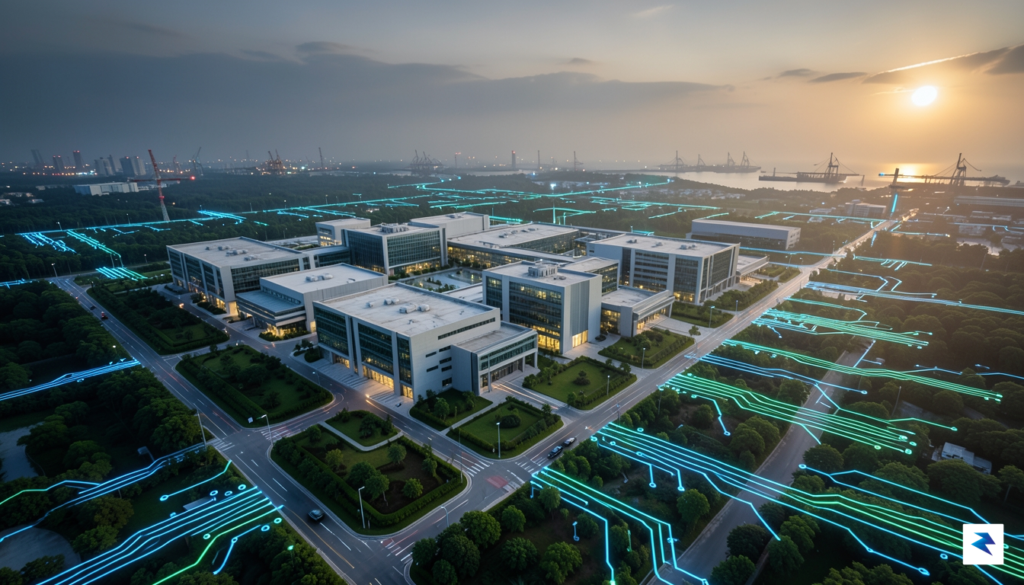
Consequently, we are witnessing a significant, forced restructuring of the regional manufacturing map. Many firms are beginning to shift their production footprints toward locations that offer greater compliance with the emerging mineral standards set by G7 economies. This move is not merely an operational pivot; it is a defensive maneuver designed to insulate production cycles from future export controls or sudden trade sanctions. By relocating or regionalizing parts of their assembly lines closer to mineral-secure markets, manufacturers hope to mitigate the risk of being caught in the middle of a systemic supply chain freeze. While this transition is costly and technically demanding, it is increasingly viewed as the only viable path to ensure long-term viability in an era of resource nationalism.
The reliability of raw material streams has become the new primary KPI for infrastructure resilience, forcing a fundamental rethink of where we build the backbone of the digital economy.
This volatility is also reverberating through the data center sector, where providers are currently performing rigorous stress tests on their hardware procurement pipelines. When selecting new sites for hyperscale data centers, operators are no longer looking exclusively at power costs or fiber connectivity; they are now auditing the mineral provenance of the server racks, cooling systems, and specialized AI accelerator chips they intend to deploy. If a specific region cannot guarantee a stable, compliant, and sustainable supply of the minerals necessary for high-performance computing components, it is increasingly being crossed off the list for future expansion. This shift represents a move toward geopolitical due diligence, where the stability of the supply chain is just as critical to a project’s success as the physical infrastructure itself. Ultimately, the APAC region must adapt to these new expectations, or risk seeing capital and critical tech investment migrate toward more transparent, mineral-secure jurisdictions.

Achieving total mineral independence for the global technology sector is a monumental challenge that will likely remain an aspirational goal rather than an immediate reality. While the G7’s strategic push aims to insulate supply chains from geopolitical volatility, the physical constraints of our current technological landscape—specifically our reliance on rare earth elements for semiconductors and high-performance computing—cannot be resolved overnight. Instead of absolute autonomy, the industry is shifting toward a model of “resilient interdependence,” where diversified sourcing, aggressive recycling initiatives, and breakthroughs in material science work in tandem to mitigate systemic risk. This transition is not merely about finding new mines; it is about fundamentally re-engineering the hardware stack to be less vulnerable to localized supply shocks.

A critical component of this long-term strategy involves the evolution of material science, where researchers are actively seeking “earth-abundant” alternatives to replace scarce materials currently essential for AI hardware. For instance, the development of new classes of semiconductors—such as those utilizing gallium nitride or advanced carbon-based structures—offers the potential to bypass the need for specific, hard-to-source elements. While these innovations are currently moving from the laboratory to the pilot stage, the timeline for widespread industrial adoption remains measured in years, if not decades. Achieving meaningful diversification requires massive capital investment in processing infrastructure, as many nations currently lack the domestic capacity to turn raw ore into the highly refined materials necessary for cutting-edge logic chips.
The path toward tech sovereignty is paved with both innovation and infrastructure; we are transitioning from a model of fragile efficiency to one of deliberate, strategic redundancy.
As these supply chains evolve, the impact on consumer technology will likely manifest as a stabilization of availability rather than a sudden drop in hardware costs. In the short term, the push for secure, ethical, and localized mineral sourcing may introduce modest inflationary pressures as industries transition away from the lowest-cost, centralized suppliers. However, the long-term trade-off is a more predictable ecosystem that is less susceptible to the sudden price spikes and manufacturing bottlenecks that have plagued the industry in recent years. By prioritizing a secure global mineral ecosystem, we are effectively buying “insurance” for the digital age, ensuring that the foundational components of artificial intelligence and advanced computing remain accessible even in a fractured geopolitical landscape.
Ultimately, the future of tech sovereignty rests on the ability to balance domestic security with the realities of global trade. A truly resilient supply chain will not be isolated from the world, but rather distributed across a network of trusted partners, utilizing advanced recycling and synthetic material alternatives to reduce overall dependence. As we move toward the next generation of hardware, the companies and nations that succeed will be those that view mineral resource management as a core pillar of their innovation strategy, ensuring that the engines of AI can continue to run without being tethered to any single point of failure.
You must be logged in to post a comment.