The Warsh Era: How the New Fed Chair is Rewriting the Rules of Communication
The New Era of Fed Communication The atmosphere inside the Federal Reserve’s press briefing room during Kevin Warsh’s inaugural appearance was…
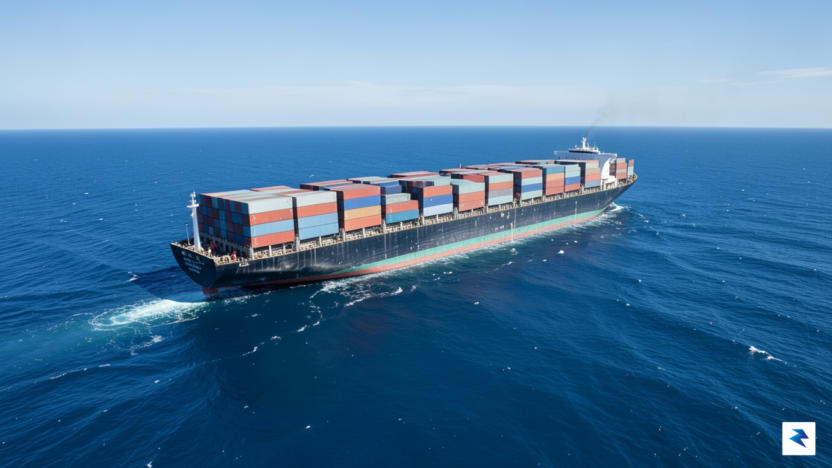
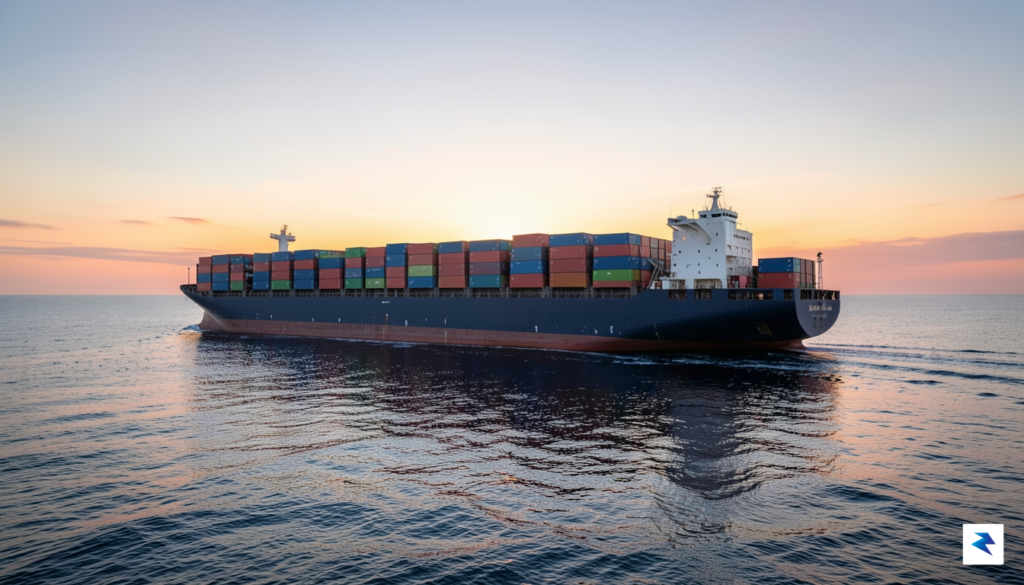
Global maritime trade acts as the invisible circulatory system of our modern civilization, moving billions of tons of raw materials, manufactured goods, and commodities across the oceans every year. While the public imagination often focuses on the colorful shipping containers stacked high on mega-vessels—filled with electronics, clothing, and furniture—these consumer goods represent only a fraction of what actually moves across the waves. In reality, the backbone of the global economy is built upon the heavy, bulk transport of raw energy. A staggering 40% of all maritime freight tonnage is comprised of fossil fuels, including crude oil, liquefied natural gas, and coal. This massive volume represents a unique logistical reality: our global trade network is not just delivering products to market, but is fundamentally dedicated to the constant, global distribution of the energy required to sustain that very same network.
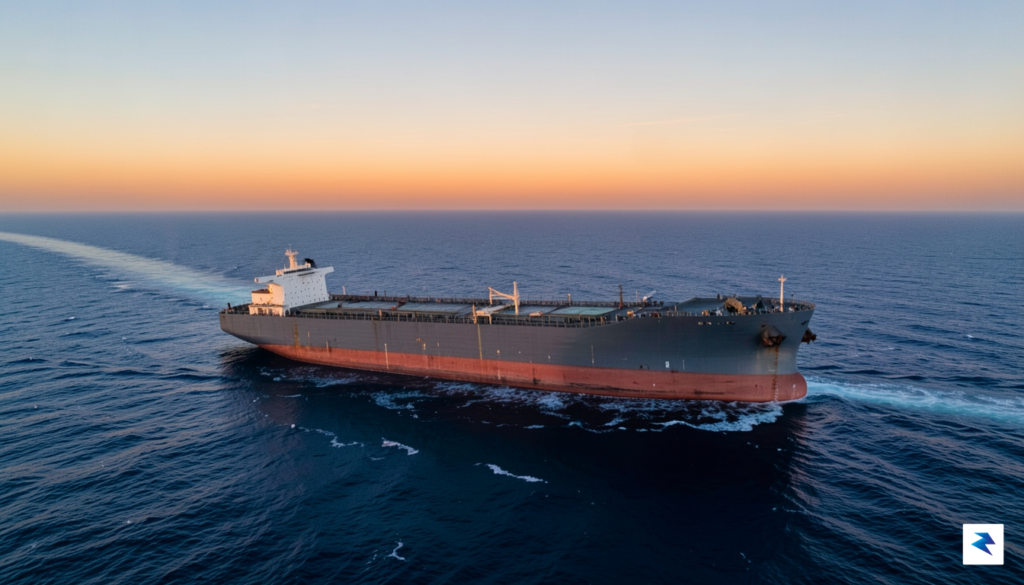
To understand the environmental footprint of this industry, one must distinguish between sheer mass—measured in tonnage—and energy intensity. Shipping is often lauded as the most carbon-efficient way to move goods on a per-ton basis, yet this statistic masks a deeper, more problematic reality. Because fossil fuels are incredibly dense and require specialized, energy-intensive vessels to transport, they account for roughly half of the total fuel consumed by the global shipping fleet. This creates a circular dependency that is rarely discussed in mainstream policy: we burn massive quantities of heavy fuel oil to transport fossil fuels across the globe, only to burn those transported fuels once they reach their destination. It is a carbon-intensive loop where the act of supply necessitates a perpetual, high-energy demand.
The true cost of global logistics is not found merely in the distance traveled by a finished product, but in the energy required to move the fuel that keeps the entire system in motion.
This cycle of energy dependence is further complicated by the geographic mismatch between extraction sites and consumption hubs. As long as global industry relies on concentrated pockets of fossil fuels, tankers and bulk carriers will remain the essential bridges connecting these points of origin to industrial centers. Consequently, the maritime sector finds itself in a difficult position: it is simultaneously the primary enabler of the global energy supply chain and a significant contributor to global emissions. Decoupling the transport of energy from the energy used to transport it is perhaps the greatest challenge facing maritime logistics today. Until we can shift the nature of what we move and how we power the vessels moving it, the shipping industry remains locked in a high-stakes, self-reinforcing pattern of consumption that defines the limits of our current economic model.
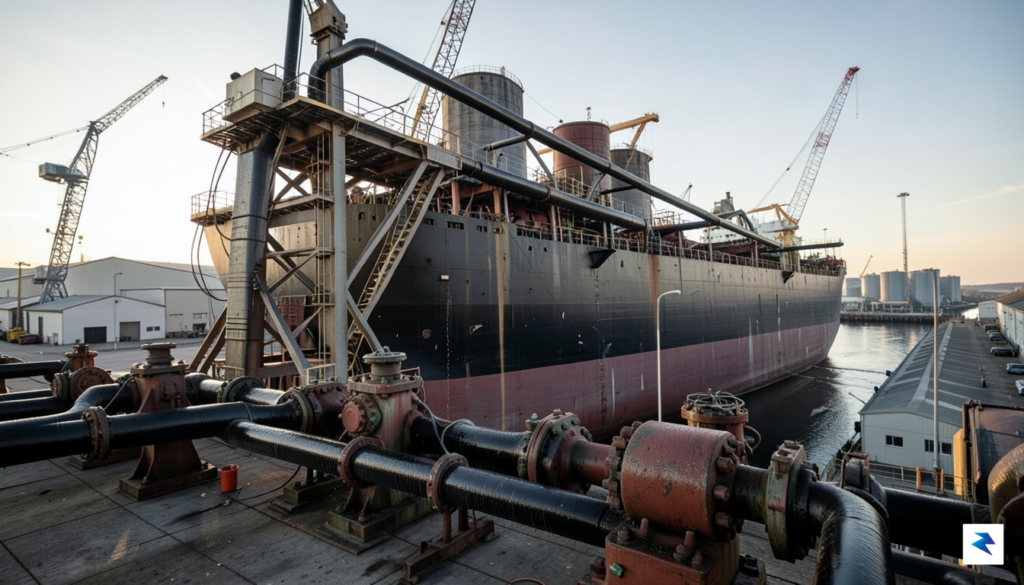
When we envision global freight shipping, our minds often conjure images of towering container ships, their decks stacked high with thousands of brightly colored boxes. These containers, indeed, carry the vast majority of finished goods, from electronics and apparel to toys and automotive parts, connecting producers to consumers across continents. However, this visible segment of maritime trade, while economically significant, represents only a fraction of the sheer tonnage moved across the world’s oceans each year. The true behemoths of global shipping, in terms of weight, are far less glamorous but utterly indispensable: bulk commodities.
The reality is that a staggering 40% of all maritime freight tonnage is comprised of fossil fuels. This isn’t just a statistical quirk; it reflects the fundamental energy demands of modern industrial civilization. Specifically, this dominant category includes crude oil, the raw material for refined fuels and petrochemicals; coal, a primary input for electricity generation and steel production; and liquefied natural gas (LNG), a cleaner-burning fuel increasingly used for power, heating, and industrial processes. These aren’t high-value consumer items but the very bedrock of global energy supply, fueling everything from power plants and factories to vehicles and homes.
This segment of shipping, often termed “bulk shipping,” operates largely out of sight, yet it forms the silent majority of maritime activity. Unlike diverse container loads, bulk carriers transport enormous quantities of a single commodity, filling vast holds with millions of tons of fuel. The economic efficiency of moving such massive volumes by sea is unparalleled, making it the only viable method to bridge the immense distances between energy production zones and consumption hubs. Without this constant flow, industrial economies would grind to a halt, underscoring its critical role beyond mere percentages.
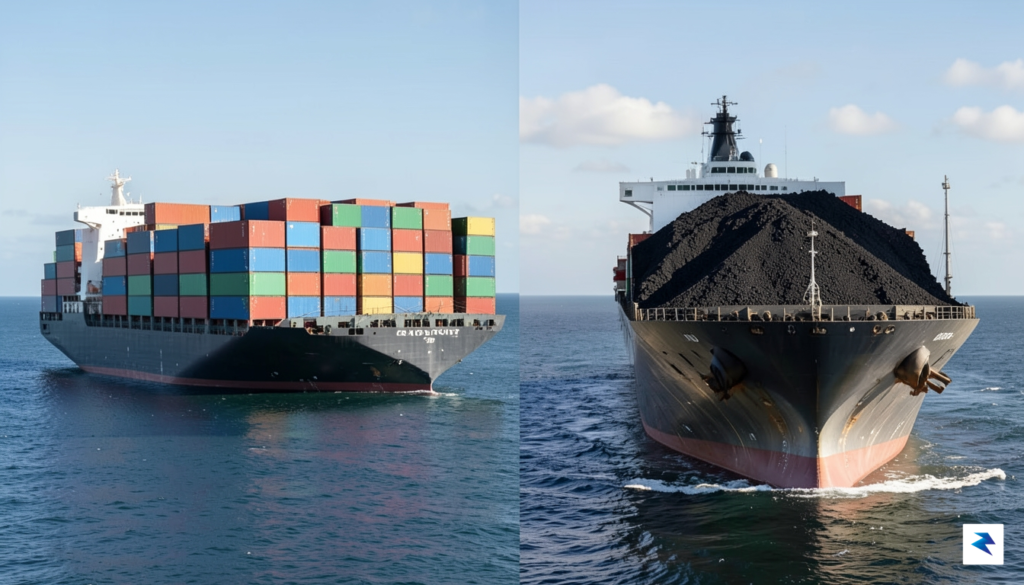
The geographical distribution of energy resources further clarifies why fossil fuel transport dominates. Major oil and gas fields are concentrated in regions like the Middle East, Russia, and North America, while significant coal reserves are found in places such as Australia, Indonesia, and the United States. Conversely, many of the world’s largest energy consumers – densely populated industrial powerhouses in Asia and Europe – possess limited domestic energy production or have increasing demands that outstrip their local supply. This fundamental mismatch necessitates a vast, intricate network of supertankers, bulk carriers, and LNG carriers constantly traversing oceans, ensuring that energy flows from where it’s found to where it’s desperately needed.
Therefore, while the container ships capture our imagination with their diverse cargo, it is the less visible, yet immensely significant, movement of fossil fuels that truly underpins the global economy. This continuous, colossal transfer of crude oil, coal, and LNG by sea is not merely about transporting goods; it’s about sustaining the energy grid, powering industries, and quite literally fueling the modern world. Understanding this distinction is crucial to grasping the true scale and impact of maritime shipping and its intricate relationship with global energy consumption.
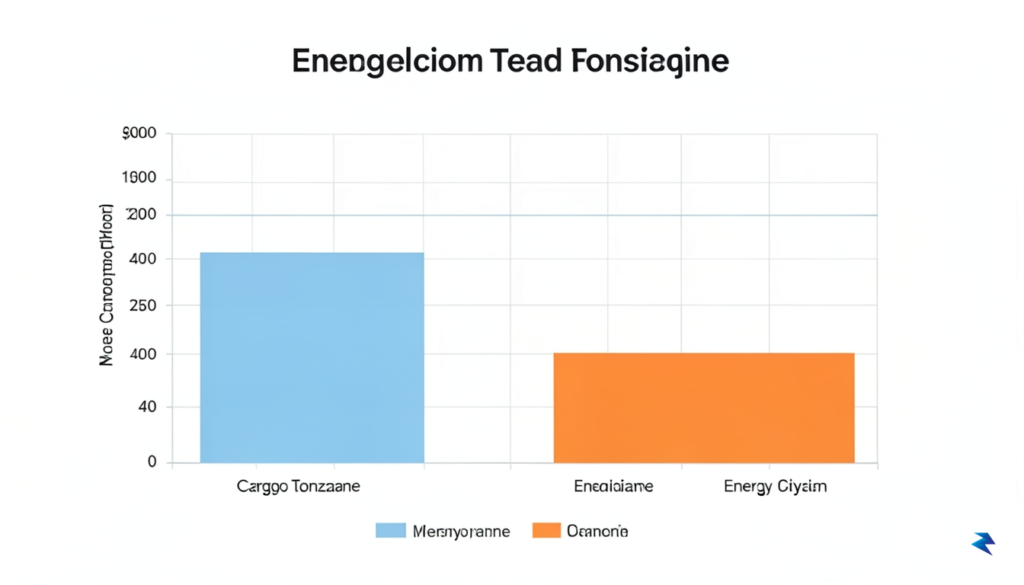
The maritime logistics industry operates on a deceptively simple premise: moving goods from point A to point B. However, the physical reality of transporting fossil fuels—crude oil, liquefied natural gas, and coal—creates a profound energy feedback loop that often goes unnoticed by the public. While these commodities account for approximately 40% of the total tonnage moved across the world’s oceans, they demand nearly half of the global shipping industry’s total fuel consumption. This disparity is not merely a logistical quirk; it is a fundamental thermodynamic challenge where the energy required to deliver the cargo significantly erodes the net energy available to the end-user.
When we evaluate the Energy Return on Investment (EROI) for fossil fuel shipping, we find a sobering efficiency bottleneck. Transporting massive volumes of dense, heavy commodities requires specialized vessels—Very Large Crude Carriers (VLCCs) and bulkers—that are designed for maximum capacity rather than speed. Because water resistance increases exponentially with vessel mass and displacement, these ships must burn enormous quantities of heavy bunker fuel to overcome drag. Consequently, a significant percentage of the energy content contained within the cargo itself is essentially “consumed” during transit, effectively forcing the global economy to burn carbon simply to facilitate the movement of more carbon.
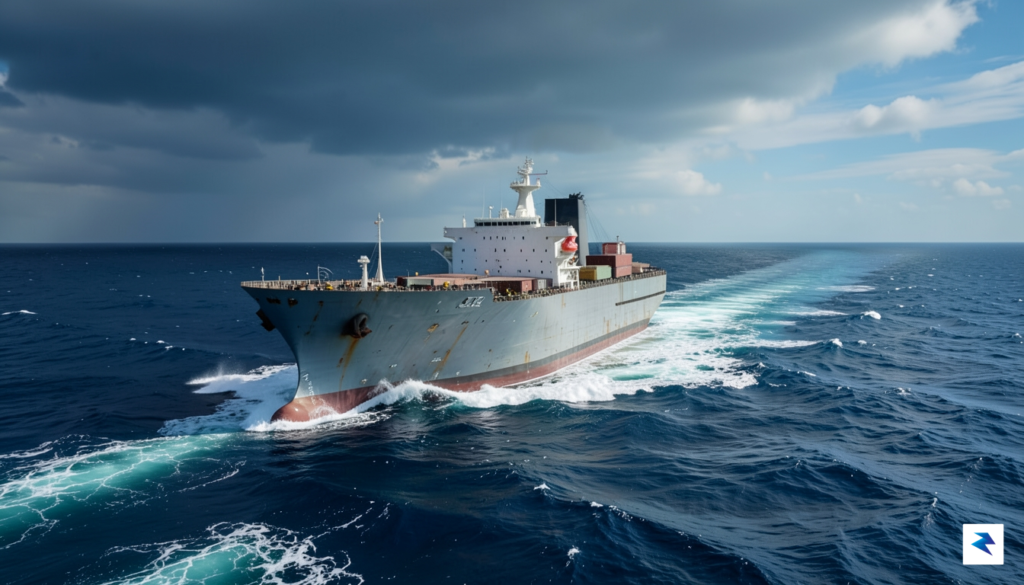
The technical mechanics of this consumption are tied directly to the weight-to-drag ratio of maritime shipping. Unlike smaller, lighter consumer goods packed into standardized containers, fossil fuels are shipped in bulk, pushing the vessel deep into the water and maximizing hull friction. To maintain the necessary speed to keep global supply chains functioning, these ships must run their massive two-stroke engines at high output, leading to high-intensity fuel consumption. This creates a vicious cycle: the heavier the cargo, the more bunker fuel is needed to reach the destination; the more fuel needed, the more “non-productive” cargo capacity must be sacrificed to carry the fuel itself.
The reliance on fossil fuels to power the transport of fossil fuels represents a systemic inefficiency that acts as a hidden tax on global energy systems, consuming a vast share of maritime fuel just to keep the supply chain in motion.
Furthermore, the environmental impact is compounded by the nature of the fuel burned by these transport ships. Often utilizing low-grade bunker oil, these vessels emit high levels of sulfur and nitrogen oxides, creating a disproportionate carbon footprint relative to the value of the goods being transported. When we consider that nearly 50% of the industry’s fuel demand is locked into this single category of freight, it becomes clear that any transition toward decarbonization in shipping must prioritize the reduction of this specific energy-intensive loop. Without shifting toward alternative propulsion or optimizing the logistical pathways for these fuels, the maritime sector will continue to expend half its energy output simply to sustain its own dependence on carbon-based commodities.
Breaking the maritime sector’s deep-seated reliance on fossil fuels represents one of the most formidable hurdles in the global energy transition. The sheer scale of global freight shipping, coupled with the inherent characteristics of the industry, creates a complex web of challenges. Ships are capital-intensive assets with lifespans often stretching for decades, meaning today’s newly built vessel will still be plying the oceans in 2050. This longevity clashes directly with the urgent need for rapid decarbonization, as replacing or extensively retrofitting the existing global fleet of over 90,000 commercial vessels is a monumental undertaking, both financially and logistically. Furthermore, the entire global shipping infrastructure, from bunkering ports to engine designs, is deeply rooted in liquid fossil fuels, necessitating a radical rethink across the entire value chain.
The quest for viable alternative fuels is paramount, with several contenders emerging to challenge traditional bunker fuel. Methanol, for instance, offers the advantage of being liquid at ambient temperatures, making its handling and storage more akin to current practices. However, for methanol to be truly ‘green,’ it must be produced from renewable sources or captured carbon, otherwise, it merely shifts the emissions upstream. Ammonia, on the other hand, holds promise as a completely carbon-free fuel at the point of combustion, but it presents significant challenges related to its toxicity, requiring specialized safety protocols and infrastructure. Hydrogen, while offering the ultimate clean burn, faces hurdles in terms of energy density, cryogenic storage requirements, and the massive infrastructure investment needed for its production and distribution.
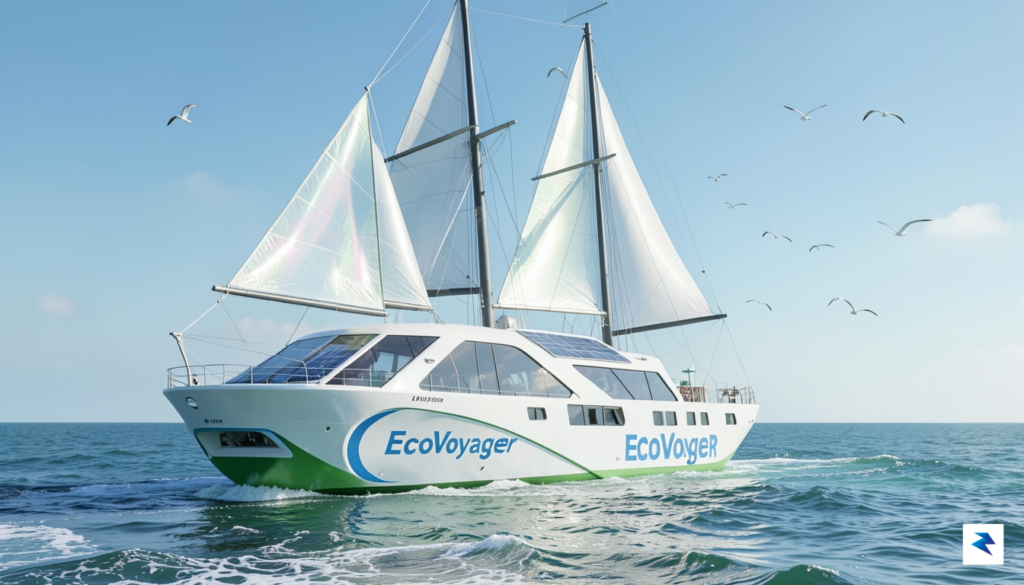
Beyond the primary fuel source, immediate gains can be made through enhancing operational efficiency. Wind-assist technologies, such as modern sails, rotor sails, and kites, offer a tangible way to harness renewable energy and reduce fuel consumption on existing vessels. These systems can provide significant auxiliary propulsion, especially on long voyages, without requiring fundamental changes to the ship’s primary engine. Similarly, slow-steaming, a practice where vessels reduce their speed, has been proven to dramatically cut fuel use and associated emissions. While it increases transit times, the fuel savings are exponential, offering a readily available and cost-effective decarbonization lever that can be implemented across much of the current fleet.
However, the transition isn’t merely a matter of technological invention; immense logistical and infrastructural challenges loom large. Retrofitting the existing fleet with new engines or alternative fuel tanks is a costly and time-consuming endeavor, often requiring ships to be taken out of service for extended periods. Building new ships with dual-fuel or alternative-fuel capabilities is an option, but the uncertainty around which fuel will dominate the future market makes shipowners hesitant to commit fully. Furthermore, developing the global infrastructure for producing, storing, and bunkering these new fuels at scale, from renewable energy plants to port facilities worldwide, represents an investment challenge of unprecedented proportions, demanding coordinated efforts from governments, industry, and financial institutions.
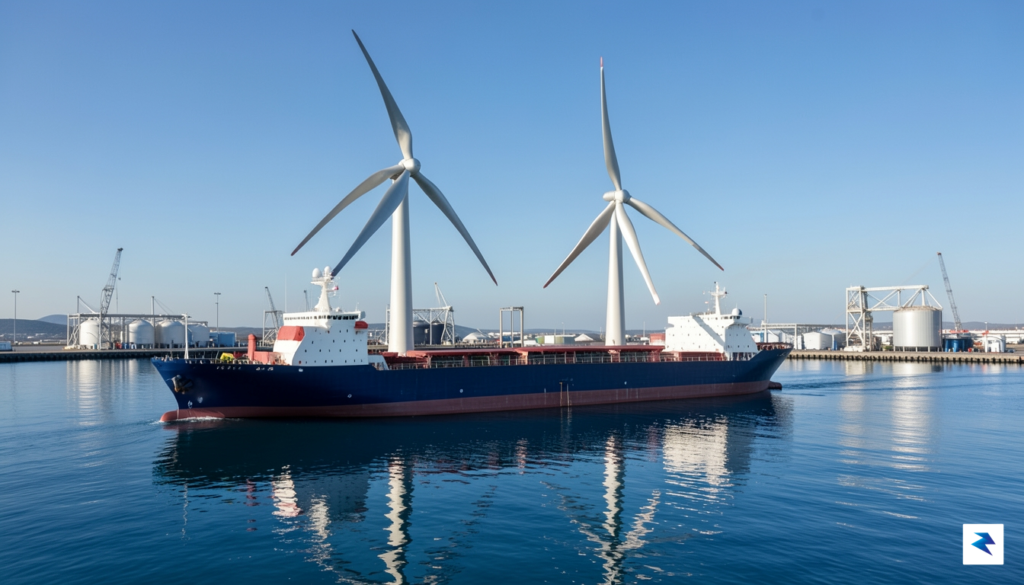
Addressing these monumental challenges necessitates robust policy frameworks and international cooperation. The International Maritime Organization (IMO) plays a critical role in setting global emissions targets and regulations, such as the Carbon Intensity Indicator (CII) and the Energy Efficiency Existing Ship Index (EEXI). However, more ambitious and globally consistent carbon pricing mechanisms, alongside incentives for the adoption of green technologies and fuels, are essential to accelerate investment and drive change. Without clear, long-term regulatory signals and financial support, the shipping industry will struggle to make the necessary multi-billion-dollar investments required to move away from its deeply entrenched fossil fuel dependency and navigate towards a truly sustainable future.

The maritime industry stands at a precarious crossroads where its primary revenue stream is inextricably linked to the very substances that the global climate agenda seeks to eliminate. For decades, the global supply chain has functioned as a closed loop of carbon dependency, where a massive portion of the world’s fleet is dedicated solely to transporting the coal and crude oil required to power both the global economy and the ships themselves. As the transition to renewable energy accelerates, the demand for these traditional fossil fuels will inevitably wane, creating a structural crisis for shipping conglomerates that have long relied on high-volume, long-haul energy transport. This shift is not merely a matter of environmental policy; it is a fundamental reconfiguration of global trade economics that will render outdated business models obsolete.
However, the decline of fossil fuel shipping does not equate to the end of maritime commerce, but rather its radical transformation. We are currently witnessing a shift in the composition of global freight, where raw energy commodities are being replaced by the hardware of the green revolution. The future of shipping will be defined by the movement of lithium, cobalt, nickel, and massive components for offshore wind farms and solar arrays. Unlike the concentrated, heavy flow of oil, these new commodities require more complex logistics and specialized vessel types, which will force maritime operators to rethink their fleet architecture. This transition presents a unique paradox: the shipping industry must burn less carbon to deliver the very materials that will enable a post-carbon world.
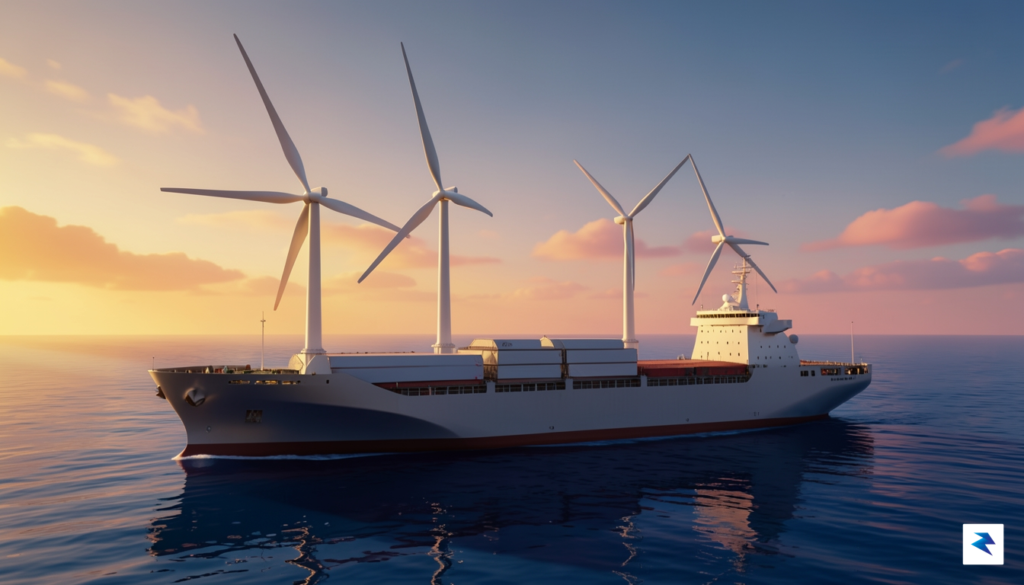
The maritime industry’s survival in a decarbonizing world hinges on its ability to decouple its operational profitability from the volume of liquid fuel it transports.
Innovation in propulsion technology is the final, non-negotiable piece of this complex puzzle. To remain viable, the industry must pivot toward efficiency gains—such as wind-assisted propulsion, hull optimization, and green ammonia or hydrogen fuels—to reduce the energy intensity of every ton moved. If shipping companies continue to operate under the assumption that they can simply pass rising carbon costs onto the consumer, they will quickly lose their competitive edge against land-based alternatives and localized production models. Ultimately, the winners of this transition will be those who view the global energy shift as an opportunity to modernize their fleets, digitize their logistics, and embrace a leaner, more sustainable model of international trade that prioritizes efficiency over the sheer, carbon-heavy volume that defined the 20th century.
You must be logged in to post a comment.