The Evolution of Hollywood Talent Representation

For much of the last two decades, the boundary between “traditional” Hollywood talent and internet creators was treated as an impenetrable wall. Major agencies like Creative Artists Agency (CAA) operated under a rigid, legacy-driven hierarchy that prioritized actors, directors, and screenwriters who had climbed the conventional ladder of studio auditions and television pilots. During this era, digital content creators—often dismissed as mere “YouTubers” or transient social media personalities—were relegated to the periphery of the industry. They were viewed as a separate, lesser category of entertainment, operating in a Wild West environment that many studio executives and legacy agents considered beneath the dignity of high-level talent representation.
This dismissive attitude was rooted in a fundamental misunderstanding of where cultural influence actually lived. While Hollywood executives focused their attention on the metrics of cable television ratings and box office opening weekends, a seismic shift was occurring in the pockets of millions of viewers. Audiences were migrating away from linear programming toward personalized, creator-led content that offered a level of intimacy and authenticity that traditional studio products simply could not replicate. The industry’s initial hesitation to embrace these digital pioneers was not merely a matter of snobbery; it was a systemic failure to recognize that the platform—whether it was a soundstage or a smartphone screen—had become secondary to the strength of the audience connection.

The transition we are witnessing today is not merely a cosmetic change in agency rosters, but a deep structural pivot driven by undeniable economic realities. Agencies have been forced to confront the reality that the biggest audiences on the planet no longer reside within the confines of traditional broadcasting. As major advertisers shifted their budgets toward influencer marketing and branded content, legacy firms realized that ignoring the digital landscape was a threat to their own survival. Integrating digital-first talent into core rosters is no longer seen as a risky experiment or a passing fad; instead, it is now viewed as the primary driver of modern cultural influence and a necessary evolution for firms aiming to maintain their relevance in an increasingly fragmented media ecosystem.
The most successful talent agencies today understand that influence is no longer bestowed by a studio contract, but earned through direct, consistent engagement with a digital community.
Ultimately, this change represents a maturation of the entire entertainment business. By dismantling the artificial divide between “screen talent” and “digital creators,” agencies are finally acknowledging that the audience decides what constitutes prestige. As these creators move from viral video clips to starring in major motion pictures, executive-producing television series, and launching massive consumer brands, the industry has shifted its focus from gatekeeping to integration. The modern agent’s role has evolved into that of a brand architect, helping creators navigate the transition from platform-specific success to long-term, multi-hyphenate careers that command respect across every corner of the entertainment world.
Why Traditional Agencies are Pivoting to YouTube Creators
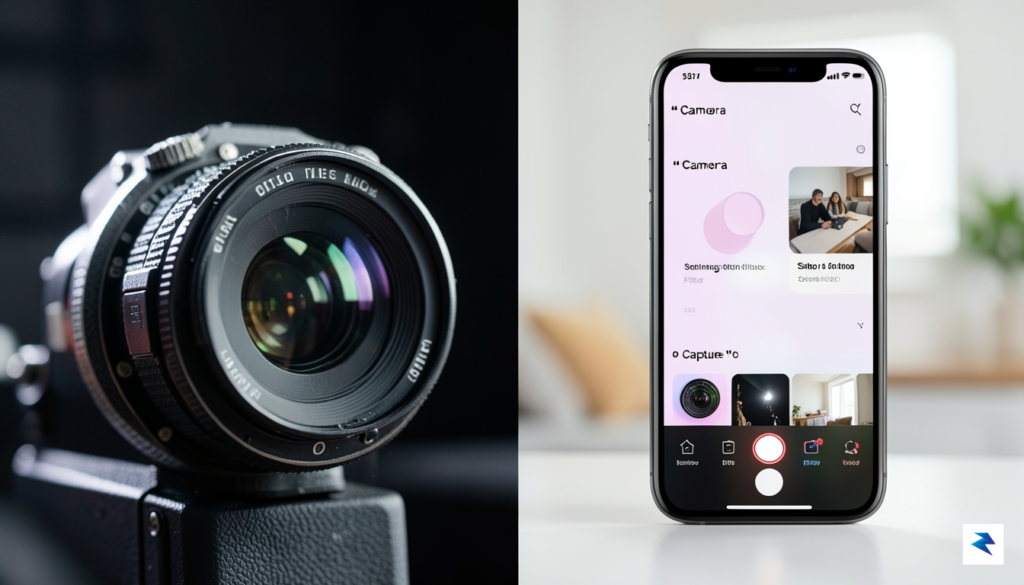
For legacy talent agencies, the migration toward YouTube creators is far from a mere trend; it is a calculated survival strategy rooted in the shifting economics of modern entertainment. In an era where linear television ratings are in structural decline, these agencies recognize that the most loyal, highly engaged audiences have already migrated to digital platforms. By signing top-tier YouTube talent, agencies are essentially acquiring direct access to a demographic that traditional marketing has struggled to reach for years. This pivot is fundamentally about data-driven monetization; agencies now possess the analytical tools to quantify a creator’s influence, transforming fleeting viral success into a predictable, multi-year revenue stream that spans film, television, and high-end brand partnerships.
The value proposition for the creator is equally compelling, as agencies provide the sophisticated infrastructure that individual content creators often lack. While a YouTube star may excel at creative storytelling and audience engagement, they frequently struggle with the complex legal, tax, and logistical hurdles that accompany rapid professional growth. Legacy agencies step in to professionalize these operations, offering a protective layer of contract negotiation, intellectual property protection, and global distribution strategy. This transformation allows creators to move beyond the volatility of platform algorithms and focus on building a sustainable, long-term business enterprise that can weather the inevitable shifts in digital platform trends.
“The integration of digital-first creators into the Hollywood ecosystem is not about changing their authentic voice, but rather about scaling their reach and diversifying their income through institutional support.”
Ultimately, the goal of this “professionalization” is to facilitate a seamless cross-pollination into mainstream media projects that were once the exclusive domain of traditional celebrities. Agencies are actively positioning their digital clients for starring roles in feature films, guest appearances on hit television series, and sophisticated brand ambassadorships that require high-level corporate oversight. By bridging the gap between the chaotic, fast-paced world of digital content and the rigid, high-stakes environment of studio production, agencies ensure that their talent remains relevant across all screens. This strategy creates a symbiotic ecosystem where the agency secures its future by diversifying its portfolio, and the creator gains the credibility and resources necessary to transcend the confines of the internet.
- Audience Retention: Leveraging the deep, authentic connection creators have with their subscribers to drive traditional media performance.
- Operational Efficiency: Providing legal and fiscal infrastructure to turn creative channels into full-fledged media production houses.
- Diversified Revenue: Moving beyond platform ad revenue by integrating creators into film, TV, and global commercial campaigns.
Strategic Shifts: Beyond the Digital Screen
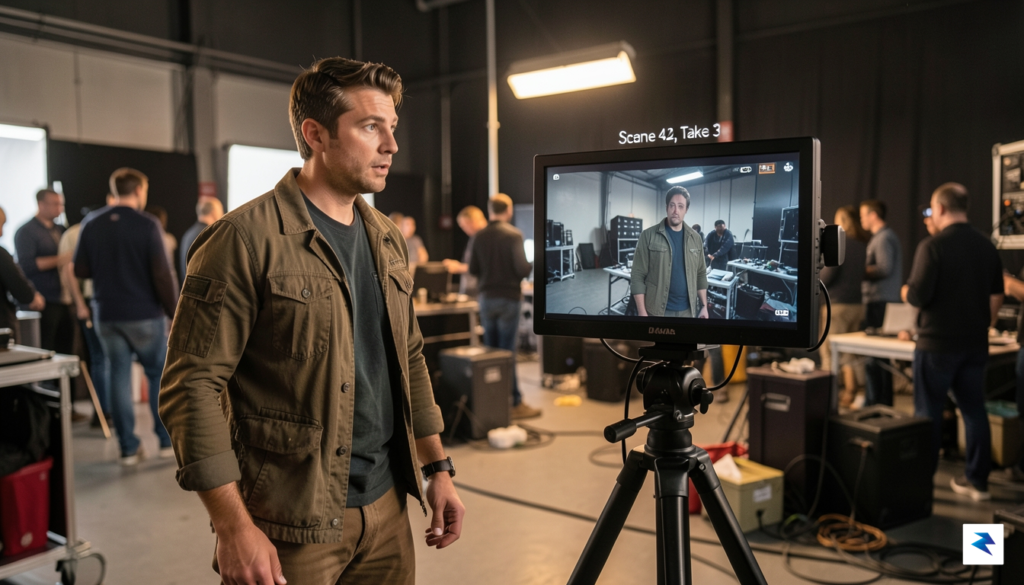
The transition from a YouTube star to a multifaceted media powerhouse requires a departure from the “content creator” label that has defined the digital era for the last decade. Agencies like Creative Artists Agency (CAA) are spearheading this evolution by implementing a sophisticated, 360-degree management model that treats digital talent with the same level of strategic rigor as A-list film actors or top-tier recording artists. Instead of merely securing brand sponsorships, these agencies function as curators, meticulously crafting long-term career trajectories that move creators off the small, vertical screen and into the traditional corridors of Hollywood, prestige television, and global licensing.
Central to this strategy is the concept of intellectual property (IP) development. Agents are no longer just booking appearances; they are helping creators package their YouTube channel concepts into fully realized television shows, scripted series, or feature-length film projects. By leveraging the creator’s existing, highly engaged audience as a proof-of-concept, agencies can approach major motion picture studios and premium streaming services with a built-in demographic advantage. This shift transforms the creator from an internet personality into a production partner, allowing them to retain ownership of their creative ideas while accessing the industry infrastructure necessary to scale them for a mass-market audience.
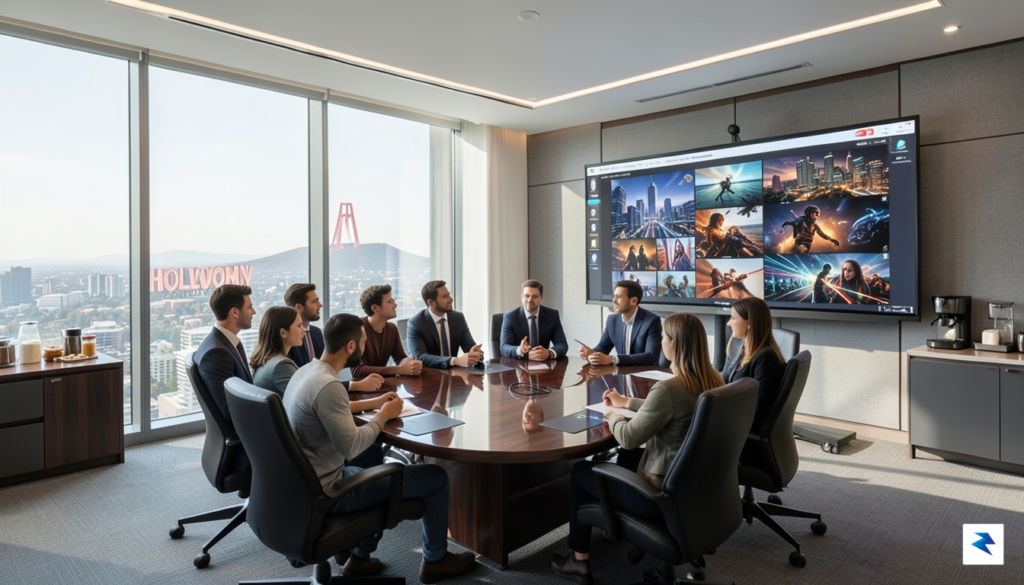
Beyond the development of new media projects, agencies are aggressively diversifying their clients’ portfolios through traditional acting, high-profile hosting, and complex merchandising ventures. The goal is to decouple the creator’s income and influence from the volatile algorithms of social media platforms. By securing roles in major franchises or high-end commercial campaigns, agencies ensure that their clients are perceived as legitimate talent in the eyes of the broader entertainment establishment. This evolution requires a significant shift in the creator’s own mindset, moving away from daily uploads toward a curated “media entrepreneur” persona that emphasizes sustainability and professional longevity.
The modern agency model is no longer about managing a channel; it is about building a scalable brand that can survive the transition from a niche online community to a global household name.
Ultimately, this strategic pivot is as much about curation as it is about opportunity. Agents act as gatekeepers and mentors, advising creators on which collaborations and roles will elevate their stature and which might diminish their brand equity. By carefully selecting projects that align with a creator’s authentic voice while pushing them into new, challenging formats, agencies are successfully rebranding the “influencer” as a versatile actor and business mogul. This holistic approach ensures that when the digital trends inevitably shift, these stars are already firmly entrenched in the traditional media landscape, ready to pivot as seasoned professionals rather than fleeting internet phenomena.
The Challenges of Bridging Two Worlds
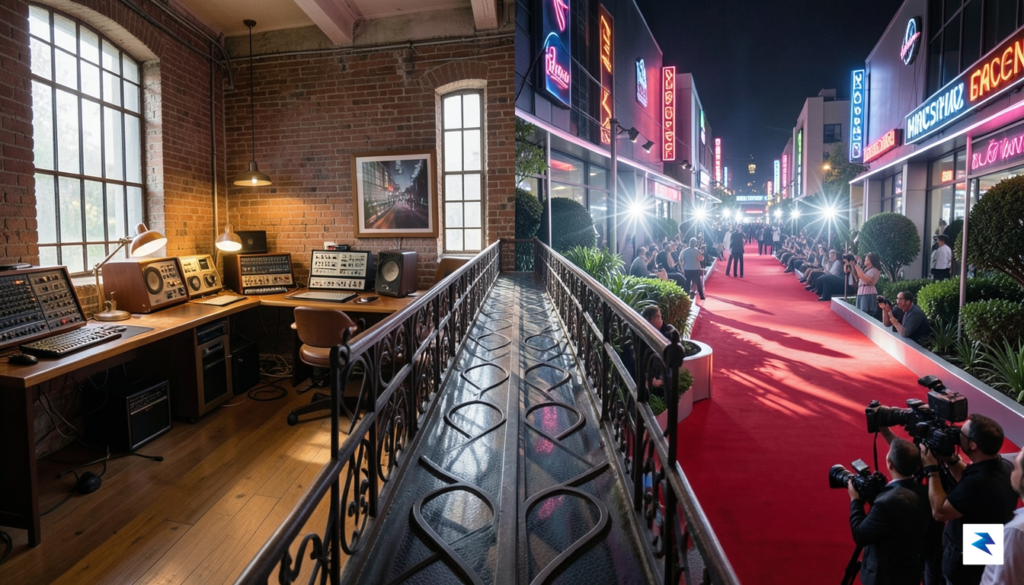
The integration of digital-native creators into the traditional Hollywood ecosystem is rarely a seamless transition; it is a collision of two fundamentally different creative philosophies. For the YouTube star, success is built upon a foundation of absolute autonomy, where the feedback loop between the creator and their audience happens in near real-time. This agility demands a rigorous, often daily, production schedule that favors raw authenticity over polished perfection. Conversely, the institutional Hollywood model relies on long-term development cycles, committee-driven greenlighting processes, and layers of professional gatekeepers. When these worlds meet, the friction is palpable: creators often feel stifled by the bureaucratic pacing of traditional agencies, while talent agents struggle to apply a standardized business model to individuals whose brands are intrinsically linked to their personal, unscripted lives.
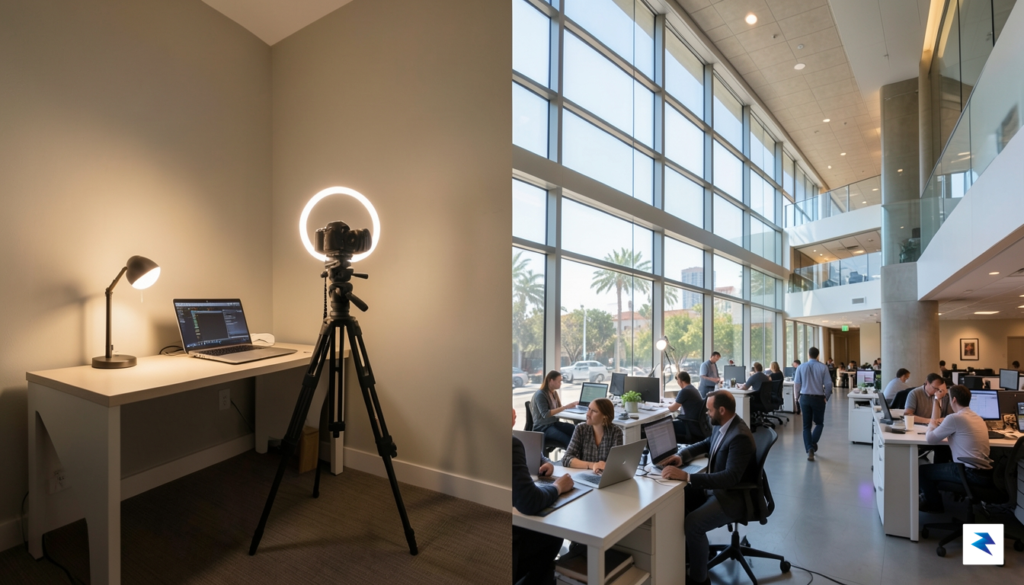
A primary point of contention lies in the fundamental mismatch of professional velocity. A YouTube creator might ideate, film, edit, and publish a video within forty-eight hours, maintaining a constant state of creative output to satisfy both their audience and the algorithm. In contrast, even the most accelerated television or film project can take years to move from script to screen. This vast difference in pace frequently leads to professional burnout for creators who attempt to maintain their digital presence while simultaneously navigating the slow-moving gears of agency representation. Agencies are now forced to reckon with this reality, realizing that forcing a creator into a traditional 18-month development cycle can effectively kill the very spark that made them valuable in the first place.
Success in this new era requires a fundamental shift: instead of molding creators into actors, agencies must learn to treat the creator’s unique workflow as a legitimate intellectual property engine.
To bridge this divide, forward-thinking agencies are radically adapting their internal cultures. Rather than mandating that creators conform to the rigid, hierarchical structures of old-school talent management, successful firms are building hybrid teams that include social media strategists, data analysts, and rapid-response production units. These teams act as a buffer, allowing the talent to focus on their creative vision while the agency handles the complexities of licensing, legacy media production, and long-term brand partnerships. By treating the digital creator’s need for autonomy as an asset rather than a liability, these agencies are discovering that the most sustainable partnerships are those that protect the creator’s voice while providing the institutional scaffolding necessary to scale into film, television, and beyond.
What This Means for the Future of Content Creation
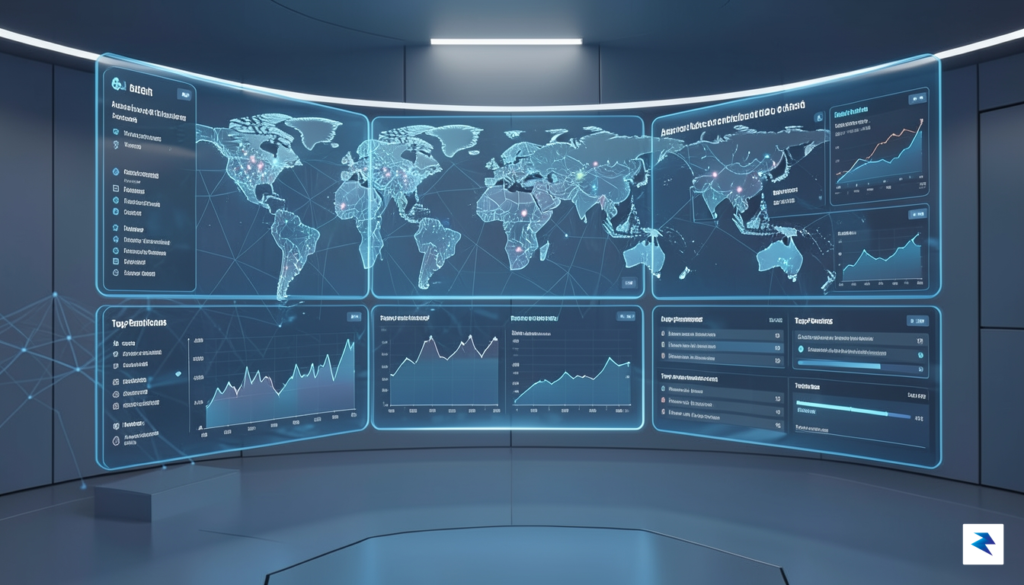
The integration of digital-native stars into the roster of powerhouse agencies like Creative Artists Agency (CAA) marks a definitive transition from the era of “influencer” novelties to a structural shift in the entertainment hierarchy. For years, the traditional studio system viewed online content creators as peripheral players—individuals who could capture a niche audience but lacked the polish or longevity of a trained actor. Today, that skepticism has evaporated, replaced by the realization that these creators own the most valuable commodity in modern media: direct, authentic, and high-engagement relationships with their audience. By securing representation at the highest level, YouTube stars are no longer just guests at the table; they are becoming architects of the next generation of intellectual property.
Looking ahead, we are likely to see a fascinating synthesis rather than a total takeover. It is improbable that independent creators will fully dismantle the traditional studio system; instead, they will force it to evolve. The future of content creation will be defined by a hybrid model where the agility and hyper-personalization of YouTube production are combined with the massive distribution and financial muscle of legacy studios. We are already witnessing creators who leverage their subscriber bases to secure production deals, essentially functioning as their own mini-studios. This suggests that the “creator economy” is not merely a trend or a temporary bubble, but a permanent, institutionalized pillar of the entertainment industry.
The creator economy has matured into a sophisticated business ecosystem where the power to greenlight, fund, and distribute stories has shifted from boardrooms to individual laptop screens.
For the next generation of creative storytellers, this convergence offers unprecedented empowerment. Aspiring creators no longer need to wait for a casting director or a network executive to grant them permission to share their work with the world. They can build a global brand from their bedroom, using the tools of the creator economy to prove their concept and cultivate a fanbase before ever walking into an agency. As agencies continue to bet on this talent pool, they provide the necessary infrastructure to scale these personal brands into film, television, and beyond. This evolution ensures that the future of storytelling will be more diverse, more risk-tolerant, and profoundly more connected to the audience, cementing the creator as the most vital engine in the modern entertainment landscape.