
The Evolution of Recruitment: Beyond the Resume

For decades, the standard resume has served as the gatekeeper of the professional world, yet it has consistently proven to be an inadequate reflection of a candidate’s true potential. While a list of past job titles and bulleted achievements provides a historical snapshot of experience, it fails to capture the nuance of human soft skills, problem-solving capabilities, or cultural alignment. As the labor market has become increasingly digital and global, this reliance on static, text-based documents has created a bottleneck in the hiring process. Companies are now drowning in a sea of applications, struggling to differentiate between thousands of similarly qualified applicants who have all mastered the art of resume optimization, leading to a profound sense of “application fatigue” among recruiters.
Recruiters today are tasked with the impossible: identifying the perfect fit within seconds of scanning a document, often missing out on exceptional talent simply because their resume did not trigger the right keyword. This process is not only inefficient but inherently biased, favoring those who can curate a perfect document over those who possess the raw talent and communication skills necessary for the role. Because the current system prioritizes text over personhood, organizations are essentially hiring for what a candidate wrote about themselves, rather than who they actually are. This systemic friction necessitates a departure from the traditional paper-first model toward a more dynamic, human-centric approach to talent acquisition.

Enter Fika Jobs, a platform designed to bridge this widening gap by shifting the focus from static documents to authentic, video-first interactions. By leveraging AI agents to conduct initial interviews, the platform reimagines the screening process, allowing recruiters to assess personality, communication style, and genuine enthusiasm from the very first touchpoint. This evolution represents more than just a technological upgrade; it is a fundamental shift toward valuing human-centric data points that a resume simply cannot convey. By capturing how a candidate speaks, thinks, and responds in real-time, Fika Jobs provides a multidimensional view of talent that allows companies to cut through the noise and identify high-potential individuals who might otherwise be overlooked.
The future of recruitment lies in the ability to scale human connection, moving past the limitations of paper to reveal the personality and potential that truly drive organizational success.
As remote and hybrid work environments become the global standard, the need for a tool that can accurately vet cultural and communicative compatibility has never been greater. Fika Jobs is positioning itself at the forefront of this transformation, proving that when we stop treating candidates like a list of keywords and start engaging them as individuals, the quality of both the applicant experience and the final hiring decision improves exponentially.
How Fika Jobs Integrates AI into the Interview Process
At the heart of the Fika Jobs platform is a sophisticated layer of AI-driven interview agents designed to transform the traditional, often bottlenecked, hiring pipeline. Rather than relying on static resume parsing or manual outreach, these agents facilitate real-time, video-based conversations that mimic the nuance of human interaction. By automating these preliminary screenings, the platform allows hiring managers to evaluate a significantly larger pool of applicants without placing a crushing manual burden on their HR departments. This creates a highly scalable infrastructure where the initial stages of talent acquisition happen almost instantaneously, ensuring that high-quality candidates are never left waiting in a digital queue.
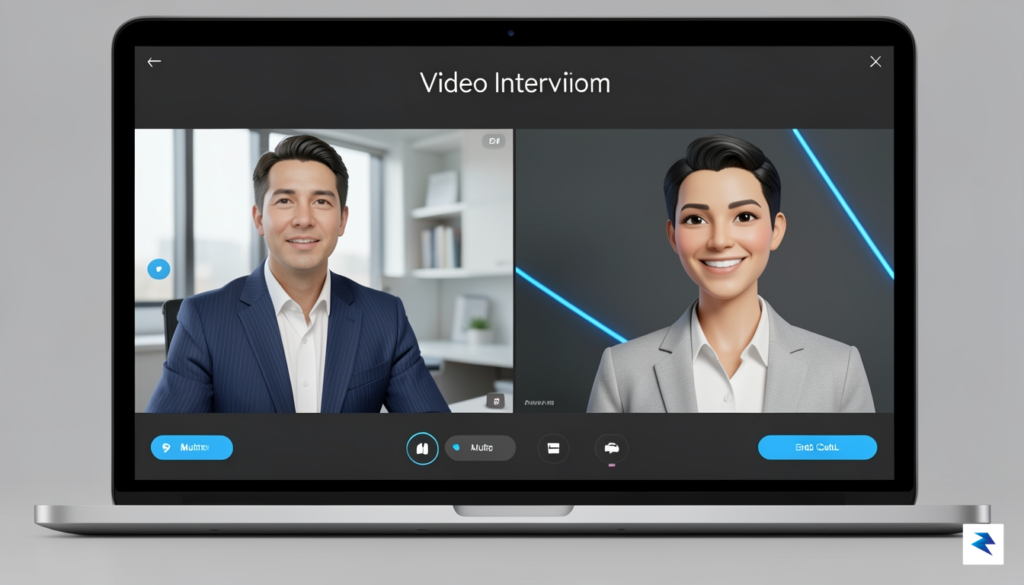
One of the most profound advantages of this technology is the implementation of a 24/7 synchronous interview experience. In an era of globalized remote work, talent is no longer confined to specific time zones, yet traditional recruitment processes are often hampered by the logistical nightmare of scheduling interviews across different regions. Fika Jobs removes these barriers entirely by allowing candidates to engage with the AI agent at their own convenience, regardless of the hour. This immediate engagement keeps candidates interested and invested in the company, significantly reducing the “ghosting” phenomena that frequently occurs when hiring processes take too long to initiate.
The integration of AI agents is not about replacing the human touch; it is about filtering the noise so that human recruiters can focus their expertise where it truly matters—on the final, high-stakes evaluation of the best-fit talent.
Efficiency gains for recruiters are substantial, as the AI agents act as a dedicated filter that surfaces only the most promising talent. By handling the repetitive, time-consuming tasks of initial competency assessments and basic screening questions, the AI ensures that recruiters spend their energy on candidates who have already demonstrated their potential. It is important to note that these agents are not autonomous decision-makers tasked with final hiring calls. Instead, they serve as sophisticated data collectors and screeners, providing recruiters with structured insights and video summaries that make informed decision-making faster and more objective. By shifting the focus from manual screening to data-backed selection, companies can build high-performing teams with greater speed and precision.
The TikTok-ification of Professional Profiles
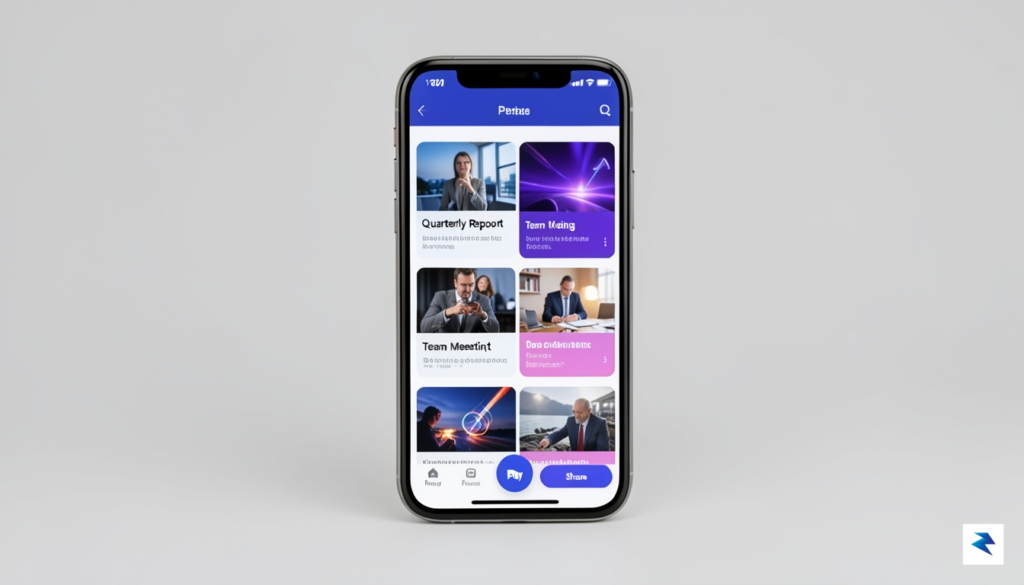
The traditional recruitment process has long been defined by the static, two-dimensional resume—a document that, while efficient for sorting keywords, often fails to capture the human element of a professional. By shifting toward an immersive, vertical-scrolling interface, this new platform fundamentally disrupts the way recruiters perceive talent. Much like the addictive nature of short-form consumer media, this design philosophy relies on the immediacy of human expression. When a recruiter swipes through a stream of candidate introductions, they are no longer parsing bullet points or deciphering gaps in a timeline; instead, they are instantly assessing energy, articulation, and presence. This shift acknowledges that in the modern workplace, the ability to communicate and connect is often just as valuable as technical proficiency, yet it is the one metric that a PDF resume is entirely incapable of measuring.
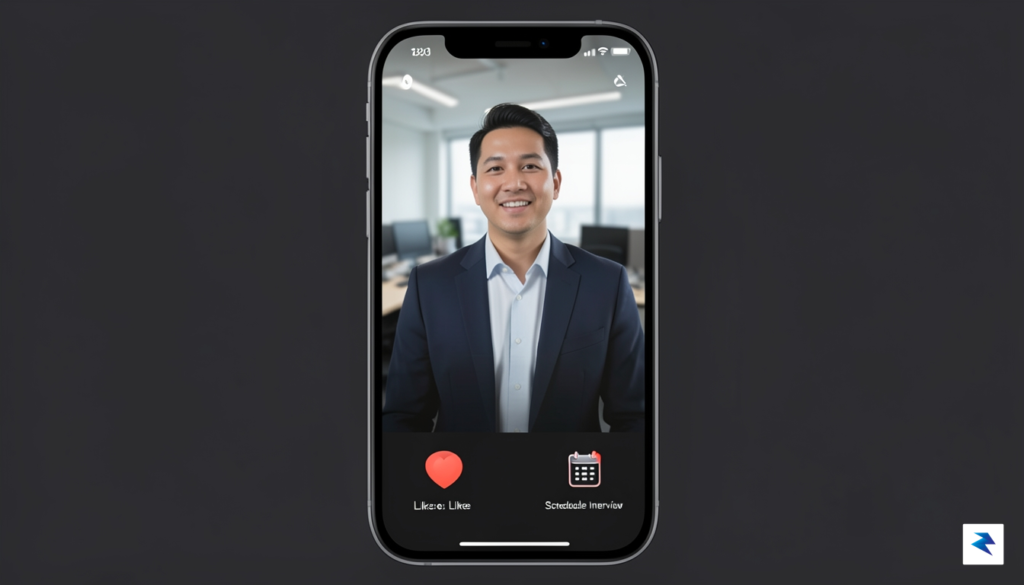
The psychological impact of this format is profound, as it replaces the cold, analytical nature of standard job boards with a more visceral, interpersonal experience. Browsing through professional profiles via video encourages a more holistic appraisal of a person’s potential, allowing recruiters to pick up on nuances such as confidence, enthusiasm, and cultural alignment that are lost in text-based formats. Whereas a traditional LinkedIn profile can feel like a curated, sterile list of achievements, a video-first approach offers a “window” into the candidate’s personality. This transition effectively lowers the barrier to initial engagement, as the friction of reading through dense blocks of text is replaced by the effortless consumption of video content, making the talent discovery process feel less like a chore and more like a discovery journey.
The most significant advantage of video-first hiring is its ability to democratize opportunity by prioritizing a candidate’s voice and vision over the prestige of their previous employers or academic institutions.
This design choice is particularly transformative for non-traditional candidates who may not have the “perfect” pedigree but possess exceptional communication skills and a unique perspective. In a system where resumes are frequently filtered by rigid, automated software, many talented individuals are overlooked simply because their past titles don’t align with current industry jargon. By centering the recruitment experience on a short, authentic video pitch, candidates are given the stage to demonstrate their soft skills and intellectual curiosity firsthand. This levels the playing field significantly, allowing talent to shine through their personality and passion rather than being reduced to a set of keywords. Ultimately, by borrowing the engagement patterns of high-traffic social media, this platform is not just changing how we look at candidates—it is redefining what it means to be qualified for the job.
Addressing Bias and Human Oversight in AI Hiring

Integrating artificial intelligence into the recruitment pipeline inevitably invites scrutiny, particularly regarding the risk of algorithmic bias. When systems are trained on historical hiring data, they risk codifying past human prejudices—whether related to gender, ethnicity, or socioeconomic background—into the screening process. To counter this, modern platforms like Fika Jobs must prioritize rigorous, continuous auditing of their models to ensure that the criteria used to evaluate talent remain objective and merit-based. By actively stress-testing these algorithms against diverse datasets, developers can identify and neutralize patterns that might unfairly disadvantage qualified candidates, turning AI from a potential liability into a tool for democratization.

The core philosophy guiding this evolution is the “Human-in-the-Loop” model, which acknowledges that while machines excel at processing high volumes of data, they lack the nuanced emotional intelligence required to assess cultural fit or long-term potential. In this hybrid ecosystem, AI agents function as efficient gatekeepers that manage the initial intake and screening, but they do not make the final call on a hire. By delegating the administrative heavy lifting to automated systems, human recruiters are liberated to focus their energy on meaningful, high-value interactions. This ensures that the essential “human touch” remains the final, decisive influence in the candidate journey, preserving the empathy and intuition that no algorithm can currently replicate.
Transparency is the bedrock of ethical AI; candidates should feel empowered, not intimidated, by the technology mediating their path to employment.
Furthermore, fostering transparency is essential to maintaining candidate trust and agency throughout the recruitment process. When applicants understand that they are being interviewed by an AI agent, platforms must clearly explain how their responses are being evaluated and provide accessible channels for feedback or human review. True agency is maintained when candidates are treated as partners in the process rather than mere data points in a funnel. By keeping human oversight at the center of the decision-making lifecycle, organizations can successfully balance the undeniable speed and efficiency of video-first AI tools with the ethical imperative to provide every applicant with a fair, dignified, and human-centric experience.
What the $4M Funding Means for the Future of Work

The successful closure of a $4 million seed round marks a pivotal inflection point for Fika Jobs, signaling a profound shift in how venture capital perceives the intersection of social networking and artificial intelligence. In an era where traditional resume-parsing software often fails to capture the nuance of professional personality, this investment validates the necessity for a more human-centric, video-first approach to talent acquisition. By leveraging AI agents to conduct initial interviews, Fika Jobs is not merely optimizing a workflow; it is fundamentally redefining the signal-to-noise ratio in recruitment. This capital infusion acts as a vote of confidence that the future of work will be defined by dynamic, interactive engagement rather than stagnant, static documents.
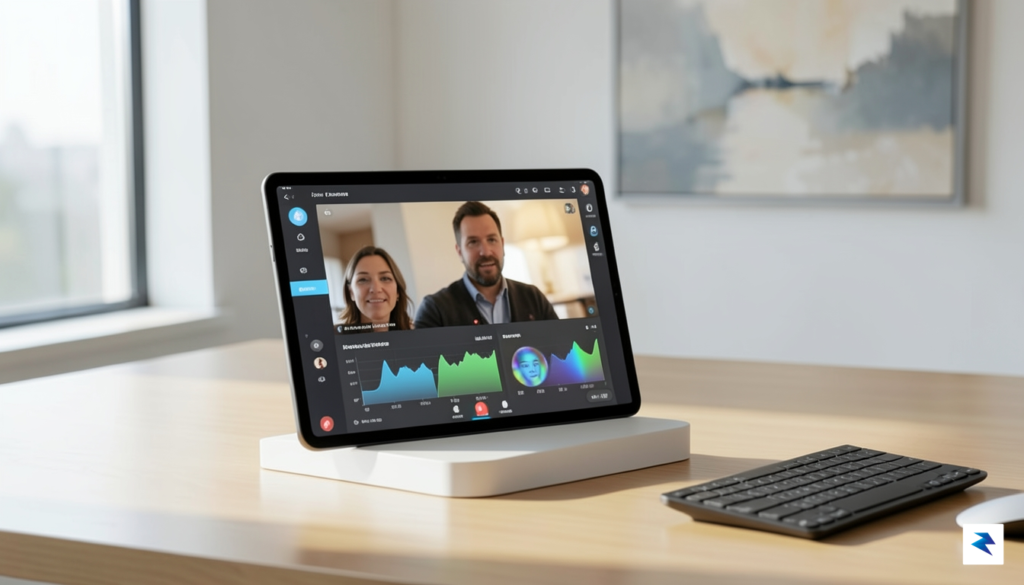
With this fresh injection of capital, the platform is poised for a phase of aggressive scaling that will likely see it move beyond its initial niche to challenge established industry incumbents. We can expect the company to prioritize the enhancement of its AI-driven evaluation models, ensuring that the technology not only identifies technical skills but also assesses cultural alignment and soft-skill proficiency with greater precision. Furthermore, this funding will likely facilitate geographic expansion and the integration of advanced analytics dashboards for enterprise recruiters, allowing them to track talent pipelines with unprecedented transparency. As the platform matures, the ability to iterate rapidly on feature development will be the primary lever that allows it to capture market share from legacy job boards that have remained largely stagnant for the past decade.
The integration of AI agents into the hiring funnel represents a shift from passive candidate sourcing to active, automated vetting, effectively reducing the time-to-hire from weeks to mere days.
Ultimately, Fika Jobs stands as a harbinger of a broader transformation toward a video-first professional ecosystem. As digital fluency becomes the baseline requirement for the modern workforce, the demand for platforms that can authenticate candidates through authentic video interaction will only accelerate. By successfully blending the viral, discovery-based dynamics of social media with the rigors of enterprise-level HR tech, the company is bridging a long-standing gap in the professional landscape. This $4 million milestone is not just a financial victory for the startup; it is a clear indicator that the recruitment industry is moving toward a more transparent, efficient, and expressive future where every candidate has the opportunity to showcase their potential beyond the limitations of a PDF.