The Return of Binary Options to Cboe
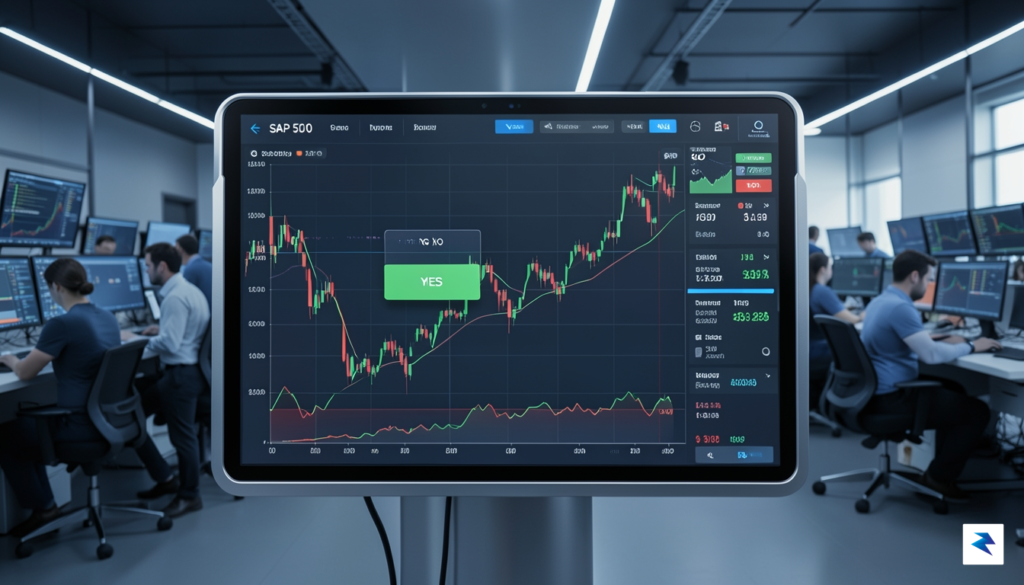
After a decade-long hiatus that saw binary options largely relegated to the fringes of the financial ecosystem, Cboe Global Markets is making a bold return to the arena. In 2014, the exchange opted to withdraw its binary offerings, citing a lack of sustained liquidity and a market environment that perhaps wasn’t yet ready for the simplicity of “all-or-nothing” derivatives. However, the financial landscape has shifted dramatically in the years since, fueled by a retail trading revolution and the explosive popularity of event-based prediction markets. By reintroducing binary options on the S&P 500, Cboe is not merely dusting off an old product; it is strategically pivoting to capture a generation of investors who have grown accustomed to the high-stakes, binary nature of platforms like Polymarket and Kalshi.
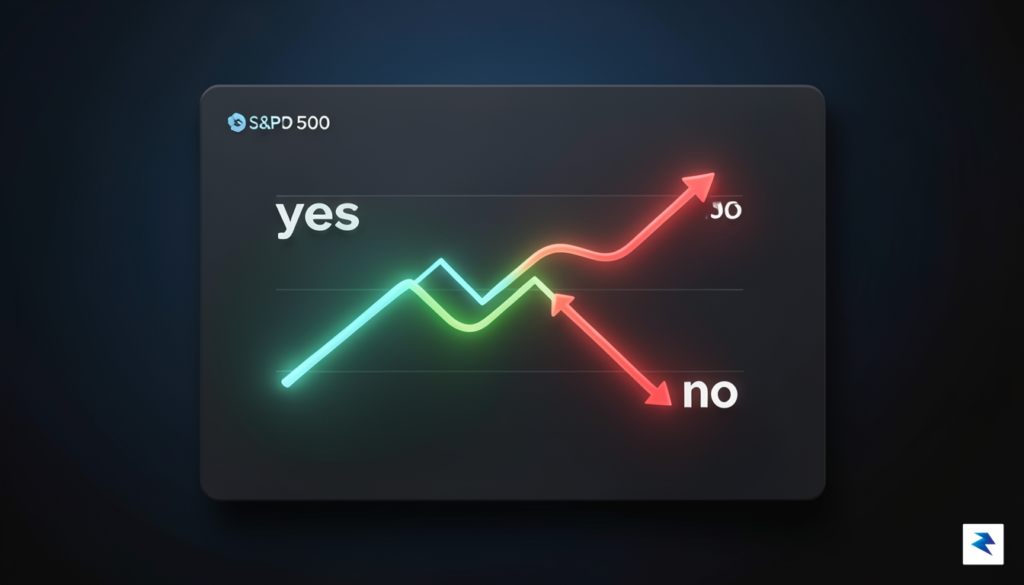
The choice to tether this revival to the S&P 500 is far from accidental; it is a calculated masterstroke designed to provide the most recognizable vehicle for institutional and retail traders alike. As the primary barometer for the health of the American economy, the S&P 500 provides the inherent volatility and deep liquidity necessary to support high-frequency event contracts. Unlike niche prediction markets that often focus on obscure political or social outcomes, the S&P 500 offers a familiar, data-rich environment that allows traders to hedge or speculate on daily market movements with absolute clarity. This move effectively bridges the gap between traditional regulated exchanges and the gamified, event-driven trading culture that has recently captured the public imagination.
The relaunch of S&P 500 binary options marks a pivotal moment where legacy financial infrastructure intersects with the fast-paced, intuitive demand for event-based speculation.
This strategic reentry signals that Cboe is no longer content to let decentralized platforms dictate the future of speculative trading. By offering a regulated, transparent, and centralized venue for binary outcomes, Cboe is positioning its products as a safer, more reliable alternative for participants who seek the thrill of “yes-or-no” results without the risks associated with less established venues. The revival of this asset class suggests that the market has finally matured to a point where binary options are viewed not as speculative novelties, but as essential tools for precision-based risk management. As these contracts hit the floor, they will undoubtedly test whether traditional finance can successfully reclaim the narrative of event-driven trading in an increasingly digital world.
Understanding the Mechanics of Binary Trading
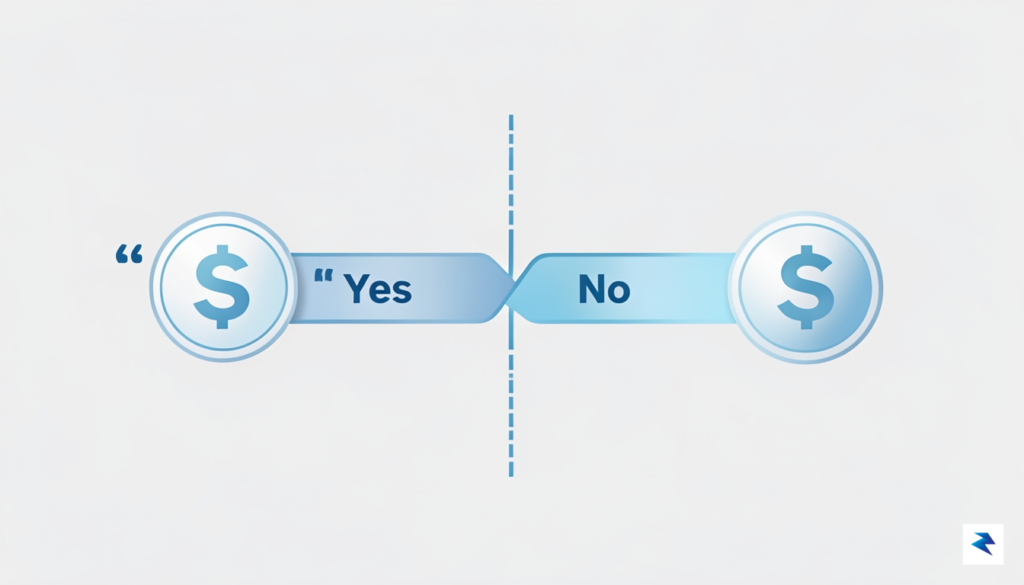
At its core, a binary option is an “all-or-nothing” financial derivative that strips away the multifaceted variables of traditional stock and options trading. While a standard equity call or put option requires the investor to calculate complex variables—often referred to as the “Greeks”—such as delta, gamma, and theta, binary options operate on a simplified, binary logic. You are essentially betting on a single, discrete event: whether the underlying asset, in this case, the S&P 500 index, will finish above or below a predetermined price level by a specific expiration time. This binary structure eliminates the need to predict the magnitude of a price movement, focusing instead solely on the directional outcome.
In traditional options markets, the potential profit or loss is dynamic, shifting constantly based on the asset’s price, the passage of time, and changes in implied volatility. Conversely, binary options provide a transparent, fixed-risk and fixed-reward profile. When you enter a contract, you know exactly how much you stand to gain if your prediction is correct and exactly how much you stand to lose if it is not. This inherent transparency makes these instruments highly accessible for retail participants who may find the non-linear risk curves of conventional options daunting or unpredictable. Because the payout is binary—either you receive the set value or the contract expires worthless—the mathematical outcome is binary by design.
The primary appeal of binary trading lies in its simplicity; it transforms the nuance of market volatility into a straightforward question of whether an index will land on the right side of a line at a specific moment in time.
The settlement mechanics for these revived S&P 500 contracts are anchored to the final value of the index at the close of trading. If, for instance, you purchase a contract predicting that the S&P 500 will close above a specific strike price, you are rewarded only if the final index value exceeds that threshold upon expiration. If the index finishes even a fraction of a point below your chosen strike, the contract settles at zero, and your initial capital is lost. This creates a distinct “cliff” effect that differs drastically from traditional trading, where an investor might still retain some residual value in an “out-of-the-money” position. By focusing on this definitive outcome, the Cboe is catering to a growing demographic of market participants who prefer the clarity of event-based betting over the continuous, often opaque, adjustments required in traditional derivatives portfolios.
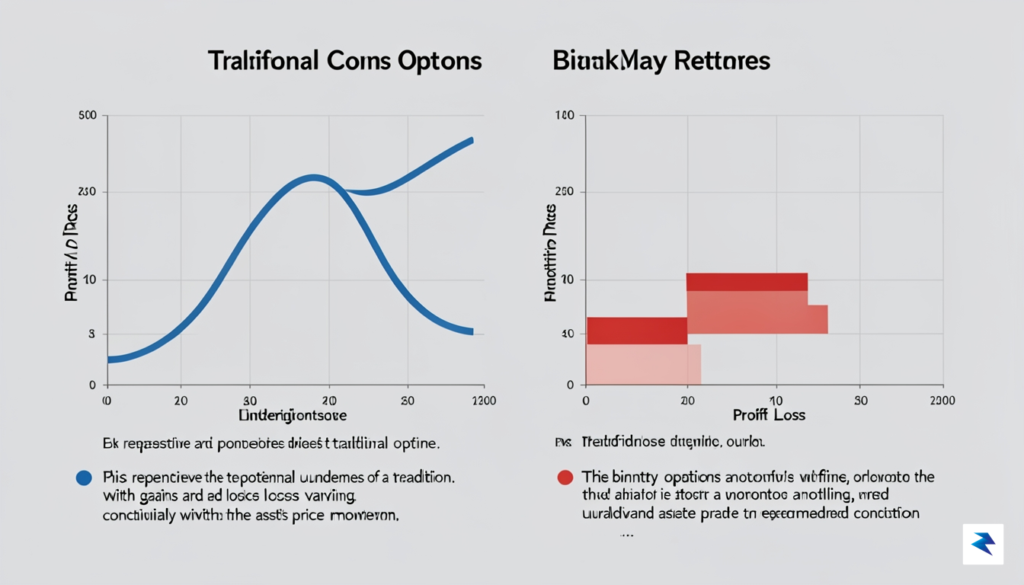
Ultimately, this shift represents a departure from the “hedging” mindset that historically defined the options market and a move toward a more predictive, event-driven ecosystem. Because the binary instrument is tethered to the index value at a precise timestamp, it effectively turns market movements into a series of short-term, high-stakes events. Whether you are a professional trader looking to capitalize on intraday volatility or a retail participant interested in the simplicity of “yes or no” propositions, understanding the binary framework is essential. It requires a fundamental change in strategy, moving away from complex technical analysis of price velocity and toward a binary assessment of probability and market sentiment.
The Influence of Polymarket and Kalshi
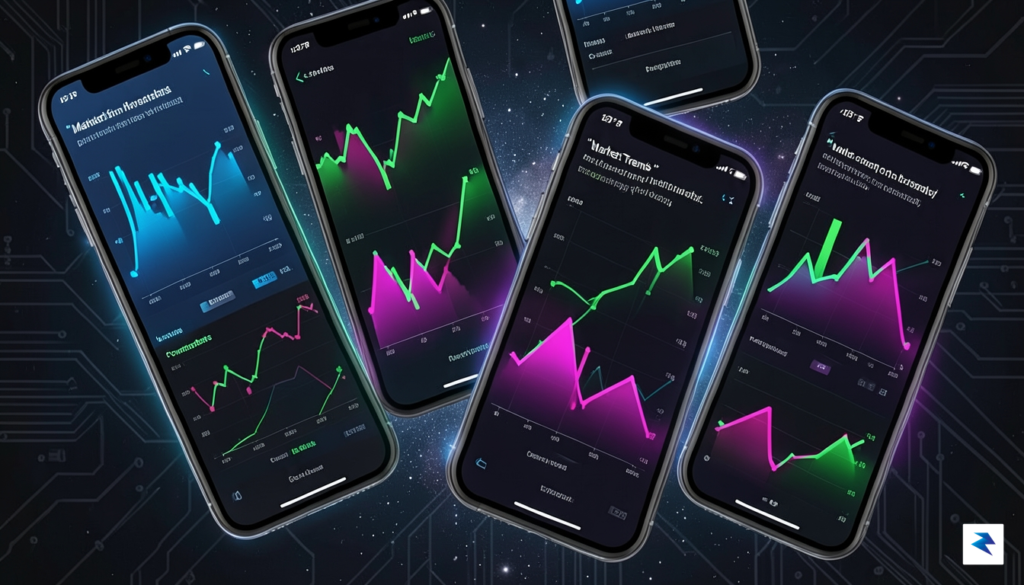
The meteoric rise of platforms like Polymarket and Kalshi has fundamentally altered the landscape of retail speculation, transforming the once-niche world of event-based derivatives into a mainstream pastime. By stripping away the intimidating complexity of traditional brokerage interfaces and replacing them with intuitive, binary “yes or no” propositions, these platforms have successfully gamified financial risk. This approach appeals particularly to a younger, digital-native generation that values speed, transparency, and the ability to monetize their opinions on everything from geopolitical elections to central bank policy decisions. Unlike conventional options trading, which requires navigating Greeks, strike prices, and time decay, these prediction markets offer a simplified, high-stakes experience that feels more akin to a sports betting app than a legacy financial terminal.
This shift in consumer behavior has created a cultural phenomenon where financial participation is increasingly viewed through the lens of entertainment and social signaling. Tech-savvy traders are no longer just looking to hedge portfolios; they are seeking immediate, actionable ways to bet on the outcome of specific news events. Because these platforms operate with minimal friction and provide instant feedback loops, they have captured a significant share of the retail demographic that previously found traditional exchanges to be overly restrictive or archaic. The success of this model has proven that there is a massive, untapped appetite for instruments that allow individuals to express conviction on discrete future events rather than just broader market indexes.
The pivot toward event-based trading represents a fundamental change in how retail investors engage with volatility, shifting the focus from long-term asset accumulation to short-term, binary outcome resolution.
Recognizing that they were losing mindshare to these nimble, crypto-native, and venture-backed disruptors, established players like Cboe have been forced to rethink their product roadmap. The traditional exchange model, which historically relied on institutional volume and complex, long-dated hedging strategies, is now under pressure to provide the same level of accessibility and excitement that retail users have come to expect from prediction markets. By reviving S&P 500 binary options, Cboe is effectively signaling a strategic pivot to meet these consumers on their own terms. This innovation is not merely a competitive reaction; it is an acknowledgement that the “prediction market” culture is here to stay, and that the future of financial services lies in bridging the gap between sophisticated regulatory oversight and the streamlined, high-engagement user experience championed by the new guard of fintech disruptors.
Market Implications for Retail and Institutional Investors

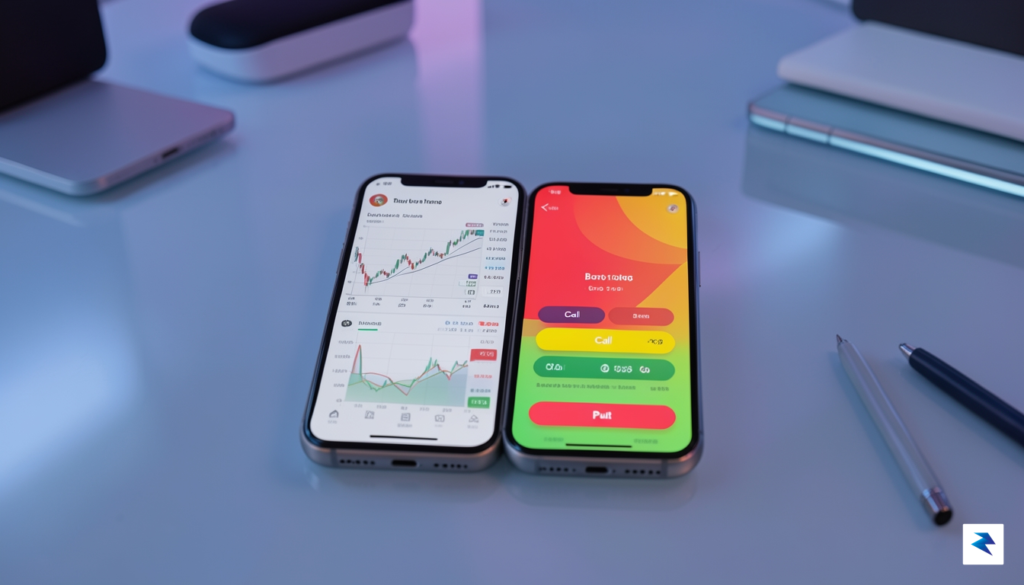
The reintroduction of S&P 500 binary options by Cboe signals a significant shift in how market participants approach short-term risk and directional speculation. For retail traders, these instruments offer a simplified entry point into the world of derivatives, stripping away the complex variables of “the Greeks”—delta, gamma, and theta—that often complicate traditional options strategies. By focusing on a simple “yes or no” outcome based on the index’s price at expiration, retail investors can execute precise, binary bets on market movements without the capital requirements or multi-legged complexity typically associated with standard option spreads. This democratization effectively turns market events into accessible, tradeable propositions, mirroring the recent popularity of prediction markets while operating within the rigorous, regulated framework of a major exchange.
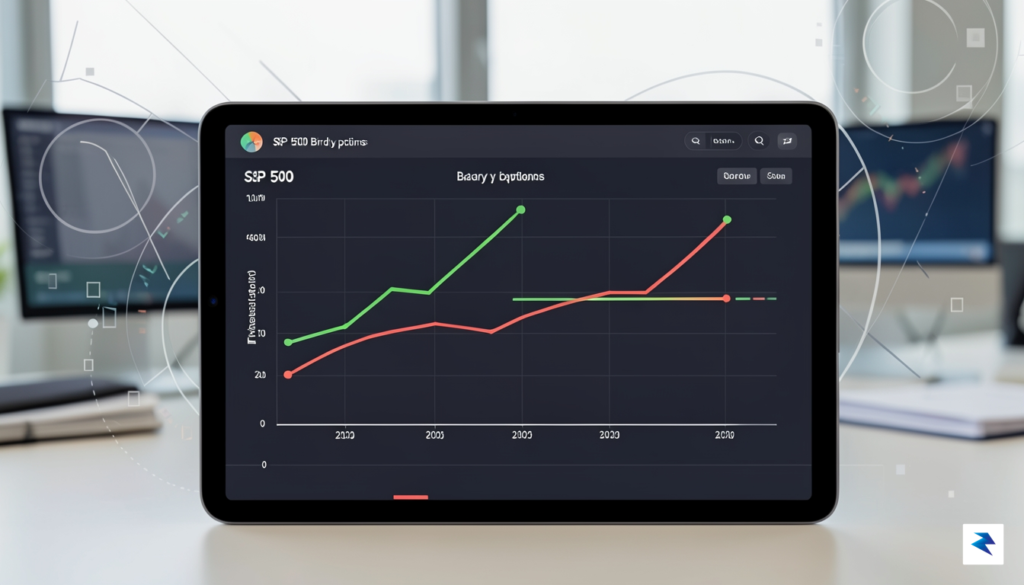
From an institutional perspective, the utility of these binary options extends far beyond mere speculation. Large-scale desks and asset managers may find these tools particularly effective for tactical hedging, especially during periods of binary event risk, such as Federal Reserve announcements or major economic data releases. Unlike traditional hedging, which requires constant rebalancing as an underlying price shifts, binary options provide a fixed-payoff structure that can be used to protect specific portfolio thresholds at a known, capped cost. By integrating these instruments into their volatility management frameworks, institutional players can create highly tailored hedging profiles that mitigate downside exposure without the need for sophisticated, high-frequency delta hedging strategies.
Binary options provide a transparent, all-or-nothing payoff structure that effectively bridges the gap between traditional derivatives and event-driven speculation.
Furthermore, the integration of these binary options into the broader S&P 500 derivative ecosystem is poised to enhance overall market liquidity. As more traders flock to these instruments to express specific directional views, the resulting increase in volume can deepen the pool of capital available for market makers to manage risk across related products like E-mini futures and SPX options. This creates a reflexive relationship: as liquidity grows, the bid-ask spreads for these binary instruments are likely to tighten, making them more attractive for both algorithmic retail strategies and professional desks. Ultimately, while these tools introduce a new layer of accessibility, they also demand a disciplined approach to risk management, as the “all-or-nothing” nature of the product leaves no room for error when a trade moves against the investor’s initial thesis.
Regulatory Landscape and Risks
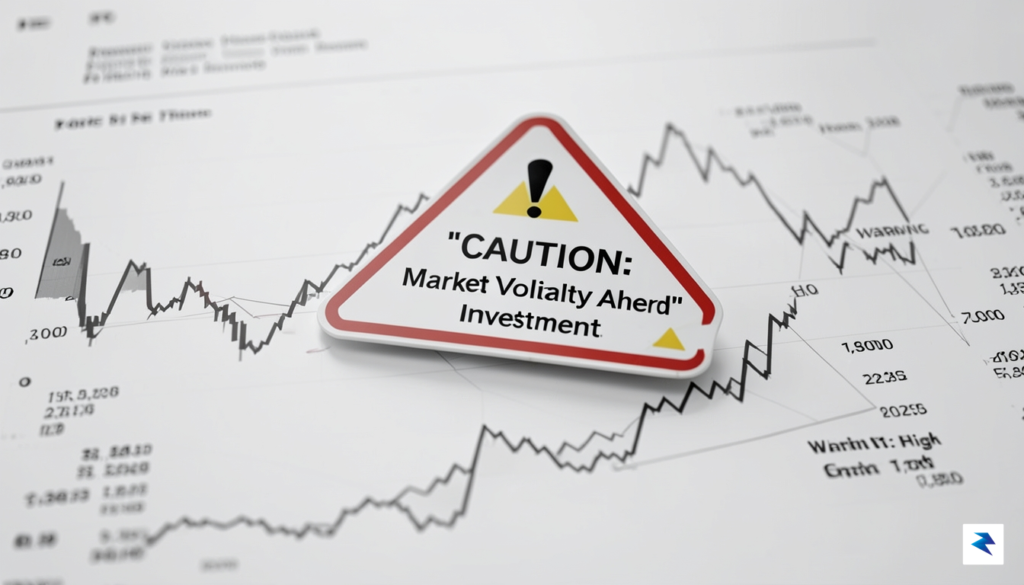
At their core, binary options function as “all-or-nothing” propositions, a structure that inherently creates a high-stakes environment for retail participants. Unlike traditional equities or derivatives, where an investor might recoup a portion of their principal during a market downturn, a binary option expires with either a fixed payout or a total loss of the initial premium. This binary outcome means that even a minor miscalculation in market direction—or a sudden surge in volatility near the expiration timestamp—can result in the immediate evaporation of the entire investment. Consequently, these instruments demand a level of precision and risk management that differs significantly from conventional long-term portfolio construction, often turning trading into a pursuit of rapid, high-frequency decision-making.
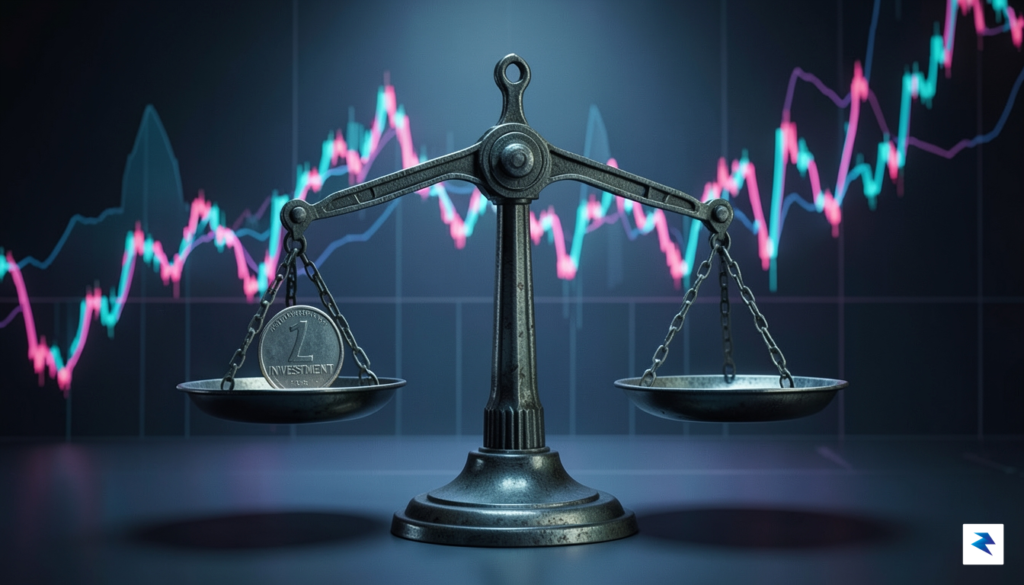
The history of these products in the United States is marked by intense regulatory scrutiny, primarily due to their historical association with offshore platforms that operated with minimal oversight. For years, the retail binary options market was plagued by predatory practices, leading the U.S. Commodity Futures Trading Commission (CFTC) to take a firm stance against unregulated entities. By moving these products onto established, regulated exchanges like Cboe, the industry aims to shift the narrative from “gambling” to “risk management.” Trading through a regulated exchange ensures that market participants benefit from transparent pricing, fair clearinghouse protocols, and the oversight of federal regulators, which serves as a vital safeguard against the opaque and often deceptive practices found on non-compliant, international websites.
The transition of binary options from the fringes of the financial system to regulated exchanges is a pivotal development, but it does not remove the fundamental volatility inherent in the product design.
Ultimately, the long-term viability of this market depends heavily on the maturity of the investor base and the efficacy of consumer education. Because the simplicity of a “yes or no” proposition can often mask the underlying complexity of the S&P 500’s price action, there is a persistent danger of reckless speculation among those unfamiliar with options mathematics. Regulators and exchanges are increasingly emphasizing the need for comprehensive educational resources that clearly explain how these instruments react to implied volatility and time decay. By fostering a culture of informed trading rather than speculative betting, the financial community hopes to integrate these tools into the broader ecosystem as legitimate instruments for hedging or tactical exposure, rather than as mere vehicles for unbridled risk-taking.
Future Outlook for Event-Based Derivatives

The reintroduction of binary options by an institution as established as Cboe signals a profound shift in how the broader financial industry views prediction-style trading. While retail-focused platforms like Polymarket and Kalshi initially carved out this niche, Cboe’s move suggests that event-based derivatives are moving from the periphery of speculative fintech into the core of mainstream asset management. We should expect a wave of traditional exchanges to follow suit, scrambling to capture the growing interest from investors who want to hedge against specific real-world outcomes rather than just general market volatility. As these products proliferate, the barrier between traditional brokerage accounts and event-betting platforms will continue to dissolve, effectively turning binary outcomes into just another asset class in a well-diversified portfolio.
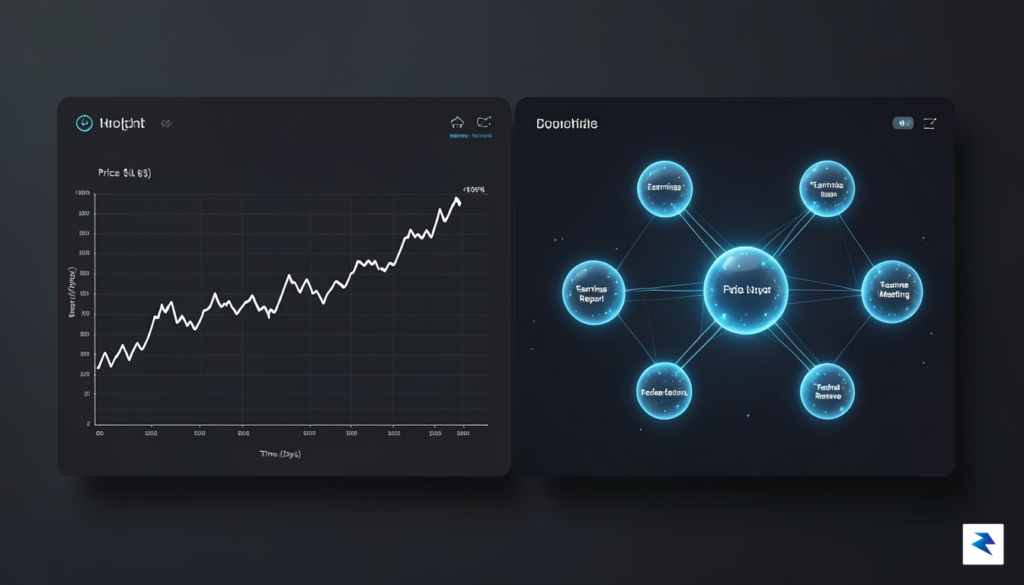
Looking further ahead, the evolution of this market will likely be defined by a marriage between high-speed exchange infrastructure and decentralized ledger technology. While Cboe operates within the highly regulated framework of traditional finance, the underlying demand for transparency and instantaneous settlement is driving interest in blockchain-based solutions. Integrating smart contracts could revolutionize how these derivatives function, allowing for automated, trustless payouts the moment a specific event—such as a Federal Reserve interest rate decision or a geopolitical outcome—is verified. By leveraging these advanced settlement technologies, exchanges can reduce counterparty risk and operational costs, making event-based trading more accessible and reliable for institutional participants who have historically been wary of the fragmented nature of prediction markets.
The future of derivatives lies not just in tracking the value of a company, but in quantifying the probability of the events that shape the world around us.
Ultimately, the rapid adoption of these instruments underscores a broader necessity for market adaptation in an increasingly high-speed digital economy. Investors today are inundated with massive streams of information, and they are seeking tools that allow them to react with surgical precision to emerging news cycles. As the industry matures, we will likely see a surge in specialized derivatives that cover everything from climate-related risks to regulatory shifts, providing a granular level of protection that standard futures and options simply cannot offer. Exchanges that prioritize user experience and regulatory compliance while embracing the speed of modern digital infrastructure will define the next decade of trading. In this environment, the ability to pivot and integrate new forms of risk management will be the primary separator between the market leaders of tomorrow and those left behind by the pace of innovation.