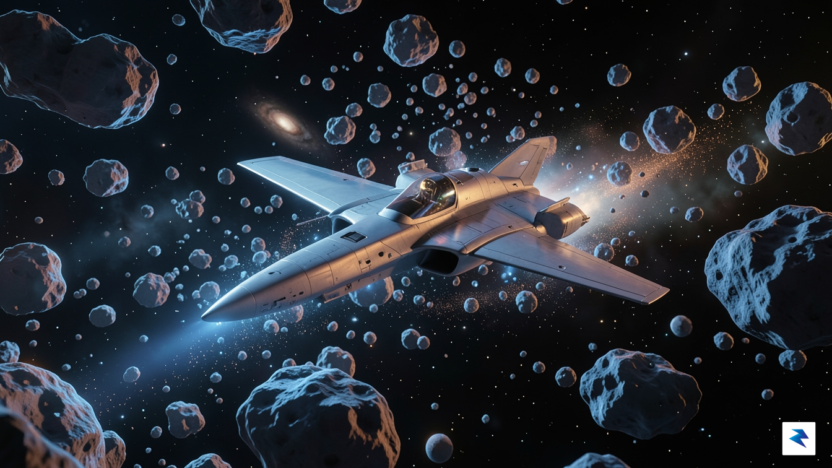
The Evolution of Immersion: Why Star Fox Redefines Visual Fidelity
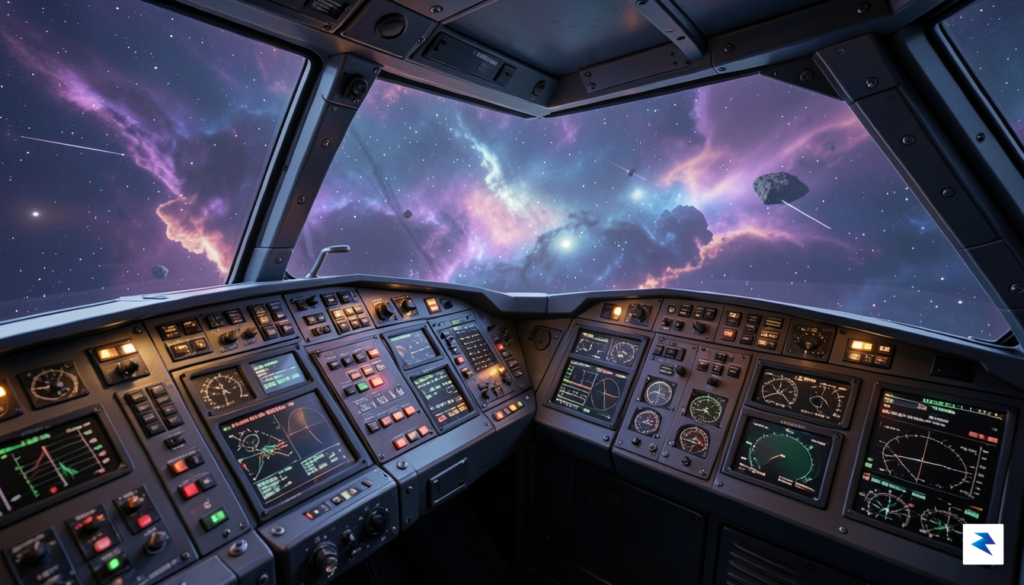
For the past few years, the narrative surrounding hardware upgrades—particularly with the launch of the Switch 2—has been dominated by the ambition of scale. Developers have raced to cram sprawling, endless open worlds into portable architecture, often prioritizing map size and square mileage over the sheer quality of individual assets. While the technical achievement of rendering vast landscapes is certainly commendable, it frequently results in a dilution of visual impact, where graphical fidelity is traded for the sake of expansive exploration. In this landscape of infinite horizons, Star Fox arrives as a necessary, jarring, and beautiful correction to the industry’s current obsession with quantity over quality.
By leaning into the classic “on-rails” cinematic structure, Star Fox makes a bold statement: visual power is not defined by how far a player can walk, but by how much detail can be packed into a single frame of action. Because the game dictates the camera path, the developers are freed from the immense processing burden of loading massive, open environments in real-time. Instead, they have funneled that hardware overhead into an unprecedented level of visual density. Every asteroid fragment, laser bolt, and planetary texture is rendered with a level of precision that makes the sprawling open worlds of its contemporaries look sparse by comparison. It is a masterclass in controlled artistry, where every pixel serves a deliberate purpose in building an immersive, high-octane experience.
True visual immersion is not found in the breadth of a map, but in the depth of the moment.
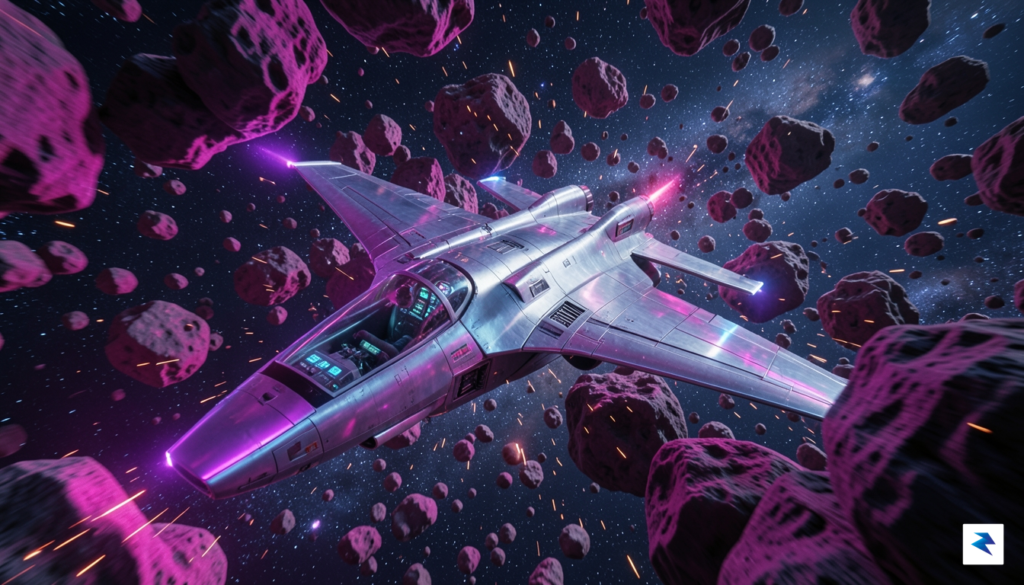
The transition toward this tighter, more focused scope allows the hardware to shine in ways that open-world titles simply cannot replicate. When the environment is curated rather than randomly generated or procedurally stretched, the lighting engines and particle systems can operate at peak efficiency. We see this in the way light refracts off the Arwing’s hull as it dives through an atmosphere, or in the complex, layered explosions that fill the screen during intense dogfights. By constraining the player’s movement, the game designers have created a spectacle that feels handcrafted and intentional, proving that the most breathtaking visuals often emerge from limitations rather than total freedom.
Ultimately, this approach changes the conversation regarding what the Switch 2 is truly capable of achieving. Rather than asking how many miles of terrain a system can support, we are now forced to consider how much life, color, and detail can be squeezed into a singular, breathtaking encounter. Star Fox serves as a paradigm shift, reminding both players and developers that cinematic precision is the ultimate frontier of fidelity. It is a milestone that proves that when you stop trying to build a world that is “wide as an ocean,” you gain the capability to build a visual experience that is “deep as a trench.”
Beyond Scale: Shifting Focus from Open Worlds to Cinematic Precision
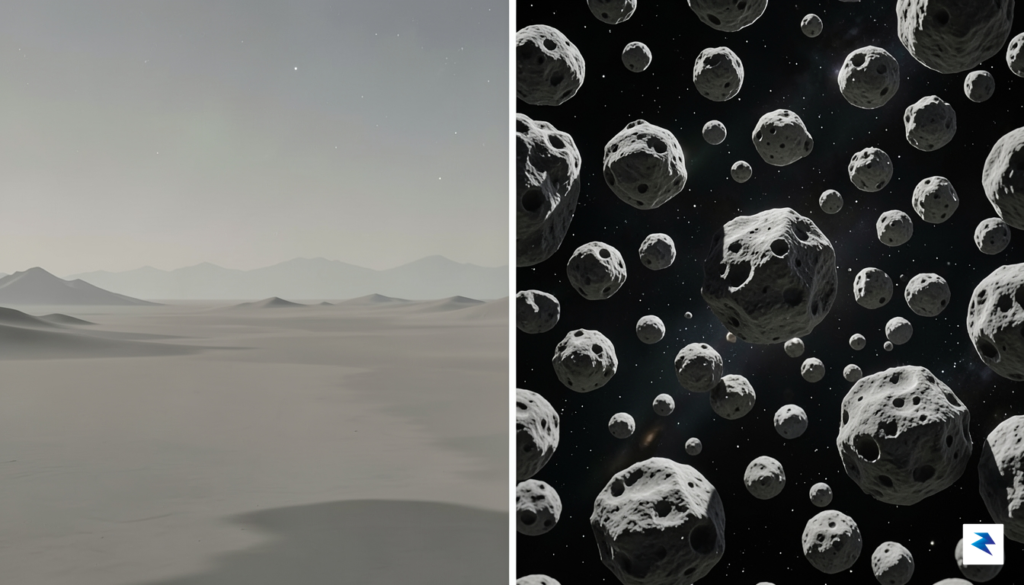
For years, the industry has been trapped in a relentless pursuit of the “bigger is better” philosophy, a trend that defined the early life of modern consoles. High-profile Switch 2 titles like Mario Kart World and Donkey Kong Bananza leaned heavily into this paradigm, prioritizing sprawling, open-ended environments and destructible physics engines that demanded massive processing overhead. While these titles offered unprecedented freedom, they often fell into a “scale over substance” trap, where the sheer size of the game world necessitated compromises in texture density, lighting fidelity, and overall visual cohesion to keep the frame rate stable. Players were granted the luxury of roaming anywhere, yet they were frequently met with the technical limitations of hardware struggling to render vast, empty horizons in real-time.
Star Fox represents a radical departure from this trend, signaling a pivot toward controlled, authored experiences that favor cinematic precision over infinite exploration. By constraining the player to a more linear, curated flight path, Nintendo has essentially “bought back” the performance overhead previously squandered on loading distant terrain. This shift in philosophy allows the hardware to focus its resources on what truly matters: high-fidelity shaders, complex particle effects, and intricate, multi-layered environments that react dynamically to the player’s presence. In this context, the limited scope is not a constraint, but a creative tool that enables a level of visual polish that open-world games simply cannot achieve on current mobile-hybrid architecture.
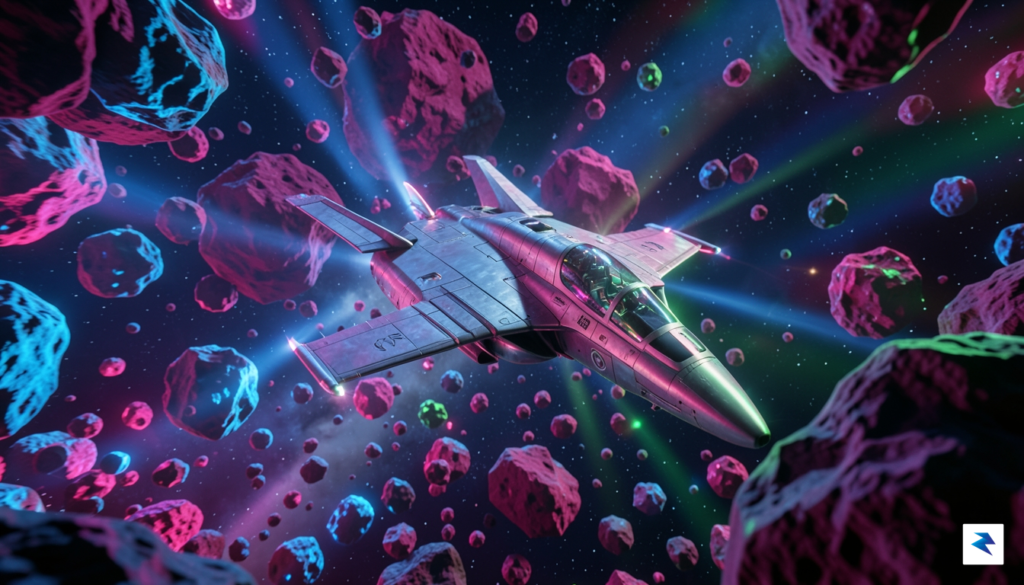
The technical benefits of this design choice are immediately apparent during high-speed aerial maneuvers. Because the game engine knows exactly where the player is looking and moving, it can utilize aggressive, sophisticated asset streaming and localized ray-tracing to render breathtaking “wow” moments that open-world titles often sacrifice for the sake of stability. Scripted events are no longer just static cutscenes; they are seamless sequences where the camera—tightly controlled by the developers—guides the player’s eye to notice subtle details like the heat haze radiating from an engine or the minute imperfections in a metallic bulkhead. This level of art direction creates a sense of presence that feels far more immersive than a landscape that spans miles but lacks the depth of a masterfully composed scene.
By trading the illusion of endless freedom for the reality of intentional design, Star Fox proves that visual fidelity is not merely a product of raw power, but of how effectively that power is directed toward a singular, focused vision.
Ultimately, this change in focus serves as a masterclass in hardware optimization. By removing the burden of procedural generation and vast, non-interactive spaces, the developers have successfully pushed the Switch 2 to its absolute limit, resulting in a visual standard that feels years ahead of its peers. It is a reminder that when a game stops trying to be everything to everyone, it gains the breathing room to be something truly spectacular for everyone who experiences it.
Technical Mastery: Lighting, Particle Effects, and the New Hardware Ceiling
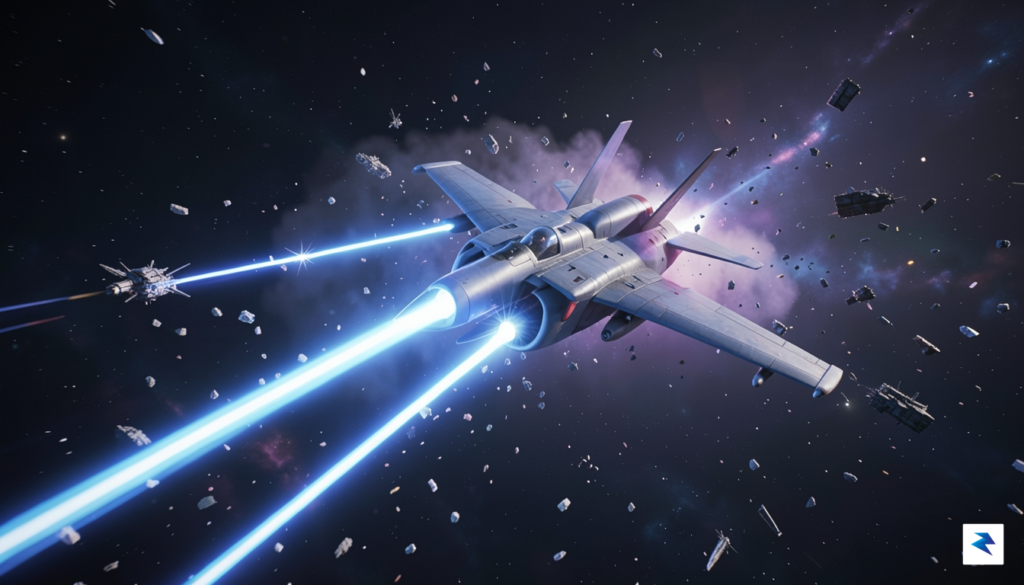
The most immediate revelation when piloting the Arwing in this new title is the application of real-time ray tracing, a feature previously considered unattainable on Nintendo’s mobile-hybrid architecture. As your craft banks through the neon-drenched asteroid belts of Corneria, the metallic fuselage reflects the surrounding environment with startling precision. Every bolt and wing-flap catches the harsh glare of nearby stars, with light bouncing off the hull to create dynamic, shifting highlights that respond instantly to your maneuvers. This isn’t just a static texture map; it is a sophisticated lighting simulation that gives the ship a tangible, physical presence, making the hardware feel less like a portable device and more like a high-end desktop workstation.
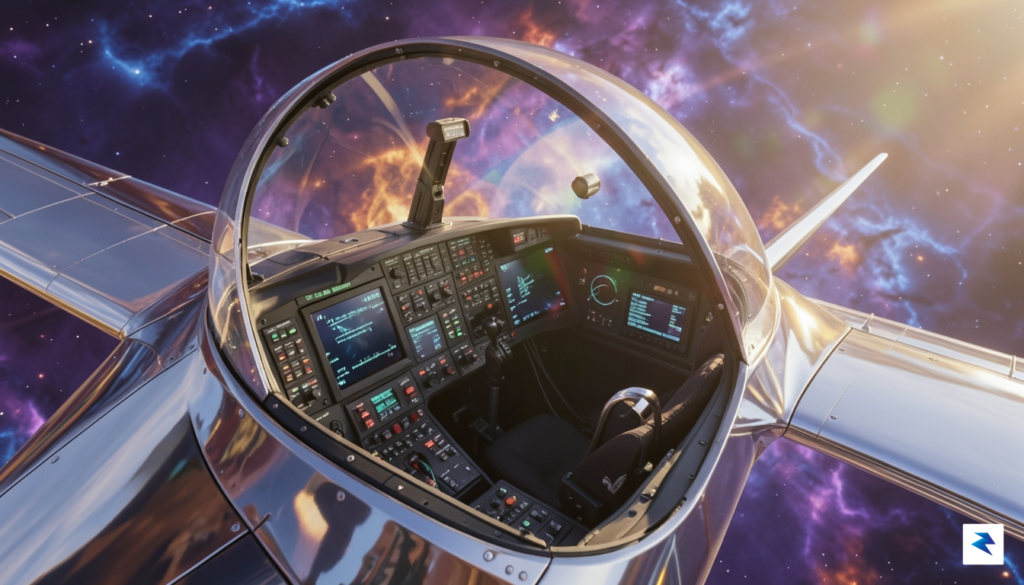
Beyond the surface reflections, the engine’s handling of volumetric fog and smoke creates a sense of scale that effectively obscures and reveals the battlefield in breathtaking ways. During intense dogfights, the debris from destroyed enemy fighters lingers in the vacuum, illuminated by the flickering exhaust trails of plasma weaponry. These volumetric effects add a crucial layer of depth to space, transforming what could have been a flat, empty void into a dense, atmospheric arena. The way light scatters through these clouds of particulate matter creates a soft, hazy glow around light sources, mimicking the behavior of real-world atmospheric optics with an accuracy that elevates the entire visual presentation.
Perhaps the most significant technical achievement is the sheer density of particle effects during massive combat sequences. When a capital ship detonates, the screen is flooded with thousands of individual fragments, sparks, and shockwave distortions that move independently across the display. Despite this immense computational load, the engine maintains a rock-solid frame rate, ensuring that the frantic nature of the combat never results in stutter or input lag. This consistency suggests a highly optimized rendering pipeline that manages to juggle complex physics and lighting calculations without compromising the fluid gameplay experience that defines the franchise.
The marriage of high-fidelity ray tracing and aggressive particle management proves that the new hardware isn’t just a modest upgrade, but a generational leap in how portable systems handle complex geometry and light.
Ultimately, this technical showcase demonstrates that the development team has pushed the boundaries of the Switch 2’s underlying silicon to its absolute limit. By prioritizing these specific rendering techniques, the game achieves a level of visual fidelity that feels remarkably mature. It is a clear statement of intent: the era of sacrificing visual complexity for the sake of portability is officially over, replaced by a new standard where lighting, physics, and performance coexist in perfect harmony.
The Art of Nostalgia: Balancing Modern Graphics with Classic Mechanics
Revitalizing a foundational title like Star Fox is a delicate tightrope walk; developers must respect the sacred memory of the original Nintendo 64 experience while proving that the franchise belongs in the modern era. Simply slapping high-resolution textures onto aging polygons is rarely enough to satisfy a modern audience, as true modernization requires a fundamental understanding of what made the game feel so revolutionary in the first place. This latest iteration succeeds by treating the original’s frenetic, arcade-style rhythm as the heartbeat of the project, ensuring that every barrel roll and laser blast feels as tight and responsive as it did decades ago. By preserving the core mechanical loop—the relentless forward momentum, the split-second decision-making, and the satisfying cadence of scoring chains—the developers have created an experience that feels remarkably comfortable to veteran pilots while remaining accessible to newcomers.
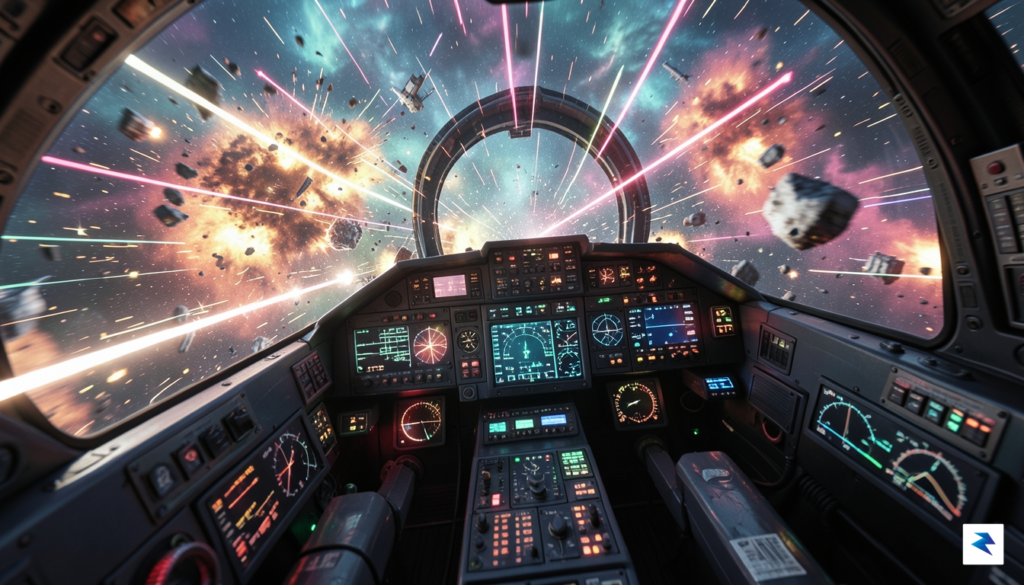
The psychology of nostalgia in gaming often hinges on how well a remake can replicate the feeling of the past, rather than just the visual layout. When a player dives into this rendition, they are greeted by a world that looks exactly how their imagination remembers it, only sharpened by the power of the Switch 2’s hardware. This visual fidelity acts as a bridge; it removes the friction of clunky 90s-era graphics, which allows the player’s muscle memory to take over without the distraction of visual muddiness. By utilizing advanced lighting engines and fluid particle effects, the environments feel alive and reactive, turning what was once a series of static corridors into a breathtaking, immersive theater of war. The modernity here doesn’t overwrite the past; it amplifies it, proving that the original design philosophy was timeless.
The genius of this remake lies in its restraint; it understands that the soul of Star Fox is defined by its pace, and the visuals serve only to heighten that intensity.
Ultimately, the marriage of classic arcade mechanics and cutting-edge graphical prowess serves a greater purpose: it validates the longevity of the series. By iterating on the original’s rhythmic gameplay, the studio has avoided the common pitfall of over-complicating a simple, effective formula. Instead, they have focused on how light, shadow, and frame-rate stability can enhance the visceral thrill of an asteroid field navigation or a boss encounter. This approach ensures that the game doesn’t just look like a modern milestone, but plays like one as well. It is a masterclass in balance, demonstrating that when a developer honors the legacy of an original work with genuine care, the resulting experience becomes something that transcends mere nostalgia, establishing itself as a definitive pillar of the platform’s library.
What Star Fox Means for the Future of Nintendo Switch 2 Development
The arrival of Star Fox on the Switch 2 serves as far more than a simple technical showcase; it acts as a definitive blueprint for how Nintendo intends to bridge the gap between stylized artistry and cutting-edge hardware performance. By prioritizing a refined, high-fidelity aesthetic over the industry’s often hollow pursuit of sheer polygon counts, Nintendo has demonstrated that the console’s architecture is capable of delivering a premium, cinematic experience that feels both modern and timeless. This success suggests a future where Nintendo titles will lean heavily into bespoke visual techniques—such as advanced ray-traced lighting and dynamic particle systems—to ensure their iconic franchises remain at the vanguard of graphical excellence throughout the console’s lifecycle.
This commitment to “quality over quantity” marks a pivotal shift in how the industry approaches hardware marketing. Rather than competing in the exhausting arms race of raw processing power, Nintendo is positioning the Switch 2 as a platform where artistic intent is fully realized through hardware efficiency. Future developers will likely look to this milestone as a guiding light, realizing that optimizing for the unique strengths of the Switch 2’s chipset can produce results that rival, or even surpass, more traditionally “powerful” platforms. It proves that when software is crafted with a deep understanding of the silicon underneath, the resulting visual fidelity can be transformative, shifting the consumer focus back toward the emotional impact of the game rather than just the technical specs on the back of a box.
The true power of the Switch 2 isn’t found in a benchmark report, but in the seamless, breathtaking fluidity of a franchise that has finally found its visual home.
For visual enthusiasts and long-time fans alike, this title is an essential purchase, representing the gold standard for what the next generation of portable gaming can achieve. It establishes a high bar that sets the tone for the platform’s longevity, assuring players that the Switch 2 will not merely be a modest upgrade, but a powerhouse capable of sustaining visually ambitious experiences for years to come. By effectively balancing performance with unparalleled aesthetic polish, this game ensures that the console will remain relevant and competitive, proving that Nintendo’s vision for the future of gaming is not just about keeping pace with others, but about defining the standard for excellence itself.