The Economic Shift: Why Investors Are Fleeing Broadway Musicals
The financial bedrock upon which Broadway has stood for decades is currently undergoing a seismic transformation, leaving producers and creative teams scrambling to justify their budgets. For years, the theater industry operated on a high-stakes, high-reward model that attracted wealthy “angels” willing to gamble on the next big creative breakthrough. However, the sheer cost of mounting a production today—fueled by skyrocketing expenses for intricate scenic design, elaborate costume departments, and necessary adjustments to union wage scales—has created a barrier to entry that feels increasingly insurmountable. As production budgets for a standard musical now routinely soar well beyond the $15 million mark, the margin for error has vanished, forcing investors to scrutinize every line item with a level of skepticism that was previously reserved for more volatile asset classes.
Compounding these operational pressures is the broader macroeconomic environment, which has fundamentally altered the behavior of theatrical venture capital. In an era of sustained high interest rates, the opportunity cost of parking millions of dollars in a Broadway production has never been higher. When investors can achieve respectable returns through lower-risk financial instruments, the allure of the “Great White Way”—with its notoriously long recoupment periods and frequent total losses—begins to lose its luster. Consequently, the donor class has become remarkably skittish, shifting their capital away from the experimental, “risky” original concepts that once defined the industry’s avant-garde spirit. Instead, money is flowing heavily toward “safe” bets: adaptations of proven intellectual property (IP), such as established film franchises or jukebox musicals featuring nostalgic songbooks.

The industry is moving away from the “artistic gamble” toward a “calculated investment” model, where the brand recognition of a title must do the heavy lifting that original storytelling used to perform.
This pivot toward established IP represents a fundamental defensive strategy against the volatility of the current market. By betting on stories that audiences are already familiar with, producers hope to mitigate the significant marketing spend required to build an audience from scratch. However, this trend creates a precarious cycle: as original works are sidelined for safer, derivative fare, the ecosystem that fosters genuine innovation and the next generation of theater icons begins to atrophy. For the investor, the math remains cold and unforgiving; for the theatergoer, the result is a stage increasingly crowded with echoes of the past rather than the bold, unpredictable voices of the future. Unless the economic model finds a way to bridge the gap between necessary production costs and realistic investor appetites, the “new musical drought” may prove to be a long-term fixture rather than a temporary slump.
The Star Power Paradox: Hollywood’s Impact on New Productions
The modern Broadway ecosystem has become increasingly defined by a precarious financial landscape, where the cost of mounting a production often reaches tens of millions of dollars. To hedge against the staggering risk of failure, producers have turned to the “name above the title” strategy, favoring Hollywood A-listers over the seasoned, career stage performers who once served as the backbone of the theater industry. While a recognizable face from a blockbuster film or a streaming hit can generate the immediate, frantic ticket demand necessary to recoup initial investments, this reliance creates a “Star Power Paradox.” By prioritizing marketability over pure theatrical craft, the industry inadvertently stifles the development of original material that doesn’t rely on pre-sold celebrity appeal to fill the house.
This shift has fundamentally altered the structural lifecycle of Broadway shows. Rather than investing in long-term, open-ended commercial runs that allow a production to build a reputation through word-of-mouth and artistic merit, producers are increasingly opting for short-term, limited engagements. These runs are often tailored specifically to the availability of a celebrity lead, creating a “boutique” theater model that prioritizes a quick return on investment over the sustained growth of a new musical. Consequently, the development process for original scripts is often bypassed or truncated to fit a star’s schedule, leaving little room for the rigorous workshops and out-of-town tryouts that historically refined Broadway classics into enduring hits.
The reliance on celebrity casting acts as a double-edged sword: it provides an immediate fiscal safety net while simultaneously narrowing the creative pipeline for new, star-agnostic musical storytelling.
Furthermore, the trend has significant ripple effects on the broader acting community. When casting directors view every lead role through the lens of box-office viability, the opportunities for dedicated stage actors to headline new works continue to dwindle. This creates a challenging environment for the next generation of Broadway stars, who find fewer avenues to develop the specialized stamina and technical range required to carry an eight-show-a-week performance schedule. As the industry continues to chase the safe bet of Hollywood recognition, it risks alienating the very audience that values the unique, ephemeral magic of live performance—a magic that relies on the raw talent of the performer, rather than the secondary recognition of their screen presence.
Real Estate Realities: How Theater Ownership Stifles Innovation
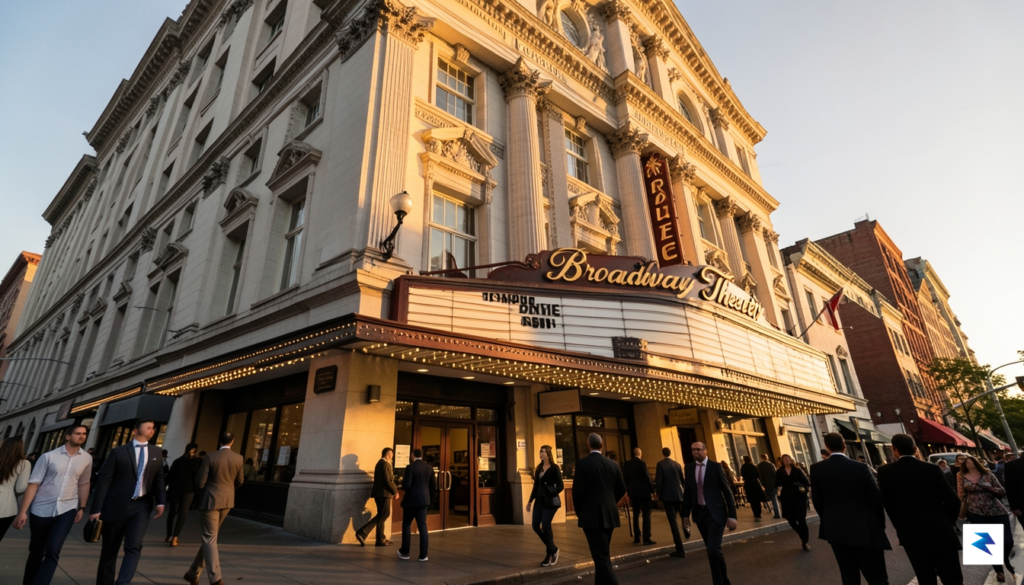
The physical landscape of Broadway is not merely a collection of artistic venues; it is a tightly controlled real estate market dominated by three primary landlords: The Shubert Organization, the Nederlander Organization, and Jujamcyn Theaters. Together, these entities own or operate the vast majority of the district’s 41 theaters, creating a bottleneck that dictates the commercial viability of every new musical. Because these theater owners often function as co-producers or take a significant cut of the gross box office receipts in addition to base rent, they possess a vested interest in prioritizing shows with low risk and high longevity. This structural arrangement inherently favors established intellectual property—such as movie adaptations or jukebox musicals—over original, experimental works that require time to build a cult following.
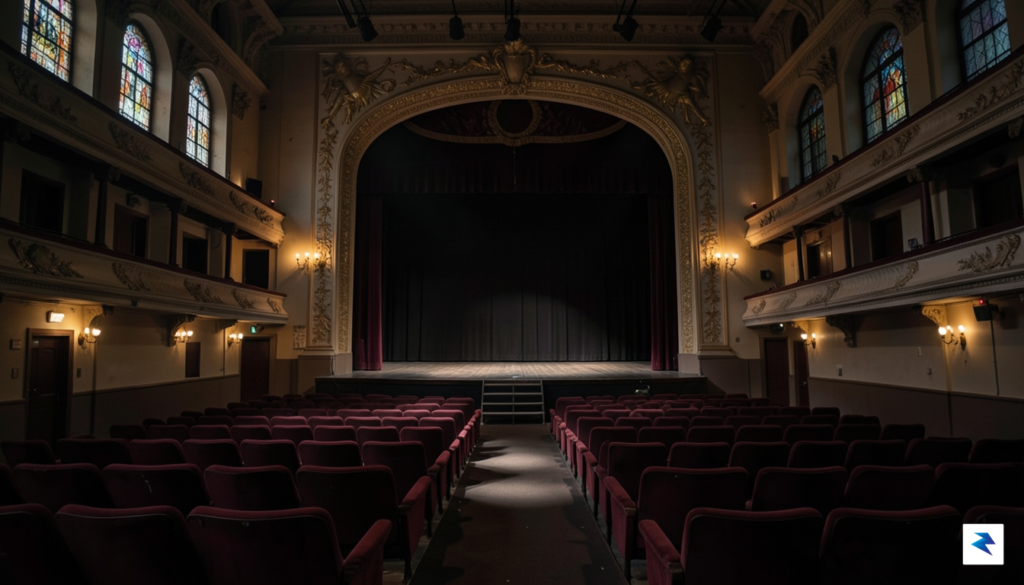
The booking process itself acts as a formidable gatekeeper. Producers of new musicals are not merely renting space; they are entering into complex partnerships where the theater owner must be convinced of a show’s projected “recoupment” speed. When overhead costs—which include exorbitant union labor fees, insurance, and the physical maintenance of aging, landmarked buildings—are factored in, the financial threshold for a “successful” show becomes prohibitively high. Consequently, theater owners are hesitant to gamble on a risky, unproven production that might close in three months, leaving a dark stage and a loss of revenue. They would much rather sign a long-term contract with a reliable, bankable hit that guarantees a steady stream of income for years to come.
The reliance on long-running hits is a structural necessity of the current real estate model, where the high cost of maintenance in historic buildings forces landlords to prioritize stability over artistic risk-taking.
Beyond the financial pressures, the physical geography of Broadway presents a technical hurdle for innovation. Many of these theaters were constructed over a century ago, featuring cramped wings, limited stage depth, and restricted rigging capacity that cannot easily accommodate the massive, high-tech set designs expected of modern musical theater. When a producer aims to stage a show that relies on complex automation or innovative projection mapping, they often find that the available historic venues are physically incompatible. This forces creative teams to either scale back their vision to fit the constraints of the building or invest millions in expensive, custom retrofitting—an added expense that further discourages the development of daring, technically ambitious new works. Ultimately, the rigid brick-and-mortar reality of the Great White Way functions as a conservative force, ensuring that the musicals we see are often defined as much by their ability to fit into a specific theater as by the quality of their music or narrative.
The Creative Risk Assessment: Why Producers Are Playing It Safe

In the current theatrical landscape, the financial barrier to entry has transformed Broadway from a laboratory of artistic discovery into a high-stakes arena of asset management. With the capitalization costs for a new musical now routinely exceeding $20 million, the margin for error has vanished. When producers face the daunting reality of recouping such massive investments, the “original” musical—a production built from the ground up with no existing fan base—is increasingly viewed as a liability rather than a creative triumph. Consequently, the industry has pivoted toward a strategy of risk mitigation, prioritizing intellectual property (IP) that comes with built-in brand recognition and a pre-sold audience.
This shift has solidified the dominance of two specific models: the film-to-stage adaptation and the jukebox musical. By leveraging the nostalgia associated with beloved movies or the catalog of a legendary pop star, producers can significantly lower the “discovery cost” of a show. When a theatergoer walks up to the box office, they are far more likely to gamble a $200 ticket price on a title they recognize from their childhood or a soundtrack they have been listening to for decades. This consumer behavior has created a feedback loop where original narratives are squeezed out of the marketplace, not necessarily because they lack merit, but because they lack the safety net of familiarity that investors now demand.
The modern Broadway business model treats the stage less like a platform for new voices and more like a franchise engine, where the primary goal is to minimize the uncertainty of the opening night reception.
Furthermore, the reliance on jukebox musicals—which repurpose existing pop hits to frame a narrative—has become a cornerstone of this risk-averse environment. These shows provide an immediate emotional connection for audiences who already feel a sense of ownership over the music. While critics often lament the lack of innovation in this trend, the economic data tells a compelling story of survival. For a producer, the jukebox musical offers a clear, predictable value proposition that can sustain a long run, whereas a purely original work requires a massive, sustained marketing push to build an audience from scratch. In an era where ticket prices are at an all-time high, the perceived “value” of a brand-name show provides the comfort that many tourists and occasional theatergoers require before committing their hard-earned money.
Ultimately, this trend creates a cycle that is difficult to break. As long as the financial stakes remain tethered to blockbuster-level budgets, the incentive to bet on a daring, unproven original story will remain dangerously low. Investors are not necessarily opposed to art, but they are undeniably allergic to the unknown. Until the economic structure of Broadway shifts to accommodate smaller, more experimental productions, the marquee will continue to be dominated by the ghosts of cinema and the melodies of the past, leaving original storytelling to struggle for space in a crowded, high-cost ecosystem.
The Future of the Broadway Musical: Sustainability and Adaptation
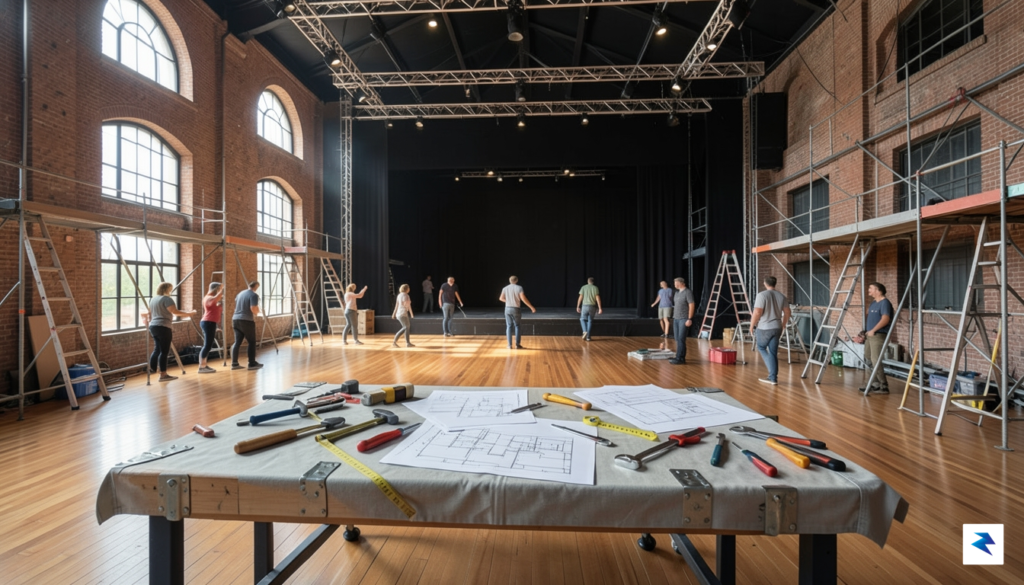
The current theatrical landscape may feel sparse, but viewing this lull as a permanent decline ignores the cyclical nature of Broadway’s creative evolution. Rather than signaling an end, the industry is entering a period of vital recalibration, forcing producers to abandon the “go big or go home” philosophy that has dominated the last two decades. We are already witnessing a pivot toward more intimate, character-driven storytelling that relies on innovative staging rather than expensive, gravity-defying spectacles. This shift toward smaller-scale productions not only lowers the astronomical barrier to entry but also encourages a more adventurous spirit, allowing for experimental narratives that might have been deemed too risky for a multi-million-dollar budget.
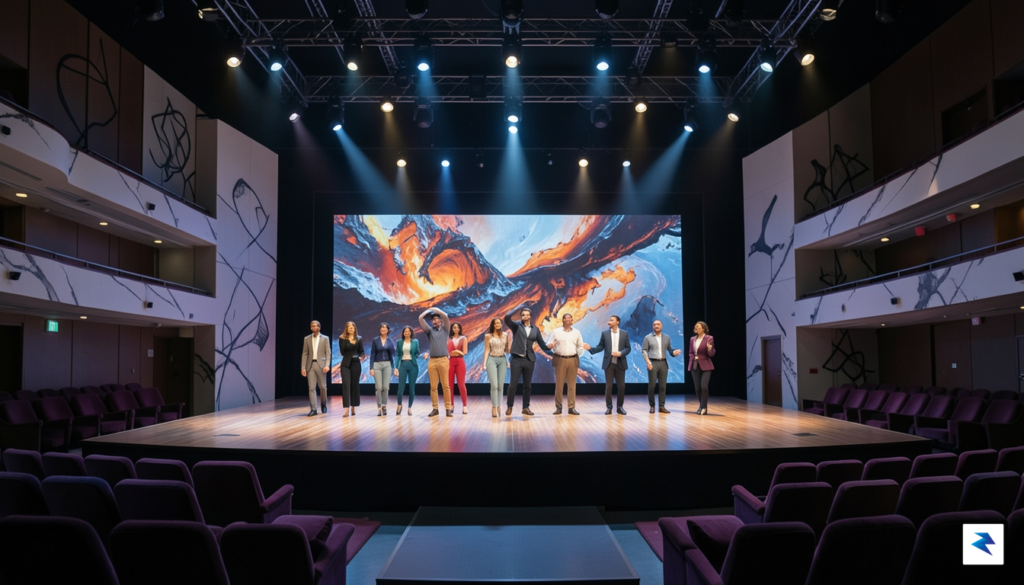
A significant component of this transformation lies in the strengthening of regional theater-to-Broadway pipelines. By testing new musicals in markets where the overhead is manageable—such as Chicago, Boston, or D.C.—producers can refine their shows through iterative development cycles before ever approaching a New York stage. This deliberate “out-of-town” strategy ensures that by the time a musical arrives on 42nd Street, it has already cultivated a loyal following and solved its narrative structural issues. This model effectively democratizes the development process, fostering a healthier ecosystem where shows are built on artistic merit and audience resonance rather than speculative financing.
The future of Broadway depends on moving away from the “event-only” mentality and cultivating a broader, more sustainable model that prioritizes narrative depth over technical extravagance.
Furthermore, the way shows find their audiences is undergoing a radical digital transformation. The traditional reliance on broad, expensive print advertising is rapidly giving way to hyper-targeted social media campaigns that meet younger theatergoers where they live. Platforms like TikTok and Instagram have become crucial engines for discovery, where a single viral clip of a song can generate more ticket demand than a glowing review from a traditional legacy critic. By leveraging these digital communities, producers can now build anticipation months in advance, creating a grassroots momentum that sustains a show through its initial opening months and beyond. As the industry learns to marry this modern digital savvy with traditional stagecraft, the next generation of musicals will be better positioned to find their footing in an increasingly crowded entertainment market.