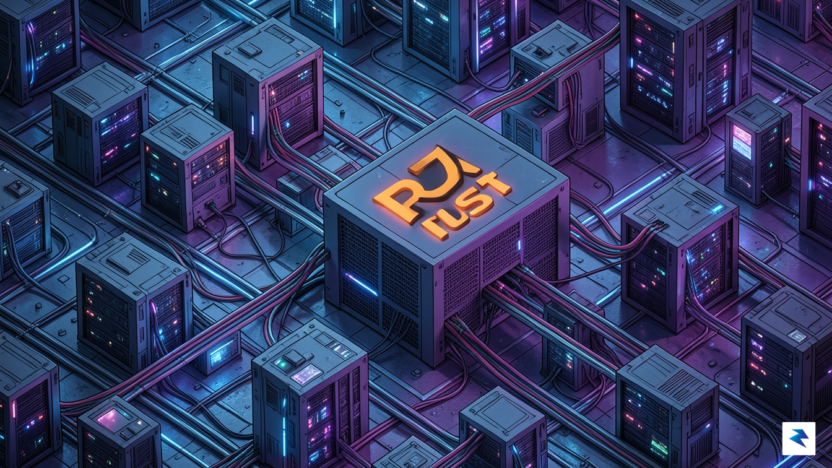
The Centralization Problem in Modern Software Packaging
The evolution of modern package management has been defined by a relentless pursuit of friction-free development. In the early days of programming, distributing code was a laborious process of manual archiving and version tracking. The rise of centralized registries, such as crates.io for the Rust ecosystem, revolutionized this landscape by providing a single, reliable source of truth. However, this convenience has come at a hidden cost: the silent, almost invisible tethering of the entire development lifecycle to a single hosting platform. As developers have prioritized speed and ease of integration, GitHub has evolved from a simple code-hosting service into the de-facto infrastructure layer for the open-source world.

This reliance on a single platform creates a dangerous bottleneck that threatens the long-term autonomy of the Rust community. When we rely on GitHub’s API for issue tracking, pull requests, and automated dependency resolution, we are essentially outsourcing the governance of our ecosystem to a private corporation. While the integration between Cargo and GitHub is undeniably seamless, it reinforces a monoculture where code that isn’t hosted on that specific platform becomes second-class citizen material. This centralization makes it difficult for alternative, decentralized, or self-hosted platforms to gain traction, as they lack the deep, built-in tooling support that developers have come to expect as a standard requirement.
The true strength of open source lies in its portability and resilience; when our tools become dependent on a single corporate infrastructure, we sacrifice the very freedom that defines our craft.
Furthermore, the ubiquity of this platform creates a single point of failure that the industry has largely ignored in favor of immediate productivity. If the platform were to experience an extended outage, change its terms of service, or alter its accessibility policies, the ability to maintain, update, and audit Rust crates could be severely compromised overnight. We have traded the robustness of a distributed version control system—which Git was explicitly designed to be—for the convenience of a centralized dashboard. To preserve the integrity of the Rust ecosystem, the community must begin to decouple its publishing workflows from the specific features of any single hosting provider. By diversifying our infrastructure, we ensure that the future of Rust remains in the hands of the developers who build it, rather than the platforms that happen to host it today.
Why Relying on GitHub for Rust Crates is a Vulnerability

The modern software supply chain is built upon layers of trust, but relying heavily on a single proprietary platform for identity and infrastructure introduces a dangerous point of failure. When the Rust ecosystem ties its ability to publish packages to a specific third-party provider, it effectively delegates its sovereignty to that company’s corporate boardrooms. By making GitHub the de facto gatekeeper for identity verification and issue management, we create a situation where the longevity of our software infrastructure is tethered to the operational health and policy decisions of one entity. If that platform experiences a major outage, changes its authentication protocols, or alters its terms of service, the entire pipeline for pushing critical security updates to crates.io can grind to a halt, leaving maintainers helpless and the ecosystem vulnerable.
Vendor lock-in is not merely a matter of inconvenience; it represents a significant strategic risk. Consider the implications of account suspensions or platform-wide policy shifts that might occur without warning. If a core contributor’s GitHub account is suddenly restricted, they may find themselves locked out of their ability to maintain, patch, or release updates for their packages. This creates a scenario where the open-source spirit of collaboration is subordinate to the proprietary rules of a single, profit-driven corporation. Furthermore, as platforms evolve, they often introduce changes to their APIs or authentication workflows that can retroactively break existing integrations. For a language that prides itself on reliability and long-term stability like Rust, this reliance on an external, opaque platform is an architectural fragility that we cannot afford to ignore.
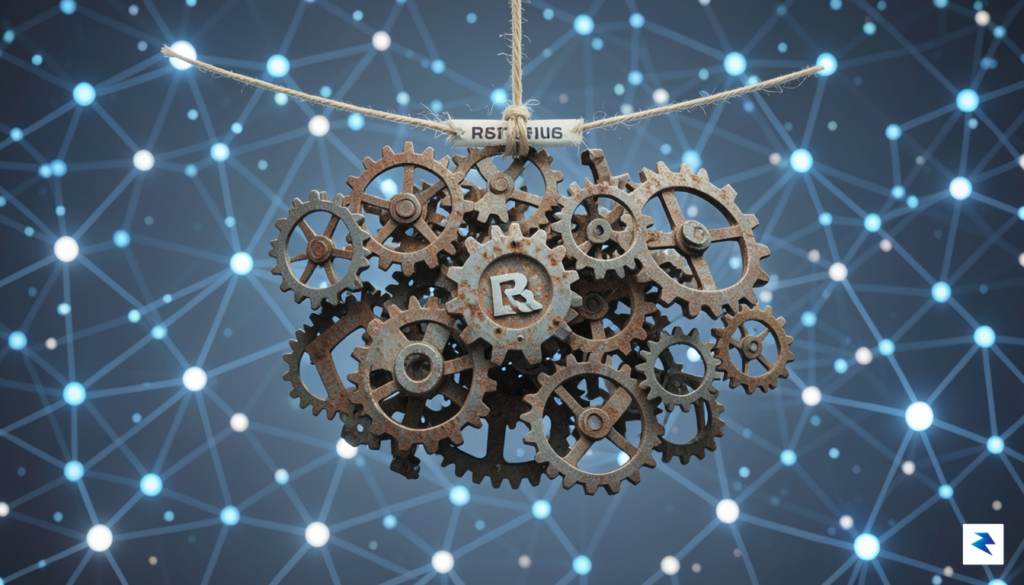
The true strength of an ecosystem is measured by its independence; when we anchor our publishing infrastructure to a single platform, we trade our autonomy for a convenience that may become a liability overnight.
Beyond the technical risks of downtime, there is a fundamental philosophical concern regarding the centralization of community governance. When identity is synonymous with a GitHub profile, the community effectively loses the ability to define its own standards for reputation and trust. We must ask ourselves whether it is sustainable for the most vital building blocks of the Rust language to be hosted on a platform that could, at any moment, change its focus, deprecate its free tiers, or introduce restrictive data-harvesting practices. By diversifying our infrastructure and decoupling our publishing workflows from a single proprietary host, we can build a more resilient, self-sustaining ecosystem. True decentralization requires that we prioritize open standards and platform-agnostic tooling to ensure that the work of our maintainers remains accessible regardless of the shifting tides in the tech industry.
The Case for Decentralization in the Rust Ecosystem

The reliance on a single, centralized platform for the lifeblood of the Rust ecosystem—the source code behind our crates—is a hidden vulnerability that the community can no longer afford to ignore. When we tether the legitimacy of a package to its presence on a specific, proprietary hosting service, we inadvertently surrender a degree of our digital sovereignty. True decentralization is not merely a technical preference; it is a foundational pillar for a resilient software supply chain that remains accessible, permissionless, and impervious to the whims of corporate policy changes or infrastructure outages. By decoupling the act of publishing to crates.io from the necessity of hosting repositories on one specific platform, we empower developers to choose environments that best serve their needs, whether that means utilizing the open-source architecture of GitLab, the community-driven ethos of Codeberg, or the total autonomy of self-hosted infrastructure.
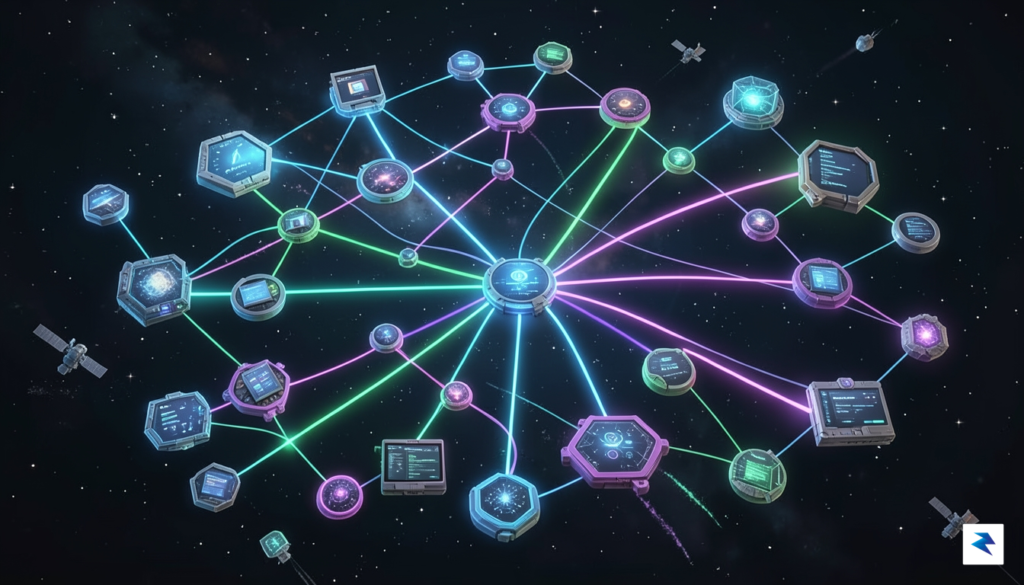
Embracing a broader spectrum of hosting solutions is fundamentally a matter of security and long-term community health. When the community centralizes its knowledge and contribution workflow in one silo, it creates a single point of failure that is susceptible to geopolitical pressure, account suspensions, or platform-wide downtime. If we normalize the use of diverse hosting platforms, we distribute the risk, ensuring that the Rust ecosystem remains robust against the potential disappearance or gatekeeping of any single provider. Furthermore, this shift encourages a culture of interoperability; it forces our tooling to remain platform-agnostic, which in turn benefits every developer who values the freedom to move their projects without friction. A healthy ecosystem is one where the code—not the platform—is the primary citizen.
True sovereignty in open source requires that our infrastructure reflects our values: accessibility, redundancy, and the freedom for developers to build wherever they feel most secure.
Beyond the practical security benefits, there is a profound philosophical imperative to reclaim our autonomy as creators. The Rust community has always prided itself on being a language of reliability and performance, but these qualities should extend to the way we distribute our collective work. Relying on a corporate giant for the hosting of our source code creates a subtle dependency that can stifle innovation and discourage contributors who operate outside of popular, mainstream ecosystems. By diversifying our hosting footprints, we create a more inclusive environment that welcomes contributors from all walks of life, regardless of their platform preferences or regional access limitations. This shift towards decentralization is not about abandoning existing tools, but about ensuring that no single entity holds a monopoly over the visibility and accessibility of the Rust community’s most valuable asset: its code.
Technical Hurdles and How to Decouple Crates.io
The current architecture of crates.io relies heavily on GitHub as an implicit identity provider and a primary source of truth for repository metadata. When a developer authenticates or publishes a crate, the underlying mechanisms are deeply intertwined with GitHub’s OAuth infrastructure, effectively creating a platform lock-in that restricts the ecosystem’s resilience. This tight coupling exists because the registry uses GitHub’s API to verify repository existence, ownership, and contribution history, treating the platform as a centralized gatekeeper. From a technical perspective, this reliance introduces a single point of failure; if GitHub experiences an outage or changes its API policies, the Rust community’s ability to distribute code becomes immediately compromised.
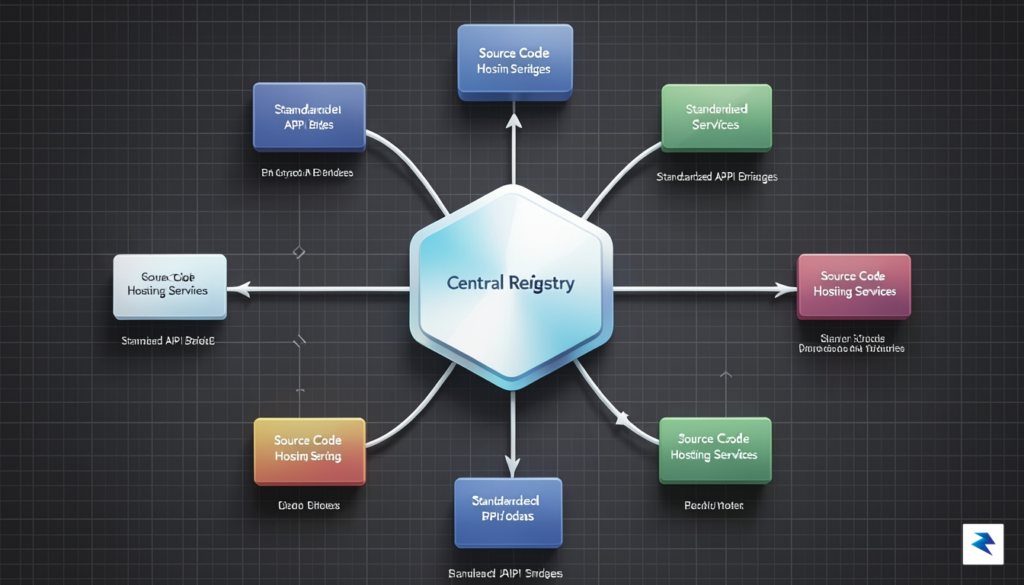
To decouple the registry from this dependency, we must fundamentally rethink how authentication and metadata verification function within the Cargo ecosystem. One viable path forward is the integration of OpenID Connect (OIDC), which would allow developers to authenticate using a broader range of identity providers beyond just GitHub. By shifting from platform-specific OAuth to a standardized identity protocol, crates.io could delegate authentication to any compliant service, thereby removing the necessity for the registry to act as a proprietary client of one specific provider. This transition would not only enhance security by reducing the scope of necessary API permissions but also allow for a more modular authentication flow that accommodates self-hosted Git instances or enterprise-grade identity solutions.
Beyond authentication, we must address the issue of repository verification. Currently, the registry often expects a GitHub-hosted URL to confirm that a project is legitimate and accessible. To move toward an agnostic model, the community could implement decentralized identity protocols or cryptographic proof-of-origin mechanisms. For instance, packages could include a signed manifest that validates the source code against a hash, regardless of where that code is hosted. By moving the verification logic from “is this hosted on GitHub?” to “is this code cryptographically signed by the crate owner?”, we effectively sever the technical link between the registry and any specific hosting platform.
Decoupling is not merely an architectural preference; it is a critical defensive measure against systemic fragility. By diversifying our infrastructure, we ensure that the Rust ecosystem remains as robust and decentralized as the language it supports.
Implementing these changes will undoubtedly require a significant investment in technical debt remediation, particularly regarding how Cargo handles registry interactions. However, the long-term benefits of a platform-agnostic distribution system cannot be overstated. By transitioning to a model based on open standards like OIDC and cryptographic provenance, we provide developers with the freedom to host their source code wherever they choose—be it GitLab, SourceHut, or a private server—without sacrificing the reliability or ease of use that crates.io currently provides. This evolution is the necessary next step in maturing the Rust toolchain into a truly platform-independent asset for the global software community.
Building a More Resilient Future for Open Source

The long-term vitality of the Rust ecosystem depends on our collective ability to decouple our creative output from the whims of a single corporate entity. While GitHub has undoubtedly provided a convenient home for our repositories, tethering the entire lifecycle of a crate to one platform creates a dangerous single point of failure. If we truly aspire to build the foundational infrastructure of the next century, we must design our processes to be inherently resilient, portable, and platform-agnostic. Relying on proprietary features or platform-specific workflows effectively limits the longevity of our shared codebases, making them vulnerable to corporate policy shifts or accessibility outages that remain entirely outside of our control.
Towards a Decentralized Infrastructure
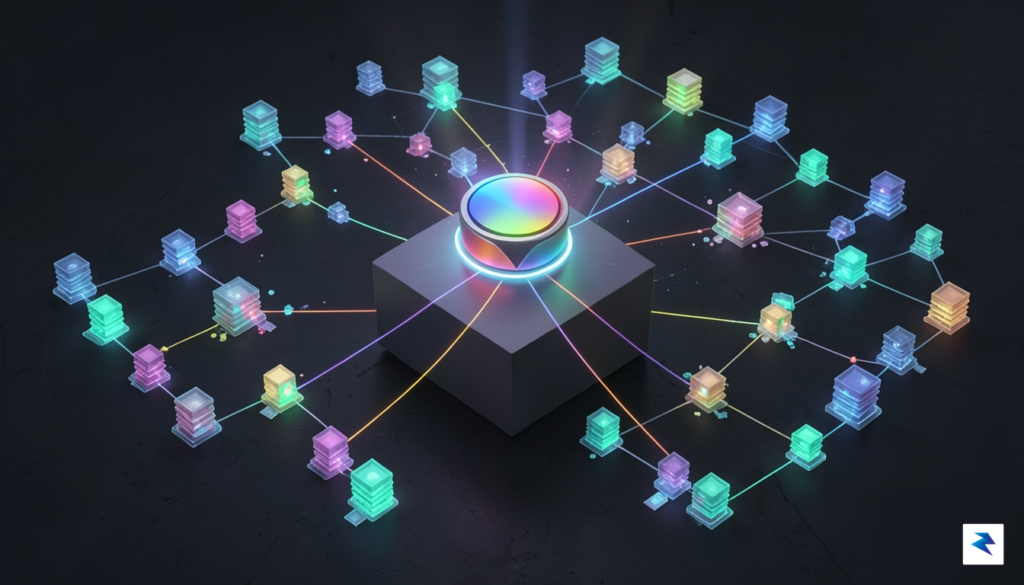
To realize this vision of independence, the Rust community must shift its focus toward standardizing interoperability across the development lifecycle. This involves moving beyond the assumption that every contributor possesses a GitHub account and instead championing tools that support federated workflows and self-hosted alternatives. Maintainers can play a pivotal role by diversifying their mirror strategies, ensuring that their work is reachable through multiple protocols and hosting providers. By treating the platform as a replaceable commodity rather than an essential component of the language, we protect our collective investment in open-source stability.
True digital sovereignty in open source requires that we prioritize open standards and portable workflows over the convenience of proprietary convenience tools.
The team managing crates.io holds the keys to this transition. By prioritizing architectural improvements that decouple package metadata from external platform requirements, they can empower developers to host their source code wherever they see fit without sacrificing visibility or trust. We should advocate for a future where the registry acts as a neutral, decentralized hub—one that validates code integrity through cryptographic signatures rather than relying on third-party authentication tokens. This shift would provide a significant boost to the security and long-term viability of every project hosted within the ecosystem.
Ultimately, the call to action for the Rust community is clear: we must treat infrastructure independence as a first-class priority rather than an afterthought. Whether you are a maintainer of a popular crate or a daily contributor, start by auditing your project’s reliance on platform-specific features and explore ways to diversify your hosting footprint. Let us commit to building a future where Rust remains the language of choice not just for its performance and safety, but for the unwavering resilience of the infrastructure that supports it. It is time to ensure that our contributions outlast the platforms that house them today.