
Understanding Facebook's New AI Creator Companion
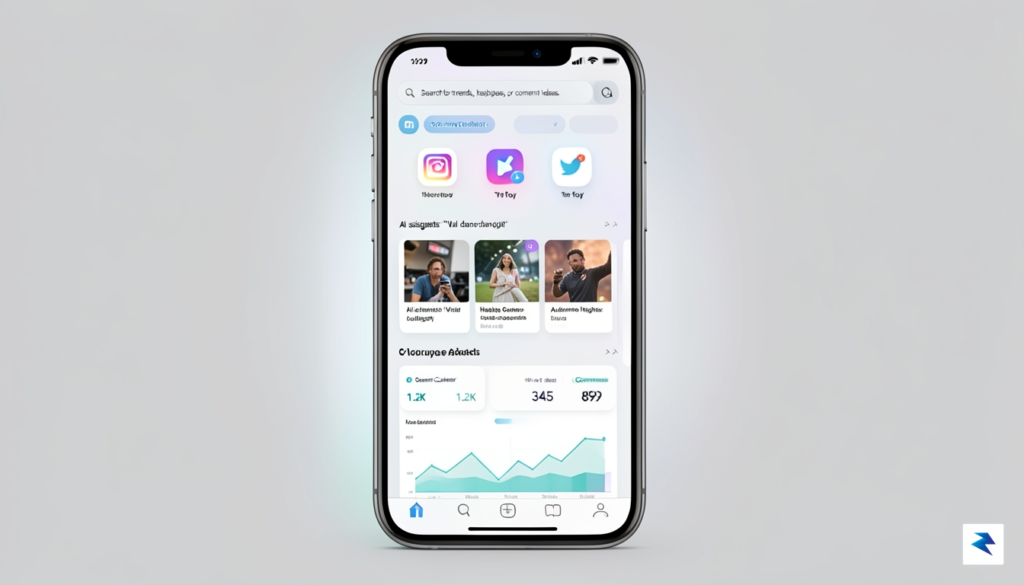
Meta has officially signaled a major pivot in its strategy, moving beyond the traditional social networking architecture to focus heavily on the professional needs of its content makers. By testing a new, dedicated AI companion app, the company is attempting to transition from being a simple distribution platform to becoming a comprehensive partner in the creative process. This shift acknowledges that modern digital presence requires more than just a place to post; it requires a sophisticated toolkit capable of managing the complexities of audience engagement, content scheduling, and data analysis in real-time. By centralizing these disparate tasks into one streamlined interface, Meta aims to reduce the administrative burden that often leads to creator burnout.
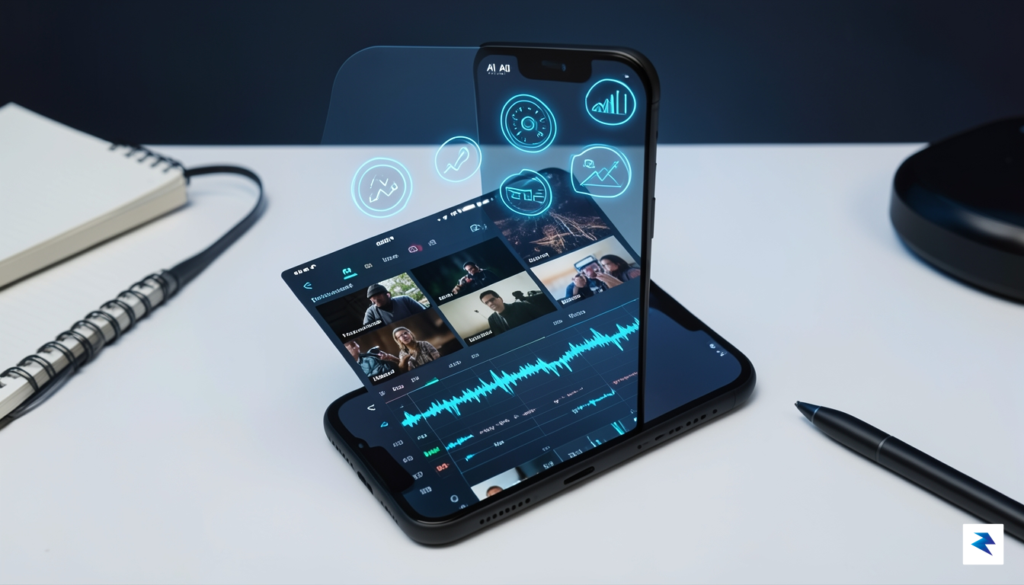
Unlike traditional content management systems that focus primarily on storage or basic scheduling, this new AI-driven tool acts more like a virtual strategist. The “assistant” nature of the application is designed to proactively identify trends, suggest optimization techniques for engagement, and help creators navigate the often-opaque algorithms of Facebook and Instagram. Instead of forcing users to juggle multiple third-party apps for analytics, caption generation, and community management, this companion seeks to provide an all-in-one ecosystem where high-level creative strategy meets daily operational execution. It is an attempt to shorten the distance between an initial idea and a polished, high-performing post, ensuring that creators spend less time on repetitive logistics and more time on high-value creative work.
The core philosophy behind this initiative is to eliminate the friction that keeps creators from thriving, transforming the platform into an intuitive environment that anticipates user needs rather than just reacting to them.
Currently, the application is in an exclusive testing phase with a select group of creators, a move that highlights Meta’s commitment to building a tool that actually solves real-world problems. By limiting the initial rollout, the development team can gather granular feedback on how the AI interprets creative intent and whether its suggestions truly improve performance metrics. This iterative approach is crucial, as the goal is to refine the assistant’s capabilities before a broader public release. As the testing continues, the insights gathered will likely dictate the app’s final feature set, ensuring that the software evolves in lockstep with the actual, shifting needs of the diverse creator ecosystem that sustains the platform’s vitality.
How the AI Assistant Streamlines Content Strategy

At the center of this new toolkit is a sophisticated AI engine designed to function as an always-on creative partner, effectively alleviating the mental fatigue that often plagues high-output content creators. By automating the more tedious aspects of the production cycle, the assistant allows creators to shift their focus from logistical management to high-level conceptual storytelling. Instead of staring at a blank screen, users can leverage the platform’s ideation suite to generate tailored content prompts based on their specific niche, audience demographics, and historical engagement data. This collaborative dynamic ensures that even during periods of creative burnout, creators have a reliable resource to spark fresh concepts and maintain a steady rhythm of publication.
From Data-Driven Ideation to Smart Scheduling
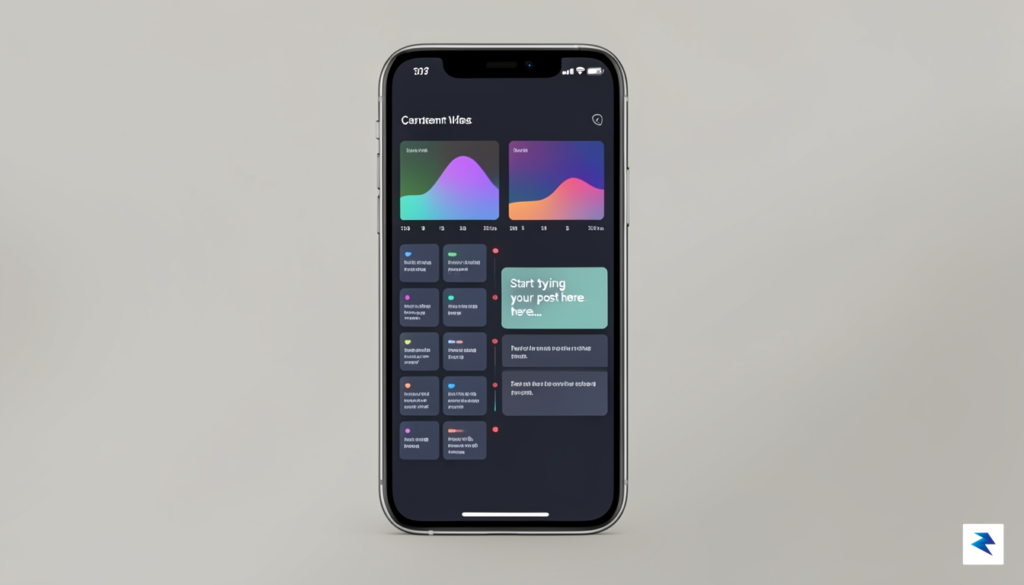
Beyond simple brainstorming, the app excels at automated trend identification, scanning vast quantities of real-time platform data to highlight emerging topics that align with a creator’s existing brand identity. This capability is not merely about jumping on viral trends; it is about strategically positioning a creator’s content to maximize visibility while staying relevant to their core community. Once a concept is selected, the AI seamlessly transitions into the execution phase via smart scheduling tools. By analyzing peak audience activity windows, the assistant proposes optimal posting times, ensuring that every piece of content reaches the maximum number of followers without requiring the creator to manually calculate engagement spikes.
The integration of AI into the creator ecosystem marks a shift from reactive posting to proactive strategic planning, allowing creators to act more like media companies and less like solo operators.
The technical integration between this AI companion and Facebook’s existing Creator Studio tools is perhaps its most significant advancement. By embedding these features directly into the infrastructure where creators already manage their assets, the app eliminates the friction of switching between third-party applications or disparate dashboards. The AI has deep access to existing performance metrics, which allows it to provide nuanced feedback on past posts, suggesting subtle tweaks to copy or visual styles that could improve future performance. This feedback loop creates a sophisticated, self-optimizing system where the strategy evolves alongside the audience. By handling the heavy lifting of data analysis and routine logistical management, the AI empowers creators to focus on what truly matters: the authenticity and quality of their voice in a crowded digital landscape.
Impact on Creator Workflow and Monetization
For many digital creators, the modern content landscape has become an exhausting treadmill of administrative burdens that often overshadow the creative spark. By automating the more tedious aspects of content management—such as scheduling posts, drafting engagement responses, and organizing production calendars—this new AI companion allows creators to reclaim their most valuable resource: time. When creators are no longer bogged down by the minutiae of platform logistics, they can pivot their energy back toward authentic storytelling and community cultivation. This shift is not merely about convenience; it is a fundamental change in how a creator’s business operates, effectively mitigating the common struggle with burnout while simultaneously raising the quality bar for every piece of content released.
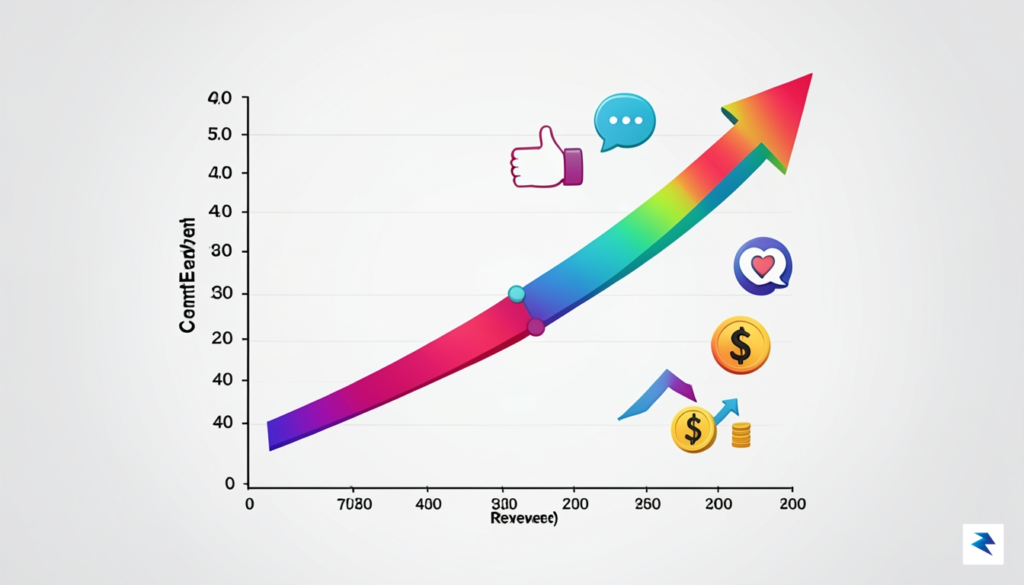
The relationship between consistent output and financial stability cannot be overstated. By leveraging AI-driven optimization, creators can ensure that their content is perfectly tuned for the algorithms that govern visibility, which directly translates into higher engagement rates and, consequently, increased ad revenue. When an assistant handles the technical heavy lifting, such as suggesting ideal posting windows or optimizing metadata, the likelihood of a post reaching its intended audience skyrockets. This increased reach acts as a force multiplier for monetization, as a more consistent and visible presence attracts higher-quality brand partnerships and more reliable platform payouts.

Beyond simple efficiency, the integration of deep-dive, data-driven insights provides creators with a sophisticated roadmap for growth. Understanding the nuances of audience demographics—such as peak activity times, preferred content formats, and specific topics that trigger the highest sentiment—allows creators to iterate on their strategies with surgical precision. Rather than relying on guesswork, creators can use the AI to identify emerging trends within their specific niche, tailoring their future work to align with what their audience is actively seeking. This strategic pivot transforms a creator’s channel from a collection of sporadic uploads into a highly optimized media business.
Efficiency is the engine of sustainability; by offloading repetitive tasks to AI, creators transform their workflow from a reactive struggle into a proactive, growth-oriented strategy that scales alongside their ambitions.
Ultimately, this technological shift empowers creators to move beyond the survival mode that plagues so many independent artists today. By fostering a more sustainable workflow, these tools provide the mental space required to experiment with new content styles and long-term projects that might otherwise be abandoned due to time constraints. As the barrier to professional-grade management is lowered, the ecosystem becomes more competitive yet more rewarding for those who successfully balance the data-driven requirements of the platform with the human-centric needs of their followers.
Addressing Privacy and Creative Authenticity

As Meta integrates sophisticated artificial intelligence into the creator ecosystem, the conversation inevitably shifts toward the sanctity of original expression. While the promise of automated assistance—ranging from script drafting to visual refinement—offers undeniable convenience, it introduces significant concerns regarding data sovereignty and the potential for content homogenization. Creators are rightfully protective of their intellectual property, fearing that the models fueling these tools might inadvertently assimilate their distinct styles or personal data without explicit consent. Ensuring that these AI models operate within a transparent framework, where user data is siloed and protected from broad training sets, is essential for maintaining the trust of the very community that keeps the platform vibrant.
The risk of homogenization poses an even more existential threat to the creative industry. When algorithms suggest similar hooks, trending formats, or predictable narrative structures, there is a distinct danger that unique voices will be smoothed over into a generic, platform-favored aesthetic. If every creator leans too heavily on AI-generated suggestions, the diverse landscape of digital storytelling risks collapsing into a feedback loop of repetitive, machine-optimized content. To combat this, creators must view these tools as a starting point rather than an authoritative source of truth. Human oversight remains the single most important component of the creative process; it is the unique lived experience and subjective intuition of the creator that provides a layer of resonance which machines simply cannot replicate.

True authenticity lies in the friction between human intent and technical execution; tools should act as a catalyst for ideas, not a substitute for the creator’s signature perspective.
To navigate this new reality, creators should adopt a strategy of intentional curation. Instead of allowing the AI to dictate the direction of their content, successful creators will use these tools to handle the logistical heavy lifting, such as summarizing long-form research or identifying data-driven insights. By delegating the repetitive, time-consuming tasks to the AI, creators can actually reclaim more time to focus on the nuance, emotional depth, and complex storytelling that define their brand. Protecting one’s voice in the age of automation requires a conscious effort to remain in the driver’s seat, ensuring that every piece of content published remains a deliberate reflection of individual creativity rather than a byproduct of predictive algorithms.
- Data Transparency: Always verify how the platform manages the data you input to ensure your creative ideas remain your exclusive property.
- Strategic Delegation: Use AI to streamline administrative tasks like scheduling and research, leaving the creative core to human intuition.
- Preserving Identity: Consciously iterate on AI-generated drafts to inject personal anecdotes and unique stylistic flourishes that machines would otherwise omit.
The Future of Creator-Platform Dynamics
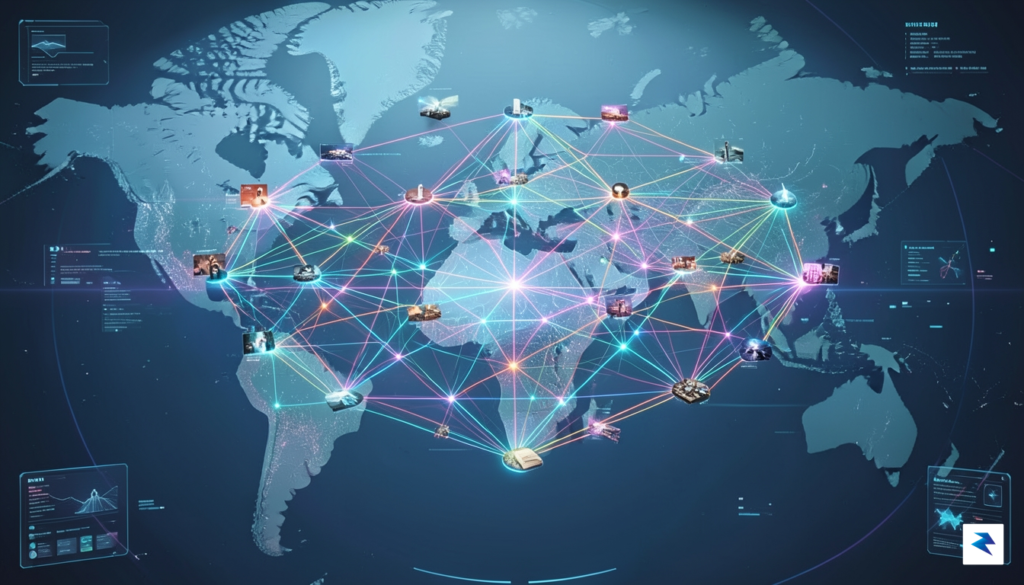
The introduction of a dedicated AI companion app marks a fundamental pivot in the symbiotic relationship between digital platforms and the creators who fuel them. Historically, Facebook functioned primarily as a distribution layer—a passive host for content that left creators to handle the heavy lifting of production, editing, and audience engagement entirely on their own. By stepping into the creative process itself, the platform is signaling a transition from being a mere utility to becoming an active production partner. This evolution suggests that the future of social media will be defined by platforms that provide the infrastructure for creation, essentially turning the ecosystem into an integrated studio that helps creators scale their output without needing to constantly outsource to third-party software.

This development naturally reshapes the competitive landscape for creator-focused tools. As platforms move to incorporate native AI assistants, independent software developers and creative suites will face increased pressure to prove their unique value. We can expect to see a wave of future integrations that go beyond simple text-based assistance or video filters. Within the next few years, it is highly probable that we will see cross-platform AI synchronization, where a creator’s stylistic voice, branding guidelines, and audience insights are automatically applied across different social channels simultaneously. This level of interoperability would represent a massive leap forward, allowing creators to maintain a cohesive professional identity even as they navigate the fragmented nature of modern social media.
The integration of AI as a standard creative layer means that the barrier to entry for aspiring creators is lower than ever before, yet the ceiling for professional-grade content is being raised exponentially.
Furthermore, this shift points toward a new paradigm in monetization. If the platform provides the AI tools that generate high-engagement content, it likely gains a vested interest in the success of that content, potentially leading to smarter, more automated monetization pathways. For instance, an AI companion could suggest specific brand partnerships based on the creator’s historical sentiment or optimize ad placements that are tailored to the specific viewer demographics identified by the app’s machine learning models. By removing the technical friction that often discourages beginners, these tools may democratize the creator economy, enabling individuals with minimal technical training to produce broadcast-quality media.
Ultimately, this strategic move suggests that Facebook intends to secure its relevance by becoming indispensable to the creator’s workflow rather than just their distribution strategy. By embedding itself into the ideation and editing phases, the platform creates a “stickiness” that is difficult to replicate through simple engagement metrics alone. As these tools become more sophisticated, the distinction between the creator and the platform will continue to blur, ushering in an era where the platform is not just a stage, but a co-architect of digital culture.