
The Digital Dilemma: Why Bitcoin Inheritance Requires Strategy

For decades, traditional estate planning has relied on a well-established infrastructure of intermediaries. When an individual passes away, bank accounts, brokerage portfolios, and real estate titles are subject to a clear legal process; executors work with financial institutions to freeze, verify, and ultimately transfer these assets to rightful heirs. Bitcoin, however, operates on an entirely different paradigm. Because it is a decentralized, trustless asset, there is no “forgotten password” button to click and no customer support desk to call when a primary holder dies without leaving behind a roadmap. If your heirs lack access to your private keys or the specific recovery seed phrase, your wealth is not merely locked away—it is mathematically removed from circulation, effectively lost to the network forever.
This reality creates what we might call the phenomenon of digital finality. In the legacy financial system, errors can often be rectified through court orders or legal intervention because banks act as centralized custodians of your data and wealth. In the Bitcoin ecosystem, the code is the final arbiter. Without a strategic handover plan, your digital assets exist in a state of permanent limbo, untouchable by the law and invisible to your beneficiaries. This shift from a simple “buy and hold” mindset to a more comprehensive “buy, hold, and pass on” philosophy is not just a suggestion; it is a fundamental requirement for any serious investor who views Bitcoin as a multi-generational store of value.

The true test of a successful Bitcoin investment is not the price at which you sell, but the ability of your heirs to access the value you have preserved for them after you are gone.
To navigate this challenge, advisors and holders alike must treat crypto inheritance with the same rigor applied to tax planning or trusts. The technical hurdles—such as secure key storage, multi-signature wallet configurations, and clear, non-technical documentation—are the primary barriers between your current holdings and your family’s future security. Ignoring these logistical details in favor of immediate market gains is a significant oversight. By integrating your digital assets into a formal estate plan today, you move away from the high-risk gamble of hoping your family “figures it out” and toward a structured, reliable method of wealth transfer that ensures your legacy remains intact regardless of the digital challenges that lie ahead.
Understanding Custody Models and Their Impact on Heirs
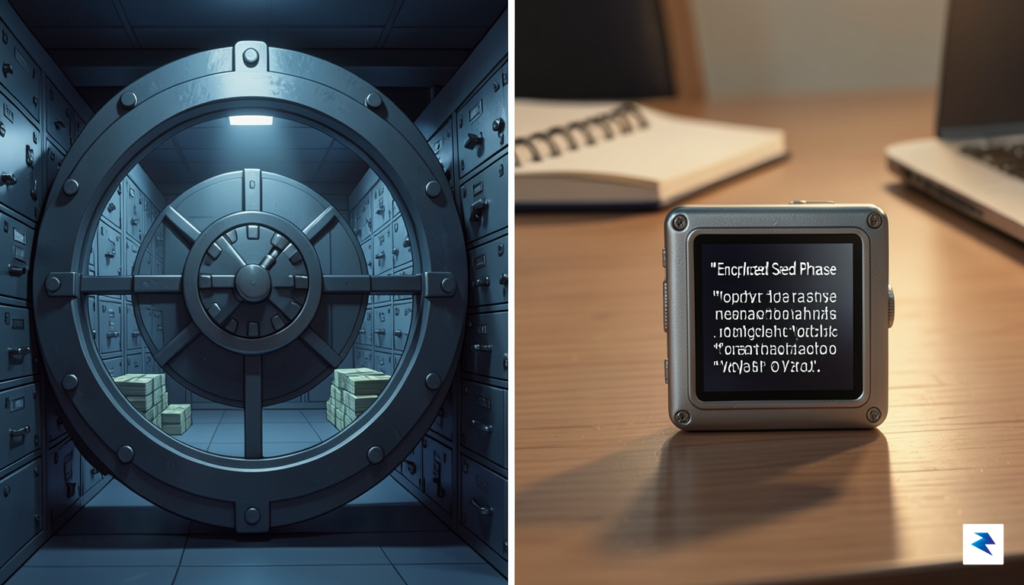
The method you choose to store Bitcoin dictates the specific roadmap your heirs must follow to claim their inheritance. When assets are held on a centralized exchange, the process is largely dictated by corporate policy and traditional legal frameworks. Because these platforms operate under strict Know Your Customer (KYC) and Anti-Money Laundering (AML) regulations, they function similarly to a traditional brokerage firm. If the account holder passes away, the executor of the estate must generally provide formal documentation—such as a death certificate and probate court orders—to the exchange’s compliance department. While this route is familiar and predictable for executors, it introduces third-party risk; if the exchange faces solvency issues or account freezes, the assets may be tied up in lengthy legal proceedings.
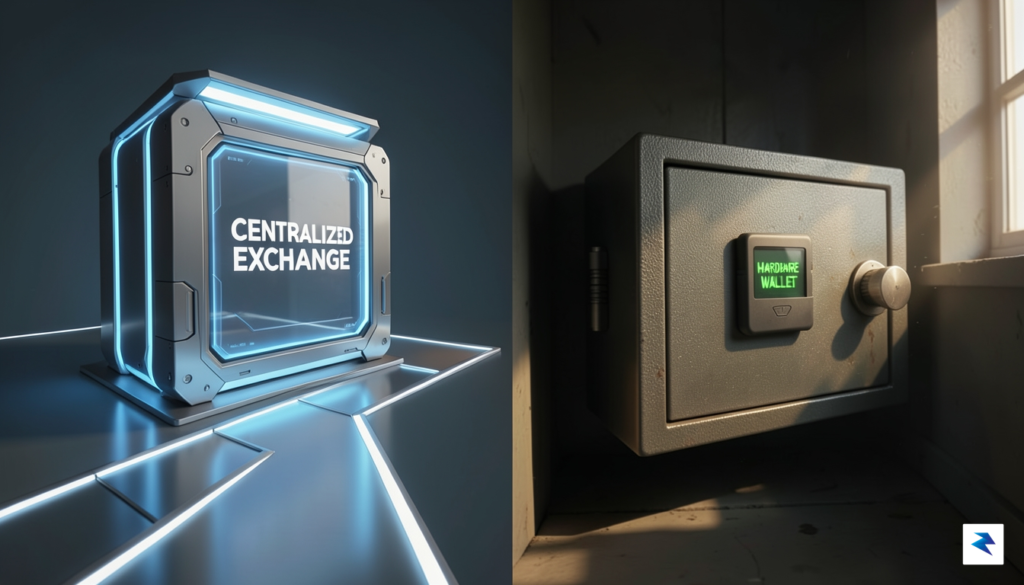
Conversely, self-custody shifts the entirety of the burden from a corporate entity to the estate planner and their beneficiaries. In a non-custodial model, the “key” to the assets is the seed phrase—a sequence of 12 to 24 words that grants absolute control over the Bitcoin. If this phrase is lost, the assets are permanently inaccessible, meaning the estate planner must create a robust, secure, and clear protocol for their heirs. A single-signature cold storage device is straightforward to set up, but it presents a high risk of failure if the beneficiary is not technically literate or if the location of the hardware is unknown. Without a well-documented inheritance plan, self-custodied Bitcoin can effectively vanish upon the death of the owner.
Advanced Custody Strategies for Estate Protection
To mitigate these risks, many advisors are turning toward more sophisticated custody models, such as multi-signature (multi-sig) wallets. In a multi-sig setup, multiple private keys are required to authorize a transaction, which allows for a distributed inheritance plan. For example, a planner might hold one key, their attorney holds a second, and a trusted family member holds a third. This prevents a single point of failure and allows for a “quorum” to be reached if the primary owner is no longer present. This approach requires more upfront technical configuration but offers a significantly higher degree of security and ease of transfer compared to a single, vulnerable seed phrase.
The primary goal of estate planning for digital assets is ensuring that the technical access requirements are perfectly synced with your legal directives.
Ultimately, the impact on heirs depends on the level of technical friction you are willing to introduce into their lives. For those who prefer a hands-off approach, exchange custody provides a legal path that mirrors traditional banking, albeit at the cost of total control. For those who prioritize sovereignty and security, self-custody requires a deliberate effort to document access procedures, potentially utilizing multi-sig arrangements to bridge the gap between technical complexity and beneficiary accessibility. Regardless of the chosen method, the most critical step is ensuring that the path to the assets is clear, documented, and periodically tested before an emergency occurs.
Establishing a Secure Digital Paper Trail

The fundamental challenge of Bitcoin inheritance lies in the tension between accessibility and security. If you store your private keys or seed phrases in a single, plain-text location, you invite the risk of theft by bad actors or total loss through physical degradation. Conversely, if you bury your assets so deeply that no one can find them, you effectively burn your wealth upon your passing. To bridge this gap, you must move away from simple paper backups toward a strategy that prioritizes redundancy and cryptographic safety.

Utilizing Advanced Cryptographic Techniques
One of the most robust methods for securing access is Shamir’s Secret Sharing (SSS). Unlike a traditional backup where the entire 12- or 24-word seed phrase is stored in one place, SSS allows you to split your key into multiple unique “shares.” You can configure the system so that, for example, any three of five shares are required to reconstruct the original key. By distributing these shares among trusted family members, a secure safe deposit box, and a lawyer, you ensure that no single person can steal your funds, yet your heirs can reconstitute the access if they possess the required threshold of shares.
Building Your Crypto Estate Manual
Beyond the technical implementation, you need a comprehensive “Crypto Estate Manual” that guides your survivors through the recovery process. This document should not contain your actual seed phrase in its entirety, but rather provide instructions on where to locate the split shares or how to interface with a hardware wallet. It is essential to include clear, step-by-step documentation regarding which exchanges you use, the types of hardware wallets you own, and the contact information for any financial advisors or digital executors who are familiar with your portfolio.
The goal of a Crypto Estate Manual is not to hold the keys themselves, but to act as a map that leads your beneficiaries to the recovery information only when the time is right.
Evaluating Automated Services Versus Human Trust
When deciding how to manage this transition, you must choose between automated inheritance services and traditional legal arrangements. Automated “dead man’s switch” protocols rely on software to monitor activity; if you fail to check in after a set period, the service automatically releases the decryption keys to your designated heirs. While these services offer convenience, they introduce a dependency on a third party. Alternatively, working with an estate attorney to include your digital assets in a formal will offers legal protection but requires that your lawyer understands the technical nuances of Bitcoin. Regardless of the path you choose, the most important step is to conduct a “dry run” with your beneficiaries to ensure they have the technical literacy to execute your plan when the need arises.
Navigating Legal and Tax Implications for Crypto Assets

Transitioning digital wealth to the next generation requires far more than simply sharing a private key or a seed phrase; it demands a rigorous adherence to regulatory compliance. When an individual inherits Bitcoin, they are not merely receiving a digital asset but also assuming a tax liability that must be handled with precision. Without proper documentation of the original cost basis—the price paid for the asset at the time of purchase—heirs may inadvertently face significant tax burdens or penalties during an audit. It is therefore vital for advisors and clients to maintain comprehensive records, including transaction histories and purchase dates, to ensure that the transition remains transparent to the relevant tax authorities.
The Critical Role of Step-Up in Basis
One of the most significant advantages for heirs involves the concept of the “step-up in basis.” In many jurisdictions, when an asset is transferred through an inheritance, the cost basis is adjusted to the fair market value of that asset at the time of the original owner’s passing. By properly documenting the value of the Bitcoin on the date of death, heirs can potentially mitigate capital gains tax exposure if they choose to sell the asset later. However, failing to substantiate this valuation can lead to the IRS or other tax bodies defaulting to a zero-cost basis, which would force the heir to pay capital gains tax on the entire sale price rather than just the appreciation occurring after the inheritance. Consequently, maintaining a detailed estate valuation report for digital assets is as essential as it is for traditional equities or real estate.

Legal Formalities and Estate Transparency
Beyond the technical and tax-related hurdles, there is the absolute legal necessity of incorporating digital assets directly into a Last Will and Testament or a dedicated digital trust. Many individuals mistakenly believe that simply leaving a password in a desk drawer is sufficient, but this approach lacks the legal safeguards required to ensure the executor has the authority to manage or distribute the holdings. By failing to disclose crypto assets to an estate attorney, the owner risks leaving their heirs in a legal vacuum where the assets may become inaccessible, frozen by exchanges, or lost in probate disputes. Transparent communication with legal counsel ensures that the executor is legally empowered to navigate both the technical retrieval process and the subsequent reporting requirements.
To ensure a seamless transfer, clients must view Bitcoin as a formal part of their estate, requiring the same level of legal documentation and tax foresight as any other significant financial holding.
Ultimately, the goal of proactive planning is to prevent the “digital loss” of assets while simultaneously protecting heirs from future regulatory scrutiny. Advisors should encourage clients to integrate their crypto holdings into their overarching estate strategy by utilizing secure, legally recognized methods of key inheritance. By bridging the gap between innovative blockchain technology and traditional legal frameworks, families can ensure that their wealth serves its intended purpose without becoming a source of administrative or financial hardship for the next generation.
Executing the Handover: Practical Protocols for Success

Designing a robust inheritance strategy for your digital assets requires moving beyond abstract intentions and into the realm of concrete operational protocols. Because Bitcoin exists independently of traditional banking intermediaries, the burden of ensuring transferability rests entirely on the owner. By adopting a methodical approach today, you eliminate the risk of your digital wealth becoming inaccessible or lost forever in the event of your passing.
To begin, you must systematically inventory your holdings. This goes beyond simply listing your wallet addresses; it requires a comprehensive document that clarifies where your assets are stored, whether they reside on hardware wallets, in multisig arrangements, or with regulated custodians. You should record the type of storage solution utilized for each asset, as this will dictate the specific technical steps your heirs must take to gain control. Once this inventory is complete, treat it as a foundational estate document that should be updated alongside your traditional assets, such as brokerage accounts and real estate deeds.

The Operational Checklist for Seamless Transition
Implementing a successful handover involves several distinct, actionable steps that bridge the gap between technical security and legal clarity. Follow this framework to ensure your plan is resilient and executable:
- Inventory and Categorize: Create a master list of all digital asset locations, including public addresses and the specific hardware or software used to manage them. Categorize these by accessibility level, distinguishing between assets that require immediate attention and those intended for long-term growth.
- Update Legal Documentation: Work with an estate attorney to explicitly mention digital assets in your will or trust. Ensure that your beneficiaries are granted the legal authority to interact with your digital estate, thereby minimizing potential friction with probate courts or executors who may be unfamiliar with decentralized finance.
- Define the Technical Access Path: Determine exactly how your heirs will access the keys. This might involve a “dead man’s switch” service, a multi-signature setup where an attorney holds one key, or a physical set of instructions kept in a secure, fireproof location. Whatever method you choose, ensure the instructions are human-readable and do not rely on your own memory.
- Perform a Formal ‘Dry Run’: Much like a fire drill, a technical dry run is essential. Walk your chosen beneficiary through the process of accessing a small, non-critical portion of the assets under your supervision. This testing phase reveals potential gaps in your instructions and builds the confidence required for them to act independently when the time comes.
- Execute Periodic Audits: Digital inheritance is not a “set it and forget it” task. Schedule an annual review to update your inventory, verify that your hardware devices are still functional, and ensure that your chosen beneficiaries are still prepared and willing to take on the responsibility of managing these assets.
“The greatest threat to digital inheritance is complexity. Your plan should be sophisticated enough to maintain security, yet simple enough that a trusted executor can follow the steps without needing deep technical expertise.”
Ultimately, the effectiveness of your inheritance plan hinges on the clarity of your instructions and the readiness of those tasked with executing them. By conducting regular audits and ensuring that your technical path remains updated as technology evolves, you provide your beneficiaries with a clear roadmap rather than a complex riddle. Taking these steps today transforms your Bitcoin holdings from a potential source of stress into a secure, enduring legacy for your loved ones.