The Evolution of YouTube Shorts: Chasing the TikTok Experience
The landscape of digital entertainment has undergone a seismic shift over the past half-decade, driven almost entirely by the explosive rise of vertical, algorithmic-driven video content. When YouTube first introduced its answer to the short-form phenomenon, the goal was clear: prevent the exodus of its massive creator ecosystem to competing platforms that were rapidly monopolizing the attention of younger demographics. Initially, these early iterations felt like a secondary feature grafted onto a traditional long-form video library, lacking the seamless, hypnotic flow that defined the experience of its rivals. However, the platform has reached a critical juncture where merely offering a similar format is no longer sufficient; to remain the primary destination for creators and viewers alike, YouTube is now aggressively refining its interface to mirror the intuitive, high-velocity design language that users have come to expect.
This strategic pivot is not merely about aesthetic preference; it is a calculated effort to achieve platform parity in an industry where user experience is the primary barrier to entry. For years, the digital experience of consuming short-form media was defined by a specific set of interaction patterns: the infinite scroll, the gesture-based navigation, and the feeling of complete immersion without the visual clutter of traditional desktop-style layouts. By iterating on its UI, YouTube is effectively working to erase the friction that previously forced casual scrollers to mentally “switch gears” when moving between apps. When the interface feels familiar and the interactions mirror ingrained muscle memory, the platform removes the cognitive load that often causes users to bounce to a competitor.
The success of a short-form platform is no longer measured by the quality of the library alone, but by how effortlessly the design disappears, allowing the content to take center stage.
Furthermore, YouTube’s evolution reflects a broader standardization of social media consumption. As creators continue to repurpose their content across multiple platforms, the platforms themselves are beginning to look increasingly uniform to accommodate that cross-pollination. YouTube’s latest adjustments indicate a clear acknowledgment that if they want to capture the “TikTok generation,” they must honor the design conventions that these users have been conditioned to prefer. This shift is fundamentally about reducing the friction associated with discovery and engagement, ensuring that every swipe feels purposeful and every tap leads to a more personalized, dopamine-optimized viewing experience. By leaning into these established interaction patterns, YouTube is signaling that it no longer views itself as a long-form hub with a short-form experiment, but as a holistic media powerhouse ready to compete on every front.
New Interaction Features: Why the Heart Icon Matters
The subtle transition from the traditional YouTube “thumbs-up” icon to a vibrant, TikTok-inspired “heart” button is far more than a mere aesthetic adjustment; it signifies a fundamental shift in the platform’s approach to digital intimacy. For years, the thumbs-up functioned as a utilitarian metric—a cold, analytical signal used primarily to calibrate recommendation algorithms and provide creators with a quantitative pulse on video performance. By contrast, the heart icon carries a deeply ingrained psychological weight. It taps into the language of social media validation that users have been conditioned to associate with affection, personal endorsement, and immediate, high-frequency engagement.
Psychologically, the heart symbol acts as a “micro-interaction” trigger that lowers the barrier to entry for positive reinforcement. While a thumbs-up feels like a formal evaluation—an objective “I approve of this content”—the heart feels like a spontaneous emotional response. This shift encourages users to interact with videos more impulsively, fostering a culture of rapid-fire appreciation rather than measured judgment. In a landscape defined by the relentless scroll of short-form video, this change effectively gamifies empathy, pushing viewers to express themselves through a medium that feels less like a professional review and more like a human connection.
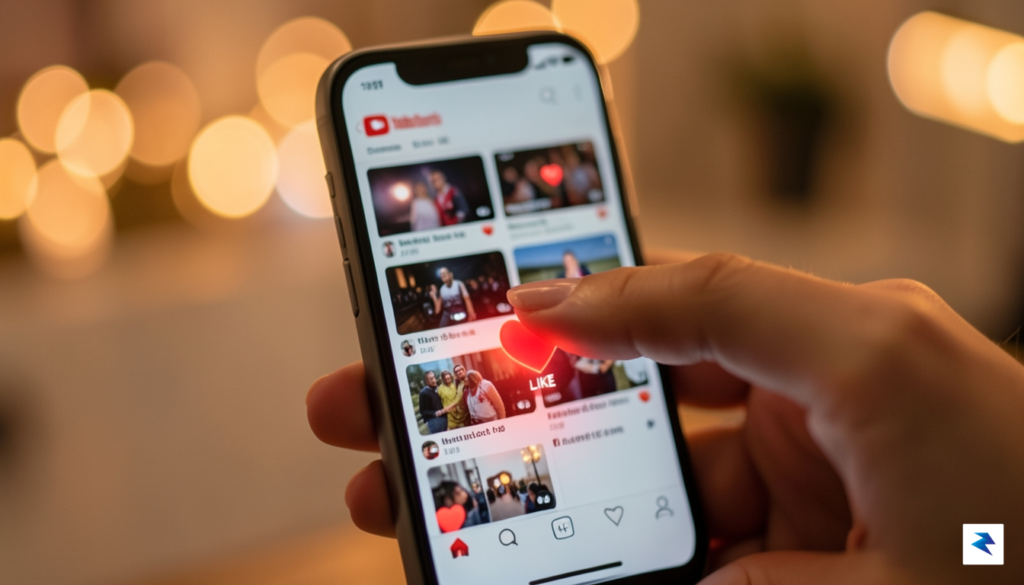
The shift toward the heart icon represents an evolution from transactional feedback to emotional connection, signaling that YouTube is prioritizing the “community feel” of short-form content over the cold efficiency of traditional video metrics.
This design choice also raises critical questions about how YouTube intends to weigh community feedback against its underlying data architecture. Historically, YouTube has been a platform built on the bedrock of long-form discourse, comments, and deep-dive analysis. However, by adopting the visual shorthand of its primary competitor, the platform is signaling a move toward prioritizing the “vibe” of a creator’s audience. When interaction becomes an emotional reflex, the data collected becomes less about whether a video was “good” by conventional standards and more about whether it triggered an immediate, visceral reaction from the viewer. This data is invaluable for an algorithm designed to feed the addictive, fast-paced loops of the Shorts ecosystem.
Ultimately, this change suggests that YouTube is no longer content with being just a library of videos; it wants to be a space for transient, high-energy social interaction. By aligning its UI with the expectations of a younger, hyper-connected demographic, the platform is betting that the heart icon will catalyze a more engaged user base. While some purists might argue this dumbs down the feedback loop, the reality is that in the world of short-form content, emotional resonance is the most valuable currency available. By inviting users to “heart” their favorite clips, YouTube is successfully shifting the goalposts of success from total watch time to total emotional buy-in.
Enhanced Viewing: The Power of Clear Mode
In an era defined by digital saturation and persistent screen fatigue, the ability for a platform to prioritize the visual experience is no longer just a luxury—it is a necessity. YouTube’s introduction of “Clear Mode” for Shorts is a direct, user-centric response to the demand for a more immersive viewing environment. By allowing users to strip away the constant overlay of like buttons, comment icons, channel names, and navigation menus, the platform enables a truly “content-first” viewing experience. This shift recognizes that the modern viewer often seeks a brief escape from the chaotic clutter of traditional social media interfaces, preferring instead to focus entirely on the artistry and storytelling of the video itself.
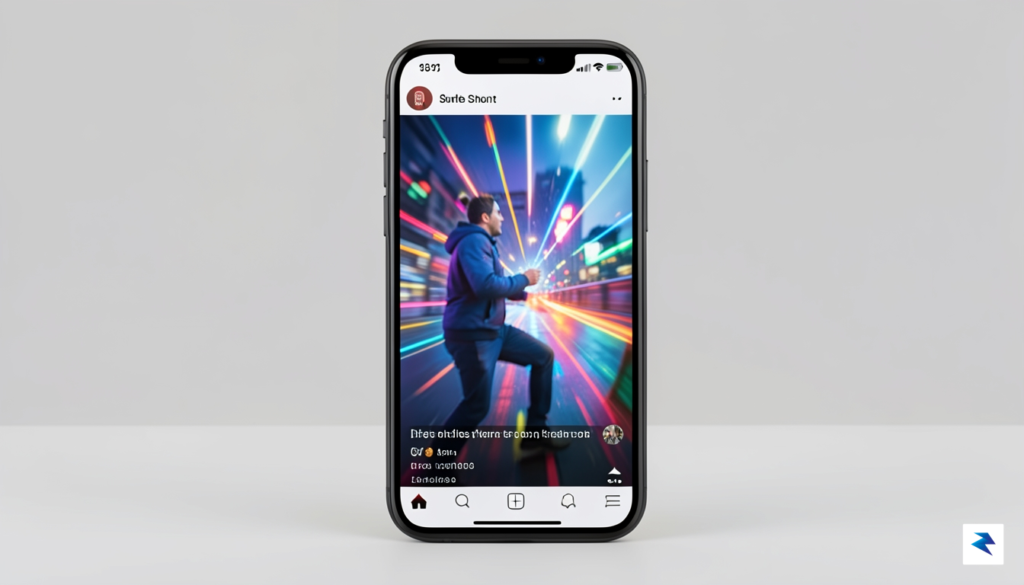
Activating this feature is designed to be intuitive and accessible, ensuring that users can switch between standard and distraction-free modes with minimal friction. To enable Clear Mode, a viewer simply needs to perform a long-press anywhere on the video currently playing. Once the menu appears, selecting the “Clear” option instantly hides all interface elements, leaving nothing on the screen but the video content. This simple, gesture-based control mimics the seamless fluidity that users have come to expect from modern mobile applications, reinforcing a sense of agency over how one consumes digital media.
The implementation of Clear Mode is a strategic move to treat Shorts not merely as social media posts, but as premium digital cinema that deserves the viewer’s undivided attention.
The implications for content creators are significant, as removing UI clutter directly correlates with improved engagement metrics. When a video is no longer obscured by text overlays or functional buttons, the viewer is less likely to be distracted by the “infrastructure” of the platform, which often leads to higher completion rates and longer total watch time. By reducing visual noise, creators can ensure that the nuances of their high-quality edits, color grading, and visual compositions are fully appreciated. This change acknowledges that in a competitive landscape, the videos that capture and hold attention the longest are those that respect the viewer’s visual space, allowing the creative work to speak for itself without the constant intrusion of interactive icons.
Ultimately, this evolution in interface design signals a broader trend toward minimalism in mobile app development. By providing a pathway to remove the digital “chatter,” YouTube is effectively lowering the barrier for deep engagement. Whether a user is watching a fast-paced tutorial, a cinematic vlog, or a visually driven comedy skit, the ability to clear the screen empowers them to lean into the content. This refined approach to user experience design is likely to foster a more loyal audience, as viewers are more inclined to return to a platform that makes the act of watching as pleasant and unobtrusive as possible.
Platform Convergence: What This Means for Content Creators
The recent evolution of YouTube Shorts signals a definitive shift in the digital landscape, where the focus for creators is moving away from platform-specific customization and toward a more efficient model of format optimization. For years, the conventional wisdom suggested that content creators needed to fundamentally reinvent their assets for every single app they occupied. However, as the user interfaces of YouTube and TikTok continue to mirror one another, the friction once caused by disparate viewing experiences is rapidly dissolving. This convergence allows creators to embrace a “multi-homing” strategy, where the primary objective is to perfect a specific style of short-form storytelling that performs well regardless of the specific algorithm serving it to the viewer.
By streamlining your creative workflow to focus on universal engagement pillars—such as rapid-fire visual hooks, high-contrast captions, and rhythmic pacing—you can maximize your output without sacrificing quality. Instead of exhausting resources on bespoke edits for every platform, consider creating a single, high-impact master version of your video that adheres to the current industry standard for short-form content. This approach not only saves valuable production time but also establishes a consistent brand identity across the web, ensuring that audiences can recognize your unique voice whether they are scrolling through YouTube or catching your latest upload on TikTok.
Perhaps the most significant benefit of this homogenization is the lower barrier to entry for creators who are new to the YouTube ecosystem. If you have already built a foundation on platforms like TikTok or Instagram, the transition to YouTube Shorts no longer feels like learning an entirely new language. The tools, gesture-based navigation, and viewing habits are now so familiar that your existing library of content can potentially find a second life on YouTube with minimal friction. This interoperability means that your reach is no longer limited by the siloed nature of a single app’s audience.
The goal of a modern cross-platform strategy is to prioritize the format over the platform, allowing your content to travel fluidly across the digital ecosystem while maintaining a cohesive brand presence.
To leverage these updates effectively, start by auditing your existing content to identify your highest-performing hooks and visual formats. Once you have a clear understanding of what resonates with your audience, repurpose those elements into a standardized format that fits the current Shorts UI. Remember that while the interfaces are becoming similar, the underlying algorithms still value unique engagement signals. Consequently, while the video file remains largely the same, you should still experiment with platform-specific titles, keywords, and community tab interactions to help YouTube’s recommendation engine categorize your work effectively. By balancing a unified creative output with intelligent platform-specific optimization, you can turn the trend of platform convergence into a powerful engine for exponential growth.
The Future of Short-Form Video Strategy

The recent adjustments to the Shorts interface are merely the opening shots in an intensifying arms race to dominate the landscape of mobile entertainment. As platforms like YouTube and TikTok converge on a singular, high-engagement UI, the next phase of evolution will likely shift away from basic navigation and toward hyper-personalized, AI-driven immersion. We should expect to see the boundaries between organic content and interactive commerce blur, as developers experiment with seamless “shoppable” overlays that allow users to purchase products without ever leaving the viewing stream. This evolution suggests a future where the video player is no longer just a window for passive consumption, but a dynamic, transactional hub that anticipates user intent before a single tap is made.
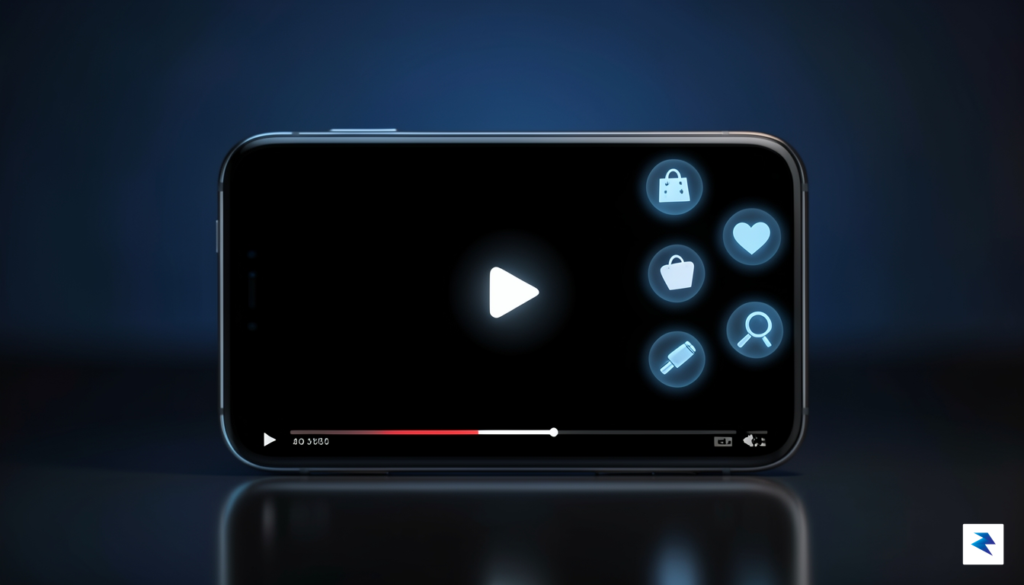
However, this aggressive pursuit of engagement creates a precarious balancing act between monetization and the sanctity of the user experience. As platforms integrate more advertisements, creator-driven product placements, and algorithmic suggestions, there is a genuine risk of interface fatigue. If the screen becomes too cluttered with buttons, banners, and prompts, the “lean-back” enjoyment that defines short-form video could quickly transform into a stressful, commercialized environment. To remain competitive, YouTube must find a way to monetize its audience without sacrificing the clean, fluid aesthetic that drew viewers to the format in the first place; otherwise, the platform risks alienating the very users who value its simplicity.
The true winners in this evolution will not be the apps that pack in the most features, but those that manage to preserve the feeling of discovery while maximizing the utility of the creator economy.
Ultimately, these changes force a difficult question regarding platform identity. By aggressively mimicking the mechanics of its biggest rival, YouTube risks diluting the unique value proposition that has historically separated it from TikTok—namely, its deep connection to long-form video archives and a more mature creator ecosystem. While adopting a familiar interface lowers the barrier to entry for new users, it may inadvertently signal that YouTube is a follower rather than an innovator. Whether this pivot makes the platform a more formidable competitor remains to be seen, but it is clear that the future of digital media will favor those who can bridge the gap between bite-sized entertainment and a sustainable, creator-first economy.