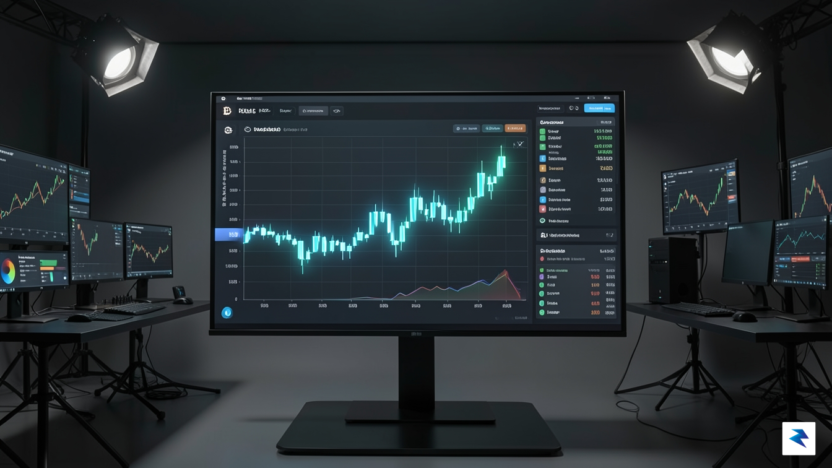
Understanding the Recent Bitcoin Price Dip
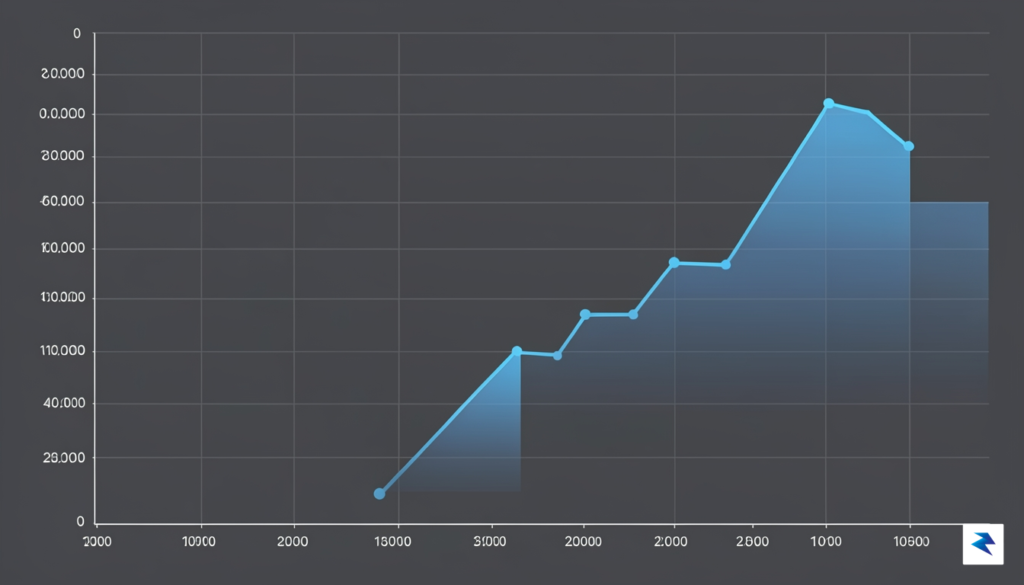
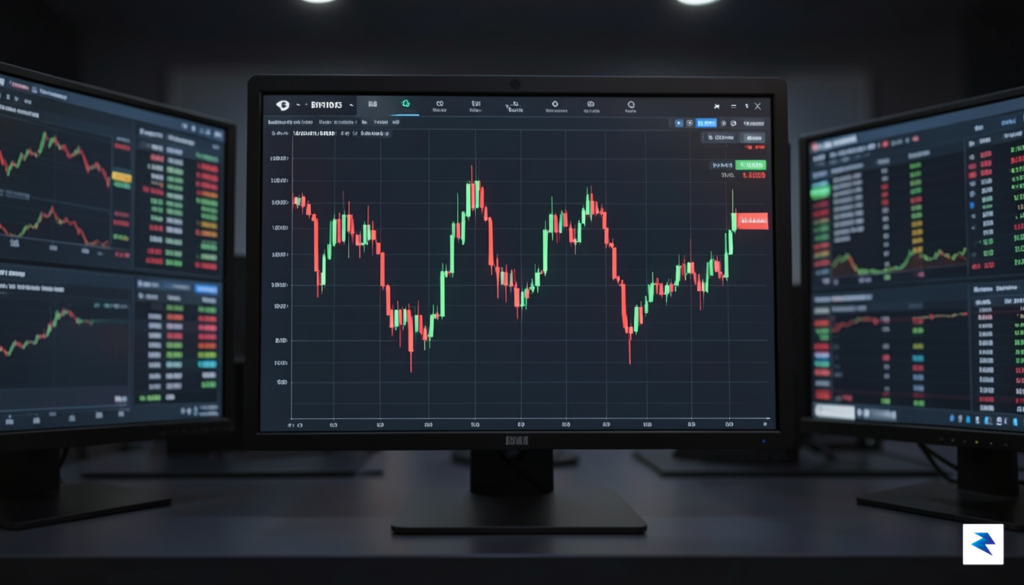
The recent downward trajectory of Bitcoin serves as a stark reminder of the inherent volatility within the digital asset landscape. After a period of relative stagnation, the market faced a sudden, aggressive sell-off that pushed prices down to levels not witnessed since late September 2024. This rapid decline was not merely a random fluctuation but rather a culmination of mounting pressure in the derivatives market, where leveraged positions were liquidated in a cascading effect. As the price approached the $58,000 mark, the market sentiment shifted toward extreme caution, forcing traders to re-evaluate their exposure as fear permeated the broader crypto ecosystem.
The $58,000 level has emerged as a crucial psychological and technical threshold that investors are watching with keen interest. Historically, support levels serve as a floor where buying interest is theoretically strong enough to overcome selling pressure; when this floor is tested, it often reveals the true conviction of long-term holders. For Bitcoin, $58,000 represents a major pivot point that separates current consolidation from a more precarious downward trend. When the asset dipped to this point, it wasn’t just a technical test—it was a battle of resolve between those looking to exit their positions to mitigate risk and those viewing the dip as a prime opportunity for accumulation.
The $58,000 support level acts as a critical battleground; holding this line suggests that despite market jitters, the fundamental bullish thesis remains intact for institutional and retail participants alike.
Following the descent, the subsequent bounce toward $59,770 provided a brief respite for battered portfolios, yet it is essential to interpret this movement with nuance. Rather than signaling an immediate or full-scale trend reversal, this recovery is better understood as a period of consolidation. The market is essentially catching its breath, attempting to find a new equilibrium after the sudden liquidation of over-leveraged long positions. Traders should remain vigilant, as a move back toward the $60,000 range does not automatically guarantee a return to all-time highs. Instead, it signifies that the market is stabilizing, allowing participants to reset their expectations while the broader macroeconomic environment continues to influence short-term price action.
The Role of Derivatives in Market Volatility

When Bitcoin experiences rapid price swings, the explanation often goes far beyond simple supply and demand in the spot market. In the complex world of cryptocurrency, derivatives—specifically futures contracts—play a massive, often destabilizing role in how price action unfolds. Unlike buying an asset directly, futures allow traders to speculate on the future price of Bitcoin without actually owning it, often utilizing significant leverage to amplify their potential gains. While this provides liquidity and hedging opportunities for institutional players, it also creates a high-stakes environment where the market becomes hypersensitive to even minor downward movements.
The primary mechanism that transforms a routine price dip into a full-blown crash is known as a cascading liquidation. When a trader enters a leveraged position, they are essentially borrowing capital to control a larger amount of Bitcoin. If the price moves against their prediction, the exchange requires them to maintain a certain amount of collateral. If the price falls to a specific point, the exchange automatically closes the position to prevent further losses, forcibly selling the user’s Bitcoin. When thousands of these positions trigger simultaneously, the market is flooded with sell orders, which drives the price down even further, triggering the next wave of liquidations. This feedback loop can wipe out over $1 billion in open interest in a matter of hours, as seen during the recent volatility around the $58,000 level.

Market liquidations act as a violent reset button; they purge excess leverage from the system, but they leave behind a trail of decimated portfolios and heightened fear.
For the average participant, this $1 billion liquidation event serves as a stark reminder of the dangers inherent in over-leveraged trading. While it may be tempting to use 10x or 50x leverage to capitalize on short-term movements, the reality is that such strategies leave almost no room for the inherent volatility of the crypto market. Even if a trader is fundamentally correct about Bitcoin’s long-term trajectory, a temporary “wick” or flash crash can force them out of a position just moments before the price recovers. Understanding these mechanics is essential for anyone looking to navigate the space safely. Serious participants must realize that while derivatives can be powerful tools for profit, they are equally effective at turning a temporary dip into a total loss when risk management is ignored.
Why Ethereum Is Lagging Behind
The recent market turbulence has laid bare a growing performance gap between the two largest digital assets, with Bitcoin demonstrating a resilient rebound from the $58,000 support level while Ethereum continues to struggle under persistent downward pressure. Over the last 48 hours, this divergence has become increasingly pronounced, highlighting a classic flight to safety phenomenon. During periods of heightened macroeconomic uncertainty or sudden deleveraging events, institutional and retail investors alike tend to consolidate their positions into Bitcoin, which is widely perceived as the “digital gold” or the base-layer asset of the crypto ecosystem. Ethereum, conversely, is often treated as a higher-beta asset that carries more correlation with the broader technology sector and risk-on sentiment, leading to deeper pullbacks when market liquidity evaporates.
Beyond the general shift in risk appetite, Ethereum is currently navigating a complex set of technical and structural headwinds that are dampening its short-term price action. One significant factor is the evolving state of the network’s fee structure following recent upgrades. While the shift toward more efficient Layer 2 solutions has been a massive success for user experience and scalability, it has simultaneously reduced the amount of ETH being burned through transaction fees. This deflationary pressure—once a primary catalyst for Ethereum’s price appreciation—has softened, leading to a slight increase in supply that market participants are now pricing into their models. When combined with a lull in speculative demand for decentralized finance (DeFi) protocols and non-fungible tokens (NFTs), the fundamental narrative for ETH has lost some of its recent momentum.
The divergence between Bitcoin and Ethereum underscores a fundamental shift in market psychology: when the tide goes out, capital retreats to the most battle-tested asset, leaving more complex ecosystems to prove their value through sustained network activity rather than mere speculation.
Furthermore, the current lack of institutional-grade catalysts for Ethereum, compared to the ongoing influence of Bitcoin Spot ETFs, has created a visible vacuum in buy-side demand. Large-scale investors are currently prioritizing the regulatory clarity and singular store-of-value thesis that Bitcoin provides. As Ethereum transitions through its ongoing roadmap, the market is waiting for a tangible resurgence in on-chain activity to justify a rebound. Until network utilization rates demonstrate a clear upward trend and macroeconomic conditions stabilize, Ethereum is likely to remain in a consolidation phase, trailing Bitcoin’s recovery as it seeks to find its own floor amidst the current volatility.
Navigating Market Uncertainty: What Investors Should Know

When Bitcoin tests support levels near $58,000, the immediate reaction from the market is often one of apprehension, amplified by derivative data that suggests lingering downward pressure. However, for the retail investor, it is vital to distinguish between the reflexive “noise” of short-term liquidations and the actual health of the asset’s underlying fundamentals. Derivative signals—such as funding rates and open interest—provide a snapshot of market sentiment, but they are often backward-looking indicators that reflect the leverage of traders rather than the long-term conviction of holders. When these signals scream “pain in the pipeline,” they are primarily warning against over-leveraged positions rather than signaling a permanent collapse in value.
To navigate this volatility without succumbing to emotional decision-making, investors should refocus on their original investment thesis. High volatility is a feature, not a bug, of the digital asset landscape, and it frequently punishes those who enter the market with a short-term, speculative mindset. Instead of reacting to every dip or derivative spike, consider implementing a rigorous risk management framework. This includes sizing your positions appropriately so that a 10% or 20% drawdown does not force a liquidation, and maintaining a cash reserve that allows you to capitalize on extreme market dislocations rather than fearing them. By viewing volatility as an opportunity for accumulation rather than a signal to panic, you shift your psychological stance from defensive to opportunistic.

Effective long-term investing is less about predicting the next price move and more about surviving the inevitable periods of market turbulence without compromising your core strategy.
Maintaining a Prudent Strategy
Ultimately, the most successful investors are those who can tune out the intraday frenzy to focus on the broader adoption metrics and macroeconomic shifts that actually move the needle for Bitcoin. If you find yourself constantly checking the liquidation heatmaps or worrying about the latest derivatives report, it may be a sign that your portfolio exposure exceeds your personal risk tolerance. Prudent maintenance involves periodic rebalancing and a commitment to dollar-cost averaging, which effectively smooths out the impact of sudden price swings over time. Remember that the market is a mechanism for transferring wealth from the impatient to the patient; by keeping your eyes on the horizon, you ensure that temporary market pain does not derail your long-term financial objectives.