
Google Finance Gets a Dedicated Android App: What Investors Need to Know
The Evolution of Financial Tracking on Android For more than a decade, Google Finance served as a foundational web utility, providing millions…
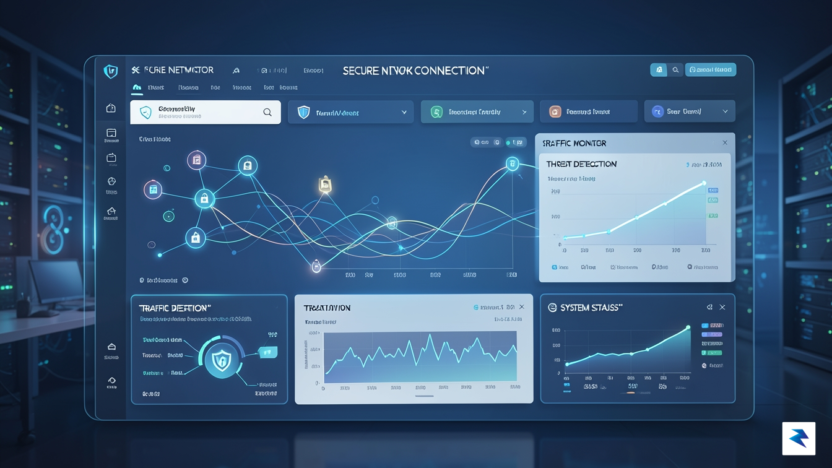

In recent weeks, the market intelligence sector was shaken by the disclosure of a significant security breach at Klue, a company that manages sensitive competitive data for high-profile clients. The incident began when unauthorized actors gained access to internal systems, potentially compromising proprietary information and client-related intelligence. As soon as the intrusion was identified, Klue initiated a comprehensive incident response protocol, working alongside cybersecurity experts to determine the scope of the unauthorized access. This initial phase was characterized by intense forensic investigation, as the firm sought to identify precisely what data had been exfiltrated and which stakeholders might be directly impacted by the compromise.
Following the initial discovery, a perplexing development emerged regarding the primary threat actor behind the intrusion. Klue reported that, in a highly unusual turn of events, the hackers responsible for the initial breach claimed to have deleted the stolen dataset in its entirety. While the firm has treated these claims with a necessary degree of professional skepticism, they have leaned into transparency, keeping their client base informed about the evolving nature of the threat. This decision to prioritize open communication has been critical in maintaining trust, even as the company acknowledges the inherent uncertainty that comes with relying on the word of a criminal entity.
However, the situation has become increasingly complex due to the emergence of secondary bad actors. Despite the initial group’s assertion that the stolen data was destroyed, other cybercriminal syndicates have surfaced, making new threats and claiming possession of the same information. This shift has forced Klue to pivot its mitigation strategy, moving from a position of managing a single known entity to defending against a broader, more volatile threat landscape. This transition highlights a disturbing trend in the modern cybercrime ecosystem, where stolen data is often traded or leaked across multiple forums, creating a persistent risk of “double-extortion” or secondary exploitation.
The core of the issue lies in the fact that once data has been exfiltrated, control over its distribution is effectively lost, regardless of promises made by the initial attackers.
Moving forward, Klue is focusing heavily on reinforcing its security posture to prevent future vulnerabilities while simultaneously working to verify the claims made by these various threat actors. For their stakeholders, the message has been one of cautious vigilance; the company is actively assisting those affected by providing guidance on additional protective measures. By detailing these developments, Klue is attempting to navigate the thin line between transparency and the necessity of keeping sensitive investigative details private, ensuring that clients understand the gravity of the situation without fueling unnecessary panic in a rapidly shifting threat environment.

The incident involving Klue serves as a sobering case study in the evolution of modern cyber-extortion, illustrating a landscape where the initial compromise is rarely the end of the ordeal. We have entered the era of “double-extortion,” a strategy where attackers move beyond mere data encryption to weaponize the stolen information itself. By exfiltrating sensitive corporate intelligence before locking systems, hackers gain significant leverage, threatening to leak proprietary data unless a ransom is paid. However, the complexity of this threat has deepened as secondary actors—often unaffiliated with the original breach—begin to treat leaked databases as a new commodity for their own opportunistic extortion schemes.

This shift from simple data theft to multi-stage digital blackmail campaigns creates a precarious environment for organizations. Once a breach occurs, the stolen data often ends up in dark web repositories, where it becomes accessible to a secondary tier of malicious actors. These groups may not have been involved in the primary hack, but they are eager to exploit the vulnerability by reaching out to the victim with fresh demands, claiming they hold the keys to further distribution or exposure. This “piling on” effect means that a single security lapse can trigger a cascading series of threats, each requiring a different incident response strategy.
The core danger of modern extortion lies in the democratization of stolen data, where information once obtained by a sophisticated group becomes a tool for countless smaller, opportunistic criminals.
To navigate this volatile landscape, organizations must move away from the assumption that a breach is a singular event with a clear resolution. Instead, the focus must shift toward comprehensive digital perimeter fortification that accounts for the persistence of stolen data. When data enters the wild, it remains a permanent liability, constantly susceptible to new actors who refine their tactics to maximize psychological and financial pressure. Understanding that multiple groups may now target the same entity simultaneously is not merely a technical realization; it is a fundamental shift in how businesses must approach crisis management, threat intelligence, and long-term data security protocols.

At first glance, the notion that a cybercriminal would willingly destroy the very leverage they spent weeks or months acquiring seems entirely counterintuitive. In the world of ransomware and extortion, data is typically viewed as a high-value commodity, meant to be auctioned off on dark web forums or published to embarrass victims into payment. However, recent trends—including the case involving Klue—demonstrate that some threat actors opt to purge stolen information rather than weaponize it. This departure from standard operational procedures is rarely an act of altruism; instead, it is a calculated tactical maneuver influenced by the shifting landscape of digital criminality.
One primary driver for this behavior is the mounting pressure from international law enforcement agencies. As global task forces become increasingly proficient at tracking the digital fingerprints of ransomware operators, some groups realize that holding onto sensitive data significantly increases their visibility and the likelihood of a coordinated takedown. By deleting the stolen assets, these hackers attempt to “reset” their risk profile, hoping to evade the cross-border investigations that follow high-profile data leaks. Furthermore, internal group conflicts often play a silent role; if a ransomware affiliate realizes they cannot monetize the data effectively or if they fear an internal leak of their own, they may choose to destroy the evidence to prevent it from being used against them by rivals or law enforcement informants.

The realization that a target is uncooperative can also shift the cost-benefit analysis for an attacker. When a victim organization refuses to negotiate, the effort required to curate, host, and leak large volumes of data might outweigh the potential financial gain. In such instances, the threat actor might decide that the server space and energy are better spent on newer, more vulnerable targets rather than wasting resources on a stalled extortion attempt. However, this is a dangerous assumption for businesses to make. Even when a group claims to have deleted the data, there is no technical mechanism for the victim to verify that the information has been permanently scrubbed from all secondary backups or private caches.
The decision to delete data is often a tactical pivot rather than a complete withdrawal. For the victim, the threat remains that a copy of the stolen files may have already been sold or traded to a third party before the primary actor decided to wipe their own instance.
Ultimately, the deletion of data offers no ironclad guarantee of protection. We are currently witnessing an emerging “double-extortion” environment, where even if the initial attacker purges their records, other opportunistic cyber-criminals may have gained unauthorized access to the same systems. This means that a company might satisfy the demands of one group, only to find themselves facing threats from a second, unrelated entity that has since acquired the same data. Therefore, while a deletion promise might provide a momentary sense of relief, it should never be treated as a definitive resolution to a security breach. Companies must remain vigilant, assuming that once data has left their perimeter, the risk of exposure persists indefinitely.

The recent security incident involving Klue serves as a stark reminder that in the modern digital economy, reactive measures are no longer sufficient to safeguard intellectual property and sensitive customer information. Building true organizational resilience requires shifting from a perimeter-focused mindset to a proactive, multi-layered defensive architecture. Enterprises must assume that breach attempts are inevitable, making the implementation of a Zero-Trust architecture the new baseline. By strictly enforcing the principle of least privilege—where every user, device, and application is continuously verified—organizations can effectively contain potential incursions before they escalate into catastrophic data exfiltration events.
Beyond technical safeguards, the human element remains the most frequent point of failure in enterprise security. Continuous, high-quality employee training programs are essential to ensure that staff can recognize sophisticated phishing attempts and social engineering tactics that bypass automated filters. Furthermore, businesses must conduct rigorous vendor risk assessments, as the interconnected nature of modern software supply chains means that a vulnerability in a third-party partner can quickly become your own. Establishing clear protocols for third-party access and monitoring these connections with the same scrutiny as internal systems is no longer optional; it is a fundamental requirement of a mature security posture.
To further mitigate the impact of a potential breach, enterprises should adhere to the principle of data minimization. By ensuring that only the most necessary data is collected and stored, companies can drastically reduce the potential surface area available to attackers. When data must be retained, it should be protected by robust, multi-layered encryption protocols that remain effective even if physical or virtual storage systems are compromised. Organizations should consider the following foundational pillars to harden their defenses:
The goal of modern cybersecurity is not just to prevent entry, but to design systems so resilient that even a successful breach cannot paralyze the core functions of the business.
Ultimately, the era of double-extortion tactics and volatile hacker behavior demands that businesses remain agile and well-prepared. By integrating these strategic defenses into the very fabric of the enterprise, leadership can transition from a state of perpetual anxiety to one of controlled, calculated readiness. Security is a continuous process rather than a static goal, and those who prioritize investment in sophisticated defensive infrastructure will be far better positioned to weather the storms of an increasingly hostile cyber landscape.
You must be logged in to post a comment.