Binance Adjusts EU Operations: What the MiCA Regulatory Shift Means for You
Understanding the Shift: Binance and the MiCA Framework The landscape for cryptocurrency service providers in Europe is undergoing a tectonic…
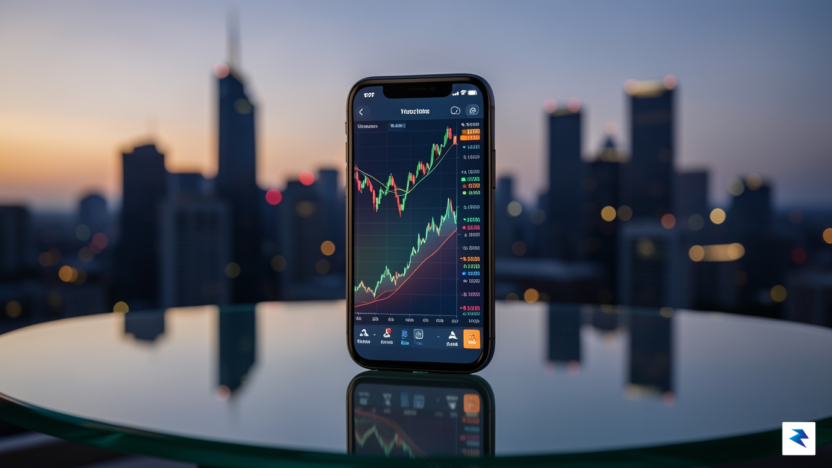
For more than a decade, Google Finance served as a foundational web utility, providing millions of users with a streamlined, no-frills dashboard for monitoring market indices, stock prices, and corporate headlines. While it was highly effective as a desktop bookmark, the platform’s reliance on a browser-based interface often felt like a relic of the early internet era. As the global financial landscape shifted toward mobile-first participation, the limitations of web-based tracking—such as slow load times, poor touch optimization, and the lack of push notifications—became increasingly apparent to modern investors. The transition to a dedicated Android application represents a strategic pivot, acknowledging that today’s retail investors require real-time, frictionless access to their portfolios rather than a static webpage that necessitates constant refreshing.
The move toward a mobile-centric financial experience is not merely about convenience; it is a fundamental redesign of how individuals engage with complex market data. By moving away from the “window” of a mobile browser, Google has created an immersive environment where data visualization and navigation are prioritized for the small screen. Unlike a mobile browser, which must compete with dozens of other open tabs and varying site-rendering speeds, a native application utilizes the device’s hardware to deliver smoother charts, more responsive interactions, and a personalized user experience. This shift allows investors to react to volatile market movements with far greater agility, turning a device that was once a secondary research tool into a primary hub for financial decision-making.
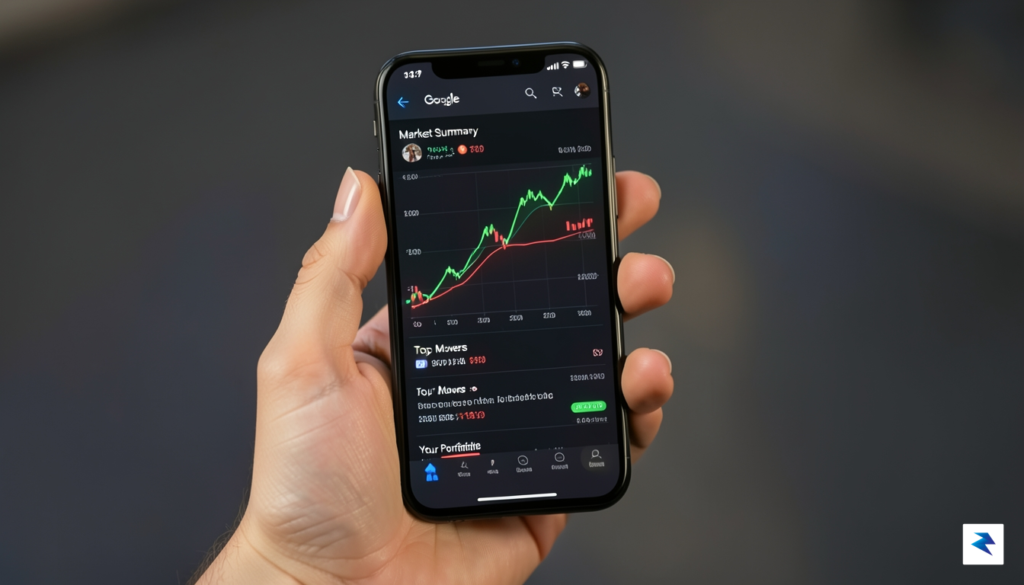
Furthermore, the importance of intuitive UI/UX design in financial applications cannot be overstated. When users are tracking assets, the clarity of the information presented can directly influence their psychological comfort and confidence. A dedicated app allows for the integration of haptic feedback, customizable alerts, and seamless biometric security, all of which are significantly harder to implement within a standard web browser. By prioritizing a clean, minimalist interface, Google is catering to a new generation of investors who value efficiency and aesthetic simplicity as much as they value deep analytical data. This evolution signals that financial literacy tools are finally catching up to the sophisticated, high-performance expectations set by other sectors of the mobile app economy.
The leap from a browser-based tool to a native application signifies more than just a change in format; it represents a commitment to the “always-on” investor who requires immediate, actionable data at their fingertips.
Ultimately, this dedicated Android experience bridges the gap between passive market observation and active portfolio management. It transforms a historically desktop-oriented service into a portable companion that scales with the user’s growing need for financial oversight. As the barrier to entry for personal investing continues to fall, the tools provided by major tech ecosystems must become increasingly sophisticated to keep pace with the velocity of modern finance. By embracing the native app paradigm, Google Finance is positioning itself to remain an indispensable resource in an era where the ability to monitor global markets in real-time is no longer a luxury, but a requirement for the informed investor.
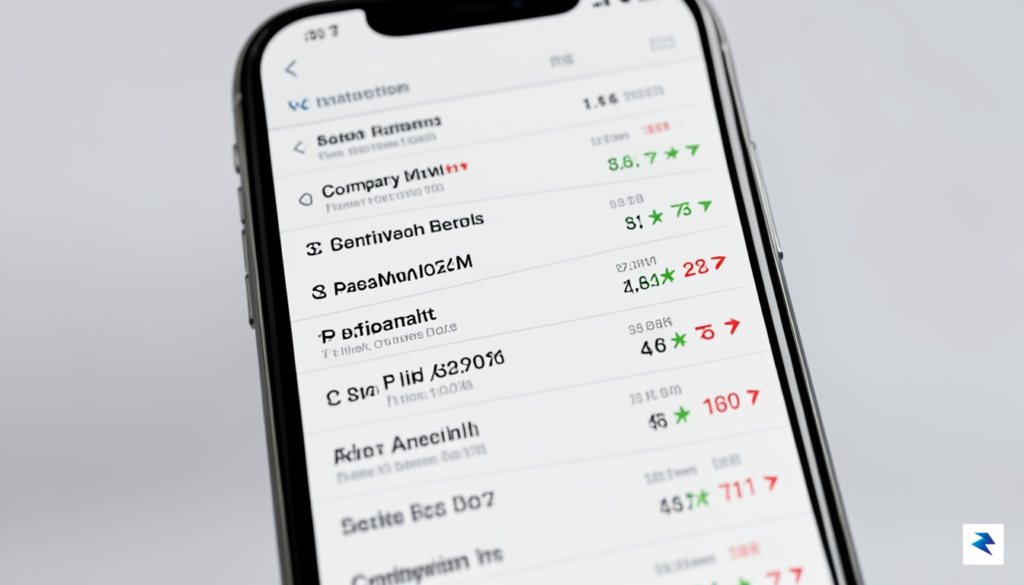
The core of the new Google Finance experience revolves around a highly customizable watchlist that transforms your Android device into a personalized command center for your financial interests. By allowing users to curate a specific list of stocks, indices, and currencies, the app ensures that your most critical assets are always front and center, eliminating the need to search for ticker symbols repeatedly. This native approach provides a fluid, responsive interface that loads instantly, letting you monitor fluctuations throughout the day with minimal friction. Whether you are tracking long-term investments or keeping a close eye on volatile day-trading opportunities, the watchlist acts as your primary dashboard for immediate market context.
Beyond simple monitoring, the app prioritizes the delivery of real-time market data to ensure that investors are never operating on stale information. In an environment where seconds can significantly impact the outcome of a trade, having access to live price updates is indispensable. The application pulls data directly into its native environment, providing a seamless visual representation of market movement through interactive charts and historical performance metrics. This precision allows users to analyze trends with greater confidence, as they are no longer dependent on delayed browser-based refreshes or fragmented third-party trackers that often lack synchronization with official market exchanges.
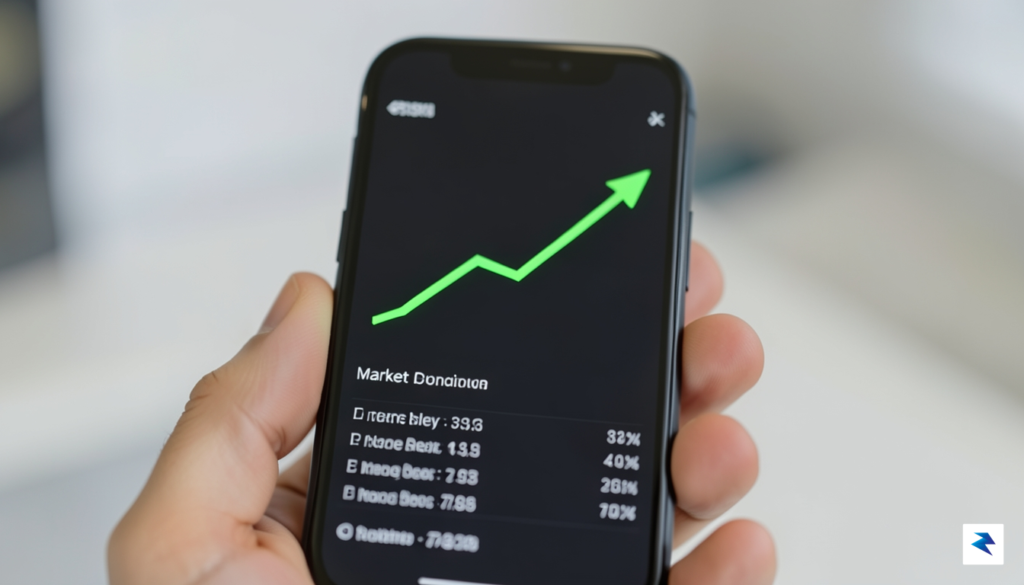
To complement these data-driven tools, the app features an intelligent news aggregation system that synthesizes financial reporting from a broad spectrum of reputable outlets. Instead of manually scouring the web for updates on your holdings, the app serves up curated headlines directly related to the companies in your portfolio. This functionality is particularly valuable for understanding the context behind sudden market shifts, as it bridges the gap between raw numbers and the fundamental news events driving them. By centralizing this information, Google streamlines the research process, allowing you to digest critical earnings reports, mergers, and economic shifts without ever leaving the application.
The integration of native notifications represents a significant upgrade for active investors, moving away from reactive checking toward proactive management of market volatility.
Finally, the introduction of native push notifications elevates the app from a passive viewing tool to an active financial assistant. You can configure custom price alerts for specific assets, ensuring that you are immediately notified when a stock hits a target buy or sell point. Furthermore, these alerts extend to breaking news headlines, keeping you informed of major events even when the phone is locked. By leveraging the full capabilities of the Android operating system, these notifications provide a distinct advantage for investors who need to stay agile in a fast-paced market, ensuring that you remain connected to your financial goals throughout the busiest trading days.
The most compelling addition to the Google Finance experience on Android is the integration of the AI-powered “Key Moments” feature. Historically, retail investors have been forced to navigate a sea of raw data, staring at fluctuating stock tickers without a clear explanation for the underlying catalysts driving those movements. Key Moments changes this paradigm by utilizing large language models (LLMs) to synthesize vast quantities of financial reporting, press releases, and market news into digestible, context-rich summaries. Instead of forcing the user to cross-reference multiple news articles to understand why a share price might have dipped after an earnings call, the application now surfaces the specific events or executive statements that triggered the shift.
This shift represents a fundamental departure from traditional financial reporting, which has long relied on static headlines and dense, jargon-heavy spreadsheets. By automating the extraction of narrative context, Google is effectively lowering the barrier to entry for non-expert investors who may feel intimidated by the complexity of modern financial markets. Where traditional interfaces present the “what”—the price change and the percentage—Key Moments attempts to answer the “why.” This contextualization helps bridge the gap between passive observation and informed decision-making, allowing users to differentiate between momentary noise and genuine shifts in a company’s long-term value proposition.
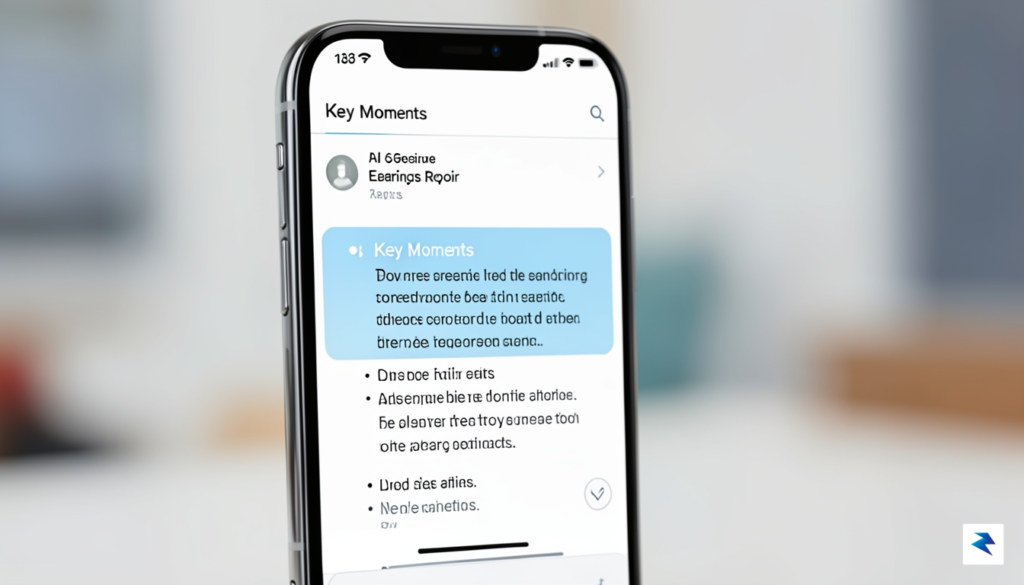
While the convenience of AI-generated summaries is undeniable, investors should approach these insights with a balanced perspective regarding their utility and inherent limitations. The primary benefit lies in time-efficiency; for the busy individual, having a machine distill a thirty-page earnings transcript into three actionable takeaways is a significant productivity win. However, relying on AI for financial context carries risks that every user must acknowledge. Algorithms can occasionally hallucinate or misinterpret the sentiment of a corporate filing, potentially leading an investor to draw incorrect conclusions based on a summary rather than the primary source document.
The true power of AI in finance is not to replace human judgment, but to act as a sophisticated filter that highlights the narratives driving market sentiment in real-time.
Ultimately, while “Key Moments” is a powerful tool for rapid assessment, it should serve as a starting point for research rather than the final word. Savvy investors will use these AI summaries to identify the trends that warrant further investigation, then verify those findings against official regulatory filings or verified financial news outlets. By using this technology as an analytical assistant rather than a financial advisor, users can harness the speed of machine learning while maintaining the critical thinking necessary to protect their portfolios in a volatile market environment.
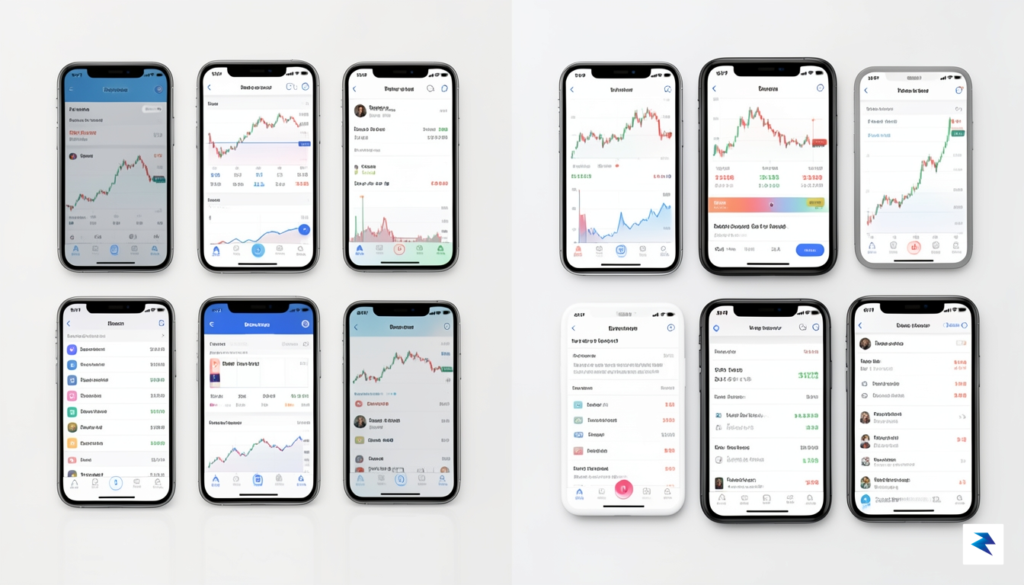
The landscape of financial tracking tools is undeniably crowded, dominated by stalwarts like Yahoo Finance and Bloomberg, alongside a growing ecosystem of sophisticated, brokerage-specific applications. Yahoo Finance has long held the title for casual retail investors who prioritize a broad overview of market trends, news aggregation, and community sentiment. Conversely, professional-grade platforms like Bloomberg provide a level of data granularity and technical analysis that is indispensable for institutional traders but often overwhelming for the average person. Between these two poles, brokerage apps from firms like Fidelity or Robinhood focus heavily on the transactional experience, tethering the user’s data to a specific bank account or investment platform.
Google Finance enters this arena not by attempting to replicate the high-frequency trading tools of a Bloomberg terminal, but by leaning into its core competency: frictionless information retrieval. While competitors often force users to navigate complex, ad-heavy interfaces, Google’s offering prioritizes a clean, minimalist design that feels like an extension of the search engine itself. By integrating directly with the broader Google ecosystem—such as pulling stock performance data directly into your Google Assistant or linking watchlists to your personal Google account—the app creates a seamless feedback loop that traditional, siloed financial trackers simply cannot match.
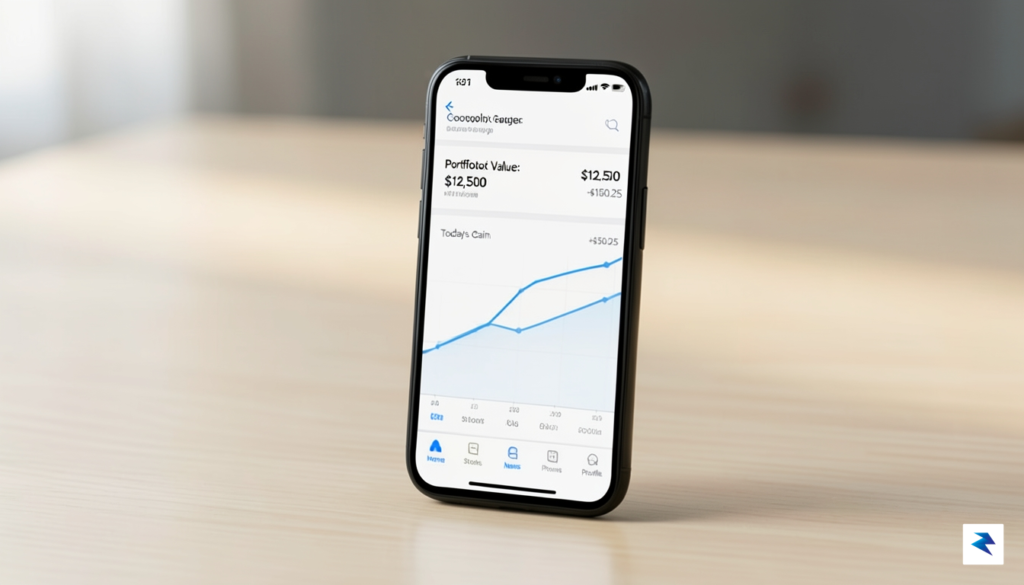
Google Finance differentiates itself by transforming financial monitoring from a distinct “task” into a passive, integrated part of the user’s digital workflow.
Furthermore, Google’s underlying AI capabilities offer a distinct advantage in surfacing relevant market insights without the need for manual filtering. While other apps might inundate users with general news feeds, Google’s infrastructure excels at personalized curation, effectively highlighting earnings reports, sector shifts, and macroeconomic indicators that actually align with the specific assets a user is tracking. This makes it an ideal tool for the “informed observer”—the individual who is serious about their portfolio but does not require the high-latency execution speed of a professional trading desk. By maintaining a focus on clarity, accessibility, and ecosystem integration, Google Finance carves out a niche as the ultimate utility for the everyday investor who values data transparency over complex, proprietary trading features.

The transition toward financial democratization has reached a significant milestone with the release of this dedicated mobile interface. For years, the ability to track global markets in real-time was often sequestered behind expensive terminal software or complex desktop platforms that felt inaccessible to the average person. By bringing professional-grade monitoring tools directly to the Android ecosystem, the barrier to entry for market analysis has been lowered significantly. This shift ensures that high-quality data is no longer the exclusive domain of Wall Street professionals, but rather a utility available to anyone with a smartphone and an interest in growing their personal wealth.
Beyond simple convenience, the presence of a purpose-built application encourages a more robust level of financial literacy among retail participants. When users have immediate access to historical performance metrics, sector trends, and consolidated news reports, they are empowered to make decisions rooted in information rather than impulse. This constant availability of data acts as a feedback loop; as investors engage more frequently with the numbers, they naturally develop a deeper understanding of market mechanics, risk assessment, and long-term strategy. Consequently, the app serves as both a tool for execution and an educational resource that demystifies the often intimidating world of global finance.
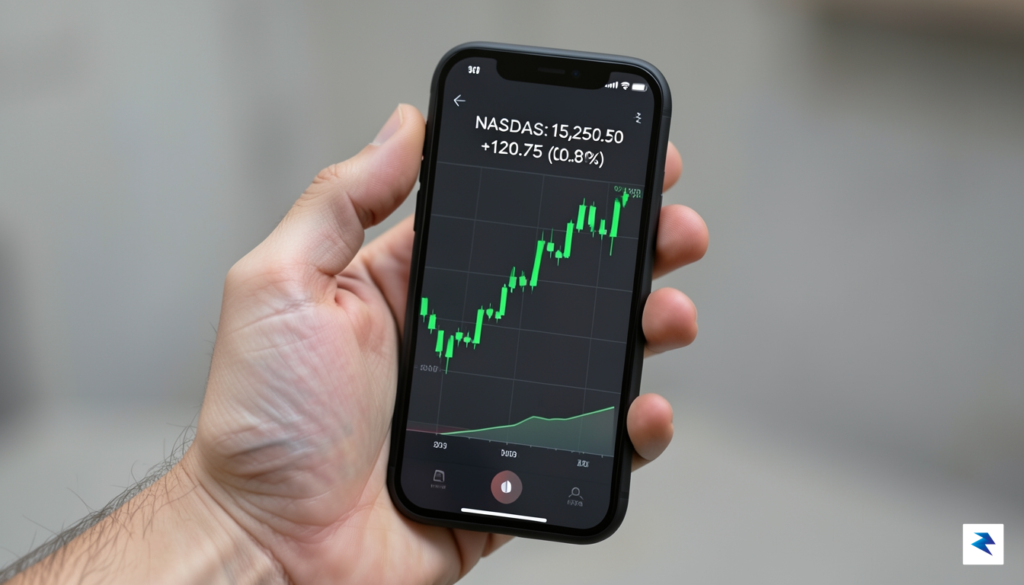
Looking ahead, this release signals a broader shift in how technology giants are approaching the integration of artificial intelligence into financial services. As predictive analytics and machine learning continue to evolve, we can expect these mobile tools to become increasingly proactive, offering personalized insights rather than just static data points. The future of retail investing will likely be defined by apps that anticipate user needs—alerting individuals to volatility or suggesting research based on their specific portfolio holdings—effectively acting as a pocket-sized financial consultant.
Ultimately, the launch of this app is about democratizing access to high-quality financial intelligence. Whether you are a seasoned day trader or a novice investor, having professional-grade tools in your pocket is a game-changer that bridges the gap between passive saving and active market participation.
For the millions of Android users globally, the value proposition here is clear: it is about reclaiming agency in a digital economy. By consolidating essential market intelligence into a streamlined, high-performance package, the platform transforms the way retail investors interact with the global economy. This isn’t just about tracking ticker symbols; it is about providing the infrastructure necessary for independent financial success in an increasingly complex and fast-paced environment.
You must be logged in to post a comment.