
Bitcoin Bounces From $58K: Understanding the Latest Crypto Market Volatility
Understanding the Recent Bitcoin Price Dip The recent downward trajectory of Bitcoin serves as a stark reminder of the inherent volatility…
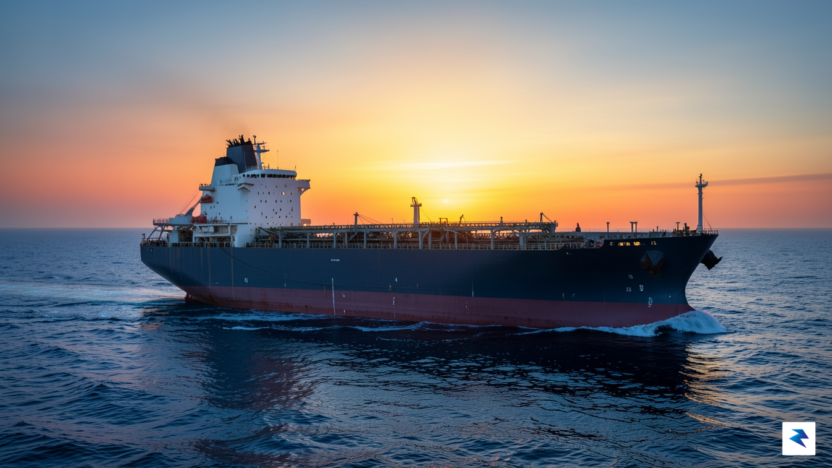
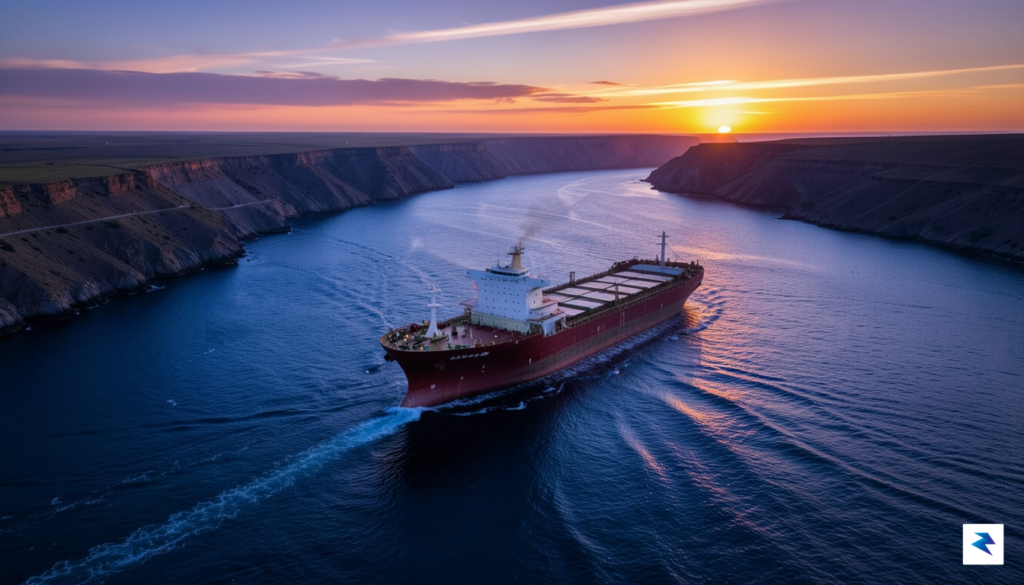
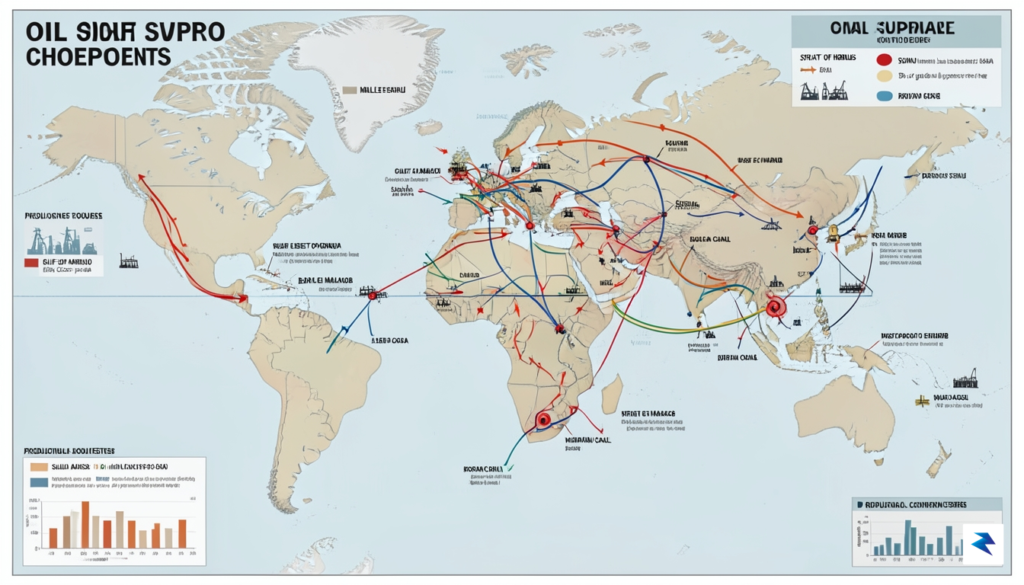
Often referred to as the world’s most critical energy artery, the Strait of Hormuz is not merely a maritime passage; it is the jugular vein of the global economy. Spanning just 21 miles at its narrowest point, this narrow waterway serves as the primary gateway for oil exports from the Persian Gulf, connecting the major producers of the Middle East to the insatiable energy markets of Asia, Europe, and North America. Because there are so few viable alternatives for transporting such massive quantities of crude, the Strait functions as a single point of failure for the global energy supply chain.
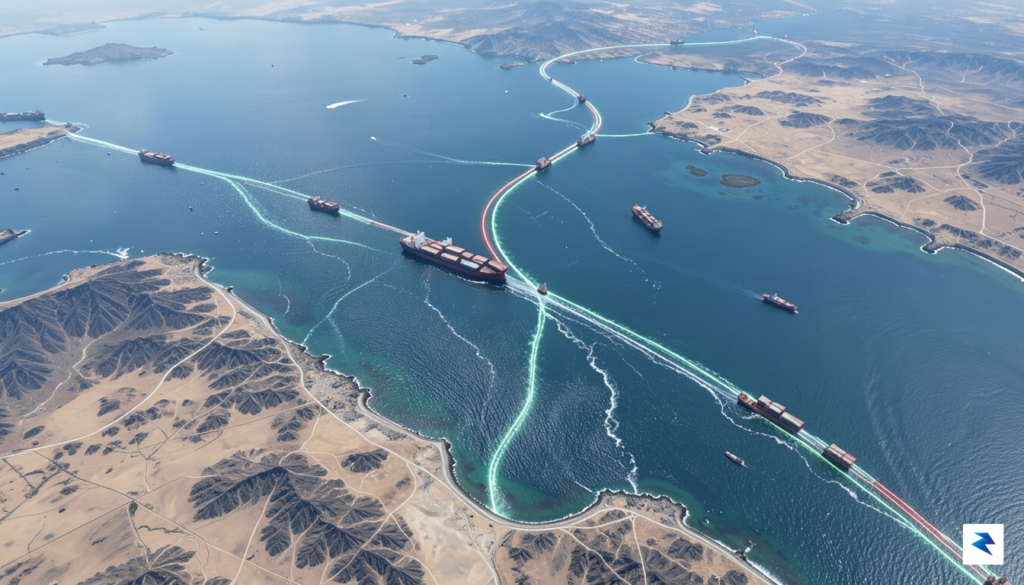
The sheer scale of the transit volume passing through this bottleneck is staggering. On an average day, approximately 20 to 30 percent of the world’s total petroleum consumption—amounting to roughly 21 million barrels—flows through these waters. This includes a significant portion of the liquefied natural gas (LNG) vital for heating and electricity generation in developed nations. When this flow is obstructed, even for a brief period, the impact is instantaneous; the global market lacks the spare capacity or infrastructure to bypass the Strait, meaning any geopolitical friction in the region translates immediately into price volatility at gas pumps and manufacturing hubs thousands of miles away.
The Strait of Hormuz is the world’s most important oil chokepoint because of the massive volume of oil that flows through its waters.
The geographic reality of the Strait exacerbates its strategic vulnerability. Shipping lanes are restricted to two-mile-wide channels for both inbound and outbound tankers, forcing vessels into a predictable, congested path that is difficult to secure and easy to disrupt. Throughout history, these physical limitations have made the Strait a focal point for geopolitical leverage. From the “Tanker War” of the 1980s to modern-day naval posturing, the region has repeatedly demonstrated that control over this maritime corridor is synonymous with influence over global stability. Because the passage is flanked by territories with competing regional interests, it remains a high-stakes arena where military maneuvers and diplomatic tensions can—and do—send shockwaves through the international financial system.
Ultimately, the global reliance on this narrow stretch of water highlights a fundamental fragility in our modern energy infrastructure. As long as the world remains dependent on liquid fossil fuels, the Strait of Hormuz will remain the most sensitive barometer for global economic health. Understanding the strategic weight of this chokepoint is essential for grasping why even minor threats to maritime security in the Persian Gulf demand immediate global attention and why the international community remains so deeply invested in keeping these waters open at all costs.

When news of a maritime blockade or an attack within the Strait of Hormuz breaks, the global energy markets react with instantaneous, often violent, price adjustments. Because roughly one-fifth of the world’s total oil consumption passes through this narrow waterway daily, the threat of a supply shutdown triggers a reflexive surge in both Brent and West Texas Intermediate (WTI) crude benchmarks. Traders and investors do not wait for physical barrels to disappear from the supply chain; instead, they move to hedge against potential deficits, causing prices to climb rapidly as the market attempts to price in a “worst-case” scenario before the full extent of the disruption is even known.
This volatility is significantly amplified by the nature of modern futures markets, where speculative trading often outpaces physical inventory movements. As algorithmic trading programs detect sudden shifts in sentiment, they trigger a cascade of buy orders that push prices higher in a matter of minutes. This phenomenon creates a feedback loop where uncertainty breeds further volatility; market participants, fearing that they will be caught on the wrong side of a supply crunch, rush to secure contracts, which in turn drives up the cost of oil regardless of whether a single tanker has actually been prevented from unloading its cargo.
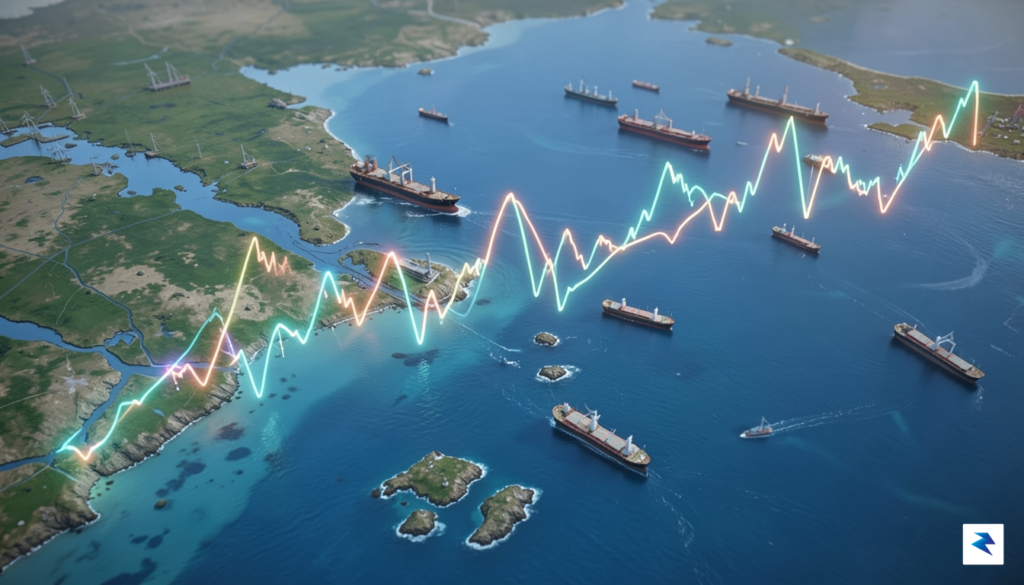
Central to these price swings is the mechanism of the “risk premium”—a surcharge added to the price of a barrel to account for the heightened danger of transit. During times of geopolitical conflict, this premium expands rapidly as insurers increase premiums for maritime shipping and oil companies recalibrate their operational costs. Essentially, the market is no longer just paying for the commodity itself; it is paying for the added cost of risk management, security, and the potential for prolonged logistical delays. This premium remains embedded in the price for as long as the threat persists, acting as a financial buffer that reflects the market’s collective anxiety regarding the safety of global supply routes.
The incorporation of a risk premium is the market’s way of quantifying fear; when the Strait of Hormuz is compromised, the price of oil ceases to be a simple reflection of supply and demand and becomes a barometer for geopolitical stability.
Ultimately, the immediate impact on oil benchmarks serves as a stark reminder of how interconnected and fragile the global energy infrastructure truly is. Even in a modern era of diversified energy sources, the concentration of transit through a single chokepoint forces a unified, global reaction to localized conflict. As these price signals ripple outward, they influence everything from local fuel pump prices to the broader inflation outlook for major economies, demonstrating that a single maritime disruption can translate into significant, tangible costs for consumers thousands of miles away.
The recent closure of the Strait of Hormuz serves as a sobering reminder of the structural fragility inherent in our global energy architecture. For decades, the energy sector has operated under a just-in-time delivery model, prioritizing lean efficiency and cost-minimization over systemic redundancy. While this approach keeps retail prices lower during periods of geopolitical calm, it creates a dangerous “single point of failure” scenario. When a massive volume of the world’s daily oil production is funneled through a narrow maritime chokepoint, any localized act of aggression or mechanical failure ripples instantly across global markets, proving that our reliance on centralized transit routes is a massive strategic liability.
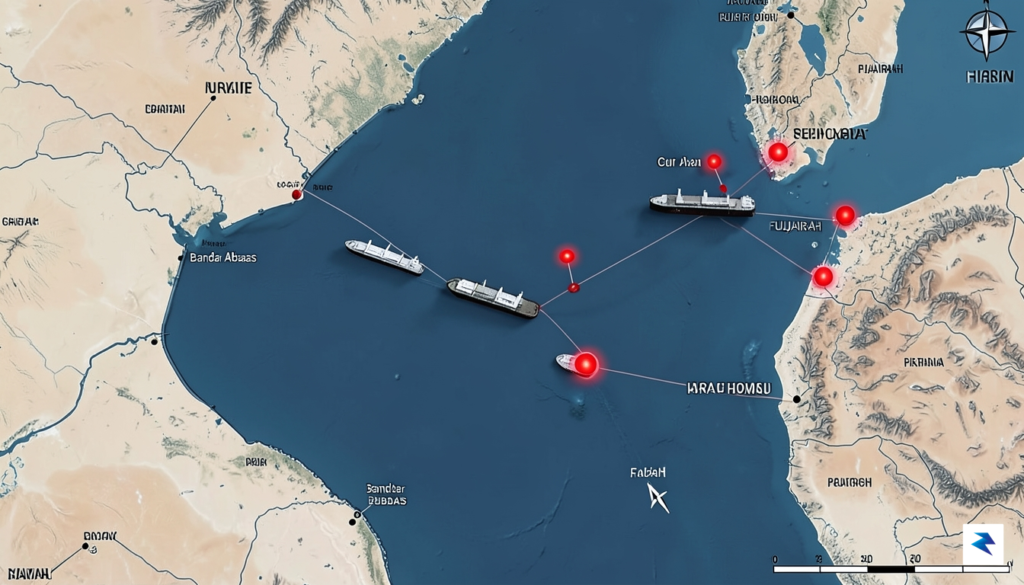
To understand the depth of this vulnerability, one must compare the rigidity of maritime shipping with the relative stability of diversified pipeline networks. Maritime transport relies on open, predictable sea lanes, but these lanes are perpetually subject to the whims of regional instability and military posturing. In contrast, pipeline infrastructure—while expensive to construct and politically complex to negotiate—offers a fixed, land-based alternative that is often less susceptible to the sudden, explosive disruptions seen in maritime corridors. However, because pipelines are permanent fixtures, they lack the flexibility of tankers, which can be rerouted if a market shifts. The current crisis forces a re-evaluation of this trade-off, suggesting that the era of relying almost exclusively on tanker-heavy maritime routes must give way to a more hybrid, diversified infrastructure strategy.
The true cost of energy is not just the price per barrel at the pump, but the hidden premium we pay for a system that lacks the resilience to withstand a single localized conflict.
In response to these systemic threats, many nations are now aggressively pivoting their energy acquisition strategies. Governments are increasingly looking beyond traditional suppliers, investing in long-term infrastructure projects that emphasize geographic diversity. This shift includes expanding domestic production capacities, incentivizing renewable energy integration to reduce absolute reliance on hydrocarbons, and fostering strategic alliances with producers in more stable, non-transit-dependent regions. By moving away from a monolithic dependence on specific, high-risk passages, countries are attempting to insulate their national security from the volatility of regional tensions. Ultimately, diversifying energy pathways is no longer merely a strategic preference; it has become an urgent mandate for any nation that wishes to maintain economic sovereignty in an increasingly unpredictable global landscape.
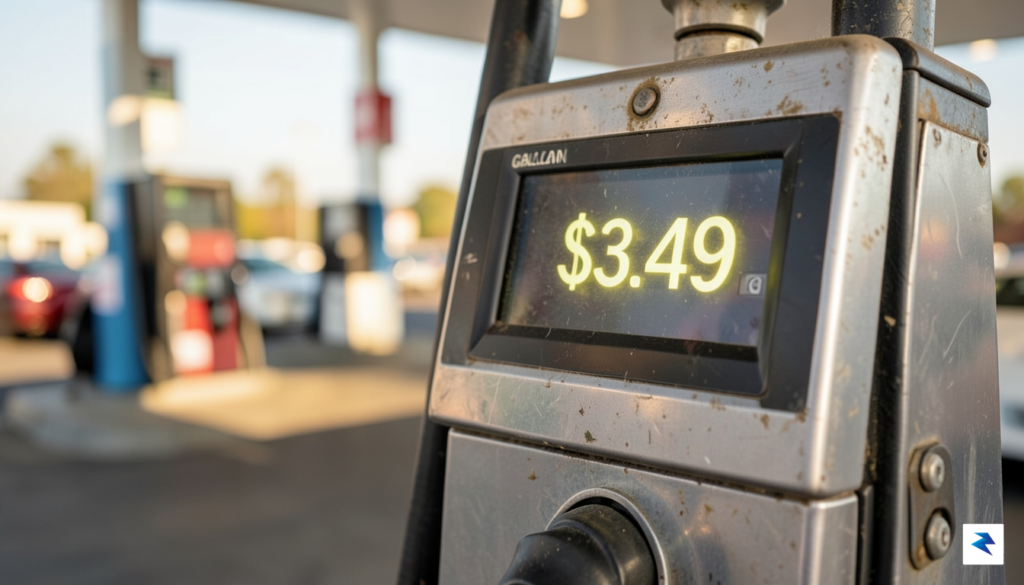
While the geopolitical tension unfolding in the Strait of Hormuz may feel like a remote event occurring thousands of miles away, the economic consequences will inevitably travel across oceans to reach your local community. Crude oil serves as the foundational lifeblood of the global economy, and when this vital maritime artery is constricted, the immediate effect is a surge in wholesale energy costs. For the average citizen, this transition happens with unsettling speed at the gas pump. As fuel retailers adjust their pricing to reflect the rising cost of acquiring refined petroleum, drivers will notice their weekly commuting expenses creeping upward. Because transportation remains a non-negotiable cost for most households, this sudden spike in fuel prices acts as a de facto tax, effectively reducing the disposable income available for other essential spending.
The impact, however, extends far beyond the price of a gallon of gasoline. Energy costs are embedded into the very architecture of our supply chains, meaning that nearly every physical good you purchase—from fresh produce to consumer electronics—carries an implicit “energy surcharge.” When the cost of diesel fuel rises for the trucking industry, shipping companies pass those expenses down the line to retailers, who in turn adjust the prices on store shelves to maintain their profit margins. This phenomenon creates a broad-based inflationary pressure that can turn a localized geopolitical incident into a nationwide increase in the cost of living. When the shipping of raw materials becomes more expensive, the final sticker price of everything from household appliances to clothing begins to climb, compounding the financial strain on families already navigating tight budgets.

Furthermore, central banks and policymakers monitor these energy-led fluctuations with significant concern, as they can complicate efforts to stabilize the economy. When oil prices spike due to supply chain disruptions, they often trigger a phenomenon known as “cost-push inflation,” where rising input costs force businesses to raise prices regardless of consumer demand. Unlike demand-driven inflation, which can sometimes be cooled by adjusting interest rates, energy-based price hikes are notoriously difficult to control through monetary policy alone. If these elevated prices persist over the long term, they can lead to an environment of sustained inflation, where the purchasing power of the average household is systematically eroded. For the average consumer, this means that the current crisis is not merely a temporary inconvenience, but a signal to prepare for a more challenging economic landscape where the cost of daily necessities may remain stubbornly high until global shipping corridors are fully secured.
The true measure of a supply chain disruption is not found in the headlines of shipping manifests, but in the cumulative effect of rising costs that eventually define the monthly household budget.
To navigate these periods of uncertainty, it is helpful to recognize the ripple effect for what it is: a systemic shift in the cost of logistics. As you look at your own financial planning, consider how transportation-heavy sectors—such as grocery deliveries, heating oil, and long-distance travel—are the most sensitive to these fluctuations. By anticipating these costs, households can better adjust their spending habits to account for the inevitable volatility that accompanies global energy insecurity.

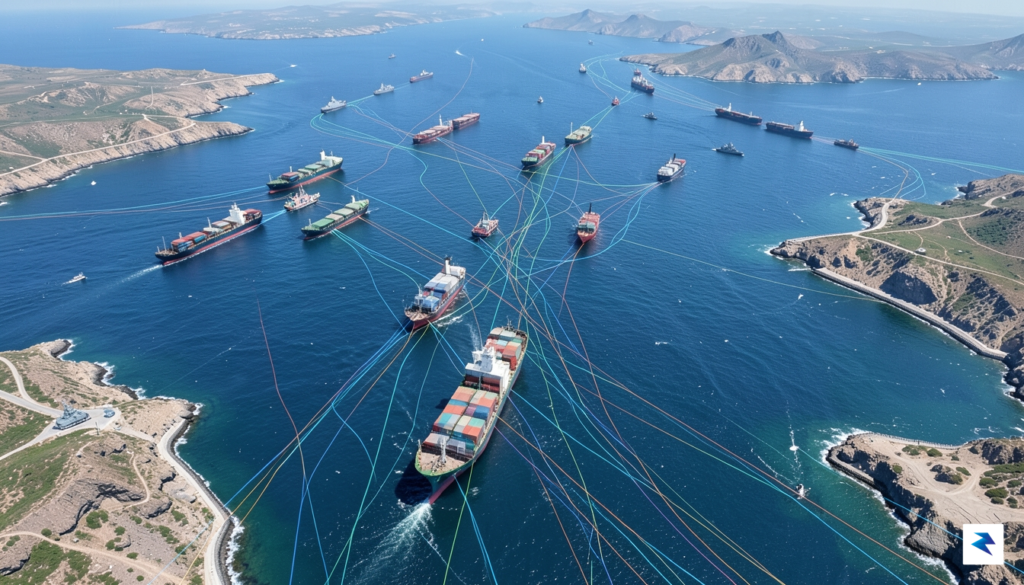
The recent attack, dramatically impacting shipping through the Strait of Hormuz, has thrust this vital waterway back into the spotlight as a crucible of international power dynamics and economic vulnerability. This narrow maritime chokepoint, through which a significant portion of the world’s seaborne oil passes daily, represents far more than just a transit route; it is a critical artery of global commerce and a perennial flashpoint for geopolitical tension. The current standoff is therefore a delicate dance, balancing formidable naval power with intense diplomatic pressure, where miscalculation could have catastrophic global repercussions.
Regional powers, most notably Iran and the Gulf Cooperation Council states, find themselves at the immediate forefront of this intricate security challenge. For Iran, control or influence over the Strait is a strategic lever, often seen as a deterrent against external threats and a means to assert its regional standing. Conversely, Gulf states like Saudi Arabia and the UAE rely heavily on the Strait for their oil exports, making its security paramount to their economic survival and national stability. Their naval forces are continuously vigilant, but the sheer volume of traffic and the complex web of territorial claims make unilateral security extremely difficult, necessitating a broader international engagement.
Beyond the immediate regional players, global powers are deeply invested in the Strait’s stability. The United States, with its long-standing naval presence in the Fifth Fleet, views the protection of free navigation as a core interest, essential for global energy security and its own strategic alliances. Similarly, major energy consumers like China, India, and European nations, whose economies are heavily reliant on uninterrupted oil flows, exert significant diplomatic and, at times, military influence to ensure the Strait remains open. Their coordinated efforts, or lack thereof, will largely dictate the success of any de-escalation strategy, highlighting the interconnectedness of international security.
The path forward is fraught with peril, yet diplomatic de-escalation remains the most desirable outcome. International bodies and mediating nations are actively working behind the scenes, attempting to foster dialogue and find common ground. Leveraging economic incentives, potentially easing sanctions in exchange for guaranteed maritime security, could offer a viable off-ramp to the current crisis. Furthermore, the immense economic cost of any military conflict in the region—not just in terms of oil prices but also damage to infrastructure, trade routes, and human lives—serves as a powerful deterrent, pushing all parties towards a negotiated settlement.
However, the specter of military intervention always looms when vital global interests are threatened. Naval assets from various nations are routinely deployed to the region, ready to respond to threats against shipping. Any direct military action, whether in response to further attacks or to enforce freedom of navigation, carries the inherent risk of rapid escalation, potentially drawing in multiple actors and destabilizing the entire Middle East. This precarious balance between deterrence and provocation underscores the urgency for robust diplomatic solutions, as a military misstep could unravel years of regional stability and cooperative efforts.
Looking beyond the immediate crisis, disruptions in the Strait of Hormuz inevitably accelerate long-term shifts in global energy policy. The recurring vulnerability of this choke point strengthens the global impetus to diversify energy sources and reduce reliance on fossil fuels. Nations are likely to double down on investments in renewable energy technologies, explore alternative shipping routes, and bolster strategic petroleum reserves to cushion against future supply shocks. This incident could, therefore, become a catalyst for a faster transition to a more resilient and diversified global energy landscape, fundamentally reshaping international energy markets and geopolitical priorities in the decades to come.
Ultimately, the future outlook for the Strait of Hormuz and global energy security hinges on a complex interplay of political will, international cooperation, and strategic foresight. The immediate challenge is to navigate the current crisis without further escalation, but the enduring lesson will be the imperative to build a global energy system less susceptible to the whims of regional conflicts and more attuned to the long-term demands of sustainability and stability.
You must be logged in to post a comment.