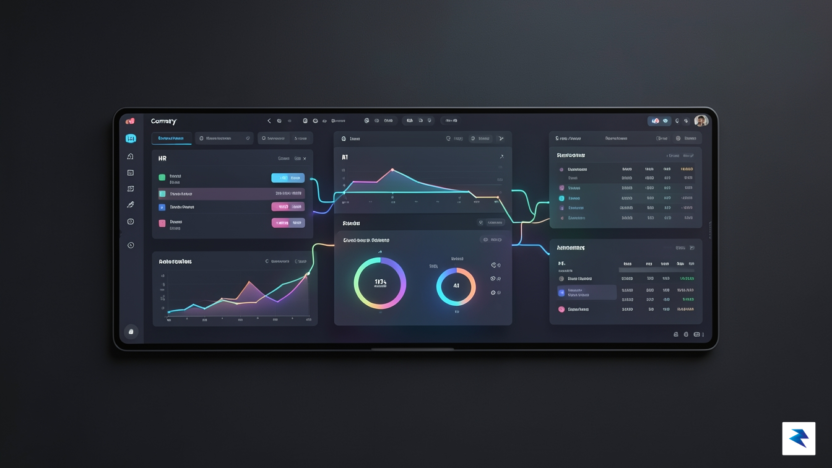
The Rise of Shadow AI and the Data Silo Dilemma

The modern workplace is undergoing a quiet but seismic shift as employees increasingly bypass traditional procurement channels to adopt AI-powered productivity tools. This phenomenon, widely known as “Shadow AI,” occurs when individual contributors—driven by the desire for efficiency—sign up for niche SaaS applications using corporate credit cards without the oversight of IT or Finance departments. While these tools may provide immediate, localized gains in productivity, they simultaneously create a decentralized web of unmanaged software that organizations struggle to track. When hundreds of employees each subscribe to their own AI writing assistants, data synthesis platforms, or automated research tools, the cumulative financial impact can be staggering, often reaching a $30,000 annual run-rate for a mid-sized team that leadership didn’t even know existed.
Beyond the immediate budgetary impact, this fragmented approach to tooling creates a profound data silo dilemma that threatens long-term operational health. When sensitive company information is fed into disparate AI models that operate outside of a centralized infrastructure, the organization loses its “single source of truth.” Information becomes trapped in private accounts, inaccessible to the broader team and invisible to security teams tasked with maintaining compliance. This lack of visibility turns your corporate knowledge base into a collection of isolated islands, preventing the cross-functional data synthesis required to make informed, strategic decisions. Without a unified system of record, the very tools meant to accelerate business performance end up creating dangerous blind spots in security posture and governance.
The true cost of Shadow AI is not just the redundant subscription fees; it is the silent erosion of data integrity and the fragmentation of the corporate intelligence layer.
To address this crisis, organizations must move beyond reactive measures and toward a more integrated vision of their data stack. The challenge is that employees will always seek out the most effective tools for their daily workflows; therefore, the solution cannot be to simply ban new technology. Instead, the focus must shift to providing a governance framework that allows for rapid adoption while maintaining visibility and security. By bringing these disconnected tools under a centralized management umbrella, companies can reclaim control over their data, eliminate wasteful spending, and ensure that every AI interaction is aligned with broader organizational security policies. Only by integrating these disparate services into a singular stack can businesses transform their chaotic sprawl of tools into a cohesive, intelligent, and secure engine for growth.
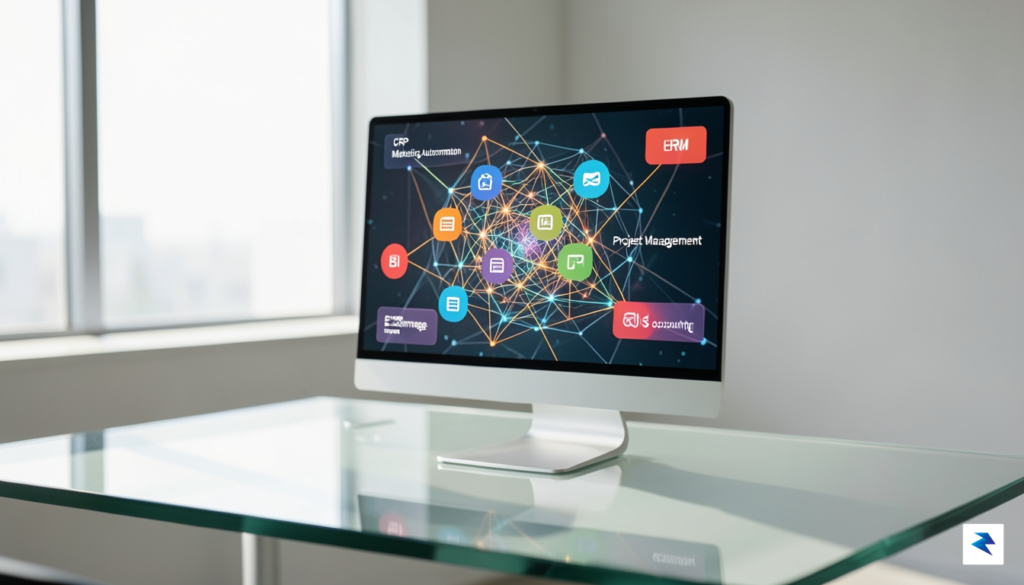
Rippling’s Vision: Centralizing the Employee Data Stack
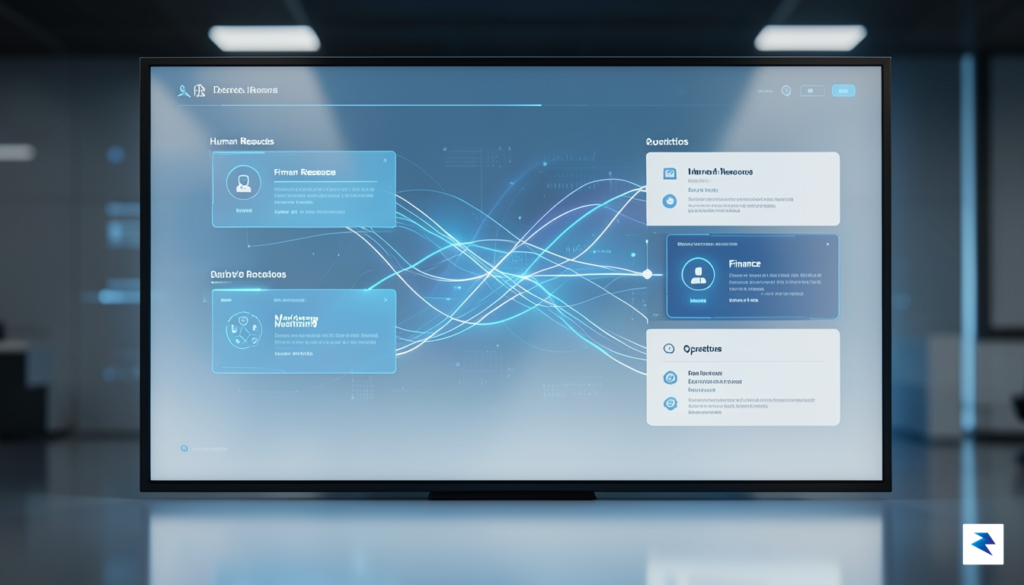
For years, Rippling was primarily known as the go-to platform for streamlining payroll, benefits, and HR administration. However, the company has rapidly outgrown that initial scope, evolving into a foundational operating system for the modern enterprise. By moving beyond the traditional boundaries of human resources, Rippling is positioning itself as the central data hub that links an organization’s most valuable asset—its people—to every digital tool they touch. This shift represents a fundamental change in how companies manage their technology stacks, moving away from disparate, siloed applications toward a unified, identity-centric architecture.
At the core of this transformation is the concept of the “employee graph,” a sophisticated data model that maps the relationship between every individual and the resources they require to perform their jobs. Unlike legacy systems that treat identity, software access, and financial data as separate entities, Rippling ties these elements together into a single, cohesive fabric. When an employee is hired, their profile automatically triggers a cascade of downstream events: corporate devices are provisioned, software licenses are granted based on role-based permissions, and access to internal data repositories is finalized. This interconnected approach ensures that the “source of truth” remains accurate across the entire organization, eliminating the drift that occurs when HR systems and IT management tools fail to communicate effectively.

The operational benefits of this centralization are profound, particularly regarding the automation of provisioning and de-provisioning workflows. In a typical company, IT departments are often bogged down by the manual labor of granting or revoking software access, a process prone to human error and significant security risks. By utilizing Rippling as the central data authority, these processes become entirely programmatic. When an employee changes departments or exits the company, the system automatically adjusts permissions and triggers de-provisioning protocols across all integrated apps simultaneously. This not only saves hundreds of administrative hours annually but also significantly reduces the risk of “shadow IT” and lingering access rights, which are common vulnerabilities in rapidly scaling organizations.
By anchoring every piece of software and hardware to a unified employee record, Rippling transforms the HRIS from a passive administrative tool into a dynamic command center for company-wide governance.
Ultimately, this push to become the entire data stack is about visibility and control. By capturing the full lifecycle of an employee’s digital footprint, Rippling provides leaders with granular insights into how software is being used, managed, and funded. Rather than juggling dozens of fragmented SaaS dashboards, decision-makers can view the company’s entire technological footprint through a single, intelligent lens. This transition suggests that in the near future, the most successful companies will not just manage their data—they will govern it through the same platform that manages their people, creating a seamless, automated environment where tools align perfectly with organizational intent.
Measuring AI ROI: Why Contextual Data Matters
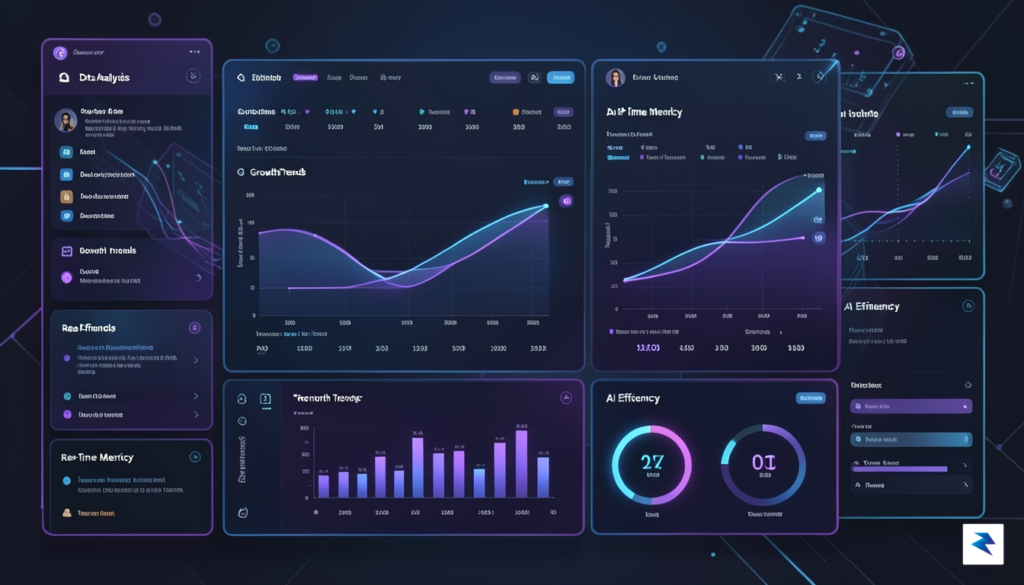
For most organizations, the rapid proliferation of generative AI tools has created a visibility crisis. While IT departments scramble to monitor subscriptions and manage security risks, leadership is often left in the dark regarding the actual value these tools provide. Simply tracking license counts or employee login frequency is a superficial metric that fails to answer the most pressing question: is this AI investment actually moving the needle on productivity? Without a unified view, companies are flying blind, paying for a multitude of disparate AI agents and assistants without a clear understanding of whether they are genuinely accelerating workflows or merely adding another layer of digital noise.
Rippling is positioning its platform to solve this by moving beyond basic usage tracking and into the realm of contextual intelligence. By anchoring AI usage data directly to an employee’s role, their specific department, and their output metrics, the platform creates a feedback loop that was previously impossible to close. Instead of viewing AI spend in a vacuum, managers can now correlate the adoption of a specific coding assistant or content generator with tangible KPIs, such as project completion velocity or output volume. This transition from passive oversight to active performance analysis allows businesses to treat AI tools like any other strategic asset, demanding—and receiving—evidence of return on investment.
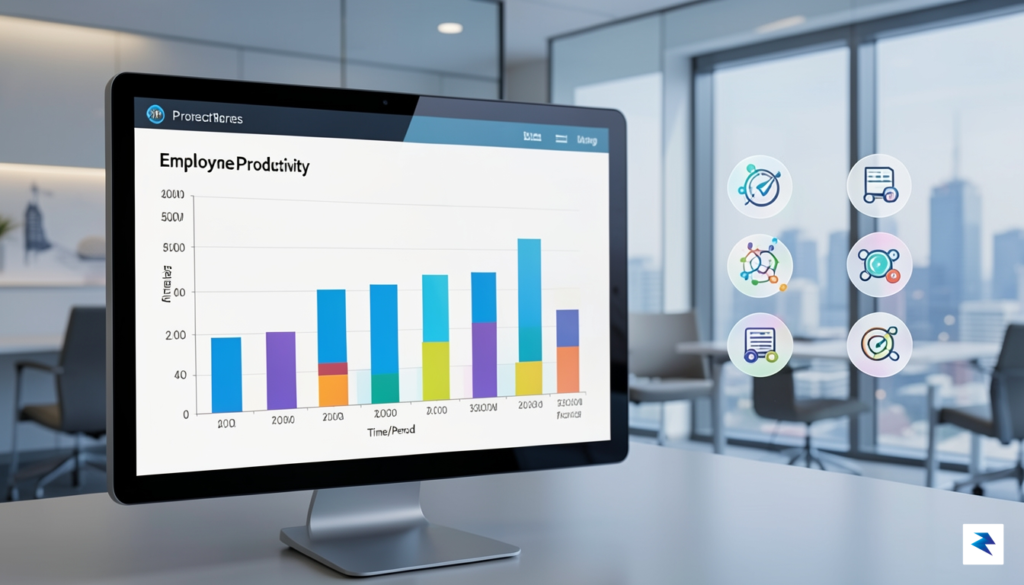
This data-driven transparency is a far more effective governance strategy than the restrictive, “ban-all” policies that many risk-averse organizations initially adopted. Blanket prohibitions rarely work in the modern workplace; they only drive employees toward shadow IT, where data security becomes impossible to enforce and valuable innovations go unmonitored. By providing a platform that tracks performance without stifling experimentation, companies can foster a culture of responsible AI adoption. When leadership can clearly demonstrate that a tool is delivering measurable value, they gain the buy-in needed to scale those specific solutions across the enterprise, while simultaneously cutting the budget for redundant or underperforming software.
The true measure of an AI tool isn’t its capability, but its impact on the bottom line. By linking software spend to business outcomes, companies move from speculation to a scientific approach to productivity.
Ultimately, the goal of this integrated approach is to transform the role of the manager from a gatekeeper of software into an architect of efficiency. When managers have access to a centralized data stack that highlights which workflows are being optimized and which are stagnating, they can make informed decisions about resource allocation. This level of oversight ensures that the company’s tech stack evolves in lockstep with its business objectives, effectively turning the chaos of rapid AI adoption into a structured, scalable advantage.
Security and Governance in the Age of Intelligent Automation
As organizations integrate generative AI into their daily workflows, the threat of AI data leakage has shifted from a theoretical concern to a top-tier operational risk. When intelligent agents are granted permissions to traverse calendar invites, internal email threads, and sensitive communication platforms, the surface area for accidental exposure expands exponentially. Without a unified strategy, it becomes nearly impossible to track which models have access to which data sets, creating a “shadow AI” environment where proprietary information can be ingested by third-party training sets or exposed to unauthorized internal users. Protecting corporate intellectual property in this new era requires more than just firewall rules; it demands a fundamental rethink of identity-based data security.

Rippling’s strategy addresses this challenge by anchoring security governance directly into the identity stack. By centralizing the management of employee roles, access permissions, and application provisioning, IT and security teams can establish strict guardrails at the point of origin rather than attempting to patch vulnerabilities after the fact. Instead of relying on decentralized, disparate systems that often result in “permission creep,” administrators can use Rippling to enforce granular access policies that automatically scale with an employee’s changing role. This ensures that an AI tool can only access the specific data streams necessary for an individual’s current function, drastically reducing the blast radius in the event of a misconfiguration or a compromised account.
True security in an age of automation is not about locking down tools, but about creating an environment where policy enforcement happens invisibly in the background.
The transition from periodic, manual audits to real-time policy enforcement represents the most significant shift in modern compliance. Manual reviews are inherently reactive, often catching data exposure issues weeks or months after they occur, by which time the damage is already done. By contrast, Rippling leverages its unified architecture to automate compliance, ensuring that security policies are applied instantly as workers join, move, or leave the company. This automation allows IT departments to move from a “gatekeeper” model, which often stifles innovation and frustrates employees, to a “governance-as-code” model. Employees remain free to experiment with the latest AI tools and automation platforms, secure in the knowledge that the organization’s guardrails are dynamically adjusting to protect sensitive information without requiring constant intervention or administrative overhead.
The Future of Operational Efficiency: Beyond HR

The traditional approach to organizational management has long been defined by silos, where HR, IT, and finance systems exist as disparate islands of data. When employee onboarding required manual coordination between payroll, hardware provisioning, and software access, the result was inevitably a web of administrative friction that slowed growth. By collapsing these silos into a unified data stack, companies are no longer just managing personnel; they are orchestrating a singular, cohesive asset. This shift transforms the employee experience from a series of disconnected bureaucratic hurdles into a fluid, automated lifecycle, allowing managers to focus on strategy rather than the logistical overhead of provisioning accounts or adjusting permissions.
By treating the entire “employee stack” as a cohesive unit, businesses unlock a level of operational agility that was previously gated by legacy infrastructure. When IT and HR data are inextricably linked, the enterprise gains a real-time pulse on its workforce. For instance, the moment a role changes or an employee departs, the system can automatically reconcile access rights, security clearance, and payroll adjustments without human intervention. This level of automation is not merely about convenience; it is about creating a high-velocity environment where scaling up—or pivoting rapidly—becomes a seamless execution of data policy rather than a frantic exercise in manual data entry.

The true competitive advantage of the next decade will not be found in the tools a company uses, but in the visibility it maintains over the data flowing through its people, processes, and systems.
As we look toward the future, the integration of these systems serves as the foundation for sophisticated AI governance and decision-making. When an organization possesses a single, clean source of truth that spans the entire employee journey, it can deploy machine learning models with confidence, knowing the underlying data is accurate, compliant, and current. Companies that fail to unify their stacks will find themselves burdened by the weight of “data debt,” struggling to reconcile conflicting information while their more agile competitors move with precision. Ultimately, the future of business management belongs to those who view administrative friction as an obsolete relic, choosing instead to prioritize total visibility as their primary differentiator in a crowded global market.