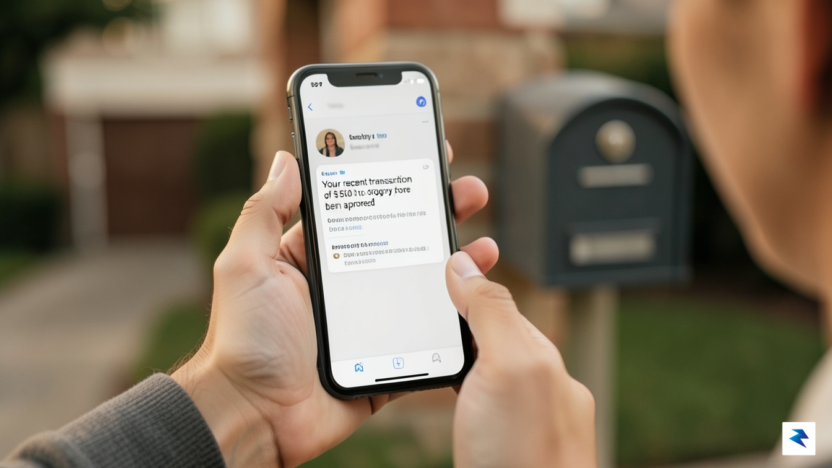
The Enduring Vulnerability of Paper Checks
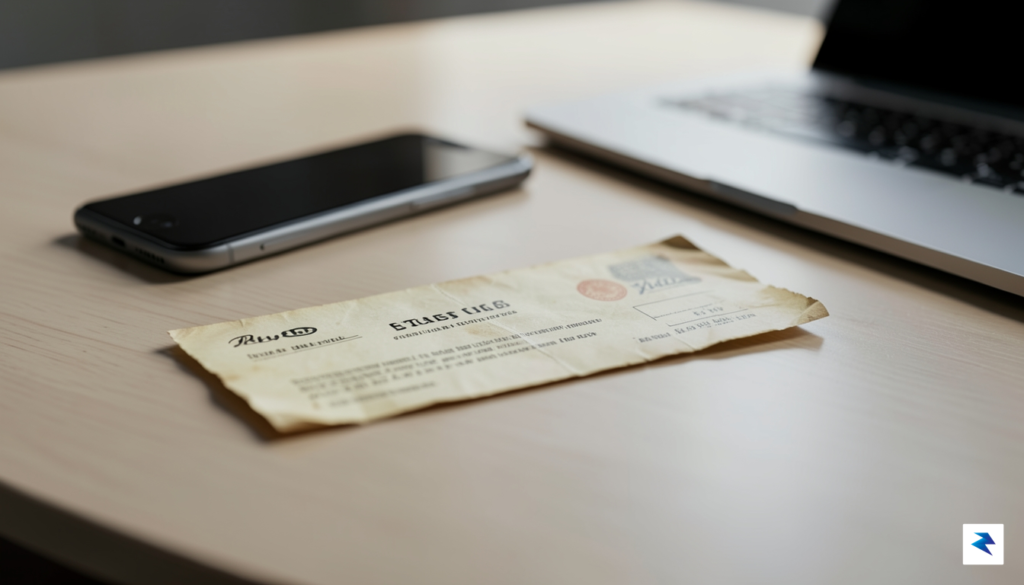
Despite the rapid acceleration of digital banking and the widespread adoption of secure, instantaneous electronic transfers, a surprising number of Americans remain tethered to the traditional paper check. There is a deeply ingrained “trust gap” at play here; because checks have been a cornerstone of personal finance for decades, many consumers erroneously assume they are inherently safer than modern digital alternatives. In reality, the physical nature of a check—which contains sensitive information like your bank routing number, account number, and home address—makes it a high-value target for bad actors in an era where data is the most valuable currency. By continuing to place a paper document into a mailbox, you are effectively leaving a trail of your most sensitive financial details in an unsecured, public environment.
The risks associated with this habit have escalated sharply due to the increasing sophistication of organized crime syndicates. These groups no longer rely on simple pickpocketing; instead, they have pivoted toward large-scale mail theft, specifically targeting USPS collection boxes and residential mailboxes to harvest checks for illicit “check washing” operations. Criminals use readily available chemical solvents to erase the original payee and amount written on a check, leaving the signature intact so they can rewrite the document for exorbitant sums of money. This isn’t just an isolated incident; law enforcement agencies have reported a massive surge in mail-based financial fraud, noting that processing centers and neighborhood mail receptacles have become primary hunting grounds for those looking to exploit paper-based vulnerabilities.
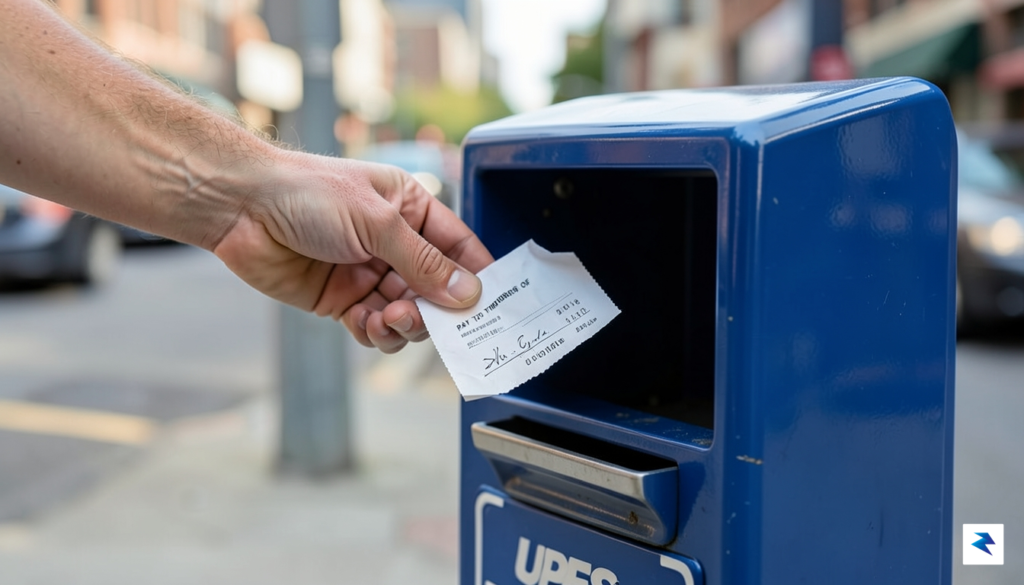
The transition from paper checks to digital payments is no longer merely a matter of efficiency or convenience; it has become an essential layer of personal cybersecurity in an age where identity theft is a constant threat.
Furthermore, the delay inherent in check processing—the days it takes for a check to move from the mail, through a clearinghouse, and finally to your bank—provides a dangerous window of opportunity for criminals. While you might assume a transaction is complete once the check is dropped in the mail, that document remains “in play” and vulnerable for several days. During this time, your sensitive account information sits in various sorting facilities, often outside the view of surveillance or secure monitoring. By shifting to digital platforms like ACH transfers, Zelle, or secure online bill-pay portals, you eliminate the physical transit risk entirely. Modern digital banking provides encrypted, real-time tracking and immediate confirmation of funds, which drastically reduces the attack surface available to those looking to drain your accounts.
Ultimately, the continued use of paper checks represents a misalignment between our financial habits and the modern threat landscape. We live in a world where security must be proactive rather than passive, and relying on a nineteenth-century payment method in a digital world is a risk that simply isn’t worth taking. By auditing your recurring payments and transitioning away from paper, you are not just simplifying your bookkeeping; you are closing a significant loophole that could otherwise lead to devastating financial loss.
How Check Washing Schemes Operate
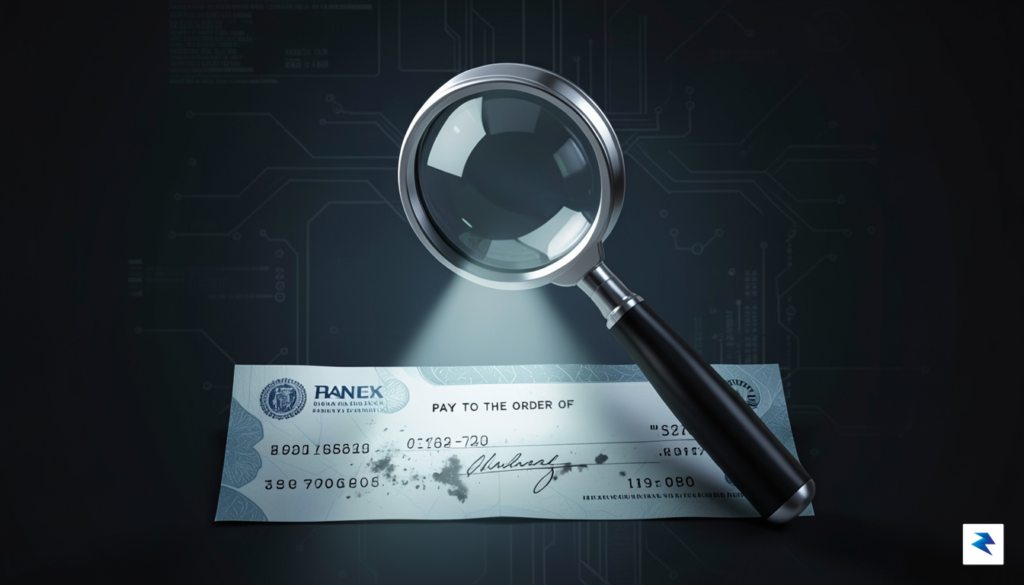
The process of check washing has evolved from a simple street-level crime into a sophisticated, multi-stage criminal operation that turns a routine bill payment into a massive security vulnerability. It typically begins with the theft of mail directly from residential mailboxes or public blue collection boxes. Criminals look for the telltale envelopes that signal a bill payment, often targeting neighborhoods where residents leave outgoing mail sitting in unlocked boxes for hours before collection. Once these checks are in the hands of bad actors, the paper becomes a blank canvas for illicit activity.
Criminals employ common household chemicals—often involving specialized solvents like acetone or bleach—to carefully erase the ink used for the payee name and the dollar amount. Because most modern gel-based inks are susceptible to these chemical agents, the original information can be lifted while leaving the signature and the check’s background security patterns largely intact. This allows the fraudster to rewrite the payee line to a shell company or an individual and inflate the amount to a significant sum, effectively turning a modest $50 utility payment into a $5,000 fraudulent withdrawal.

Once the check is “washed” and altered, the operation relies on a network of “money mules.” These individuals are often recruited through social media or classified ads to deposit the fraudulent checks into their own personal bank accounts. By using an unwitting or complicit third party, the primary criminals create a layer of separation between themselves and the crime, making it incredibly difficult for law enforcement to track the original source of the theft. The money is then quickly withdrawn or transferred to untraceable accounts before the bank identifies the discrepancy.
The most dangerous aspect of check washing is the “lag time” inherent in the clearing process. Because a check may take several days to clear through the automated clearing house (ACH) network, the fraud often goes undetected until the victim receives their monthly statement or notices a missing balance weeks later.
By the time the victim realizes their funds have been stolen, the criminal trail has usually gone cold, and the money has long since left the banking system. This delay creates a significant barrier to recovery, as banks are often hesitant to reimburse funds that were authorized via a physical signature, even if that signature was obtained through deception. Ultimately, understanding that a simple piece of paper is a gateway for identity theft is the first step in recognizing why migrating to secure, digital payment methods is no longer just a matter of convenience—it is a vital component of personal financial protection.
Modern Alternatives to Paper Payments
Transitioning away from paper checks does not mean sacrificing the control or record-keeping you have grown accustomed to; in fact, modern digital alternatives offer significantly more visibility into your personal finances. Bank-integrated Bill Pay services remain the gold standard for recurring obligations, allowing you to schedule payments in advance with automated precision. By utilizing these tools, you eliminate the risk of late fees caused by mail delays while ensuring that your sensitive bank information is never exposed to the public postal system. Unlike a paper check, which lists your full account and routing numbers for anyone who handles the envelope to see, bank-integrated systems use encrypted channels that keep your data private and secure.
For more immediate transactions, services like Zelle and ACH transfers provide instantaneous or near-instantaneous movement of funds directly between financial institutions. While Zelle is perfect for splitting expenses or paying trusted individuals, ACH transfers are the preferred method for larger, more stable payments, such as rent or mortgage installments. These platforms generate an electronic audit trail that is far more reliable than a physical checkbook register. You no longer have to wonder if a check was lost in the mail or if a recipient has finally deposited it; instead, you receive real-time notifications and permanent digital records that are easily searchable and exportable for budgeting purposes.
Unlike physical checks, which are vulnerable to “check washing” and mail theft, digital transactions are protected by the Electronic Fund Transfer Act (EFTA), which provides a legal framework for recovering funds in the event of unauthorized activity.
It is important to understand the legal advantages inherent in these digital shifts. When you send a physical check, your consumer protections are often limited by the time it takes to notice a fraudulent transaction and the difficulty of stopping payment on a cleared instrument. Conversely, the EFTA provides robust federal protections for electronic transfers, limiting your liability for unauthorized transactions provided they are reported in a timely manner. These regulations force financial institutions to investigate errors and unauthorized debits with a level of rigor that simply does not exist for paper checks. By moving your payments into the digital ecosystem, you are not just choosing convenience; you are actively placing your assets behind a wall of modern encryption and federal consumer safeguards that effectively neutralize the risks of traditional paper-based banking.
Best Practices for Protecting Your Financial Information

When you absolutely must send a paper check, the first line of defense begins with the very pen you use. Opt for pigment-based gel pens, specifically those labeled as “permanent,” “archival,” or “fraud-proof.” Unlike dye-based inks, which merely stain the paper fibers and can often be chemically “washed” away by fraudsters using common solvents, pigment inks contain solid particles that physically bond with the paper. This makes alteration significantly more difficult and more noticeable to the naked eye. This seemingly minor change in writing utensil can dramatically increase the effort and visibility required for a criminal to tamper with the payee or amount on your check, potentially deterring the attempt or providing crucial evidence if fraud occurs.
The timing and location of your mail drop-off are equally critical in minimizing risk. Never leave outgoing mail, especially envelopes containing checks, in your residential mailbox with the flag up overnight or for extended periods during the day. This practice essentially creates an open invitation for “mail fishing”—a sophisticated tactic where criminals use sticky devices to retrieve mail from unsecured boxes—or for simple theft. Instead, plan to deposit your mail as close to the official USPS collection time as possible, ideally during business hours when there’s more public activity and fewer opportunities for discreet theft, thereby significantly reducing the window of vulnerability.
Elevate your drop-off security by choosing the safest possible location. Steer clear of unmonitored, curbside blue collection boxes whenever possible, as these are increasingly targeted for mail theft and are more susceptible to tampering. The most secure option is to deposit your mail directly inside a U.S. Post Office building, utilizing the secure indoor drop slots. These slots are typically cleared frequently by postal staff and are often under surveillance, offering a significantly higher level of protection against tampering and theft. If an indoor drop-off isn’t feasible, and you must use an outdoor blue collection box, ensure it’s in a well-lit, high-traffic area and appears to be in good repair, but always prioritize the fortified indoor option first.
Even with the most stringent precautions taken during the sending process, unwavering vigilance remains paramount. Make it a non-negotiable habit to monitor your bank accounts daily, or at the very least every other day, immediately after sending any check. Scrutinize your transaction history for any unfamiliar debits, unauthorized payments, or checks that appear to clear for an incorrect amount or to an unexpected payee. Early detection is your most powerful tool in mitigating potential fraud, allowing you to report suspicious activity to your bank swiftly and potentially recover funds before they are irretrievable, preventing further financial damage.
To further bolster your proactive defense against potential fraud, leverage the robust security features offered by your financial institution by setting up comprehensive transaction alerts. Most banks provide customizable notifications that can be sent via email, text message, or through their dedicated mobile application. Configure alerts for all outgoing transactions, especially those exceeding a certain dollar amount, and certainly for any login attempts to your online banking from new devices or unfamiliar locations. These real-time notifications act as an immediate warning system, ensuring you are instantly aware of any activity that deviates from your expectations, empowering you to react quickly to suspicious transactions and potentially stop fraud in its tracks before significant losses occur.