
Unlocking the Past: How AI Finally Read the Herculaneum Scrolls
The Digital Unrolling: A Technological Breakthrough For nearly two millennia, the Herculaneum scrolls represented one of history's most…
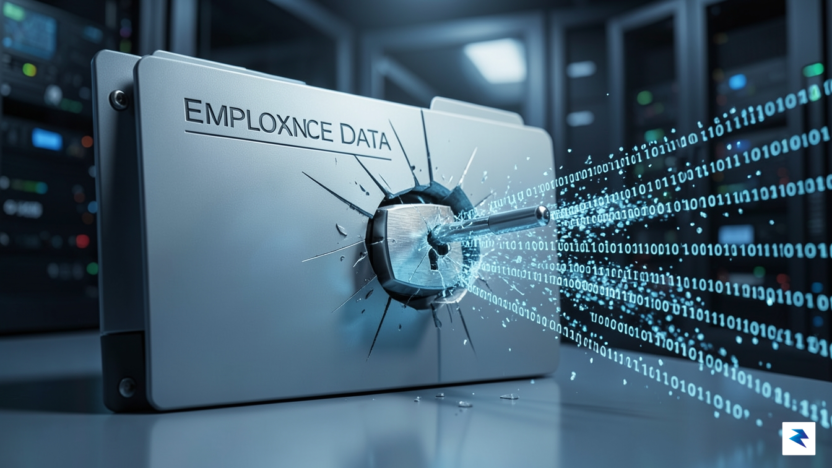

The cybersecurity landscape in France is currently reeling from reports of a massive data breach targeting employment-related platforms, an incident that has exposed the precarious nature of digital human resources management. Threat actors have claimed responsibility for exfiltrating over one million records, a volume that suggests a systemic failure in the security infrastructure of the targeted entities. By gaining unauthorized access to these databases, the attackers have effectively compromised the professional and personal integrity of a vast segment of the French labor market, raising immediate alarms among industry regulators and privacy advocates alike.
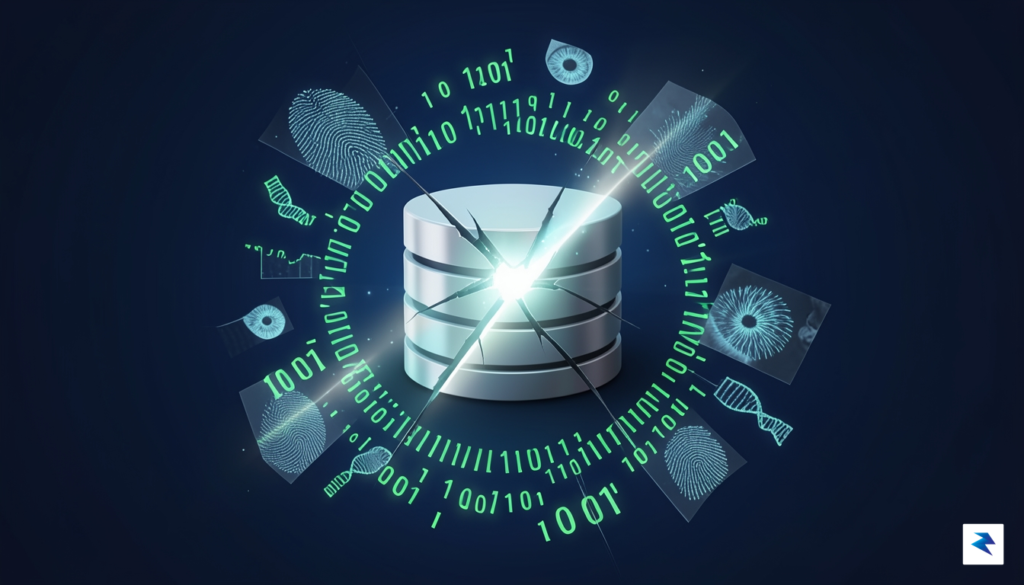
The breadth of the leaked information is particularly concerning, as it extends far beyond basic contact details. According to the claims, the stolen data packets contain comprehensive HR files, including sensitive worker identity documents, social security numbers, and internal employment histories. Perhaps most alarming is the reported inclusion of plaintext passwords, a dangerous security oversight that leaves victims highly susceptible to credential stuffing attacks across other digital services. This combination of PII (Personally Identifiable Information) and authentication data creates a high-risk environment for identity theft, financial fraud, and sophisticated phishing campaigns that could plague affected individuals for years to come.
The severity of this breach is magnified by the inclusion of sensitive health data, which, when coupled with employment records, provides a comprehensive profile that is highly valuable to malicious actors on the dark web.
The platforms involved in this incident serve as critical infrastructure for the French workforce, acting as intermediaries for job seekers, employers, and government-linked labor agencies. The sheer scale of the exposure implies that this was not merely a targeted strike against a single company, but rather a potentially broader vulnerability within the software supply chain or the interconnected HR ecosystem. Because these systems are often treated as repositories of “trusted” data, the impact on the French labor market is profound, potentially damaging the trust that workers place in digital employment portals. As investigators work to verify the authenticity of the leaked files, the incident serves as a stark reminder that even the most established HR management systems remain vulnerable to modern, persistent threat actors who prioritize the exploitation of centralized, high-value data targets.
Human Resources platforms have evolved into the digital vaults of the modern enterprise, aggregating a staggering density of data that spans an employee’s entire professional and personal lifecycle. Because these systems act as a single point of truth for payroll, tax reporting, and benefits administration, they inevitably become high-value targets for cybercriminals. Unlike a typical consumer database that might only hold an email address or a username, an HR portal stores a comprehensive dossier on every individual, including Social Security numbers, bank account details, home addresses, and even sensitive health insurance documentation. This concentration of data turns a single system compromise into a treasure trove for identity thieves, who can leverage this information to facilitate everything from sophisticated phishing campaigns to complete financial fraud.

The danger is compounded by the persistent failure of organizations to implement robust security architectures for these critical hubs. While many platforms claim to prioritize privacy, investigators often discover that sensitive fields—such as tax identifiers or medical claim records—are stored without adequate encryption, leaving them vulnerable if a database is dumped. Even more concerning is the recurring discovery of plaintext password storage or poorly salted hash functions, which allow attackers to pivot from an initial breach into a systemic takeover of employee accounts. When security measures fail to keep pace with the sensitivity of the data they protect, the impact on the workforce is not just a temporary inconvenience; it is a long-term threat to their digital identity.
The fallout from an HR data breach is rarely contained to a single incident. Once an individual’s core identifiers, such as a national identity number or private health history, are leaked, they cannot be changed like a password, leaving victims at risk of targeted attacks for years to come.
Furthermore, the interconnected nature of modern HR software often means that a breach in one subsystem can lead to lateral movement across the entire corporate network. If an attacker gains administrative access to the HR portal, they may be able to manipulate payroll distributions, alter direct deposit accounts, or gain access to the personal contact details of high-level executives. This creates a cascading risk profile where the vulnerability of a single software platform threatens the security of the entire organization and every person on its payroll. As these databases continue to balloon in size, the need for rigorous data minimization, end-to-end encryption, and multi-factor authentication is no longer just a “best practice”—it is a fundamental requirement for protecting the sanctity of the employee-employer relationship.
While the prospect of a standard identity theft incident is stressful, the inclusion of health-related documentation within this massive data breach elevates the crisis to an entirely different level of severity. Unlike a compromised credit card number or a password that can be updated in a matter of minutes, a person’s medical history is immutable and permanent. Once sensitive diagnostic reports, treatment plans, or mental health records are released into the digital underground, the exposure becomes a lifelong privacy burden that the victim cannot simply “reset” or remediate. This permanence is what makes health data among the most dangerous assets for hackers to possess and the most devastating for victims to lose.
The implications of such a leak extend far beyond the initial shock of the breach, creating a landscape ripe for sophisticated exploitation. In the wrong hands, health information can become a powerful tool for extortion, where malicious actors threaten to publicly disclose sensitive conditions unless a ransom is paid. Furthermore, the data provides a blueprint for complex insurance fraud, allowing criminals to masquerade as patients to obtain expensive prescriptions or medical services. Perhaps most concerning in a professional context is the potential for workplace discrimination; if an employer or a prospective hiring manager inadvertently gains access to details regarding an employee’s chronic illness or medical leave history, it could fundamentally alter their career trajectory and lead to illegal, biased decision-making.

Because of these extreme risks, health records are classified under the General Data Protection Regulation (GDPR) as “special categories of personal data,” which demands a significantly higher tier of security and legal protection than standard contact information. Regulatory bodies recognize that the processing of such data carries inherent risks to the fundamental rights and freedoms of individuals, necessitating strict technical and organizational safeguards. Organizations that fail to protect this tier of information are not merely facing administrative fines; they are failing to uphold a critical social contract that keeps the most vulnerable aspects of an individual’s life private.
The exposure of immutable medical data creates a permanent vulnerability that necessitates immediate vigilance from those affected. Victims should proactively monitor their Explanation of Benefits (EOB) statements from insurers and scrutinize their medical records for any unauthorized entries or billing anomalies that could signal the early stages of medical identity theft.
Ultimately, this breach serves as a stark reminder that digital security is not just about protecting bank accounts; it is about protecting the sanctity of the individual. When health data is mishandled, the fallout can disrupt personal relationships, jeopardize employment opportunities, and compromise long-term physical and mental security. As we navigate the aftermath of this incident, it is essential for the public to understand that their medical privacy is a non-negotiable right, and the entities tasked with storing this data must be held to the highest standards of accountability to prevent such life-altering disclosures from becoming the new normal.
For any organization entrusted with the sensitive personal and health information of its workforce, the responsibility for data security is absolute and non-negotiable. The recent breach involving French employment records serves as a sobering reminder that traditional perimeter defenses are no longer sufficient against modern, sophisticated cyber threats. To build a resilient infrastructure, organizations must adopt a defense-in-depth strategy that assumes compromise is always a possibility, thereby shifting the focus from simple prevention to comprehensive containment and protection.
The foundational shift required today is the adoption of a Zero Trust architecture. Under this model, the organization no longer operates on the assumption that anything—or anyone—inside the network perimeter is trustworthy. Instead, every access request must be continuously verified, regardless of where it originates. This means implementing granular access controls where employees and automated systems are granted the “least privilege” necessary to perform their roles, significantly reducing the potential blast radius if a single account is compromised.
Complementing this architecture, mandatory Multi-Factor Authentication (MFA) is the single most effective barrier against unauthorized access. By requiring more than just a password—such as a biometric scan or a time-sensitive hardware token—organizations can effectively neutralize the threat of credential harvesting. Furthermore, all sensitive HR and health documentation must be protected by end-to-end encryption, both while in transit across the network and while at rest on internal servers. This ensures that even in the event of a successful exfiltration, the stolen files remain indecipherable gibberish to the unauthorized party.
Beyond technical controls, organizations must institutionalize a culture of rigorous auditing and data hygiene. Regular penetration testing conducted by independent third-party experts is essential to identify vulnerabilities before malicious actors can exploit them. These exercises should simulate real-world attack scenarios, providing leadership with a clear view of their security posture. Simultaneously, companies must enforce strict data minimization policies, ensuring that they do not collect or retain employee information that is not strictly necessary for business operations. The logic is simple: data that does not exist cannot be stolen.
The most secure record is the one you never kept. By limiting the retention of sensitive health data and periodically purging outdated employment files, organizations significantly lower their risk profile while maintaining compliance with privacy regulations like GDPR.
Finally, the security of employee records is not merely a technical challenge but an organizational mandate. By combining robust identity management, continuous testing, and a disciplined approach to data lifecycle management, companies can protect their most valuable asset: the privacy of their workers.

If you suspect that your professional or personal information has been compromised in this recent breach, the most important action is to remain calm but act decisively. Proactive management of your digital footprint is the most effective way to limit the potential fallout from such a large-scale exposure. While the situation is undoubtedly concerning, taking these immediate steps can significantly reduce your vulnerability to identity theft and financial fraud.
Start by securing your digital accounts, beginning with your most sensitive platforms. You should immediately update your passwords for any employment-related portals, email accounts, and financial services. Avoid using simple, predictable passwords; instead, opt for complex, unique passphrases generated by a reputable password manager. Furthermore, enable Multi-Factor Authentication (MFA) on every account that supports it. By requiring a secondary verification step, such as a mobile app notification or a physical security key, you create a robust barrier that prevents unauthorized users from accessing your accounts even if they have already obtained your password.
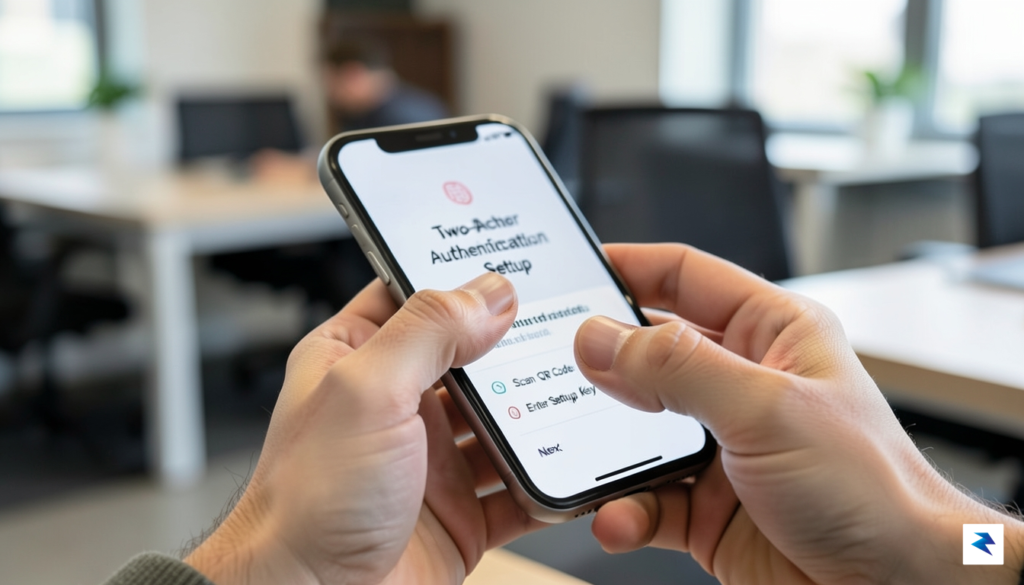
Beyond securing your login credentials, you must maintain heightened vigilance regarding your financial and personal data. Over the coming weeks, monitor your bank statements, credit reports, and online accounts with extreme scrutiny. Look for any unauthorized transactions, no matter how small, as cybercriminals often perform “test” charges to verify active accounts. If you detect any suspicious activity, contact your financial institution immediately to freeze your cards or report the fraudulent behavior.
Taking control of your digital identity is not a one-time task but an ongoing commitment to hygiene. Vigilance today prevents a crisis tomorrow.
Furthermore, be prepared for a surge in sophisticated phishing attempts. Attackers often use leaked data to craft highly personalized emails or SMS messages that appear to come from legitimate government agencies, HR departments, or banks. Always exercise extreme caution when clicking on links or downloading attachments, even if the sender seems familiar. If you receive an unexpected request for sensitive information, verify the source through an official, independent channel before responding.
Finally, it is essential to understand your rights under French and European law. Under the General Data Protection Regulation (GDPR) and the oversight of the Commission Nationale de l’Informatique et des Libertés (CNIL), you have the right to be informed about how your data is processed and to request its deletion in certain circumstances. If you believe your data has been misused, you can file an official complaint through the CNIL website. Familiarizing yourself with these legal protections empowers you to hold the responsible parties accountable and ensures that you are taking full advantage of the resources available to help you recover from this incident.
You must be logged in to post a comment.