
Why Almost All Market Wealth Is Created by a Few Tech Giants
The Myth of the Diversified Portfolio For decades, the standard gospel of personal finance has preached a single, unwavering doctrine:…
In an increasingly interconnected world, where the personal brand of a CEO often becomes inextricably linked to their company, the European market presents a fascinating dichotomy for Tesla. Elon Musk, the charismatic yet often controversial figurehead of the electric vehicle giant, has cultivated a public persona that is, to put it mildly, polarizing. His prolific presence on social media, coupled with outspoken political stances and occasional erratic behavior, has drawn significant criticism and, for many, has become a considerable point of contention. This “Musk Factor” has led to a growing segment of consumers expressing discomfort or outright disapproval, suggesting that their personal values might clash with supporting a company led by such an individual.
Yet, despite this swirling vortex of public sentiment, the sales charts in major European economies tell a strikingly different story. While critics voice their concerns and polls might indicate waning public favor for Musk himself, Tesla vehicles continue to fly off the digital shelves. From the bustling streets of Germany to the eco-conscious markets of Scandinavia and the varied landscapes of France and the UK, Tesla has not only maintained but often significantly increased its market share year-on-year. This persistent upward trajectory in registrations and deliveries underscores a complex consumer calculus, one where the emotional response to a CEO’s antics appears to be decoupled from the pragmatic decision of purchasing an automobile.
The core of this paradox lies in the undeniable strength and reputation of Tesla’s product itself. European consumers, known for their discerning taste and emphasis on both technological advancement and environmental responsibility, seem to prioritize the tangible benefits and utility that a Tesla vehicle offers. The brand’s pioneering role in electric vehicle technology, its impressive range, robust performance, and the convenience of its Supercharger network often overshadow any reservations about its CEO. For many, choosing a Tesla isn’t an endorsement of Elon Musk’s latest tweet or political opinion; rather, it’s a calculated decision based on perceived quality, innovation, and a desire to participate in the electric revolution with a proven leader in the field.
Therefore, what we are witnessing across the continent is a powerful testament to the triumph of product over personality, at least for now. While the “Musk Factor” undoubtedly influences some purchasing decisions, potentially deterring a segment of buyers, it is clearly not enough to derail the brand’s overall momentum. The average European buyer appears to be making a clear distinction: evaluating Tesla not on the ever-evolving public persona of its founder, but on its merits as a cutting-edge car manufacturer delivering on the promise of sustainable transportation. This intricate interplay between personal values, brand perception, and product utility creates a compelling narrative, proving that in the high-stakes world of automotive sales, a superior product can indeed transcend even the most controversial of leaders.
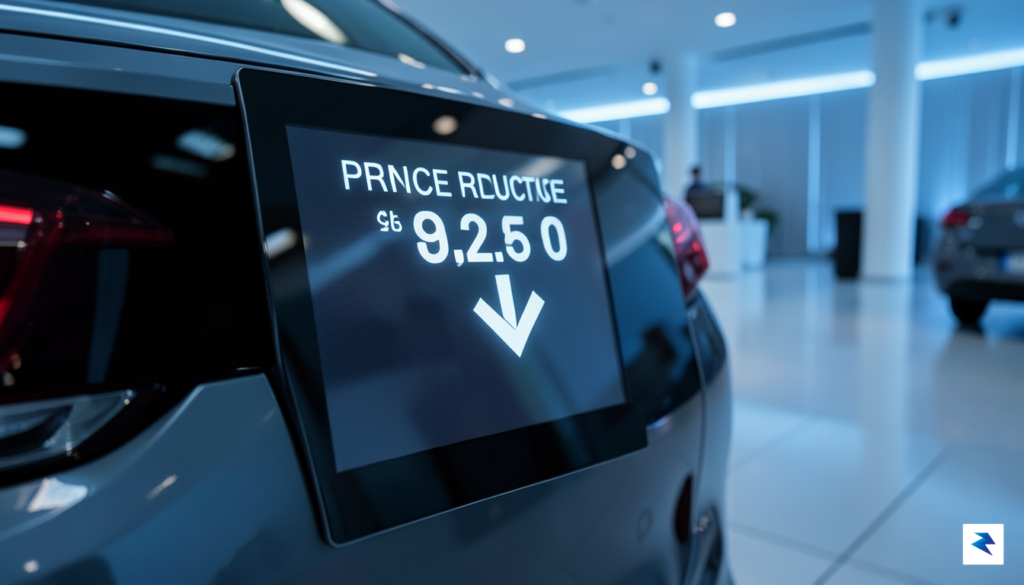
Tesla’s ability to sustain robust sales volume across Europe, even amid growing public scrutiny regarding Elon Musk’s personal brand and political stances, is a testament to the power of aggressive, data-driven financial engineering. Rather than relying on brand loyalty or emotional alignment, Tesla has pivoted toward a cold, calculated strategy: making the cost of ownership undeniably superior to that of legacy internal combustion engine vehicles. By repeatedly slashing list prices on the Model 3 and Model Y, the company has effectively shifted the conversation from ideological friction to pure economic utility. For the average European consumer, the decision to purchase an EV is no longer just an environmental or aesthetic choice; it has become a pragmatic calculation where Tesla’s price-to-performance ratio frequently outperforms the traditional stalwarts of the European automotive industry.
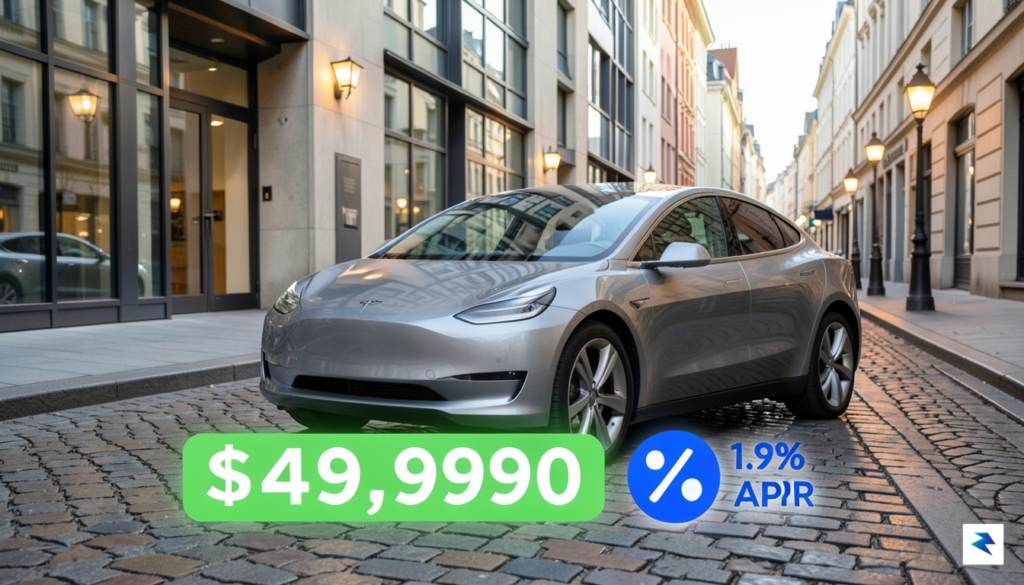
The manufacturer has further lowered the barrier to entry by deploying highly subsidized, low-interest financing programs that are difficult for traditional European automakers to match. While legacy manufacturers often rely on complex dealership networks and bloated dealer markups, Tesla’s direct-to-consumer model allows for surgical precision in rolling out regional financing incentives. By offering interest rates significantly lower than the current market average, Tesla has neutralized the impact of high European inflation and rising borrowing costs. This financial maneuvering acts as a powerful psychological lever; it transforms the “hesitant buyer”—who may be wary of the company’s leadership—into a rational consumer who recognizes that the total cost of ownership is simply too compelling to ignore.
When the monthly payment on a high-tech electric vehicle drops to levels competitive with a mid-range petrol sedan, the barrier to purchase shifts from ideological debate to fiscal common sense.
This strategy serves as a stark departure from the traditional European “incentive” model, which has historically relied on government subsidies that are prone to sudden, unpredictable cuts. Instead of waiting for national governments to provide rebates, Tesla has effectively internalized those incentives, creating a more stable and predictable environment for the buyer. Consequently, even as public opinion regarding the brand’s CEO wavers, the underlying “value proposition” remains unshakable. By prioritizing accessibility and affordability, Tesla has successfully decoupled the vehicle’s functional appeal from the personality of its founder, ensuring that the bottom line continues to grow in one of the world’s most competitive automotive landscapes.
For many European drivers, the act of purchasing a vehicle has shifted from a statement of personal values toward a cold, calculated exercise in utility. While the polarizing public persona of Elon Musk often dominates headlines, a significant segment of the market has mastered the art of psychological compartmentalization. These buyers view their Tesla not as an extension of the CEO’s political or social commentary, but as a sophisticated piece of hardware designed to solve a specific problem: efficient, long-range, high-performance electric mobility. This transition from “brand alignment” to “utilitarian consumption” reflects a broader trend in the tech sector, where the perceived necessity of a product’s ecosystem eventually supersedes the controversies surrounding its creator.
The primary driver of this detachment is the formidable “moat” Tesla has built around its charging infrastructure and software ecosystem. For a driver crossing borders from Germany to Italy, the reliability of the Supercharger network is a functional necessity that few competitors have managed to replicate with the same seamless integration. When a consumer evaluates the total cost of ownership—factoring in software updates, charging speed, and the vehicle’s interior interface—the convenience factor creates a magnetic pull that is difficult to ignore. In this context, the car becomes a tool rather than a cultural artifact; much like users who rely on global tech platforms despite corporate controversies, Tesla owners prioritize the daily friction-free experience their vehicle provides over the external noise of social media discourse.
The decision to purchase is increasingly stripped of ideological weight, evolving instead into a pragmatic assessment of battery technology, range efficiency, and the maturity of the software stack.
This phenomenon of brand detachment is not entirely new; it has long been observed in the luxury and tech sectors, where consumers frequently look past the eccentricities or ethical lapses of founders to enjoy a superior user experience. In Europe, where environmental regulations are stringent and the shift to electrification is a societal mandate, Tesla is often perceived as the “default” choice for a reliable EV. Many buyers express a sense of frustration with Musk’s public behavior, yet they find that no other manufacturer offers a comparable combination of price, performance, and charging access. Consequently, they treat the vehicle as a standalone product, effectively divorcing it from the man at the helm to satisfy their own requirements for transportation.
Ultimately, the resilience of Tesla’s sales figures in the European market underscores a fundamental truth about modern consumerism: convenience often trumps ideology. When a product solves a fundamental pain point—in this case, the “range anxiety” and technical hurdles associated with electric vehicle ownership—it becomes insulated from the reputational volatility of its leadership. By prioritizing the tangible benefits of the Tesla ecosystem, European drivers are making a pragmatic choice that validates the engineering achievements of the company while quietly distancing themselves from the divisive narratives that surround its chief executive.
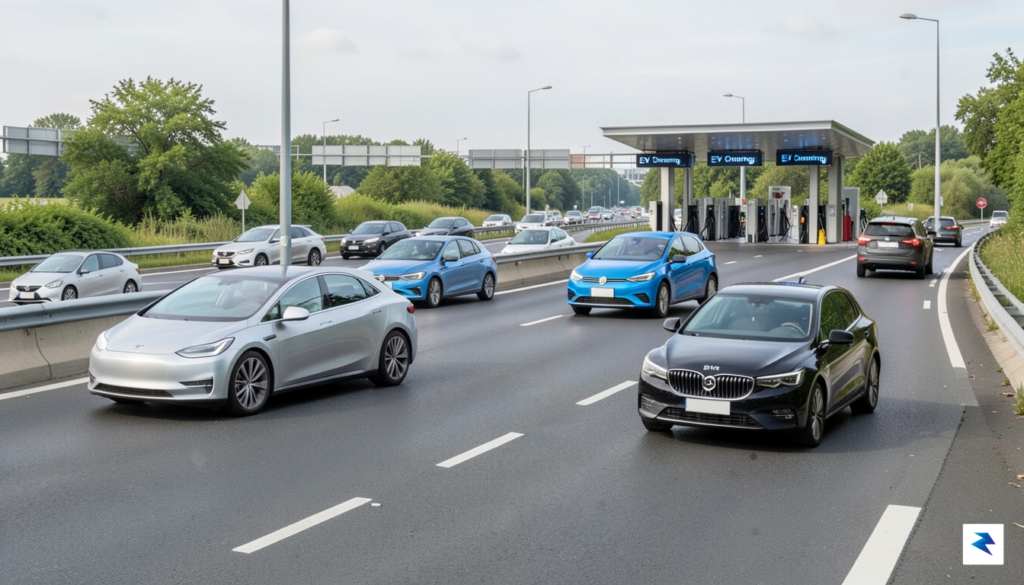
The European electric vehicle market has evolved into one of the most fiercely contested battlegrounds in the global automotive industry. Tesla is no longer the sole pioneer in a sparsely populated landscape; instead, it must navigate a dense thicket of competition from established European titans like Volkswagen and BMW, as well as an aggressive, rapid influx of Chinese manufacturers such as BYD and MG. These players are not merely competing on aesthetics or brand heritage but are pouring billions into battery technology, manufacturing efficiency, and localized software stacks to challenge the American incumbent. The fact that Tesla continues to see its sales trajectory climb amidst this crowded field is a testament to the persistent strength of its core product proposition, which often manages to transcend the polarizing public image of its CEO.
Tesla remains the industry benchmark largely because it has successfully curated a “total ecosystem” experience that many legacy automakers are still struggling to replicate. While brands like Volkswagen have made significant strides in hardware quality and interior refinement, Tesla retains a decisive edge in vehicle software integration, over-the-air updates, and, perhaps most importantly, its proprietary Supercharger network. This charging infrastructure provides a level of reliability and convenience that remains the gold standard for European EV drivers, effectively reducing the “range anxiety” that still serves as a primary barrier to mass adoption. For many buyers, the technical maturity of the Tesla platform—specifically regarding energy efficiency and real-world range—outweighs the noise surrounding Musk’s personal ventures.
The true test of the European EV market is no longer just about who can build a car, but who can build a seamless, software-defined charging and driving experience that justifies a premium price point in a high-interest-rate environment.
Furthermore, the competitive pressure has forced a fundamental shift in pricing strategy across the continent. Tesla’s aggressive, data-driven price cuts have effectively squeezed the margins of European manufacturers, forcing them into a difficult choice: sacrifice profitability to maintain market share or risk losing ground to a more agile competitor. While legacy brands often struggle to pivot their traditional manufacturing structures to match Tesla’s lean, high-volume production model, they are attempting to counter by emphasizing superior build quality, luxury materials, and localized service support. Ultimately, the European consumer is currently the beneficiary of this high-stakes rivalry, enjoying more choices and better technology than ever before, even as Tesla continues to prove that its engineering-first approach remains a potent force in the region’s shifting automotive landscape.

The current landscape of the European automotive market reveals a compelling disconnect between consumer sentiment toward leadership and the practical utility of a product. While Elon Musk’s personal brand has become increasingly polarizing across the continent, Tesla’s sales metrics suggest that European buyers are largely prioritizing the “price over politics” philosophy. This pragmatic approach highlights a crucial reality for the electric vehicle transition: when a product offers superior charging infrastructure, software integration, and price-to-performance ratios, ideological friction often takes a backseat to functional necessity. As long as Tesla remains the benchmark for the seamless transition to electric transport, its market position appears insulated from the volatility of its CEO’s public persona.
However, sustaining this momentum will require navigating an increasingly complex regulatory and cultural terrain. Europe is currently tightening its scrutiny on non-European automotive manufacturers, particularly regarding data privacy, labor standards, and market subsidies. As national governments look to bolster their own domestic EV champions, Tesla may face a more hostile legislative environment that seeks to level the playing field through stricter compliance requirements or the tapering of consumer incentives. Furthermore, there is a legitimate risk that the “tipping point” of brand sentiment could be reached if the cultural divide between Musk’s rhetoric and European progressive values widens further. Should the brand become synonymous with values that directly contradict its customer base, the current apathy toward the CEO’s politics could transform into an active, social stigma that affects purchase intent.
The resilience of the Tesla brand in Europe suggests that, for now, the functional value of the vehicle as an instrument for sustainable mobility outweighs the reputational risks associated with its leadership.
Ultimately, the long-term viability of Tesla’s European strategy hinges on its ability to evolve from a disruptive outsider into a localized, integrated player within the continent’s industrial ecosystem. Growth will likely remain sustainable as long as the company maintains its aggressive pricing strategy and continues to lead in technological innovation, which serves as a powerful anchor for the average commuter. Yet, the margin for error is shrinking; Tesla must demonstrate a nuanced understanding of the European political landscape to avoid becoming a victim of its own success. Whether the brand can successfully decouple its product excellence from its executive leadership will be the defining challenge of the coming decade, determining whether Tesla remains a fixture on European roads or eventually cedes ground to more culturally aligned local competitors.
You must be logged in to post a comment.