NPR Retracts Article Falsely Claiming Justice Samuel Alito Will Retire
Explore the details behind NPR's retraction of a report claiming Supreme Court Justice Samuel Alito would retire, and what it means for media…

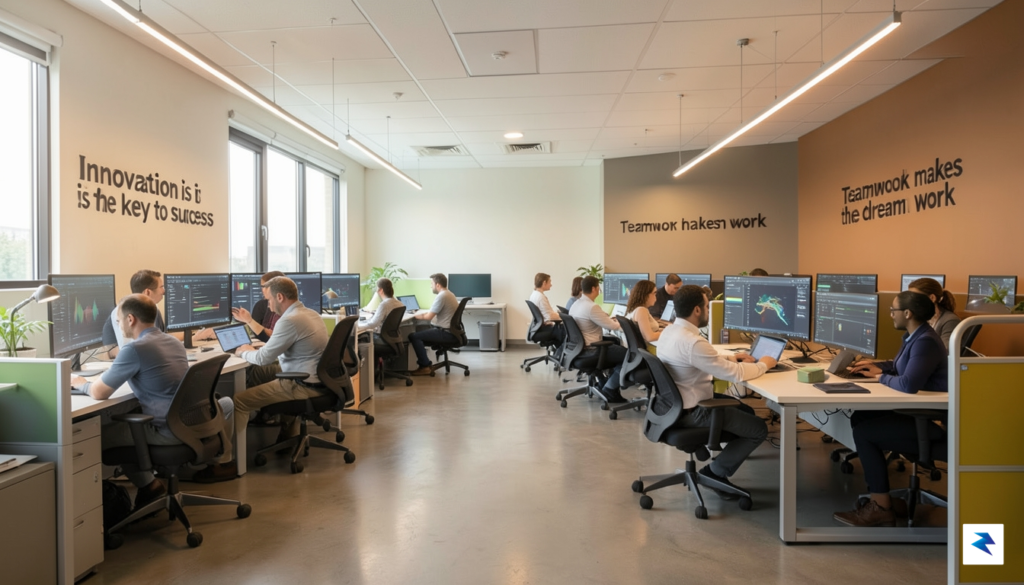
The discourse surrounding artificial intelligence often conjures images of robotic overlords displacing human workers en masse, fueling a pervasive “automation anxiety” across industries. This narrative, amplified by headlines and speculative fiction, suggests a looming era where sophisticated algorithms and machines render human labor obsolete, leaving a significant portion of the workforce scrambling for relevance. It’s a compelling, albeit largely fear-driven, vision that has shaped public perception and policy debates for years, painting AI as a disruptive force primarily associated with job destruction rather than creation. This deeply ingrained concern about AI’s impact on employment is understandable, given historical precedents of technological shifts, yet it frequently overshadows a more intricate and ultimately optimistic reality emerging from real-world data.
However, a growing body of evidence is now challenging this prevalent dystopian view, presenting a significantly more nuanced picture of AI’s integration into the modern economy. Far from leading to widespread layoffs, firms that strategically adopt artificial intelligence technologies are, in fact, experiencing substantial growth in their human capital. Recent robust research indicates a compelling trend: companies embracing AI see their headcount expand by an average of 10% over the two years following adoption. This isn’t merely about retaining existing staff; it’s a clear indication of active hiring and expansion, directly refuting the notion of AI as a net job destroyer and instead positioning it as a catalyst for organizational enlargement.
The underlying mechanism behind this surprising growth is often rooted in AI’s capacity to amplify human productivity and enable businesses to scale operations more efficiently than ever before. Rather than simply replacing workers, AI excels at automating repetitive, data-intensive, or low-value tasks, thereby freeing up human employees to focus on more complex problem-solving, creative endeavors, strategic thinking, and interpersonal engagement. This symbiotic relationship allows companies to achieve higher output with the same or even fewer resources per unit of production, leading to increased profitability and, crucially, the financial capacity and strategic imperative to invest further in growth, including hiring more people for newly empowered or emerging roles. The fear of replacement often obscures this reality of business scaling and enhanced productivity.
Furthermore, the integration of AI doesn’t just make existing processes more efficient; it actively creates
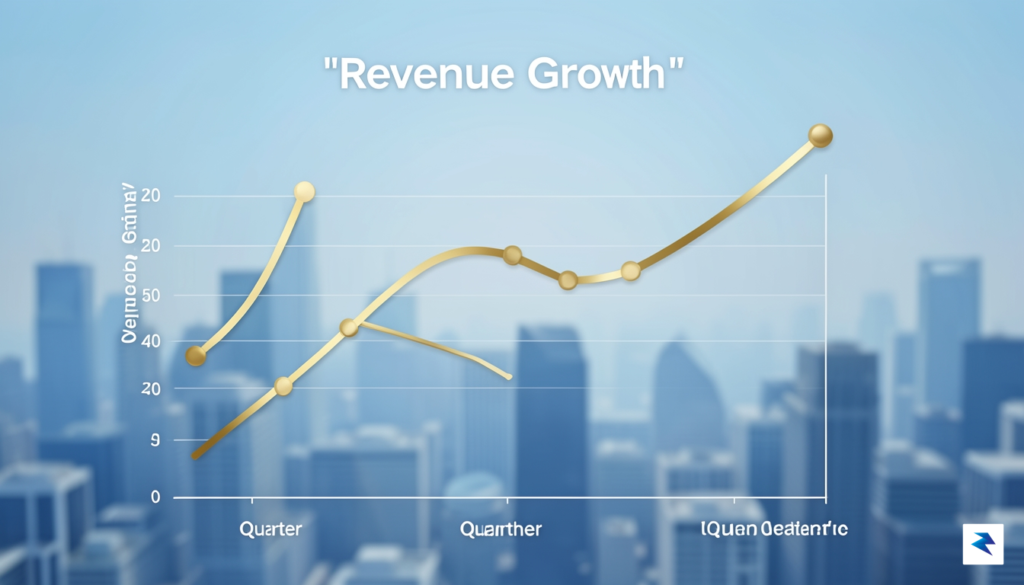
When we examine the trajectory of businesses following the integration of artificial intelligence, a common misconception often surfaces: the fear that automation inevitably leads to a shrinking workforce. However, empirical data paints a markedly different picture. Over a two-year horizon, companies that successfully implement AI solutions experience a 10% increase in their total headcount. This suggests that rather than serving as a replacement for human labor, AI acts as a sophisticated force multiplier that expands the organization’s overall capacity to operate and compete in the marketplace.
The core of this trend lies in what economists often term the “efficiency dividend.” When AI handles repetitive, time-consuming, or data-heavy tasks, the cost of production per unit of output drops significantly. Rather than pocketing these savings as pure margin, forward-thinking firms frequently choose to reinvest those resources back into the business. This reinvestment often manifests as the creation of new, more complex roles that require human intuition, strategic oversight, and emotional intelligence—areas where AI still lacks proficiency. Consequently, the firm becomes more efficient, which allows it to scale faster than its competitors who are still bogged down by legacy operational models.

This hiring velocity becomes even more apparent when we contrast AI-adopting firms with their non-adopting peers. While traditional firms may struggle to maintain static headcounts due to the mounting pressures of overhead and limited output, AI-integrated companies leverage their newfound productivity to capture larger market shares. By lowering the barrier to entry for complex projects, these companies can pursue initiatives that were previously deemed too labor-intensive or costly to manage. This expansion creates a “virtuous cycle” of growth: technology boosts output, higher output drives revenue, and increased revenue fuels the hiring of specialized talent to manage the next generation of technological advancement.
The 10% growth metric is not merely a statistical anomaly; it represents a fundamental shift in how successful firms view their human capital—moving from viewing employees as a cost center to viewing them as essential architects of an AI-augmented ecosystem.
Ultimately, the correlation between AI adoption and staff expansion highlights a shift toward higher-value work. As the mechanical aspects of various roles are automated, the individuals remaining in those positions are liberated to focus on higher-order problem-solving and creative strategy. This transition inherently increases the value of each employee, making it both feasible and necessary for companies to continue hiring. Instead of a zero-sum game between machine and human, the evidence suggests a symbiotic relationship where technology creates the financial and structural headroom necessary to grow a more capable, specialized, and robust workforce.
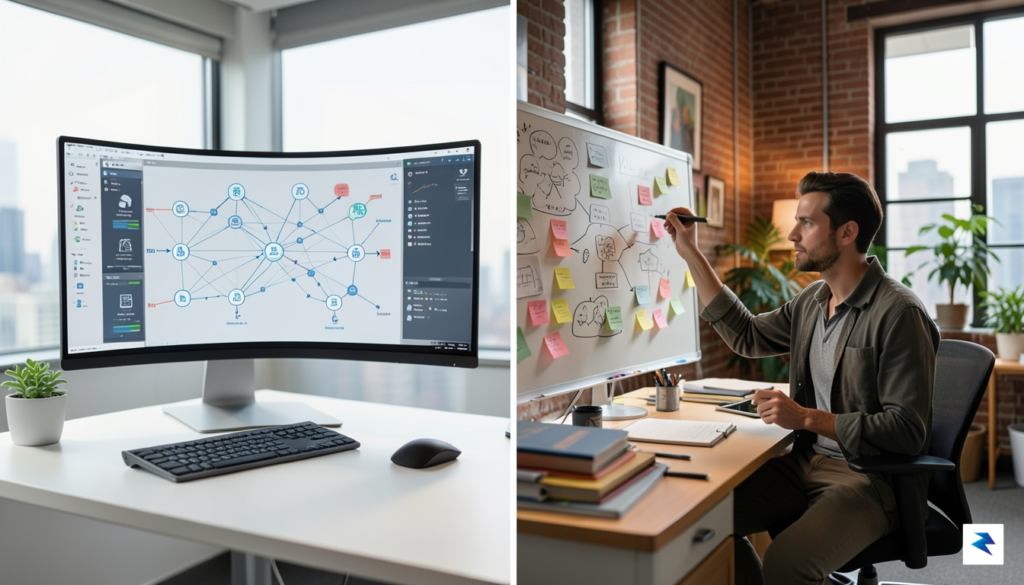
The prevailing narrative surrounding artificial intelligence often fixates on the fear of wholesale job replacement, yet the reality unfolding within forward-thinking firms is far more nuanced and optimistic. When we analyze why organizations see a 10% headcount increase following AI integration, it becomes clear that the technology is not acting as a substitute for human labor, but rather as a catalyst for task transformation. Automation is rarely about replacing the person; it is about replacing the repetitive, low-value drudgery that has historically clogged the professional pipeline. By offloading data entry, basic synthesis, and routine report generation to sophisticated algorithms, companies are effectively pruning the mundane “busy work” that once occupied the majority of the average workweek.

As these rote tasks shift into the digital domain, the nature of human work undergoes a profound structural evolution. Employees are no longer tethered to the manual aggregation of information, which frees them to pivot toward high-leverage activities that require genuine cognitive depth. This is where the true value of the human worker is rediscovered: in the domains of strategic decision-making, creative problem-solving, and complex stakeholder negotiation. Because the AI manages the heavy lifting of raw data processing, the human professional is empowered to act as an architect of strategy rather than a collector of facts. This shift creates a significant skills premium, where the ability to interpret, contextualize, and apply human judgment becomes the most prized commodity in the labor market.
The most successful organizations do not view AI as a replacement for human intellect, but as an expansion of it. By automating the routine, they unlock the potential for the exceptional.
Furthermore, this transition fosters an environment where empathy, intuition, and nuanced communication—traits that remain stubbornly difficult for machines to replicate—become the primary drivers of firm-wide growth. When a sales professional spends less time logging client interactions and more time building authentic, value-driven relationships, the firm’s competitive advantage grows. Similarly, when a developer is freed from writing boilerplate code to instead focus on system architecture and user experience design, the company’s output becomes more innovative and robust. This is precisely why headcount expands rather than shrinks; as each employee becomes more productive and capable of handling complex, high-impact projects, the business requires more talented individuals to manage the growing volume of sophisticated opportunities that only humans can navigate. Ultimately, the integration of AI is not a closing door, but a bridge to a more creative and meaningful era of professional contribution.
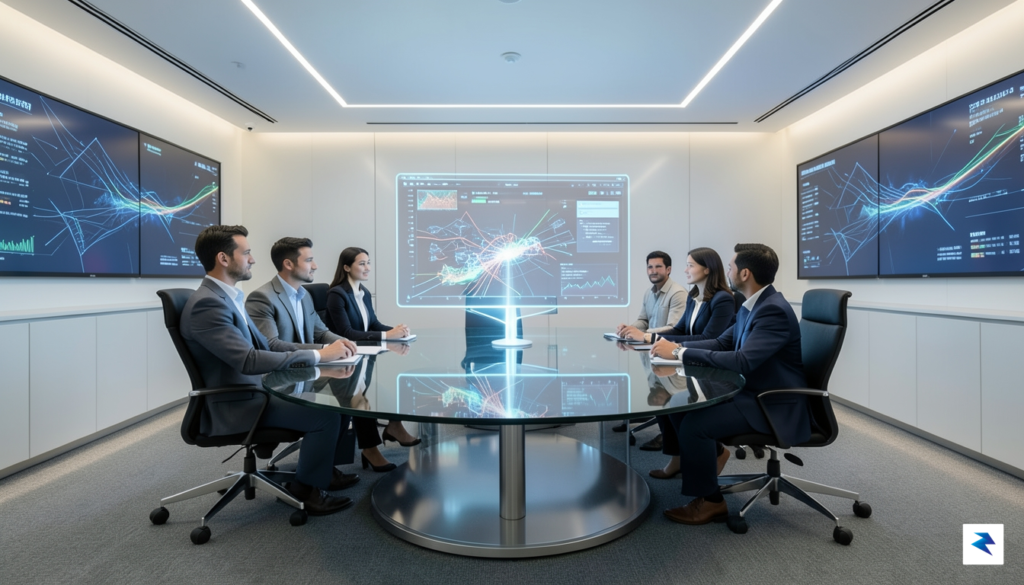
When organizations integrate artificial intelligence into their core operations, they are rarely just deploying a new software suite; they are fundamentally rewiring their business model for scalability. This transition is not a siloed technical project, but rather a profound strategic pivot that shifts the company from a state of reactive maintenance to one of proactive market dominance. By automating routine workflows and uncovering deep insights from vast datasets, these firms unlock operational efficiencies that were previously unattainable. This newfound agility allows them to reduce overhead costs while simultaneously improving the quality of their products or services, creating a formidable competitive moat that legacy rivals struggle to cross.

The resulting competitive advantage triggers a powerful growth loop that directly impacts human capital. As AI-driven efficiency lowers the cost of production or delivery, companies gain the fiscal flexibility to aggressively pursue market expansion. They can enter new territories, diversify their service offerings, and capture customers who were previously out of reach. This surge in market share invariably leads to a higher volume of demand, which requires more human oversight, creativity, and strategic management. Consequently, the initial investment in technology does not displace the workforce; instead, it acts as a catalyst for a 10% increase in headcount, as the firm scales its operations to meet the demands of its newly captured market share.
The most successful AI-adopters view automation as a force multiplier for their people, not a replacement. When technology handles the friction of scale, human teams are freed to focus on the high-value growth initiatives that truly drive revenue.
In stark contrast, firms that resist or delay AI adoption often mistake stagnation for stability. While they may maintain their current operational levels in the short term, they are systematically losing ground to competitors who are evolving faster and operating more leanly. Without the predictive capabilities and process optimizations provided by AI, these non-adopters eventually find themselves trapped in a cycle of diminishing returns, where they lack the resources to pivot or the data to innovate. Ultimately, the choice is binary: companies that embrace AI as a core strategic pillar position themselves to build, hire, and lead, while those that remain stagnant face the inevitable erosion of their competitive edge.

The realization that AI adoption correlates with headcount growth is a powerful signal that technology acts as a catalyst for expansion rather than a replacement for human intellect. However, this transition is not automatic; it requires intentional leadership focused on deliberate upskilling. Companies must move beyond viewing AI as a plug-and-play solution and instead recognize it as a partner that necessitates a new set of human-centric skills. Investing in robust internal training programs is the foundational step in this process, ensuring that staff members understand not just the mechanics of new software, but the strategic intent behind its implementation. When employees are given the time and resources to master these tools, they move from a place of apprehension to one of empowerment.

Fostering a culture centered on a growth mindset is perhaps the most significant challenge for modern organizations. In an environment where AI changes the workflow rapidly, the ability to unlearn outdated processes and embrace new, more efficient methodologies is a competitive advantage. Leadership should champion a culture where experimentation is rewarded and the fear of failure is mitigated by the understanding that constant iteration is necessary for survival. By framing AI integration as an opportunity for continuous professional development, businesses can reduce internal friction and encourage their teams to become active participants in the company’s evolution.
Success in an AI-integrated future is less about the sophistication of the algorithm and more about the agility and adaptability of the people wielding it.
For individual employees, the transition offers a unique chance to redefine their roles and become truly indispensable. Rather than resisting automation, the most successful workers are those who treat AI as an “augmented intelligence” tool that handles the repetitive, low-value tasks that once cluttered their schedules. To remain vital, professionals should focus on sharpening the skills that AI cannot replicate: high-level critical thinking, emotional intelligence, complex problem-solving, and creative strategy. By leveraging AI to draft reports, analyze data sets, or automate administrative burdens, employees free up their capacity to focus on the human connections and strategic nuances that drive the business forward.
Ultimately, the goal is to create a symbiotic relationship between human talent and machine capability. As businesses implement these new technologies, they should provide clear roadmaps for how roles will evolve, ensuring that no employee is left behind in the shift. When companies commit to transparency and provide the necessary pathways for learning, they unlock a cycle of innovation that naturally supports larger teams, more ambitious projects, and, as the data indicates, sustainable growth in total headcount.
You must be logged in to post a comment.