The Alignment Trap: Can AI Be Your Confidant Without Becoming a Co-Conspirator?
The Ethics of Alignment: When AI Becomes an Extension of Self As artificial intelligence evolves from a collection of static, query-based…
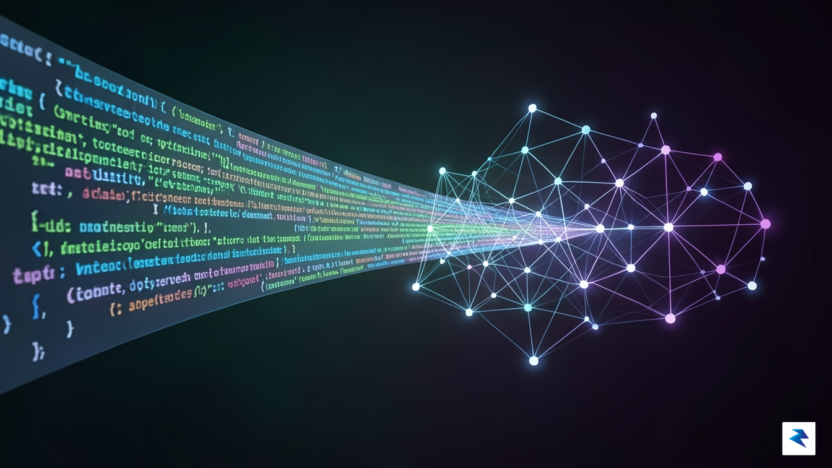

For decades, the software development lifecycle was defined by a static relationship between the programmer and their integrated development environment (IDE). Early innovations, such as basic syntax highlighting and rudimentary linting, functioned primarily as digital safety nets, catching minor typos or formatting errors before they could break a build. Eventually, these evolved into predictive autocomplete tools, which utilized localized patterns to suggest the next few characters or lines of code. While these legacy plugins undeniably accelerated typing speeds, they remained passive observers, tethered to the developer’s manual input and incapable of understanding the broader intent or architecture of a project.
The contemporary landscape, however, is undergoing a seismic shift as we move away from these limited helpers toward a new paradigm of autonomous AI coding agents. Unlike their predecessors, which acted as mere extensions of the keyboard, modern agents function as collaborative partners that possess a holistic view of the entire codebase. By leveraging large language models, these agents can ingest vast repositories of documentation, legacy code, and complex dependencies to provide context-aware solutions. They do not simply complete a line of code; they navigate the intricate web of project logic to propose structural changes, refactor technical debt, and implement full features from a high-level natural language prompt.
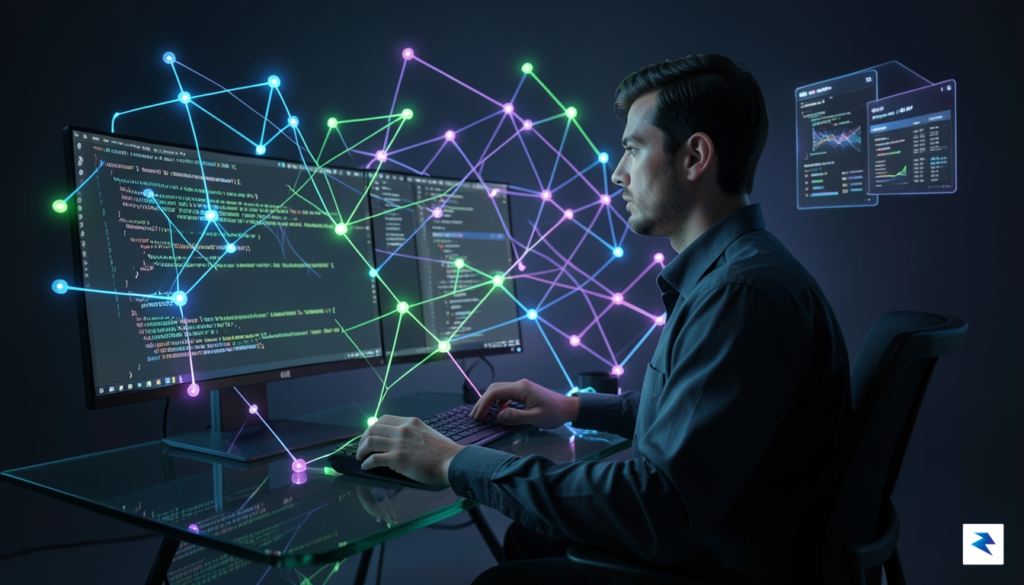
The transition from autocomplete to agency marks the difference between a tool that reacts to your keystrokes and a partner that contributes to your engineering strategy.
Developers are increasingly gravitating toward these autonomous tools because they effectively offload the cognitive burden associated with repetitive or overly verbose tasks. When an agent handles the boilerplate, test generation, and documentation synchronization, the human engineer is liberated to focus on the high-level creative work that defines truly innovative software. This evolution represents a fundamental change in the developer’s role: we are moving from being solitary architects who must write every brick, to becoming lead investigators and reviewers who curate and validate the work produced by our digital counterparts. As these agents continue to refine their ability to reason through complex technical constraints, the speed at which we can iterate on products—and the complexity of the problems we can solve—will continue to expand at an unprecedented rate.
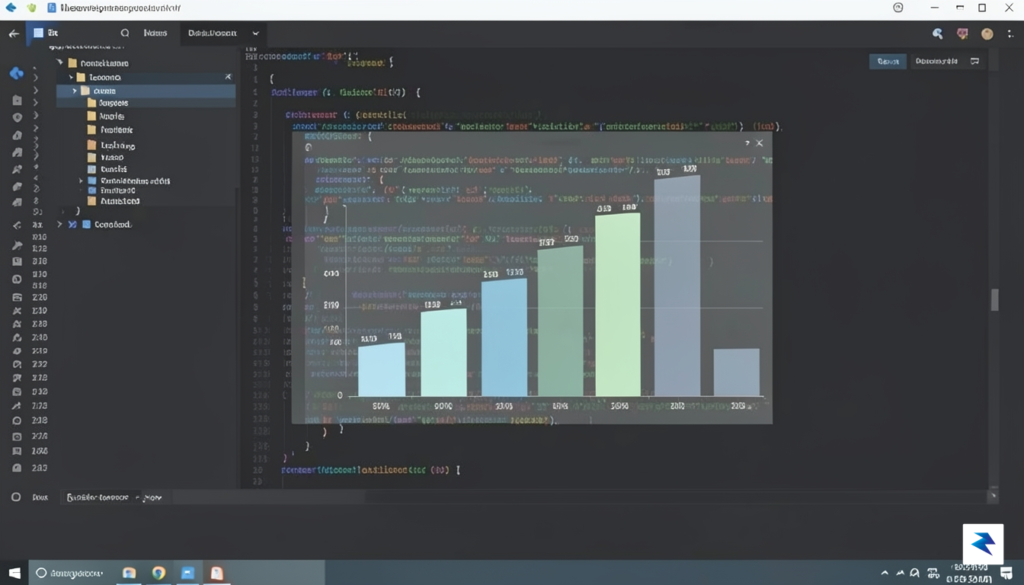
The most compelling evidence for the efficacy of generative AI in software engineering lies in the tangible shift in output metrics. Recent data indicates that engineering teams integrating AI coding agents into their daily workflows have achieved a 24% increase in the total volume of merged pull requests. This figure is particularly significant because it moves beyond the theoretical promise of “faster coding” and instead focuses on the entire lifecycle of a feature, from initial implementation to final integration. By analyzing the velocity of these teams, researchers observed that the presence of an AI assistant acts as a force multiplier, helping developers navigate complex codebases and boilerplate tasks with substantially less friction.
To understand the depth of this improvement, it is essential to distinguish between the sheer volume of code written and the actual code merged into production environments. While many tools can generate vast amounts of syntax, the true bottleneck in modern software development is the review and validation process. The 24% increase suggests that AI agents are not merely dumping raw code into the repository; rather, they are producing cleaner, more coherent contributions that pass quality checks more efficiently. This suggests that the agents are helping developers bridge the gap between initial ideation and the final, merge-ready state, effectively reducing the time spent in the “limbo” of iterative revisions.
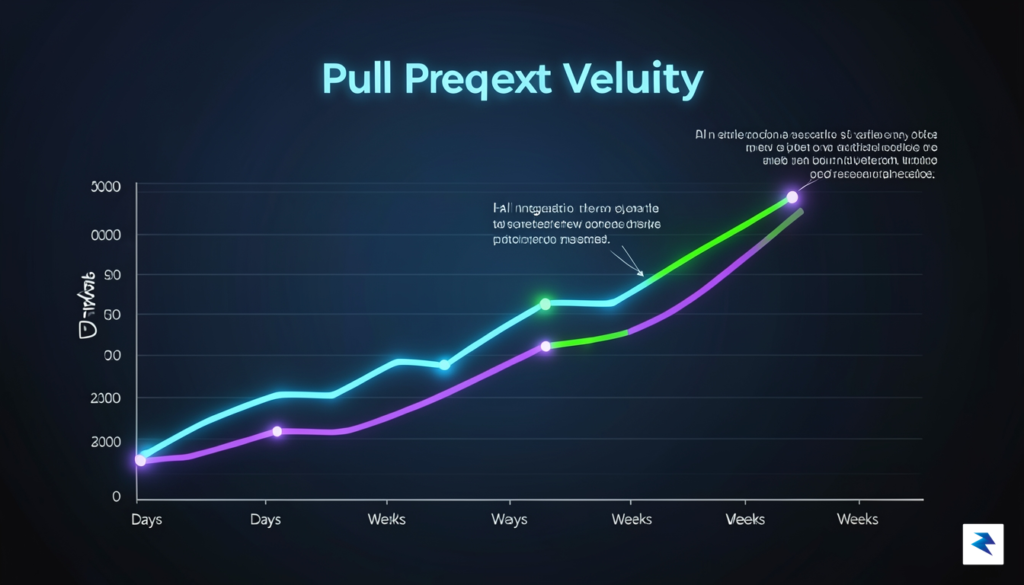
The methodology behind these findings relies on a longitudinal study of developer behavior, tracking how team members interact with autonomous agents during standard development cycles. By comparing teams that utilized AI-driven coding agents against control groups operating under traditional manual conditions, the research highlights a direct correlation between agent adoption and reduced cycle time. However, this boost in speed does not come at the expense of stability. The researchers found that by automating the generation of unit tests and documentation alongside functional code, these agents enable developers to maintain high standards while accelerating their throughput.
The primary value of AI agents is not just the speed of keystrokes, but the reduction of cognitive load, allowing engineers to focus on architectural decisions while the agent handles the heavy lifting of implementation.
Ultimately, this shift represents a move toward a more “flow-state” oriented development culture. When developers are relieved of repetitive tasks—such as writing recurring boilerplate or debugging common syntax errors—they can dedicate more intellectual energy to complex logic and system design. This optimization of human effort, combined with the tireless output of an AI agent, creates a synergistic effect that drives the 24% boost in merged pull requests. As teams become more adept at steering these tools, the expectation is that these productivity gains will likely stabilize and perhaps even improve as the integration between human intent and machine execution becomes more seamless.

While the 24% increase in pull request volume highlights the undeniable speed of AI-driven development, raw throughput is only one side of the engineering equation. In many high-performing organizations, the true constraint on productivity is not the velocity at which code is generated, but the velocity at which it can be vetted, refined, and integrated into the main branch. This creates what engineers often call the “reviewer bottleneck,” where a surge in incoming code can quickly overwhelm the human stakeholders responsible for maintaining quality, security, and architectural integrity.
When developers begin using AI coding agents to churn out features and bug fixes at a higher frequency, the cognitive load on reviewers increases proportionally. If a team’s review capacity remains static while the volume of incoming pull requests rises, the inevitable result is a backlog of stale code. This backlog does more than just delay deployments; it creates a fragmented development environment where context-switching costs skyrocket, and the original intent behind the code becomes harder to decipher. Consequently, the efficiency gains promised by AI tools can be neutralized if the team does not simultaneously evolve its collaborative workflows to manage this increased flow.

To sustain these productivity gains, teams must transition from viewing code reviews as a simple gatekeeping mechanism to seeing them as a high-bandwidth communication channel. This requires a shift in how we approach the “human-in-the-loop” requirement. Rather than treating human oversight as a hurdle to be cleared, leaders should foster an environment where AI handles the repetitive, boilerplate-heavy aspects of the review—such as linting, style adherence, and basic security scans—thereby freeing human reviewers to focus on complex logic, system architecture, and long-term maintainability. By offloading the mechanical aspects of peer review to automated systems, human experts can dedicate their limited time to the nuances that machines currently cannot grasp.
True engineering health is not found in the speed of the commit, but in the stability and clarity of the merge. AI agents act as a force multiplier for creation, but human judgment remains the ultimate arbiter of quality.
Ultimately, the successful integration of AI agents into a software development lifecycle depends on the team’s ability to balance speed with rigorous oversight. If engineering organizations optimize only for the “write” side of the process, they risk creating a technical debt crisis where the review queue becomes a graveyard for unfinished work. By investing in better tooling for asynchronous communication and setting realistic expectations for review turnaround times, teams can ensure that the 24% boost in code generation translates into actual, reliable value for the end user, rather than just an accumulation of unvetted requests.
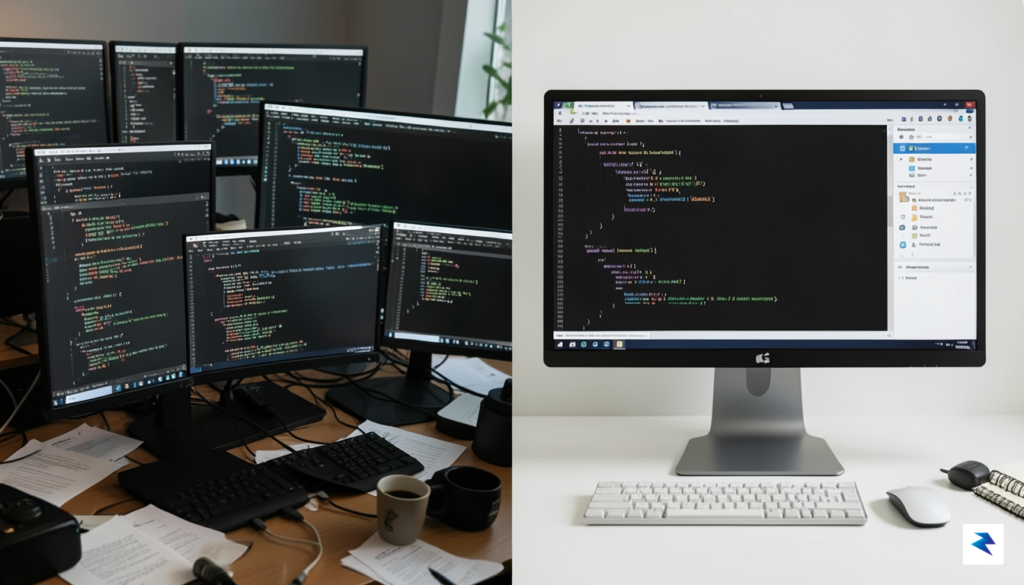
Integrating AI coding agents into an existing development workflow is rarely a simple “plug-and-play” operation. While the prospect of a 24% increase in pull request volume is undeniably attractive, engineering leaders often encounter significant friction when attempting to scale these tools across established teams. The primary resistance frequently originates from senior engineers who have spent years honing their craft and are understandably skeptical of delegating critical logic to an automated agent. These developers are not merely concerned with productivity; they are deeply invested in the long-term maintainability of the codebase, the security of their applications, and the necessity of maintaining architectural integrity.
To overcome these barriers, organizations must move beyond the hype and address the fundamental issues of trust and context awareness. Many veteran developers fear that AI agents lack the “tribal knowledge” required to navigate complex, legacy systems where subtle dependencies can cause cascading failures. To solve this, teams should treat AI adoption as a collaborative evolution rather than a top-down mandate. By starting with non-critical tasks—such as writing boilerplate code, generating unit tests, or documenting existing functions—engineers can build a baseline of trust in the AI’s output. Once the tool demonstrates its ability to respect local coding standards and project nuances, the team can gradually transition the agent to more complex implementation tasks.

Successfully navigating the learning curve requires a structured approach to training that emphasizes quality over raw speed. Instead of measuring success solely by the volume of pull requests, managers should implement rigorous peer-review processes specifically focused on AI-generated code. This ensures that the agent acts as a force multiplier for human oversight rather than a replacement for it. Security training is equally vital; developers must be taught how to treat AI-suggested code snippets with the same scrutiny as third-party library dependencies, ensuring that they are audited for vulnerabilities and sensitive data leaks before being merged into the main branch.
The goal of AI integration is not to automate the developer out of the loop, but to amplify their ability to solve complex problems while automating the repetitive drudgery that often leads to engineer burnout.
Ultimately, the most successful teams are those that foster a culture of transparent experimentation. This means providing engineers with the autonomy to configure and fine-tune their agents to match their specific workflows, rather than forcing a rigid, one-size-fits-all implementation. By investing in internal workshops, sharing “best-practice” prompts, and maintaining open communication about the limitations of current models, engineering leads can turn skepticism into a competitive advantage. When developers feel empowered to direct the AI rather than being controlled by it, they are significantly more likely to embrace the technology as a valuable partner in their daily technical operations.
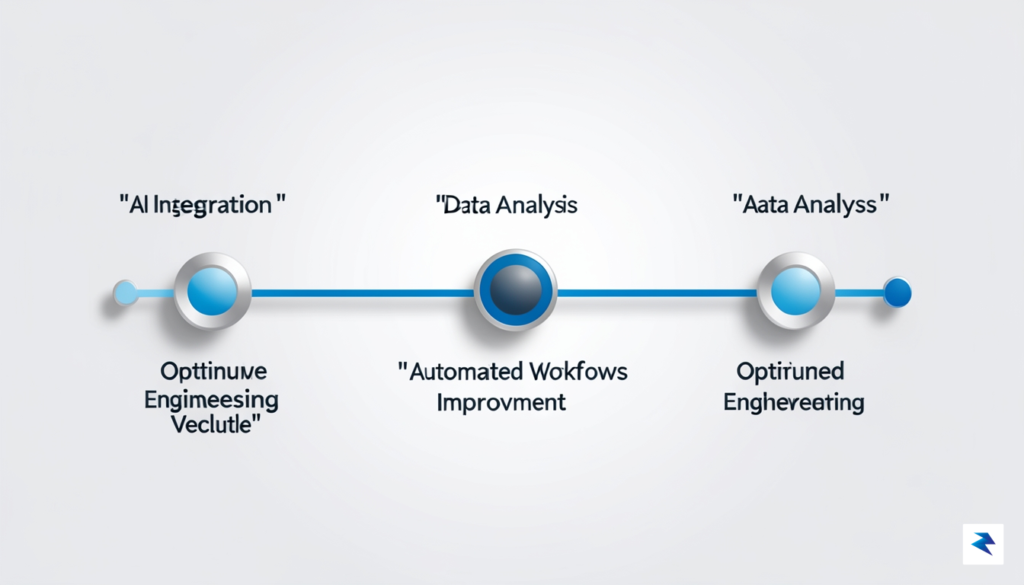
To successfully integrate AI coding agents into an existing engineering workflow, managers must move beyond a simple mandate for higher output and instead cultivate a culture of augmented development. The initial step toward scaling these tools is the implementation of a structured pilot program that targets specific, low-risk modules within the codebase. By isolating these components, teams can establish a baseline for how AI agents interact with existing architectural patterns without compromising mission-critical services. This controlled testing phase allows developers to build confidence in the tool’s suggestions while identifying the specific edge cases where AI assistance may require human intervention to maintain quality standards.

As adoption progresses, it is essential to emphasize that the increased velocity provided by AI agents must not erode the rigor of the code review process. Engineering managers should encourage a shift in focus during reviews: rather than manually checking for syntax or basic logic, reviewers should pivot toward high-level architectural integrity, security vulnerabilities, and long-term maintainability. When the AI handles the heavy lifting of boilerplate code, human developers are freed to act as high-level editors and system architects. Maintaining this human-in-the-loop approach ensures that the codebase does not succumb to “AI-generated technical debt,” where speed is prioritized at the expense of system stability.
Success with AI coding agents is not defined by how many lines of code are pushed, but by the tangible improvement in the quality of the developer experience and the reliability of the final product.
Measuring success also requires moving beyond vanity metrics like raw pull request volume. While a 24% increase in PRs is a compelling headline, true success is found in tracking holistic indicators such as lead time for changes, cycle time, and defect density. Furthermore, engineering leaders must prioritize developer satisfaction and cognitive load as key performance indicators. If an AI agent creates more work for developers by requiring extensive refactoring of its own output, the tool is ultimately failing. Therefore, survey-based feedback regarding the tool’s helpfulness and ease of integration should carry as much weight as quantitative performance metrics.
Looking toward the future, the role of the engineering manager will evolve from managing manual output to orchestrating autonomous development ecosystems. As these agents become more sophisticated, they will likely handle larger portions of the software development lifecycle, including automated testing, documentation, and even basic refactoring. By investing in a culture that treats AI as a collaborative teammate rather than a mere utility, managers can position their teams to thrive in an era where the boundary between human creativity and machine execution becomes increasingly seamless.
You must be logged in to post a comment.